
Reviewed · KRUGER PARK SAFARIS
1 Day Photographic Wildlife Safari from Hazyview to Kruger Park
Kruger at sunrise is when the best light starts. This 1-day wildlife photographic safari from Hazyview is designed for people who want more than just a decent safari shot, it’s built around camera positioning and the right moments, with a driver who also guides your photography.
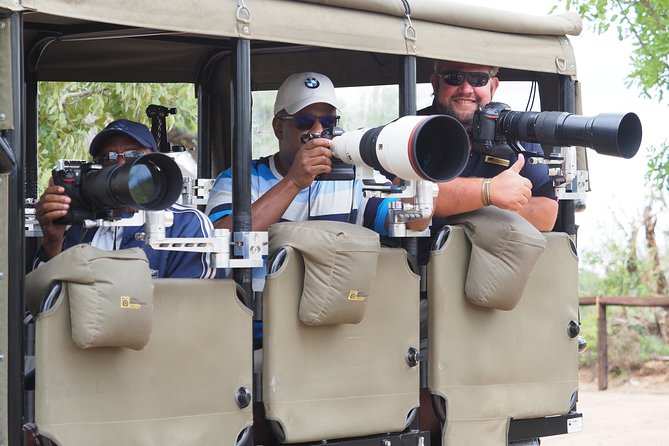
I especially like the open safari vehicle setup and the included support gear, gimbals and beanbags fitted to the vehicle. The other thing I’d pick this for is the small-group, photography-minded approach, with a spacious layout for up to six guests and room for up to three photographers.
One consideration is budgeting, because the Kruger entrance and conservation fees are not included, and meals during the day are also for your own account. If you’re hoping for a fully priced, zero-surprises day, read the fee section carefully before you book.
In This Review
- Key highlights worth your attention
- Why this sunrise-to-sunset Kruger photo safari is different
- Open-vehicle setup with gimbals and beanbags (the practical photo upgrade)
- Who you’re actually traveling with, and what that means for your photos
- Getting into Kruger from Hazyview: gates, timing, and the reality of roads
- A realistic day plan: what you do from 5:00 am to sunset
- Morning: the first push into the park
- Midday: comfort stops and meal breaks
- Afternoon into golden hour: when the photos start looking expensive
- Sunset: the day ends where it began
- Conservation fees and park entrance: what you must budget in cash terms
- Guides who think like photographers: Bernhard and Hennie’s style of coaching
- Is one day enough for serious wildlife photography?
- What you should pack (so the gear day stays a joy)
- Who should book this Hazyview to Kruger photographic safari
- Should you book? My decision rule for this one-day photo safari
- FAQ
- What time does the safari start from Hazyview?
- How long is the safari?
- Where do we meet and where does the tour end?
- Is pickup available from my hotel or guesthouse?
- What’s included for photography equipment?
- What conservation fees and entry fees are not included?
- Are meals included?
- How many people can be on the safari vehicle?
- What is the cancellation policy?
Key highlights worth your attention
- Sunrise-to-sunset timing in Kruger: the drive is long, but that’s the point, you chase light and animal activity across the full day.
- Gimbals and beanbags included: less camera shake and more time spent composing rather than fighting your gear.
- Private safari with photo coaching: your guide is also the wildlife photography brain behind the vehicle positioning and shot advice.
- Spacious open vehicle layout: three rows of three seats, built to keep a small group comfortable while staying in photo range.
- Hotel and guesthouse pickup in the Hazyview area: reduces hassle so you start the day at 5:00 am with less stress.
Why this sunrise-to-sunset Kruger photo safari is different
If your goal is wildlife photography, the biggest problem on a standard safari is not the animals, it’s the timing and the vehicle. You might stop, you might drive, and you might hope the light is kind. This safari is structured around the reality that Kruger’s best photos happen when you’re there for early light, you’re patient through the middle of the day, and you’re ready again when the light changes near sunset.
That’s why the day starts at 5:00 am and runs all the way to sunset. You enter Kruger from either Kruger gate or Phabeni Gate, then spend the bulk of the time moving through the park with a photography-first plan. For me, the value is simple: you’re not paying for a long drive just to be in a vehicle, you’re paying for a day where the guide’s job is to put you in the right place for animal behavior and for the kind of light that makes photos look sharp.
The private format matters too. When you’re not sharing your schedule with a big mixed group, it’s easier to slow down when an animal is working something out on the ground, or to adjust quickly when the light turns from harsh to golden.
More Safaris in Kruger & Mpumalanga
- Kruger National Park Full Day Private safari
★ 5.0 · 799 reviews - Kruger National Park – Private full day Safari trip.
★ 5.0 · 347 reviews - From Hazyview: Kruger National Park Full-Day Safari
★ 4.8 · 205 reviews
Open-vehicle setup with gimbals and beanbags (the practical photo upgrade)
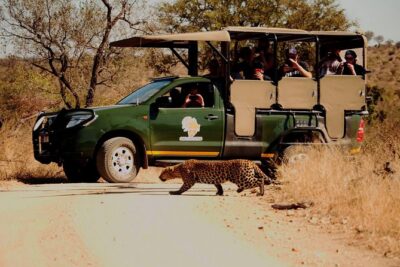
This is an open safari vehicle, and that’s good news for wildlife photos because you’re photographing from a low, natural angle. It also means you’ll deal with dust, vibration, and wind. The operator is leaning into that reality with the included Gimpro gimbals and beanbags.
Here’s what that means in plain terms for your camera time:
- A gimbal helps stabilize as the vehicle moves, so your image looks cleaner at faster shutter speeds without trying to “muscle” the shot.
- Beanbags give you a stable base when you’re resting your lens on something at the right height, especially helpful for longer lenses.
I also like that the gear is fitted to the vehicle, not something you have to set up in the field. That saves effort right when you most want to focus on sighting, exposure, and composition. You’re spending your energy where it counts: deciding where your frame needs to be, then adjusting as the animal changes posture.
Your guide being the driver is another practical advantage. In wildlife photography, you constantly work between focus and framing. Having one person manage the vehicle movement and your camera setup tips tends to reduce the pause-and-wait feeling you sometimes get when driving and guiding are split between two staff members.
Who you’re actually traveling with, and what that means for your photos
This is described as private, meaning only your group participates. The vehicle has three rows of three seats, and the safari is set up for a maximum of six guests, including up to three photographers.
That small number is more than comfort. It affects how close you can realistically get to the “photo line” your lens needs. When the group is big, some people want views and others want gear changes, and the day turns into a compromise. In a smaller group, it’s easier to keep everyone moving together on a photography rhythm.
Pricing is per group, listed at $533.93 per group (up to 4). On paper, that can look expensive. The way I’d judge it is this: you’re not just buying a standard safari vehicle and a driver, you’re paying for a photography-focused vehicle configuration plus photo support gear that would normally cost extra if you were renting or self-supplying it.
If you can bring one or two camera friends, you also avoid the classic problem of paying a premium and then spending your day stuck behind people who are not set up for photography. With up to six aboard, you’re still in the zone where the guide can manage attention without chaos.
Getting into Kruger from Hazyview: gates, timing, and the reality of roads
You start in the Hazyview area, with the meeting point at Perry’s Bridge Trading Post. Pickup is offered from hotels and guesthouses in the Hazyview area, and you’ll head toward Kruger early, for that 5:00 am start.
Once you’re near the park, you enter via either Kruger gate or Phabeni Gate. That matters mainly because it influences your first driving direction inside Kruger. Even if your itinerary is flexible once you’re in the park, where you enter affects how quickly you reach certain areas and how your morning light lines up with common viewing positions.
The other road reality: back roads can be unpredictable. That’s not a negative, it just means your guide has to manage route adjustments on the fly. This is where having a local, experienced driver/photography guide helps. You can plan for great conditions, but Kruger rewards adaptability.
More Kruger safaris:
- Kruger National Park sunrise Morning Private safari
★ 5.0 · 185 reviews - Kruger National Park: Full-Day Private Safari With Pickup
★ 4.9 · 122 reviews - Kruger National Park – Private Sunrise Half day Safari trip.
★ 5.0 · 97 reviews - Kruger National Park Full-Day Safari
★ 4.8 · 71 reviews
A realistic day plan: what you do from 5:00 am to sunset
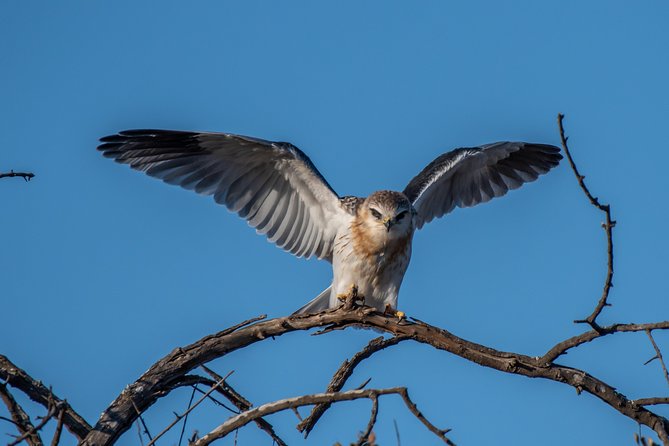
This is a full-day drive from sunrise to sunset, focused on getting the best wildlife photos of the day. The schedule is not described as a strict checklist of named stops, so think of it as a continuous game drive with comfort breaks, timed to light and sightings.
Morning: the first push into the park
Departing from Hazyview at 5:00 am means you’re positioned for early activity and more workable light. Morning also helps for photography because the contrast is usually less brutal than mid-day sun. This is when you’ll likely spend time scanning for sightings and getting set up with your lens choice and support.
If you’re using longer focal lengths, morning is a good moment to keep your workflow simple: get your settings close to where they should be, then adjust as behavior changes.
Midday: comfort stops and meal breaks
During the day, comfort stops happen for meals. Meals are for your own account, and the safari stops at restaurants and shops in different camps. This part is important because it helps you recharge without breaking the safari rhythm too hard. You’re also in the Kruger area long enough that you’ll want a plan for water and snacks, even though bottled water is available on the vehicle.
One good thing here is that tea and coffee are available during the day. If you’ve shot in early light before, you know the difference between a functioning day and a foggy one is often caffeine.
Afternoon into golden hour: when the photos start looking expensive
As the day moves forward, you’re back in “composition mode.” Animals tend to reposition, and the light quality changes again near evening. This is when people often come home with the shots that look like they were planned for a magazine cover.
Based on what previous clients describe with this style of photo safari, the guides actively adjust vehicle positioning to match the animal’s movement. That’s the difference between a random sighting and a photo you’re proud of.
Sunset: the day ends where it began
The safari ends back at the meeting point. The end time isn’t listed precisely, but the plan is built to run to sunset, so you should expect a long day in the vehicle.
Conservation fees and park entrance: what you must budget in cash terms
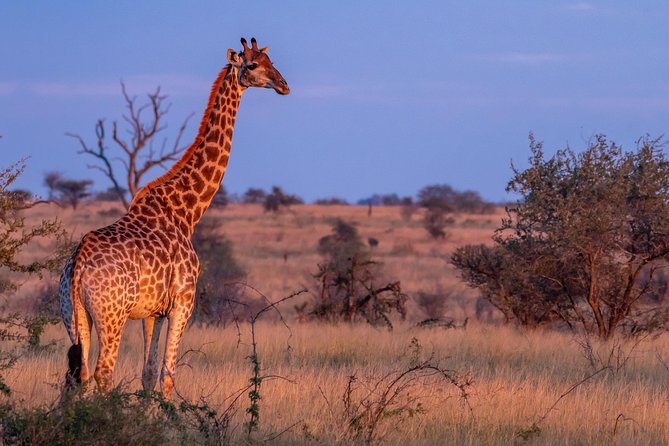
Your ticket price covers the safari experience and includes the photo gear. It does not cover the Kruger National Park entrance or the conservation fees.
The conservation fees listed are:
- R460 per person for International Visitors
- plus R40 for the vehicle
These are payable in cash on entry, according to the information you were given. That means you should plan ahead. Even if you use a card for everything else in South Africa, this is one moment where cash can save your day.
Because entrance fees and conservation fees are separate, budgeting is not just about the headline tour price. If you want to know what your all-in day costs, add:
- the safari price per group
- the per-person conservation fee you’ll pay (based on your visitor category)
- the vehicle fee
- the park entrance fee
- meals during the day
If you’re comparing this to cheaper safaris, don’t forget the included gimbals and beanbags. Those reduce gear stress and can directly improve your photo success rate, which is hard to measure but easy to feel when you’re behind the lens.
Guides who think like photographers: Bernhard and Hennie’s style of coaching
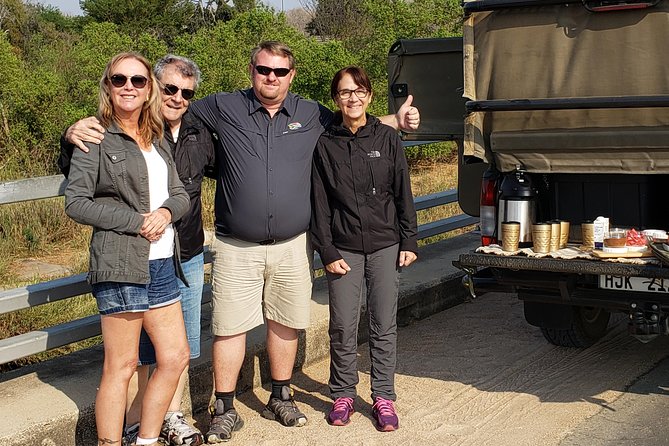
This tour’s biggest “secret” is that the guide is not only driving for wildlife, they’re driving for your camera. Names that show up again and again are Bernhard and Hennie.
What I think is especially valuable about a guide like this is how the coaching translates into practical technique, not just general advice. Past descriptions include examples like guidance on lighting, shutter speed, and even physical bracing for stability. That last part sounds small until you realize it’s often the difference between a sharp subject and a soft mess.
The other strength is shot planning. People describe getting the best positioning for angles, and the guides working to anticipate animal movement. That doesn’t mean you can guarantee a leopard on demand. Kruger is still Kruger. It does mean you’re less likely to waste time when an animal changes direction or posture.
Some past trips also highlight big moments, including a leopard sighting on a day where roads were less than predictable, and big-five sightings on later multi-day photo safari experiences. You should treat those as possibilities, not promises. But they do signal the kind of route planning and patience this operation brings.
Also, these guides are described as having strong hospitality and taking time to look after the group. In a photo safari, that matters because if you feel rushed, your photos get worse. When the day flows, you shoot more, and you shoot better.
Is one day enough for serious wildlife photography?
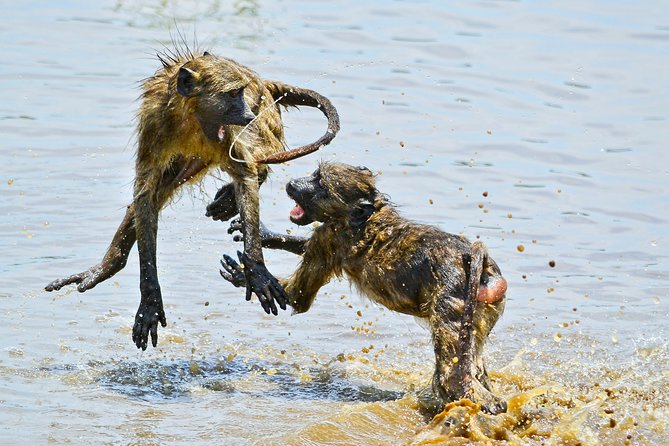
A one-day safari in Kruger is short compared with multi-day trips, and I’d be honest about that. You won’t cover everything. You won’t reset after a slow morning and try again tomorrow. So your job as a photographer is to use the day like a sprint, not a marathon.
Here’s a smart way to think about it:
- Focus on a photo strategy you can execute fast: one or two lens plans, a clear approach for animal portraits versus behavior shots.
- Accept that you might miss certain “dream” animals, then prioritize quality sightings and light over perfect checklist thinking.
- Use the vehicle support, because the gimbals and beanbags are there to help you react quickly when something appears.
If you’re the type who can appreciate a day with fewer species but better light and sharper images, one day can be a great fit. If you need the entire big-five package on a single schedule, you might find a longer safari more reassuring.
What you should pack (so the gear day stays a joy)
You’re already getting gimbals and beanbags, but you’re still bringing your camera. With an open vehicle, dust and sun are real. I’d pack with comfort in mind so you can shoot for hours without getting distracted.
Think about:
- extra batteries and memory cards
- a camera strap you trust, because you’ll be moving and reacting
- a lens cloth for dust
- sun protection and a light layer for early morning
- snacks you can grab quickly in between meal stops, since meals are for your own account
Water is available on the vehicle, but supplementing helps if you run hot or shoot a lot between stops.
Who should book this Hazyview to Kruger photographic safari
This is best for you if:
- You care about photography more than you care about ticking off a generic safari menu
- You want a small-group experience with a guide who coaches camera technique
- You’d rather pay for included stabilization gear than rent it or fight vehicle shake
- You’re traveling in a group where everyone is comfortable spending a long day on safari
It also makes sense for families with kids, based on past experiences shared with the operator, because the day can be exciting and guided, not random. That said, this tour is clearly built around photography, so if your priority is only casual seeing, you may prefer a simpler safari. If your priority includes getting the shot, this one is designed for you.
Should you book? My decision rule for this one-day photo safari
Book it if you’re serious about wildlife photography and you can accept a few added costs on the day for park entrance and conservation fees. The included gimbals and beanbags, plus the small-group approach, make it a value play for photographers who want stability and time on sighting.
I would hesitate only if you want a tightly predictable, fully prepaid day with minimal extra cash and minimal driving time. The day is long, and meals are not included. If that kind of flexibility is a problem, you might feel the friction.
If you do book, use the full day. Start sharp at 5:00 am. Don’t plan on getting perfect photos without patience, Kruger does not do instant results. Give yourself permission to shoot, adjust, and shoot again when the light shifts.
In the end, this safari is for people who understand that wildlife photography is a relationship with the day. This one is set up to help you build that relationship faster.
FAQ
What time does the safari start from Hazyview?
It starts at 5:00 am.
How long is the safari?
It’s listed as 1 day, approximately a full day, from sunrise to sunset.
Where do we meet and where does the tour end?
The meeting point is Perry’s Bridge Trading Post in Hazyview. The tour ends back at the same meeting point.
Is pickup available from my hotel or guesthouse?
Pickup is offered, with round-trip transfers direct from hotels and guesthouses in the Hazyview area.
What’s included for photography equipment?
The safari includes Gimpro gimbals and beanbags fitted on the open safari vehicle, plus bottled water and tea or coffee available during the day.
What conservation fees and entry fees are not included?
Kruger conservation fees are not included. The listed conservation fees are R460 per person for International Visitors, plus R40 for the vehicle, payable in cash on entry. Kruger National Park entrance fees are also not included.
Are meals included?
No. Breakfast and all meals are for your own account, and the safari stops at restaurants and shops in different camps.
How many people can be on the safari vehicle?
The vehicle layout is described as three rows of three seats, with a maximum of six guests including up to three photographers.
What is the cancellation policy?
The experience is non-refundable and cannot be changed for any reason.
More Wildlife in Hazyview
- Cape Town: Marine Wildlife Tour from the V&A Waterfront
★ 4.6 · 1,118 reviews - Big Five Game Reserve Wildlife Safari from Cape Town
★ 4.0 · 576 reviews - From Cape Town: South African Wildlife and Safari 2-Day Tour
★ 4.7 · 411 reviews - Ocean Wildlife Encounter in Cape Town
★ 5.0 · 307 reviews
More Safari in Hazyview
- Kruger National Park Full-Day Safari from Hazyview
★ 5.0 · 70 reviews - Kruger National Park Afternoon Private safari
★ 5.0 · 67 reviews - Private Full Day Safari l Kruger National Park from Hazyview or Skukuza
★ 5.0 · 46 reviews - From Hazyview: Kruger National Park Morning Half-Day Safari
★ 4.7 · 35 reviews
Newest around Hazyview
- Evening Cultural Festival with African Cuisine Dinner.★ 4.0 · 12 reviews
- Transfer – Kruger Mpumalanga International Airport to Hazyview★ 5.0 · 3 reviews
- Full-Day Panorama Tour from Hazyview★ 5.0 · 7 reviews
- Private Road Transfer★ 5.0 · 25 reviews
- Kruger National Park l Private Afternoon Safari from Hazyview★ 5.0 · 8 reviews
- Half Day Panorama Guided Tour★ 5.0 · 5 reviews
- Full Day Panorama Guided Tour from Hazyview★ 4.5 · 14 reviews
- Morning Safari in Kruger National Park from Hazyview (AM KNP)★ 5.0 · 4 reviews
Kruger Park Safaris, compared.
Kruger National Park sunrise Morning Private safari
Read our review →
Marloth Park: Kruger National Park Safari Game Drives
Read our review →Browse the lists this tour appears in