
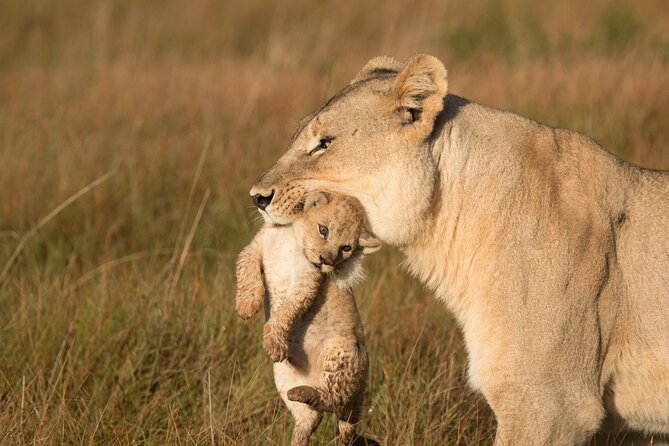
Reviewed · NATIONAL PARKS
15-Day All Inclusive Sibuya Wilderness Guided Tour
Elephants, rhinos, dunes, and fish tagging in one run. This 15-day guided tour pairs wildlife action with real conservation tasks around Port Elizabeth, with your home base at Intaka Bird Lodge on the edge of Sibuya Game Reserve. You’ll also spend time at Addo Elephant National Park, Woody Cape, and the Alexandria Dune Fields, plus community outreach and data focused work.
I especially love how the day-to-day learning stays practical, not just lectures. You’ll do elephant ID and monitoring, rhino monitoring with anti poaching activities, and lion conservation work with monitoring and discussion built around real pressures like habitat loss and the illegal wildlife trade. And yes, the human touch matters, with guides Chris and bonbon described as a wealth of information that helps everything click.
One consideration: this is not a sit in the vehicle only safari. You’ll handle two long hikes on the Alexandria Dune Fields (20 km one day and 16 km another) and you should come with moderate physical fitness, since some activities are physically involved.
In This Review
- Key highlights from this Sibuya Wilderness guided tour
- Intaka Bird Lodge, your quiet launchpad inside Sibuya Game Reserve
- The 15-day flow: how the schedule keeps you busy and still makes sense
- Elephants in Sibuya: identification and monitoring that changes how you see the herd
- Rhino monitoring and anti-poaching work: why protection is part of the safari story
- Fence management and alien vegetation removal: unglamorous work that actually protects wildlife
- Birding conservation and the red-billed oxpecker project: small scale, real impact
- Kenton-on-Sea outreach on your conservation weekend break
- Days 7 and 8: how the leisure weekend is built in
- Lions, prey loss, and buffalo darting management: conservation at the tough end
- Alexandria Dune Fields hikes: the highest coastal wind driven sand dunes in the Southern Hemisphere
- ORITAG fish tagging on the Kariega River: data you can feel proud of
- Addo Elephant National Park day: flagship elephants with a conservation focus
- Graduation and certificates at Sibuya: showing what you learned
- Final breakfast and the Sunday departure back to Port Elizabeth Airport
- Price and value: what your $1,615.69 covers, and what it does not
- Who this tour suits best
- Should you book the 15-Day Sibuya Wilderness guided tour?
- FAQ
- Where does the tour start?
- Is pickup included?
- How long is the tour?
- What is the group size?
- What meals are included?
- Are alcoholic beverages included?
- What kind of fitness level do I need?
- Is this tour suitable for children or teens?
- What is the cancellation policy?
Key highlights from this Sibuya Wilderness guided tour
- Intaka Bird Lodge as your base, with easy access to daily work and game drives in Sibuya
- Hands on wildlife monitoring for elephants, rhinos, lions, and birding conservation work
- Kariega River ORITAG fish tagging, where your records feed into an international data base
- Alexandria Dune Fields hikes, focused on coastal conservation plus the highest coastal wind driven dunes in the Southern Hemisphere
- Community outreach in Kenton-on-Sea, including beach cleanups and support for local needs
- Small group size (max 10), so the conservation work feels personal instead of rushed
Intaka Bird Lodge, your quiet launchpad inside Sibuya Game Reserve
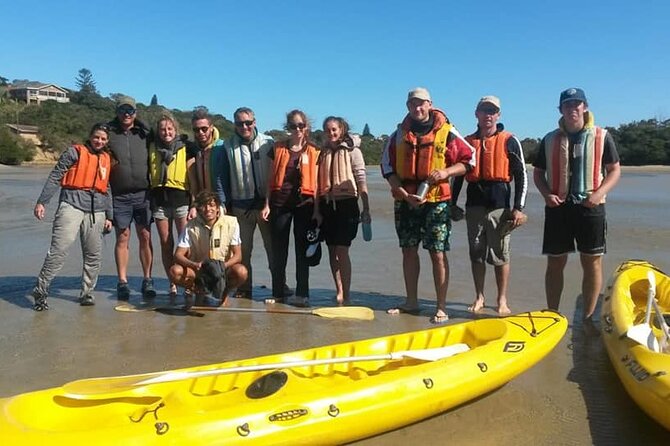
The first thing I like about this tour is where you land on day one. Your stay is at Intaka Bird Lodge, positioned on the boundary of Sibuya Game Reserve, so the whole trip has a calm, grounded feel from the start.
After you settle in, you get a proper first dinner and a chance to unwind with sundowner drinks looking out over the reserve. That matters because the rest of your days follow a rhythm: conservation work, learning, and then time in the bush.
If you want a safari that feels rooted in place, this base helps. You aren’t shuttled nonstop. You return to the same home base so the work and the wildlife both make more sense by day three, not day twelve.
A few more Port Elizabeth trips worth comparing
- Addo Elephant National Park All Inclusive Full-Day Safari
★ 5.0 · 256 reviews - Addo Elephant National Park Full Day Safari
★ 5.0 · 110 reviews - Addo Elephant National Park from Port Elizabeth – FD01
★ 5.0 · 78 reviews
The 15-day flow: how the schedule keeps you busy and still makes sense
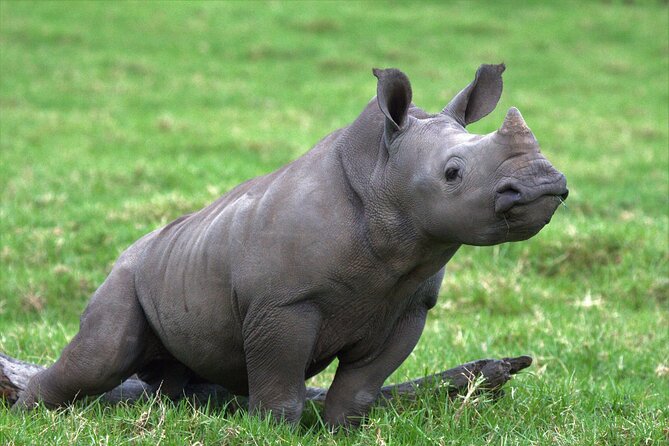
This is a 15-day, all inclusive guided itinerary in the Port Elizabeth area, offered with pickup from Port Elizabeth Airport and a mobile ticket. Group size is capped at a maximum of 10, which is a real advantage when the activities include monitoring and field work.
The tour includes private transportation and most of your day structure is built around conservation sessions and excursions. Meals are also a big part of the value here: breakfast is included for 14 days, and lunch and dinner are included for 13 days each. That reduces your daily decision fatigue, especially after long days outside.
One practical note before you go: the provided pickup times don’t line up perfectly. The meeting point lists a start time of 12:00 pm, while day one says collection from the airport every Sunday at 15:00. Use your confirmation as the source of truth for your exact pickup time, and plan to be reachable.
Elephants in Sibuya: identification and monitoring that changes how you see the herd
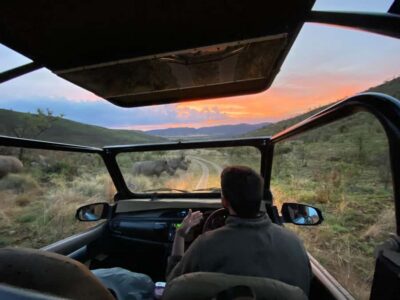
Days two through four center on Sibuya Game Reserve, and the elephant portion is the heart of the education. You start with a welcome presentation and an elephant conservation presentation, then move into elephant monitoring.
What’s valuable is the focus on correct identification. Instead of treating elephants like background scenery, you learn to identify individual elephants and track their presence and personalities. That helps you understand why conservation work depends on details, not just big moments.
On the ground, you’ll also learn about elephants’ role in the ecosystem and the challenges they face. It’s the kind of lesson that makes later safari sightings feel more meaningful, because you understand what you’re looking for and why each animal matters.
Rhino monitoring and anti-poaching work: why protection is part of the safari story
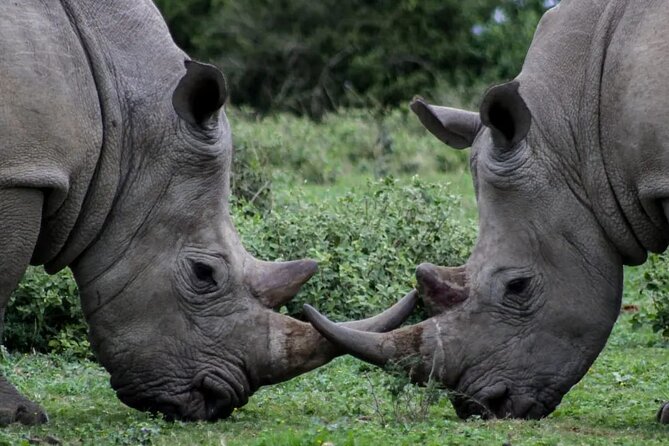
On day three you shift to rhino conservation, plus rhino monitoring and anti poaching activities. This is one of those sections where the “guided” part really matters, because conservation work is tied to protection systems and real risk.
You’ll learn about white rhino, their ecosystem role, and the pressures on rhinos. Then you’ll move into the practical monitoring side, where identifying and tracking rhinos becomes part of how teams manage conservation priorities.
If you care about conservation beyond photos, this is where the tour’s mission becomes obvious. You’re not just learning why rhinos matter. You’re seeing how monitoring and protection fit together.
Same province, a very different day:
- Whale, Dolphin & Penguin Island Cruise
★ 5.0 · 687 reviews - Addo Elephant Full Day Safari with a Traditional South African Braai (BBQ) Lunch
★ 5.0 · 218 reviews - Addo Elephant 5 hour Morning Safari.
★ 5.0 · 73 reviews - 2hr Guided Game Drive at 10h00; Kragga Kamma Game Park Ticket
★ 4.5 · 69 reviews
Fence management and alien vegetation removal: unglamorous work that actually protects wildlife
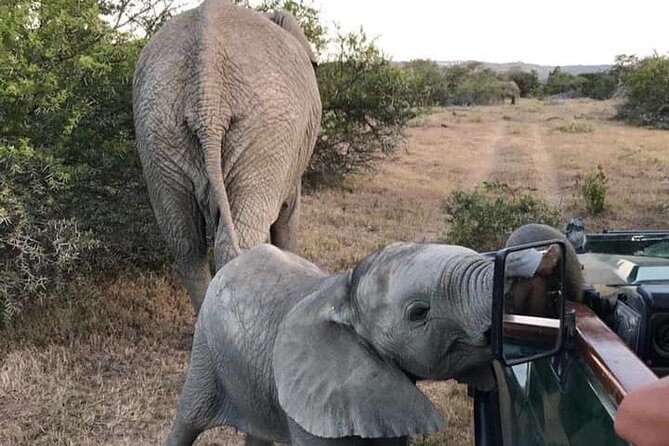
Day four adds two hands on conservation tasks that often get ignored on traditional safaris: fence management and alien vegetation eradication.
Fences sound dry, but they’re not. Correct fencing helps protect humans from potential danger and also protects conservation areas from human impact. When you understand that, it becomes easier to respect the system that allows wildlife to persist.
Alien plant management is similar. You learn that some non native species thrive and outgrow indigenous plants, and that they can be less suitable as food for animals. Removing alien vegetation supports the balance of what wildlife depends on, even if you never see a dramatic “before and after” moment in one day.
Birding conservation and the red-billed oxpecker project: small scale, real impact
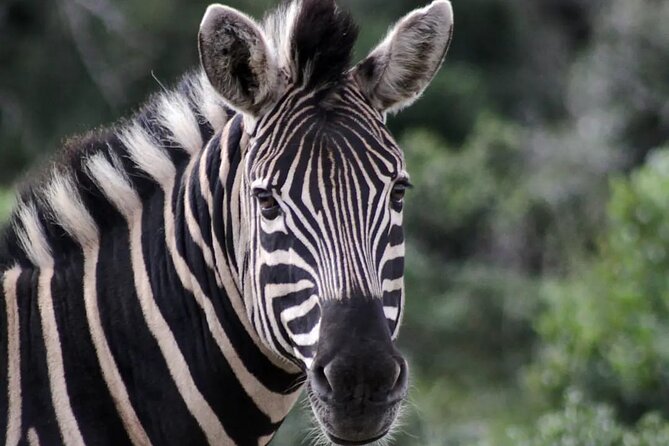
Day five is focused on birding conservation and the red-billed oxpecker project. You’ll work on correctly identifying and differentiating birds across different categories like oceanic, estuarine, arboreal, and terrestrial.
That’s a practical skill set if you enjoy wildlife that isn’t just the big five style. Oxpeckers also connect to a wider conservation story, since they’re involved with animal health and behavior in savanna environments.
This day is a good reminder that conservation is not only about the “headline” animals. When you finish day five, you’ll likely start noticing birds in the background, because you’ll be able to sort them out instead of just watching shapes flit past.
Kenton-on-Sea outreach on your conservation weekend break
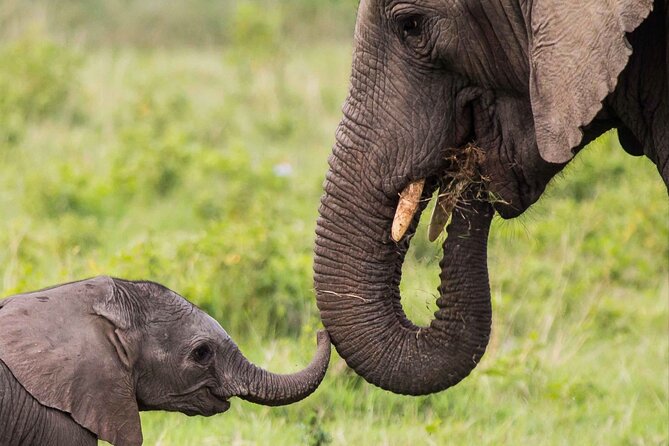
Day six takes you to Kenton-on-Sea for community outreach. The activities listed include blankets and beanies for Madiba, helping stand in teachers, beach cleanups, dog food distribution, and visits or support connected to retirement homes.
This is the kind of day that can feel emotionally heavy, but it also gives the trip a fuller picture of conservation. Wildlife protection doesn’t happen in a vacuum. It depends on people, education, and community support.
The practical tip here: bring patience and a flexible mindset. Outreach days are about relationships and usefulness, not big performance. If you’re the type who likes to contribute in hands on ways, you’ll get a lot out of it.
Days 7 and 8: how the leisure weekend is built in
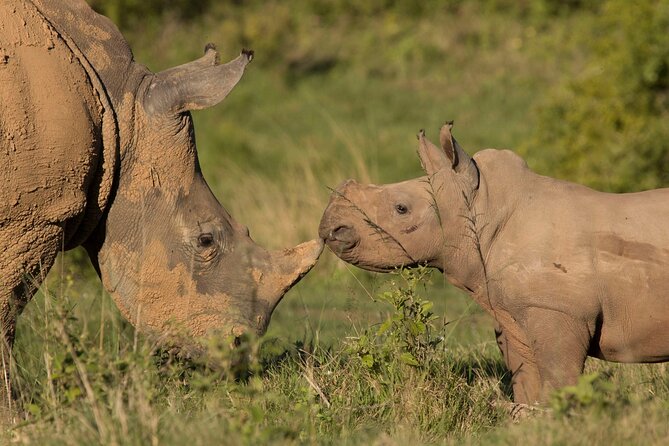
Your first Saturday and Sunday are structured as a leisure weekend. You can do sightseeing in the area at your own expense, and you can also choose to relax back at Intaka Bird Lodge and take in the quiet between active days.
This pause is not an accident. After monitoring work and outreach, you’ll appreciate having time to reset. It also gives you room to plan your own side trips if you want a slower day in the coastal Eastern Cape.
One small detail: the itinerary notes an admission ticket included on day seven, but it doesn’t specify what it’s for. Let your confirmation guide you on exactly what you get and where it applies.
Lions, prey loss, and buffalo darting management: conservation at the tough end
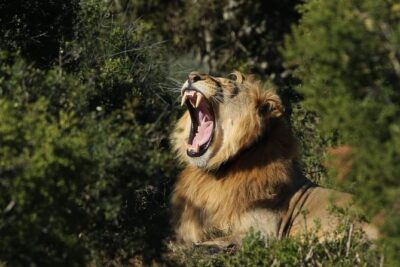
Day nine moves into lion conservation with a presentation and open discussion, then continues with lion monitoring. The topics include loss of prey species, loss of habitat, lion bone trade, and human encroachment.
That discussion is important because it explains why lion protection is so complicated. When prey declines or human pressure rises, the story shifts from wildlife to survival math.
You’ll also participate in buffalo darting and management. Since darting involves trained field operations, the key is that this part is led by the conservation team rather than something you should expect to improvise. If you’re sensitive to operational intensity or prefer gentle observation, ask your guide how involvement works in practice on the day.
Still, if you want the behind the scenes side of conservation, this is where you see the real work behind predator management.
Alexandria Dune Fields hikes: the highest coastal wind driven sand dunes in the Southern Hemisphere
Days ten and eleven are two hike days along the Alexandria Dune Fields, described as the highest coastal wind driven sand dunes in the Southern Hemisphere.
Day ten is a 20 kilometre hike (about 12.5 miles), and day eleven is a 16 kilometre hike (about 10 miles). These are long walks. Even if you like hiking, you’ll want to treat this as a training and endurance test, not a casual stroll.
What makes it more than fitness is the conservation focus. You’ll learn about the living and non living aspects of the coastal marine environment and the history that shaped the area. That kind of context helps you connect wind, sand, water, and wildlife in a way that’s hard to grasp from a viewpoint.
Practical advice for these days: wear sturdy footwear, plan for sun and wind, and keep hydrated. If you’re not used to long hikes, get moving before you arrive, because the dunes won’t care about good intentions.
ORITAG fish tagging on the Kariega River: data you can feel proud of
On day twelve you go to the Kariega River for a boat cruise and an ORITAG fish tagging project. Each traveler is briefed on how to catch, tag, record information, and release estuarine fish species.
The data you help gather is loaded onto the ORI international data base. That’s a big deal because it turns the experience into something researchers can actually use, not just a one off moment in your trip photos.
This is one of the most “all in” activities on the itinerary. You are doing real field procedures, so listen carefully during the briefing and follow instructions closely. If you prefer wildlife experiences that are more hands on than just watching, this day will land well.
Addo Elephant National Park day: flagship elephants with a conservation focus
Day thirteen is your Addo Elephant National Park visit. The emphasis here is on the park’s conservation role and the fact that Addo has a densest population of African elephants per square kilometer in the world.
You’ll also stop by Colchester as part of the day. Even without getting overly technical, this day is built to remind you that conservation isn’t only about saving animals. It’s about managing habitat and using long term protection to keep populations stable.
If you love elephants, this is your big park day. And because you already did elephant identification and monitoring earlier in Sibuya, you’ll likely notice more during the safari time because you understand the why behind the work.
Graduation and certificates at Sibuya: showing what you learned
Day fourteen is about wrapping up with a group project presentation, a graduation ceremony, and certificates. It’s also listed as a day with leisure time, which helps you land the experience with less rush.
Group projects and posters are mentioned as a way to create ambience for the presentation room. That means you get a chance to compare notes and reinforce what you learned, instead of flying home immediately with scattered facts.
I like tours that end this way. It gives your brain a final place to store the learning, not just a camera roll.
Final breakfast and the Sunday departure back to Port Elizabeth Airport
On day fifteen you have team breakfast and then an airport transfer. The transfer time listed is 09:00 on Sundays from Intaka Lodge to Port Elizabeth Airport, and the drive is about six hours.
This is the kind of day where you should keep essentials packed and avoid leaving anything important for last. Breakfast plus a travel day can be easy to underestimate if you tend to pack slowly.
Price and value: what your $1,615.69 covers, and what it does not
At $1,615.69 per person, this tour costs a premium compared to a basic safari, but it’s also priced like an experience that includes more than viewing wildlife.
What you get included:
- Intaka Bird Lodge and the safari base for the full program
- Park and activity fees listed for Sibuya, Addo Elephant National Park, and Alexandria Dune Fields
- Private transportation
- Breakfast, lunch, and dinner across most days
- Conservation tools and equipment listed, including kayak, fishing gear, and presentation equipment
- A T-shirt
- Guided sessions across elephants, rhinos, lions, birding work, fences, alien vegetation eradication, and community outreach
- ORITAG fish tagging participation and the Addo day
What you should plan for:
- Alcoholic beverages are not included.
When I judge value on a trip like this, I focus on whether the experience is action based and whether conservation work is genuinely part of your itinerary. Here, the schedule is built around monitoring and field tasks, plus data work and longer hikes. If that mission matches what you want, the price feels easier to justify.
This also aligns with the max group size of 10, which helps avoid turning conservation into a factory line.
Who this tour suits best
You’ll likely love this tour if you want:
- a safari with real conservation tasks, not only game viewing
- educational moments paired with field work
- a small group experience where your role matters
- the outdoors side of hiking and outdoor days
It may be less ideal if you want:
- a mostly relaxed, low effort itinerary
- short walks and lots of downtime
Should you book the 15-Day Sibuya Wilderness guided tour?
Book it if you want a safari that teaches you how conservation works, with multiple species, multiple environments, and hands on activities like elephant ID, rhino monitoring, and ORITAG fish tagging. The combination of Sibuya work, Addo elephants, and the Alexandria Dune Fields hikes gives you a full picture of the Eastern Cape rather than repeating the same scenery all trip.
Be cautious if you’re not comfortable with long hikes and a moderate fitness requirement. Also, check your pickup details closely, because the tour info includes differing pickup times. It’s worth confirming everything in your confirmation message before you land.
If you want a once in a lifetime kind of experience, the guide support and education seem to be a major part of why people remember it.
FAQ
Where does the tour start?
The tour starts at Port Elizabeth Airport in Port Elizabeth, South Africa.
Is pickup included?
Yes. The tour offers collection from Port Elizabeth Airport on Sundays, and private transportation is included.
How long is the tour?
It runs for 15 days, with the itinerary listing day by day activities.
What is the group size?
The tour has a maximum of 10 travelers.
What meals are included?
Breakfast is included for 14 days, and lunch and dinner are included for 13 days each.
Are alcoholic beverages included?
No. Alcoholic beverages are not included.
What kind of fitness level do I need?
You should have a moderate physical fitness level, and the itinerary includes long hikes on the Alexandria Dune Fields.
Is this tour suitable for children or teens?
Travelers under age 17 need to be accompanied by adults.
What is the cancellation policy?
You can cancel for free up to 24 hours in advance of the experience for a full refund.
Newest around Port Elizabeth
- Addo Elephant National Park Tour – Full day of Wildlife Wonders★ 5.0 · 34 reviews
- Full Day Addo Elephant National Park Safari wit BBQ:Thentic Tours★ 5.0 · 4 reviews
- Schotia Private Game African Safari Guided Tour★ 5.0 · 5 reviews
- Township Experience – Port Elizabeth★ 5.0 · 5 reviews
- Port Elizabeth Shore Excursion: Addo Elephant Full Day Safari &”Braai”Lunch(BBQ)★ 5.0 · 34 reviews
- Sandboarding in Jeffreys Bay, South Africa★ 4.5 · 11 reviews
- Kragga Kamma Game Drive and Scenic Coastal Tour in Port Elizabeth★ 5.0 · 8 reviews
- River Cruise along the Sundays River★ 4.5 · 3 reviews
National Parks, compared.
Addo Elephant National Park All Inclusive Full-Day Safari
Read our review →
Full Day Ultimate Pilanesberg National Park Safari from Johannesburg or Pretoria
Read our review →
Addo Elephant National Park All Inclusive Full-Day Safari
Read our review →
Browse the lists this tour appears in