
Reviewed · FOOD & DRINK
African Food and Storytelling Tour Cape Town City Centre
Food and stories in Cape Town, one bite at a time. This African Food and Storytelling Tour links Somali and West African flavors with city squares, colonial layers, and today’s small-business life, including how gentrification affects who gets to stay and sell. I like that it is built around shared meals, so you taste more than you would alone, and the history stops feel practical, not museum-y. One thing to consider, you are walking between eight stops and you need decent weather.
I also like the small group size, max 10 people, which makes it easier to ask questions when you meet the entrepreneurs and vendors. The route ends on Greenmarket Square, so you can keep exploring right away, but plan transport because city-center parking is limited. You’ll likely be well fed, since the tour includes two warm shared meals plus a snack tasting with both warm and cold beverages.
In This Review
- Key things to know before you go
- Church Square start, plus the one location mistake to avoid
- Somali food culture: warm shared meal and spiced tea
- Old Post Office and Cape Malay/Creole snack tasting
- Grand Parade and the Mandela Balcony, where streets meet politics
- Adderley Street flower market stroll and vendor hellos
- Greenmarket Square, West African community, and fabrics if you want them
- West African warm meal from Mali, plus a shared focus on connection
- Methodist Mission pause for tea or coffee and a community story
- Price and value: what $92.02 buys you in real terms
- Best for who?
- Should you book African Food and Storytelling in Cape Town?
- FAQ
- How long is the African Food and Storytelling Tour in Cape Town?
- Where does the tour start and where does it end?
- How many stops and how much food is included?
- What kinds of food do you eat on the tour?
- Is the tour mostly walking?
- What is the group size?
- What happens if the tour can’t run due to weather or not enough travelers?
Key things to know before you go
- Eight stops with three food moments: two warm shared meals and one snack tasting with warm and cold drinks.
- Meet at Church Square in the city center: look for the Jan Hendrik Hofmeyr statue, across from McDonald’s, at the Parliament and Spin Street junction.
- Old Post Office snacks plus second-hand book browsing: the Golden Acre Shopping Centre stop pairs food with public-space history.
- Mandela’s first public address moment: the Grand Parade and Mandela Balcony stop ties politics to what happens in the streets today.
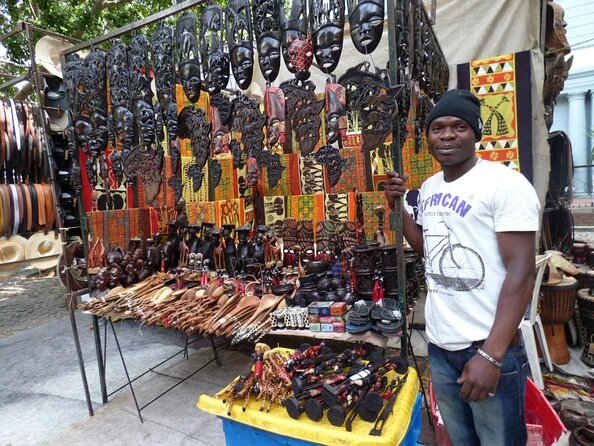
- Greenmarket Square is the West African anchor: informal traders, souvenir browsing, and a chance to pass by a Senegalese tailor for African textiles.
- Good weather helps everything run smoothly: the tour requires decent conditions to operate as planned.
Church Square start, plus the one location mistake to avoid
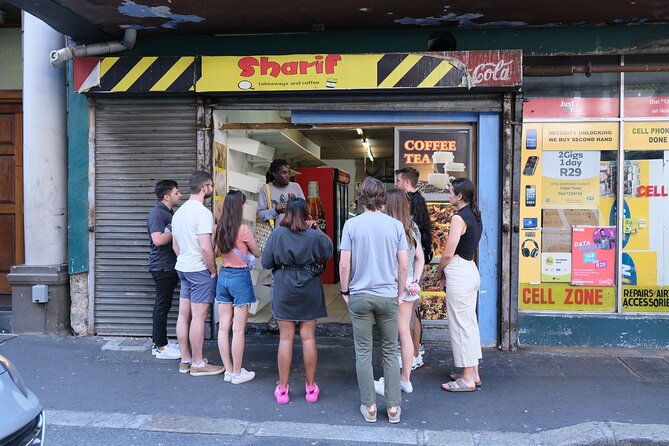
Your tour starts at Church Square, right in Cape Town’s city center. The specific meeting point is the statue of Jan Hendrik Hofmeyr, and you’ll find the group gathering directly across from McDonald’s where Parliament and Spin Street meet. Do not assume all Church Squares are the same. There is another Church Square in Woodstock, so confirm you’re in the city-center area before you head over.
This start matters because it gets you oriented fast. You begin in South Africa’s second oldest public square, a place designed for people to gather and move through the city. From the first minutes, you’re not stuck in one restaurant, you’re learning how public space shapes everyday life, including how informal food trading fits into the city’s rhythm.
If you like strolling with purpose, this is your kind of start. If you hate being herded, the small group size helps. With a maximum of 10 travelers, it’s easier to keep track of your guide and actually hear the stories without yelling over the crowd.
More City Tours in Cape Town
- Cape Town Hop-On Hop-Off City Tour with Optional Cruise
★ 4.5 · 1,793 reviews - Cape Town: 12-Minute City Scenic Helicopter Tour
★ 4.8 · 853 reviews - Cape Town City Pass: Save Over 50% on 80+ Top Attractions
★ 4.5 · 348 reviews
Somali food culture: warm shared meal and spiced tea
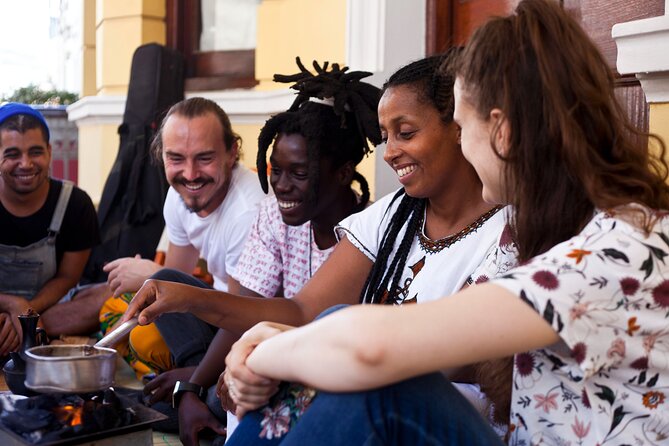
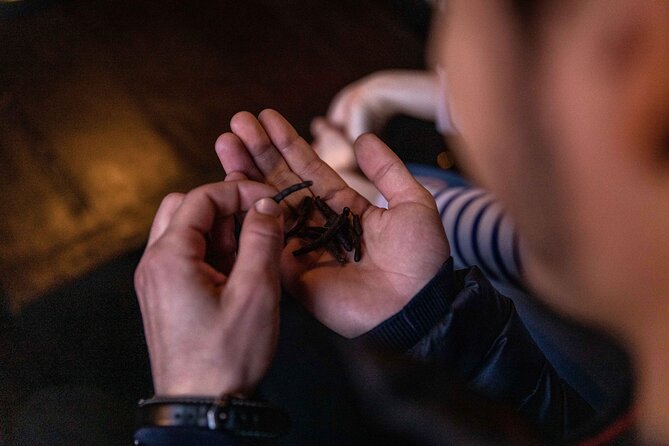
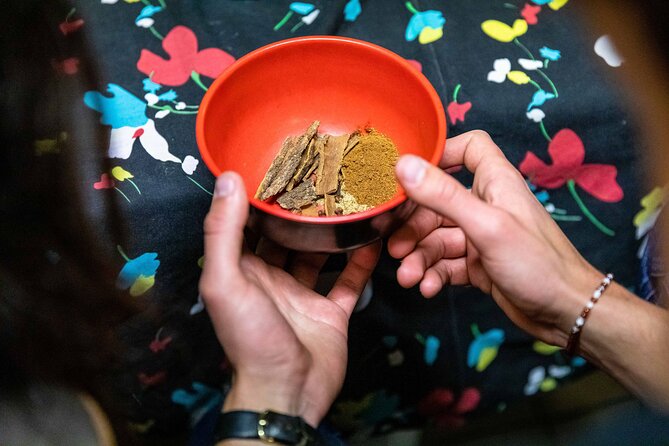
The first true food stop is in Cape Town Central with a Somali food culture focus. You’ll sit down for a shared warm East African meal, with signature Somali dishes, and you’ll also get spiced tea. The timing here is usually around 20 minutes, and it can flex depending on how curious your group gets.
What I like about this first meal is how it sets the tone. This isn’t just tasting random items. The tour frames Somali food as a distinct tradition with flavor choices you can recognize. You’re also tasting in a way that mirrors how communities share food in real life, not how a plated restaurant menu forces you to eat alone.
Practical tip: arrive hungry. Two warm shared meals are on the menu later too, so this stop is not just a sampler. If you’re the type who normally skips tea, don’t. The spiced tea is part of the point, it helps you connect taste to story.
Old Post Office and Cape Malay/Creole snack tasting
Next you head to the Golden Acre Shopping Centre, where the Old Post Office stop adds a strong dose of place-based history. You’ll explore the layers of colonial-era public space and how that shapes what people do in the area now. Then you’ll meet small food vendors and sample Cape Malay and Creole bites as part of a snack tasting.
This stop is also where the tour quietly shows you why it calls itself more than a food walk. You’re not just eating, you’re browsing and noticing. There’s time to look through second-hand books, which is one of those small details that makes the experience feel like you’re hanging out in neighborhoods instead of checking items off a list.
What to expect: snack-sized portions, plus warm and cold beverages tied to the tasting. It’s a good moment to slow down, ask questions, and figure out what flavors you want to chase later at your own pace.
Potential drawback to keep in mind: snack tastings still add up. If you’re extremely sensitive to spice or specific ingredients, it helps to ask early what’s in what you’re offered, since the tasting includes multiple bites and drinks.
Grand Parade and the Mandela Balcony, where streets meet politics
From the Old Post Office area, the tour moves to Grand Parade and the Mandela Balcony at City Hall. Grand Parade is South Africa’s oldest public square, and the story here lands in a specific historical moment. Nelson Mandela delivered his first public address after his release from prison from this very balcony, and the stop connects that moment to how the city thinks and talks today.
As you walk through the square, you’ll also hear about informal food vendors who trade here daily. That detail is key. It turns the square from a photo stop into a living space. You understand that public politics and public food are not separate worlds.
The tour time for this stop is around 15 minutes, so you get a focused snapshot. If you want more time to linger, you can always return after the tour, but don’t expect a long lecture. The guide uses short pauses and story beats to keep the whole day flowing.
One more practical point: city squares attract people and attention. If you’re camera-shy, focus on listening and take photos quickly, then keep moving.
More Food Tours in Cape Town
- Cape Town: Full-Day Winelands Tour with Wine Tastings & Food
★ 4.9 · 1,288 reviews - The Cape Town Essentials Food Tour
★ 5.0 · 385 reviews - From Cape Town: Winelands Full Day Tour and Wine Tasting
★ 4.5 · 364 reviews - Stellenbosch & Franschhoek 20 Wine Tasting + Lunch Shared Tour
★ 4.5 · 290 reviews
Adderley Street flower market stroll and vendor hellos
Next comes Adderley Street and the Flower Market. This is one of the oldest open-air markets in South Africa. The tour also frames it as the oldest flower market in Southern Africa.
Here, the point is everyday continuity. You’ll greet vendors, watch what’s being traded, and get a sense of market energy that is separate from the tourist core. The time is short, about 15 minutes, but it’s long enough to say hello, ask what you’re looking at, and learn how this market fits into the city’s broader food and commerce habits.
If you like small sensory moments, pay attention to the colors and scents. Even if flowers are not your thing, the market gives you a reset between food experiences, and it keeps the tour from feeling like a strict line of meals.
Greenmarket Square, West African community, and fabrics if you want them
Greenmarket Square is the big heart of this walk. It is Cape Town’s third oldest public square, and it functions as a lively hub for informal African traders and entrepreneurs. This is where you see the city’s pan-African connections in a very practical way: you can browse, chat, and watch how trade works on the street.
The tour also brings in West African community more directly here. If you’re interested in fabrics, you’ll pass by a favorite Senegalese tailor known for African textiles. You are not required to buy anything, but it’s a strong chance to spot the kind of clothing and craft traditions that show up across the continent.
The tour ends at Greenmarket Square. That makes the last stop feel useful because you finish where you can keep exploring without needing a new plan. The practical catch is transport. The tour note suggests using Uber because parking is limited in the city center, so have a simple exit plan ready if you came from outside the center.
West African warm meal from Mali, plus a shared focus on connection
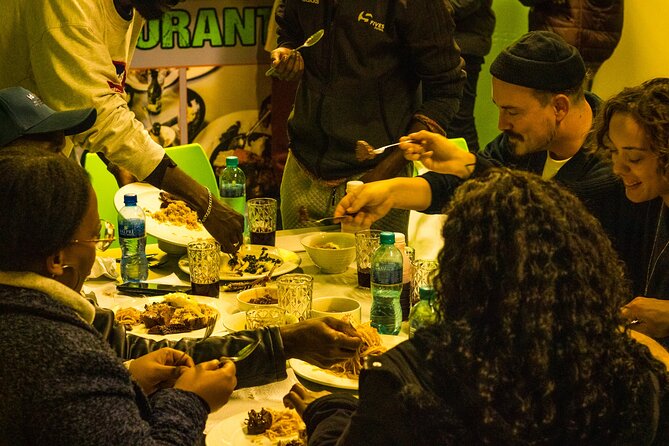
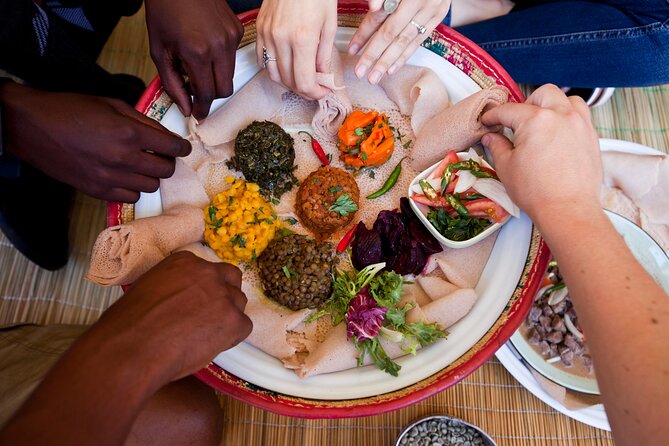
After the market time, the tour brings you back to food with an introduction to West African cuisine and a second warm shared meal. This meal focuses on West African flavors, specifically from Mali, and the tour connects the idea that African cuisine has a way of uniting people.
The timing for this stop is about 30 minutes, which is the longest food block on the tour. That extra time helps you eat without rushing and lets the guide explain more about how tastes travel through communities and borders.
How this feels on the ground: you get a more complete meal experience than snack-only stops. If you’re worried about being too full later, this is where you settle in and eat slowly.
Also, since the group is capped at 10 people, it’s usually easier to learn what you’re eating while you’re eating it, rather than getting stuck with a one-size-fits-all script.
Methodist Mission pause for tea or coffee and a community story
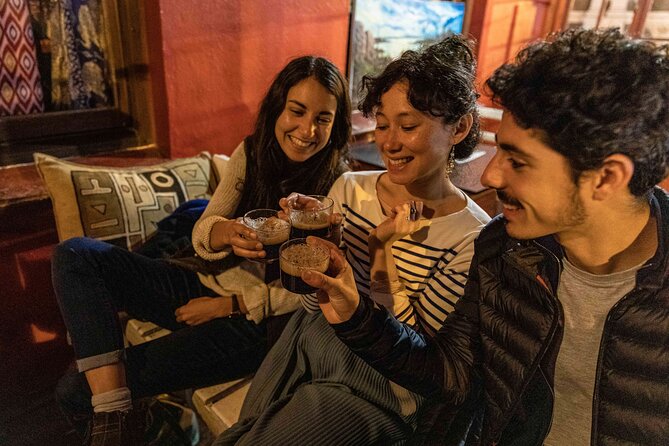
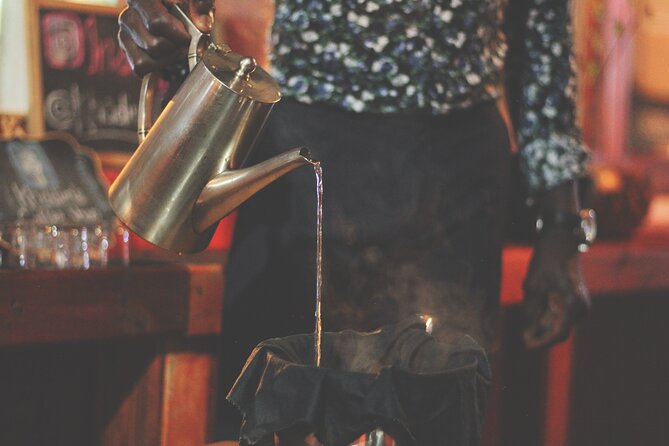
The last stop is the Methodist Mission, a welcoming space where people gather daily. This place connects to community activism and social justice history, and it’s described as a beating heart of Cape Town’s inner city. The tour pauses here for tea or coffee along with a treat.
This stop works because it widens the lens one last time. You started with food and public squares, you moved through colonial layers and markets, then you land at a community space where social change is part of everyday life. You get a slower moment before the walk finishes on Greenmarket Square.
Timing is about 20 minutes. It’s not a long service, it’s a pause. If you’re someone who gets restless on tours, this is a nice break from walking.
Price and value: what $92.02 buys you in real terms
At $92.02 per person, this is not a cheap snack tour. But it also isn’t just a guided eating list. You’re paying for a short, organized walk through Cape Town’s inner core, with eight stops, a mix of public squares and food businesses, and two warm shared meals plus a snack tasting with both warm and cold beverages.
For value, look at what you receive:
- Food quantity and variety: Somali dishes, Cape Malay or Creole bites, plus West African cuisine from Mali, and drinks paired throughout.
- Time and access: you are walked to places you might not find on your own, especially vendors and small community kitchens in central neighborhoods.
- Context: gentrification and entrepreneurship are woven into what you’re seeing, not tacked on at the end.
- Small group experience: max 10 travelers gives you more chance to interact.
One balanced way to think about it: this tour replaces at least one normal meal out, and often you will not want a full dinner after it. The value is strongest if you like learning while you eat and if you enjoy street-level city details, not just restaurant dining.
Best for who?
This tour fits you best if you:
- want a Cape Town city-center food tour that goes beyond restaurants
- enjoy history tied to streets and public squares
- like eating with others and asking questions
- are comfortable with moderate walking for a couple of hours
It may be less ideal if you:
- need a fully sit-down experience with no walking between stops
- struggle with crowded city areas, even briefly
- only want long lectures or, conversely, only want food with zero historical context
Also, if you are picky, don’t automatically skip. The tour structure is built on multiple tastes across cultures, so you usually get enough choice in how you approach each bite. Just tell your guide early about any preferences or food constraints, and they can help you navigate the tastings.
Should you book African Food and Storytelling in Cape Town?
I’d book it if you want a short, well-paced way to understand Cape Town through food, public space, and the people behind small businesses. The mix of Somali food, Cape Malay/Creole snack culture, and West African flavors from Mali gives you a clear “taste of regions” payoff, while the city-square stops keep it from becoming a generic food crawl.
Do book early in your trip if you want your favorites to guide where you go next, because the tour can give you enough confidence to return to a couple of spots afterward on your own schedule. And if you’re the type who likes meeting shop owners and traders rather than only taking photos, this one is built for you.
If the weather is poor or you are short on time, consider timing it for a day when you can walk and linger a bit. Otherwise, you might end up rushing the very moments that make the stories and food stick.
FAQ
How long is the African Food and Storytelling Tour in Cape Town?
The tour runs about 2 to 3 hours.
Where does the tour start and where does it end?
It starts at Church Square in Cape Town’s city center, at the statue of Jan Hendrik Hofmeyr across from McDonald’s. It ends on foot at Greenmarket Square.
How many stops and how much food is included?
The tour has eight stops. There are 3 food experiences: two warm shared meals and one snack tasting with warm and cold beverages.
What kinds of food do you eat on the tour?
You’ll try Somali food traditions during the first shared warm meal, Cape Malay or Creole snacks during the Old Post Office tasting, and West African cuisine from Mali during the second warm shared meal. You’ll also have spiced tea and tea or coffee at different points on the route.
Is the tour mostly walking?
Yes. It’s a walking tour with stops around Cape Town’s city center, and it’s described as being suitable for travelers with moderate physical fitness.
What is the group size?
The tour has a maximum of 10 travelers.
What happens if the tour can’t run due to weather or not enough travelers?
If it’s canceled due to poor weather, you’ll be offered a different date or a full refund. If it’s canceled because the minimum number of travelers isn’t met, you’ll be offered a different date or a full refund.
Newest around Cape Town
- Private E-Bike Cape Town MTB Trails with a Pro★ 5.0 · 3 reviews
- Taste of Cape Town – food and city tour★ 5.0 · 46 reviews
- Skip the Line: District Six Museum Admission Ticket★ 4.0 · 6 reviews
- E-Bike Cape Peninsula tour★ 5.0 · 7 reviews
- 1-3 Passenger Private Arrival & Departure Cape Town – Airport Transfers★ 4.5 · 17 reviews
- Private Cycling Tour of Constantia Winelands★ 4.5 · 10 reviews
- Private Tour To Stellenbosch Franschoek Wineries from Cape Town Price Per Group★ 5.0 · 4 reviews
- Catamaran Cruise and Sushi Experience in Cape Town★ 4.0 · 6 reviews
Food & Drink, compared.

Full-Day Winelands Tour with Wine Tastings & Food
Read our review →
Hartbeespoort: 2-Hour Dam Cruise with South African Food
Read our review →


Stellenbosch & Franschhoek 20 Wine Tasting + Lunch Shared Tour
Read our review →

Browse the lists this tour appears in