
Reviewed · CAPE WINELANDS TOURS
Bonnievale : Captivated By Chardonnay
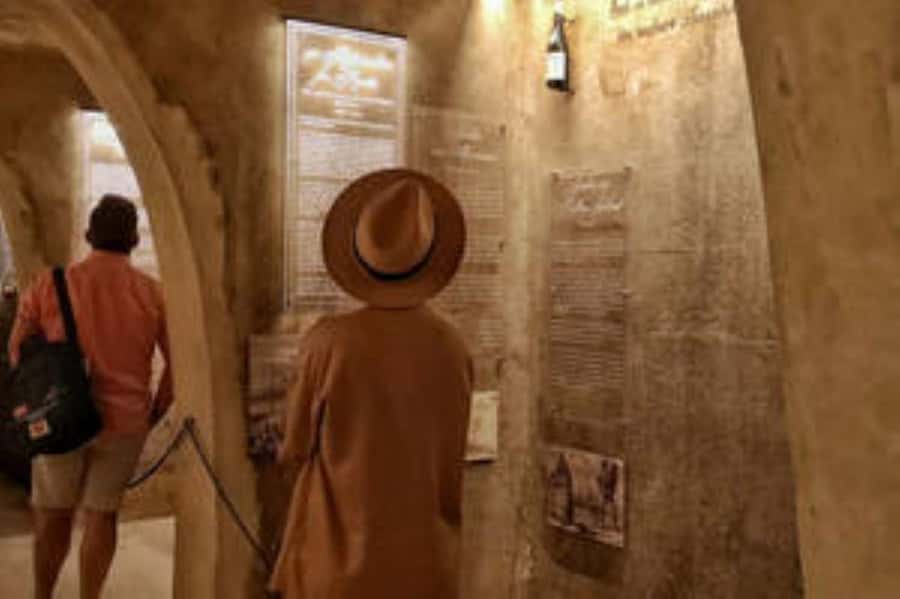
Three Chardonnays, under Weltevrede’s tunnels. This tour at Bonnievale pairs underground cellar tanks with a clear story of how Chardonnay traveled into the Robertson Valley. I love two things: the tasting sequence built around specific terroir samples, and the calm, thoughtful way the guide connects what you smell and sip to where it comes from. The main drawback is that it’s not for kids under 18, and the dim, enclosed setting may feel claustrophobic if you dislike confined spaces.
You’ll meet at 13h45 and then run through a tight, well-timed program until 16h00. I like the pacing because you get learning that actually changes how you taste, and the finale pairs Poet’s Prayer Chardonnay with a poetry reading by Philip Jonker (Philip Jonker).
In This Review
- Key things I’d circle before you go
- Underground Tasting at Weltevrede: Why This Setting Matters
- Your 14:00 Start to 16:00 Finish: What Happens When
- The “Where Chardonnay Came From” Lesson: Global Roots, Local Result
- Winemaker Philosophy and the Hand of the Artisan
- Calcrete Tasting at 14h30: Learning Terroir Through a Soil Sample
- Place of Rocks Tasting at 15h00: The Terroir “Museum” Effect
- The Deep Underground History Stop: Wine Reaches Back a Long Way
- Poet’s Prayer at 15h40: Final Tasting with a Poem
- Price and Value: Is $15 Worth It?
- Who This Tour Fits Best
- Practical Tips So You Enjoy Every Stop
- Should You Book Captivated by Chardonnay?
- FAQ
- Where is Captivated by Chardonnay located?
- How much does the tour cost?
- How long is the experience?
- What language is the live tour guide?
- What time should I arrive?
- What tastings are included?
- Is smoking allowed?
- Is it suitable for children?
- What is the cancellation policy?
Key things I’d circle before you go
- Three Chardonnay pours tied to three distinct terroir stops
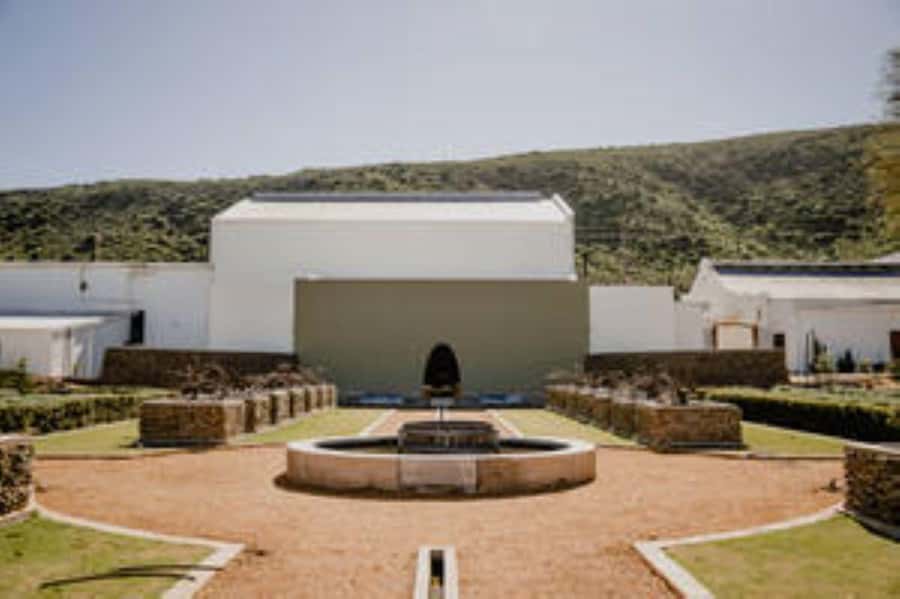
- Underground tunnel setting that makes the tasting feel more serious and more fun
- Robertson Valley context on how Chardonnay arrived and took root
- Calcrete and Place of Rocks tastings that teach geology by doing
- A poetry finale with Poet’s Prayer Chardonnay and a reading by Philip Jonker
Underground Tasting at Weltevrede: Why This Setting Matters
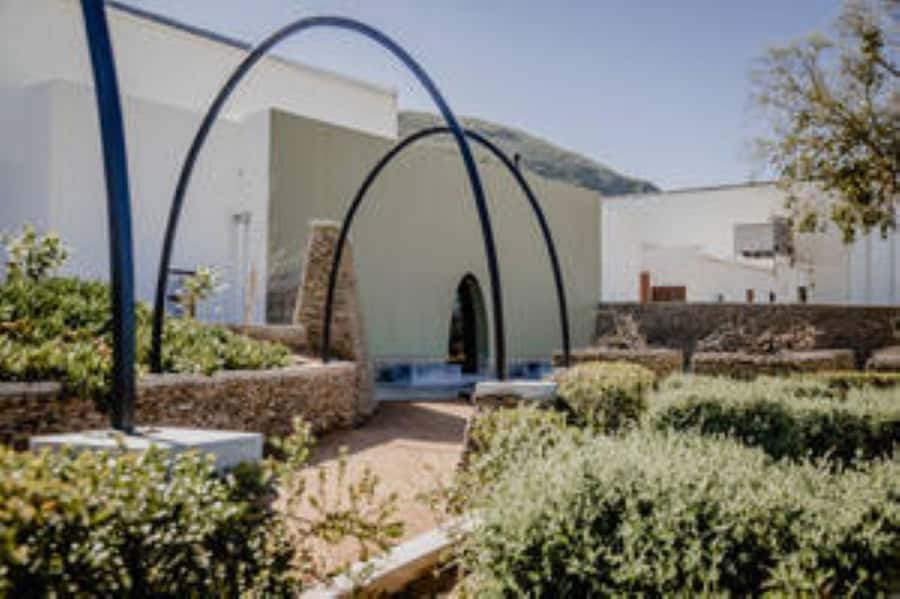
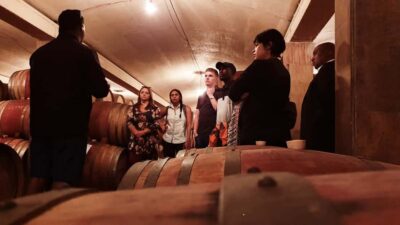
This experience happens where wine is literally stored, in underground tunnels at Weltevrede Wine Estate. That detail is not just atmospheric. It helps you slow down. In a dim room with stone around you, you pay closer attention to aromas, acidity, texture, and balance because the setting nudges you into a tasting mindset.
I also like how the tour frames Chardonnay as a cultivar with a story, not just a style. You start with where Chardonnay is produced around the world and how it spread to the Robertson Valley. That gives you mental hooks before the wine hits the glass.
The third ingredient is the “learning by tasting” approach. You’re not handed facts and sent away. You move from one themed stop to the next, and each one is designed to change how you taste the next Chardonnay.
If you’re the type who enjoys a wine tour but gets bored by empty “this is nice” commentary, this format tends to work well. You’ll get enough structure to make your palate feel more tuned in, not just entertained.
A few more Cape Winelands trips worth comparing
- Stellenbosch: Guided Historical Walking Tour
★ 4.7 · 283 reviews - Stellenbosch: Historical Bike Tour & Wine Tasting
★ 4.9 · 248 reviews - Full Day Afrivista Wine Tours from Stellenbosch
★ 5.0 · 238 reviews
Your 14:00 Start to 16:00 Finish: What Happens When
Timing here is part of the experience. You arrive at 13h45, then the program moves in a clear sequence.
Here’s the flow you can expect:
You’ll meet your group from 13h45, followed by a briefing at 14h00. At 14h10, there’s an audiovisual presentation that sets up the big picture before you taste anything. Then the first tasting is scheduled for 14h30.
From there, you have three main tasting moments spaced through the middle of the tour:
- 14h30 tasting of Calcrete
- 15h00 tasting of Place of Rocks
- 15h40 tasting of Poet’s Prayer Chardonnay
The tour ends at 16h00.
One reason this works for value is that you don’t burn time waiting. The tunnel time is intentional, and the tastings land at specific points rather than all at once.
Practical note: since it’s a timed tour in a cellar environment, plan to be prompt. Showing up late usually doesn’t help your tasting experience, and it can put you behind the group.
The “Where Chardonnay Came From” Lesson: Global Roots, Local Result
Before you go deeper into the tunnels, you get the broader context. The tour starts by explaining where Chardonnay is produced around the world and how it spread to the Robertson Valley.
That matters because Chardonnay can taste very different depending on climate, soils, and winemaking choices. If you already know this, you’ll still appreciate the way they connect the dots. If you’re new to Chardonnay, it gives you a simple starting map: geography first, then style.
This early part also sets up what comes next. You’re not just tasting wine. You’re training your brain to ask the right question with each pour: what am I tasting that reflects place, and what might reflect the winemaker’s choices?
Winemaker Philosophy and the Hand of the Artisan
Mid-tour, the focus shifts to the winemaker’s philosophy. You’ll hear how the tour approaches the artisan side of Chardonnay, including why the pursuit is described as an elegant, unpretentious style.
I like this chunk because it gives you a lens for what you might notice in the glass. Even without getting technical, you can use the idea of “elegant and unpretentious” as a palate check:
- Does the wine feel polished rather than heavy?
- Does it stay refined instead of shouting?
- Does it keep an easy balance between fruit, acidity, and texture?
This section also helps you avoid one common mistake on wine tours, where people only focus on sweetness or oak. By giving you language for style, the guide makes your tasting more specific.
Same province, a very different day:
- From Stellenbosch: Hop-On Hop-Off Wine Tour Southern Route
★ 4.7 · 105 reviews - Franschhoek: E-Bike Guided Winery Tour
★ 4.6 · 96 reviews - Stellenbosch: Wine Farm E-Bike Guided Tour
★ 4.6 · 88 reviews - Walking Tour of Stellenbosch
★ 5.0 · 81 reviews
Calcrete Tasting at 14h30: Learning Terroir Through a Soil Sample
At 14h30, you start with a tasting connected to Calcrete. Even if you’ve never heard the term before, the tour presents it in a way that turns geology into something you can taste.
Calcrete is tied to the soil and mineral character of the area. The point of this stop is not that you’re going to become a geologist in an hour. It’s that you’ll understand why the winemaker is working with certain conditions, not random ones.
What I’d watch for in your glass:
- How the wine feels in your mouth
- How the finish lingers
- Whether the acidity seems crisp, soft, or somewhere in between
A good terroir lesson makes you taste smarter, not just name-drop harder. Calcrete is one of those stops that helps you do that.
Place of Rocks Tasting at 15h00: The Terroir “Museum” Effect
At 15h00, you move to the tasting tied to Place of Rocks. This is where the tour leans hard into presentation. The terroir is shown with museum-like setups so you can see and understand what you’re working with, then connect it to the next Chardonnay.
Again, the value here is practical. When you taste the second wine, your senses are already warmed up. You’re also already thinking about place, which makes the comparison easier.
A simple way to approach this stop is to taste for contrast:
- If Calcrete felt one way, does Place of Rocks feel different in structure?
- Does one wine feel more linear and the other more rounded?
- Are you noticing changes in weight, texture, or the way fruit shows up?
By the time you reach this mid-point, you’re not guessing anymore. You’re comparing with intention.
The Deep Underground History Stop: Wine Reaches Back a Long Way
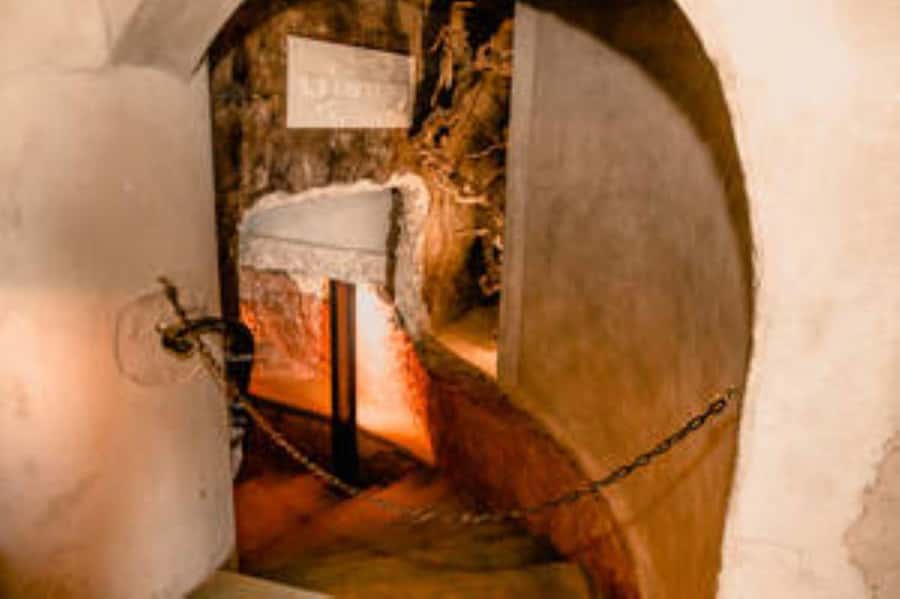
As you move to the deepest part of the underground tour, the tone shifts again. You’ll look at the history of wine dating back to 500 years B.C.
This is not “ancient wine bragging.” It’s a reminder that wine culture is old and human. Put that story in a tunnel, and it makes the whole tasting feel more grounded. You’re reminded that wine traditions traveled, adapted, and kept evolving, just like the Chardonnay story you heard earlier.
If you like history but hate trivia dumps, this portion tends to work because it’s brief, thematic, and tied back to what you’re drinking.
Poet’s Prayer at 15h40: Final Tasting with a Poem
At 15h40, the tour culminates with a poetry reading written by Philip Jonker, while you sip the exclusive Poet’s Prayer Chardonnay.
This is a fun twist, but it also has purpose. Wine tasting can feel purely sensory. Adding poetry nudges you toward interpretation. You might notice how the wine’s aromas and flavors “fit” the mood of the words, or how your attention shifts from taste alone to the full experience.
A practical tip for the finale: take a slow sip first, then listen to the reading while you sip again. If you do it this way, you’ll actually remember the wine, not just the idea that there was poetry.
Price and Value: Is $15 Worth It?
At about $15 per person, this tour can be excellent value if your goal is focused tasting plus meaningful context. You’re not just paying for three Chardonnays in a glass. You’re also paying for:
- Terroir tastings tied to Calcrete and Place of Rocks
- A structured education flow, including geography and winemaker philosophy
- An ending that includes Poet’s Prayer Chardonnay plus a poem by Philip Jonker
- The underground setting, which changes how you experience the wines
The only reason it might not be a slam dunk for you is if you want a longer, purely social tasting with lots of free-form time. This is more guided, more scheduled, and more education-forward than a casual wine stop.
Also, remember it’s described as not suitable for children under 18. If you’re traveling as a family with teens, you’ll need to plan around that.
Who This Tour Fits Best
I think this tour suits you if you want more than a simple drink-and-wander experience. It’s a strong match for:
- Chardonnay fans who want to compare styles using terroir as the framework
- Wine-curious travelers who learn best through doing, not just listening
- People who like story-driven tours with a clear beginning, middle, and finish
It might feel less right for you if you:
- Dislike enclosed spaces and dim environments
- Want a flexible itinerary with lots of stopping for photos at your own pace
- Are traveling with kids under 18
Practical Tips So You Enjoy Every Stop
A few small things can make a big difference in a tunnel tour.
- Wear comfortable shoes. You’ll be moving through parts of the underground space.
- Expect lower light. If you’re sensitive to dark rooms, give your eyes a minute.
- Take notes on what changes between Calcrete and Place of Rocks. It’s the comparison moment that helps you remember the wines.
- If you’re driving later, treat the tastings seriously. Even if amounts are moderate, plan accordingly.
And one booking tip from a common sense standpoint: arrive on time. The program begins with a 14h00 briefing after your 13h45 arrival, and that structure keeps the experience smooth.
Should You Book Captivated by Chardonnay?
Yes, if you want a focused tasting that teaches you how Chardonnay changes with place, and you like the idea of finishing with a creative finale using Poet’s Prayer Chardonnay and a poem by Philip Jonker. The value is strongest when you’re actively interested in terroir and winemaking philosophy, not just sampling wine.
No, if the underground setting feels like it would stress you out, or if you’re traveling with anyone under 18. Also skip it if you’re hoping for an open-ended, slow wine lounge day.
If you’re on the fence, think of it this way: you’re paying for an organized, educational tasting experience in a rare setting, with three Chardonnays and three terroir-focused stops. That’s a clear plan, and clear plans usually lead to a memorable tour.
FAQ
Where is Captivated by Chardonnay located?
It takes place at Weltevrede Wine Estate in the Western Cape, South Africa, in the Robertson Valley area.
How much does the tour cost?
The price is listed as $15 per person.
How long is the experience?
The duration is about 2 hours.
What language is the live tour guide?
The live tour guide is available in English.
What time should I arrive?
You should arrive at 13h45, with a host meeting the group from 13h45.
What tastings are included?
The tour includes wine tasting, including Calcrete at 14h30, Place of Rocks at 15h00, and Poet’s Prayer Chardonnay at 15h40.
Is smoking allowed?
No, smoking is not allowed.
Is it suitable for children?
No, it is not suitable for children under 18.
What is the cancellation policy?
Free cancellation is available up to 24 hours in advance for a full refund.
Newest around Cape Winelands
- Tour the Winelands: Stellenbosch to Franschhoek★ 4.3 · 3 reviews
- Table Mountain and Stellenbosch Wine tasting tour★ 5.0 · 4 reviews
- E-Bike Stellenbosch Winelands – Full Day Private Tour★ 5.0 · 6 reviews
- Stellenbosh,Franshoek ,Paarl Region (20 wine tastings)★ 4.7 · 11 reviews
- Stellenbosch: Hop-On Hop-Off Northern Route Wine Tour★ 4.6 · 49 reviews
- Stellenbosch Winelands downhill gravity Scooter★ 3.1 · 4 reviews
- Stellenbosch wine tour, all inclusive of lunch and tastings.★ 5.0 · 32 reviews
- Stellenbosch: Stellenbosch E-Bike & Wine Tour (Shared Tour)★ 5.0 · 9 reviews
Cape Winelands Tours, compared.
Full Day Afrivista Wine Tours from Stellenbosch
Read our review →

Half-Day Small Group Cooking Experience in Franschhoek
Read our review →Browse the lists this tour appears in