
Reviewed · CYCLING TOURS
Cape Town: Cultural Cycling Tour
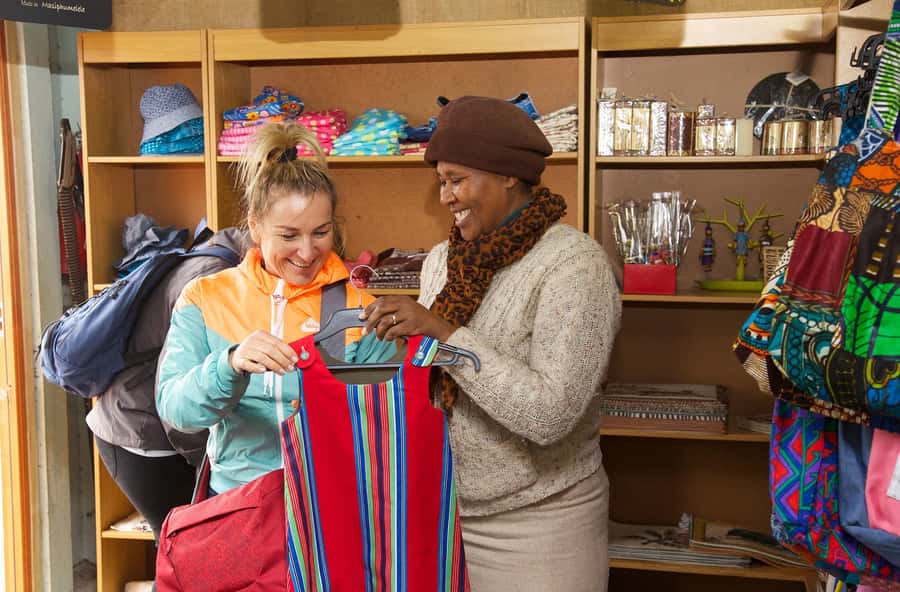
You can feel the heartbeat of Cape Town in motion. This 4-hour cultural cycling tour in Masiphumelele puts you face-to-face with local life from the seat of an included old Dutch bicycle.
I especially like how the tour is guided by locals, with Xhosa customs woven into the route, not tacked on at the end. You also get to see the community up close, including visits tied to education and youth cycling training.
One consideration: this is not a sit-and-watch experience. If you have mobility limitations or use a wheelchair, the tour is not suitable, and you’ll want comfortable shoes and a flexible mindset for a real, sometimes heavy, reality.
In This Review
- Key highlights you should care about
- Pedal Into Masiphumelele, Not Past It
- Starting at Masicorp and the Songezo Youth Cycling Pipeline
- The Included Old Dutch Bicycle: Simple, Stable, and Intentionally Practical
- Your Local Xhosa Guide, and Why the Route Feels Personal
- Sangoma Visit and Dance: Culture You Participate In
- Crèche Stops During School Time, Plus Sunday Gospel Opportunities
- African Lunch: Restaurant or Home Cooking, With Tea
- What Your Money Supports: Masicorp and Education in Action
- Price and Time: How $106 Maps to a Meaningful 4 Hours
- Who Should Book, and Who Might Want Another Option
- Should You Book the Cape Town Cultural Cycling Tour?
- FAQ
- Where does the Cape Town Bicycle Township Tour start?
- How long is the tour?
- What is the price per person?
- What’s included in the tour?
- Is transportation included?
- What language is the tour guide?
- What should I bring and avoid?
- When do you visit a crèche?
- Is the tour suitable for wheelchair users or people with mobility impairments?
- Can I cancel for a full refund?
Key highlights you should care about
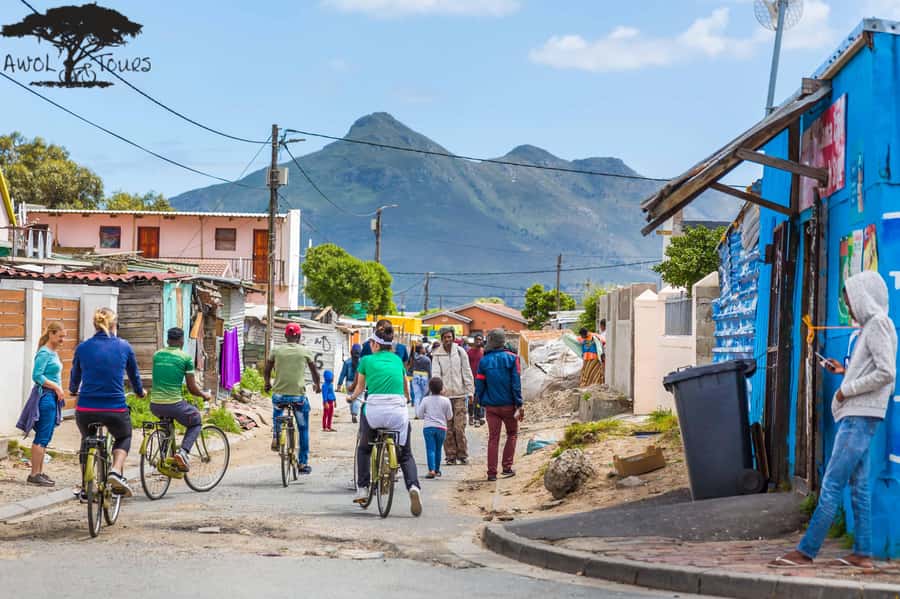
- Bike-led community access: you move through Masiphumelele with an on-the-ground guide, not from a distance
- Sangoma visit and dancing: a chance to meet traditional healers and take part in a cultural moment
- Lunch with local hospitality: African food at a restaurant or in a home, plus authentic tea
- School-time stops: a crèche visit (when school is in session) with funds directed toward better facilities
- Support built in: part of your money supports Masicorp and the Songezo youth cycling effort
- Small groups (up to 8): more questions, fewer bottlenecks, and a calmer pace
Pedal Into Masiphumelele, Not Past It
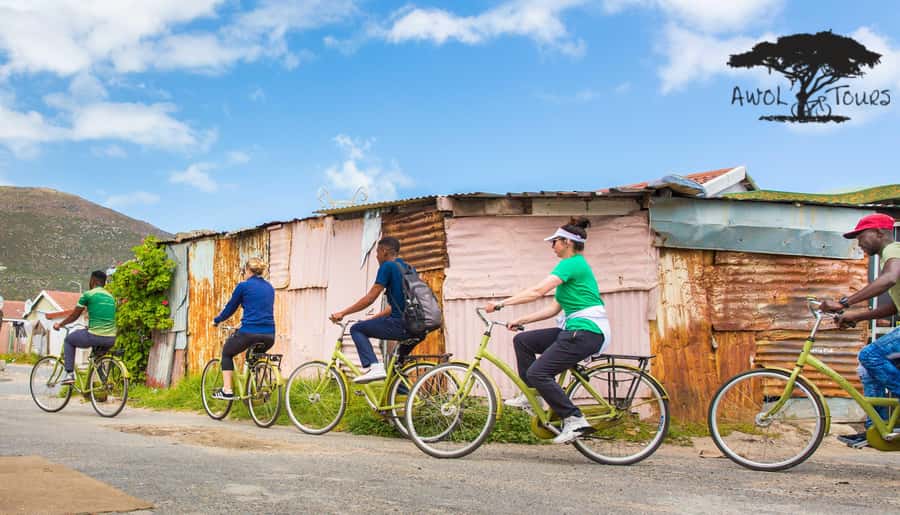
Masiphumelele is one of those places where you can tell the difference between seeing and learning. The bicycle setup matters. When you ride through a neighborhood, you slow down just enough to notice details you would miss in a car, and you naturally keep conversation going as you pass homes, local businesses, and community spaces.
What makes this tour especially compelling is the human focus. You’re not just collecting photos. You’re meeting people, hearing stories, and getting explanations about local Xhosa customs. That changes the whole feel of a township visit, because the guide becomes your translator for culture, routines, and values.
You should also know this tour can tug at emotions. The contrasts between privilege and daily life can feel uncomfortable, but that discomfort can be productive if you come ready to listen. The tone stays grounded and real, with hope showing up in what people are building for their kids.
More Bike Tours in Cape Town
- Cape Town: Atlantis Dunes Quad Bike and Photo Stop
★ 4.4 · 497 reviews - Quad biking Atlantis Dunes Cape Town & Photo Shoot
★ 4.0 · 393 reviews - Cape Town: Atlantis Dunes Quad Bike Tour and Photo Session
★ 4.5 · 322 reviews
Starting at Masicorp and the Songezo Youth Cycling Pipeline
Your tour begins at Masicorp Chasmay Road Campus, at the Masicorp head office area. The first scene is a workshop connected to the SongezoYouth Cycling academy, where you might spot young cyclists training.
This is where the support story becomes practical, not abstract. The tour connects to Songezo cycling training and Masicorp’s community work, and the bike isn’t just a transport gimmick. It’s part of the youth program’s identity and motivation. Songezo Jim is highlighted as South Africa’s first Black South African cyclist, now inspiring other youth to get into the sport. Even if you only have a short visit, you can feel how that inspiration turns into training on the ground.
You’ll also benefit from arriving ready to ask questions early. A good guide helps you understand what you’re seeing before the route gets busy.
The Included Old Dutch Bicycle: Simple, Stable, and Intentionally Practical
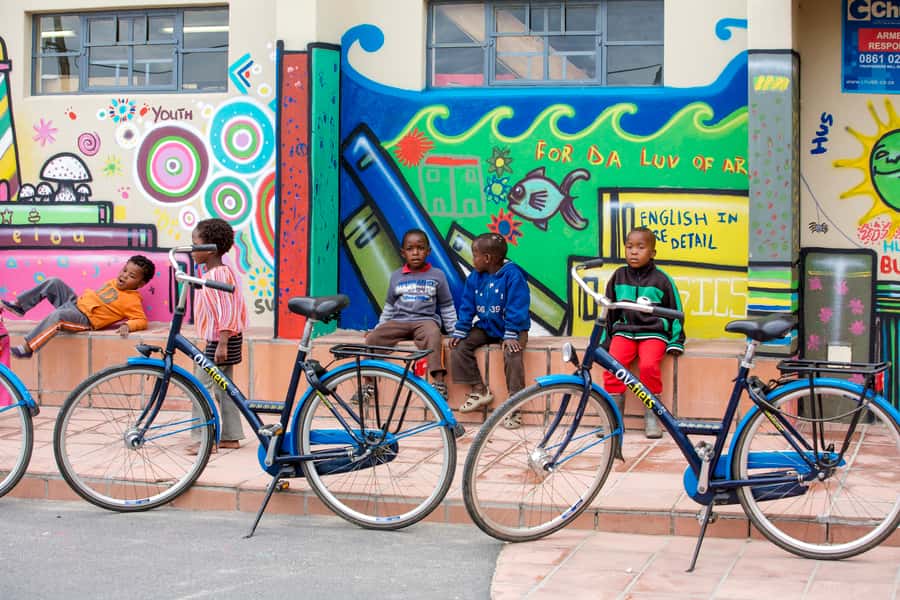
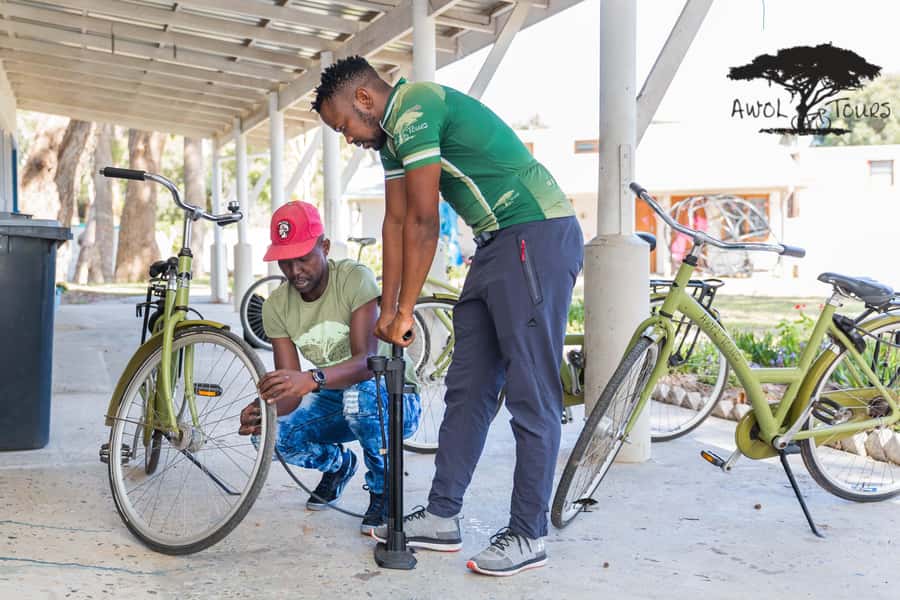
The tour includes an old fashioned Dutch bicycle, which is a great detail for anyone worried about comfort. A Dutch-style bike is typically built for stability and an easy ride position, and that matters when you’re traveling through a lived-in neighborhood.
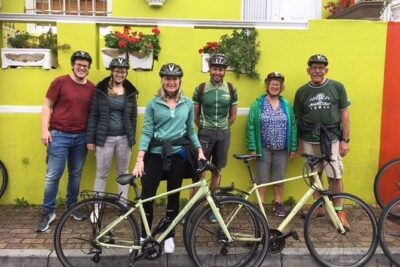
Because the group is limited to 8 participants, the pace stays more manageable. Fewer riders means your guide can watch the group, explain what’s coming next, and adapt if someone needs a slower moment. It also makes it easier to hear the Xhosa customs explanations as you go, rather than just catching them after everyone has moved ahead.
Practical tip for you: bring comfortable shoes, and skip anything that might get slippery or restrict your feet. Also keep your outfit in mind. High-heeled shoes and jewelry are not allowed on the tour, and food isn’t allowed to be brought along. Pack light, move comfortably, and you’ll have a much better time.
Your Local Xhosa Guide, and Why the Route Feels Personal
The core of this tour is the local Xhosa guide, who takes you around the township and explains customs along the way. This is not a script-only experience. A strong guide builds connection by answering questions and shaping your understanding in real time.
One name that stands out in the tour’s guide reputation is Lutho, praised for being a magnificent guide. That matters because a township tour lives or dies on interpretation. When the guide is clear and responsive, you’re not left guessing what you’re looking at or why a place matters.
On the route, you’ll visit community spaces such as a local library, and you’ll also see entrepreneurs and small businesses. These stops are valuable because they show you the economy of the neighborhood in a direct way. You’re not only looking at housing. You’re seeing work, learning, and everyday problem-solving.
The guide also adds context that helps you read what you’re seeing without turning it into a spectacle. That’s the goal: you leave understanding people’s lives, not just collecting a few interesting sights.
Same province, a very different day:
- Wine Tour: Paarl, Franschhoek & Stellenbosch incl 3 wineries
★ 5.0 · 3,940 reviews - Cape Town: Hop-On Hop-Off Bus Tour with Optional Cruise
★ 4.8 · 3,929 reviews - Cape Town: Cape of Good Hope & Penguins Day Tour with Pickup
★ 4.7 · 3,362 reviews - Zipline Cape Town – From Foot of Table Mountain Reserve
★ 5.0 · 3,179 reviews
Sangoma Visit and Dance: Culture You Participate In
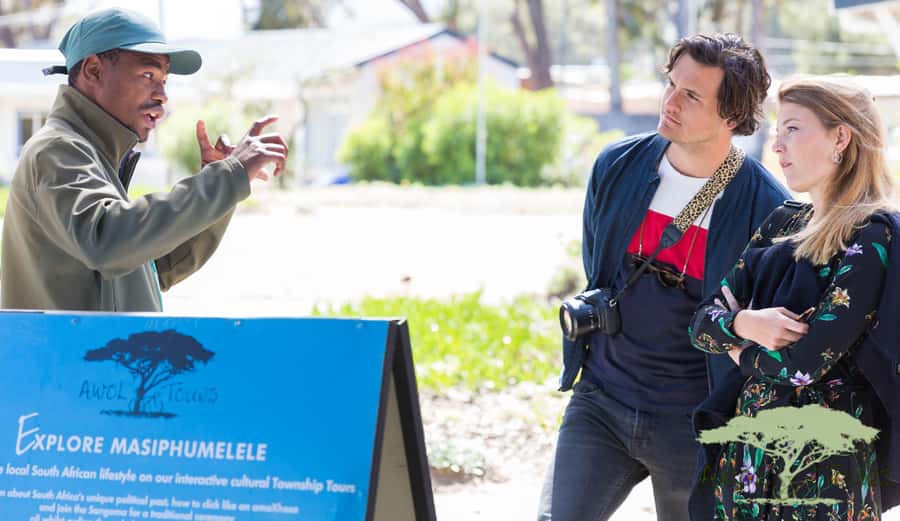
A standout element is the visit connected to the Sangoma, traditional healers. You don’t just observe from the sidelines. You dance with the Sangoma as part of the experience.
This can be the most memorable moment of the tour because it breaks the usual tourist pattern. Instead of being a watcher, you become a participant in a cultural practice. It’s also a reminder that in many communities, health, spirituality, and community life overlap more than they do in many Western settings.
If you feel a little shy about joining in, that’s normal. My advice is simple: loosen your body, follow the guide’s cues, and treat the moment with respect. You’re there to learn the meaning and the mood, not to perform for photos. The best attitude is playful, attentive, and honest.
Crèche Stops During School Time, Plus Sunday Gospel Opportunities
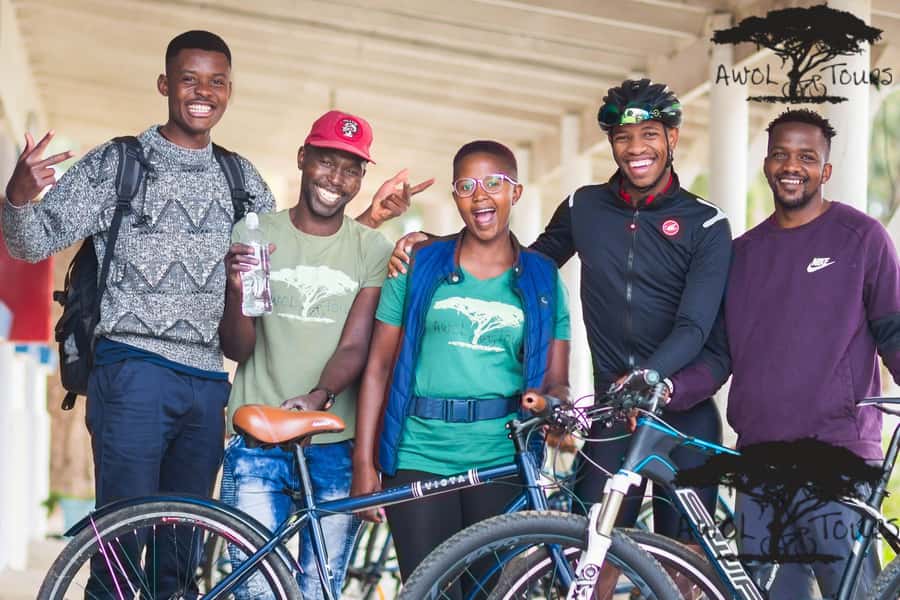
Timing changes what you’ll see. The crèche visit depends on the school calendar, since school time shapes access. The tour notes that during school time you’ll visit a local crèche where teachers work under very difficult circumstances. That stop also connects to support for better facilities.
This is one of those parts where you should be prepared. It can be emotionally intense because you’re seeing the day-to-day reality of childcare and education under pressure. Still, it’s also hopeful, because your participation is tied to improvement of the crèche environment.
On Sundays, the tour could include a visit to a local gospel church. If you’re traveling on a Sunday, this can add a completely different layer to what you experience, showing another side of community life and worship. It’s a reminder that Masiphumelele isn’t a single story. It’s faith, family, learning, and creativity all at once.
One more important guidance for you: don’t bring sweets or treats for children. The tour asks you not to offer them because the partner prefers working with registered charities. It’s a small rule, but it helps keep giving structured and appropriate.
African Lunch: Restaurant or Home Cooking, With Tea
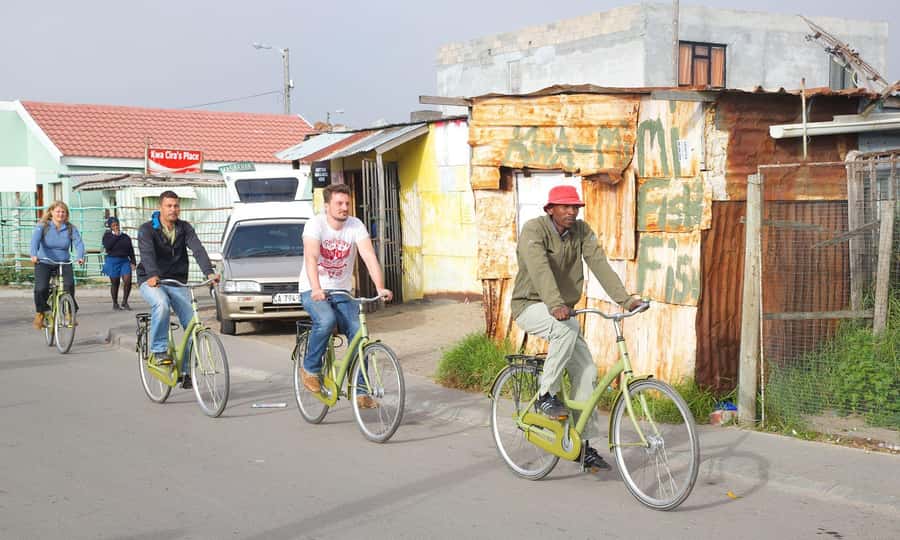
Food on this tour is not an afterthought. You’ll taste traditional African food as part of the experience, either at an African restaurant or in the home of a local lady who regularly hosts tourist groups and makes authentic African tea or lunch.
This is a smart format because it gives you options depending on the day and what’s available. Either way, you get a more personal introduction to local flavors and hospitality than you would from a standard meal stop near a tourist strip.
A practical note: since the tour doesn’t allow outside food, plan around the lunch timing. If you’re the type who needs a snack buffer, bring energy for your day through water and follow the group meal plan as scheduled.
Also, treat the meal as part of the cultural moment, not only as fuel. Eating with respect, tasting slowly, and asking simple questions about what you’re eating can turn lunch into one of the best learning segments of the whole ride.
What Your Money Supports: Masicorp and Education in Action
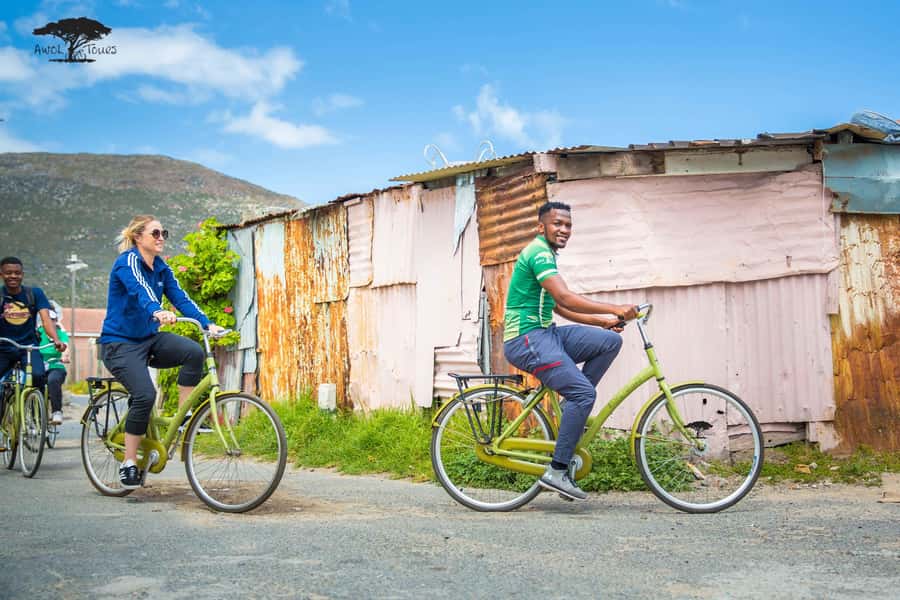
Here’s where the value gets real. The tour states that 10% of all tour proceeds go directly to Masicorp, a non-profit organization supporting education in the community. Beyond that, part of the tour proceeds go toward bettering facilities connected to the crèche visit.
So you’re not just paying for a guided ride. You’re funding education support and youth development tied to the Songezo cycling academy ecosystem. That changes the ethics of the experience. You’re participating in a system that tries to improve real conditions, not only create a short-lived interaction.
And because this support is baked into the tour, you don’t have to guess whether your money is meaningful. You can focus on being present, asking questions, and treating the people you meet as people.
Price and Time: How $106 Maps to a Meaningful 4 Hours
At $106 per person for about 4 hours, this isn’t a budget bargain tour. But I think it offers strong value if you care about cultural accuracy and community impact.
You’re paying for several things at once: a local guide, a bicycle, a Sangoma visit, an African lunch, and direct contributions to Masicorp. The small group size also matters. It’s hard to provide a personal, respectful experience with huge numbers, so capping the group at 8 helps the tour feel more like a conversation than a production.
Another value point is the structure of the stops. The tour includes library and business visits, a crèche stop during school time, and optional Sunday worship. That mix gives you a fuller picture than a single viewpoint ride.
If you’re the type who enjoys history books but also likes to understand current life, this price makes more sense. If you want a quick sightseeing loop with minimal emotional weight, this may feel like a lot for 4 hours.
Who Should Book, and Who Might Want Another Option
This is a great fit for you if you:
- like meeting local guides and hearing local explanations in English
- want an active way to see the neighborhood rather than sitting in a van
- care about education and youth cycling support, not only photo stops
- feel comfortable participating respectfully in cultural moments like dancing
It may be a frustrating match if you need wheelchair access or have significant mobility impairments. The tour is not suitable for people with mobility impairments and wheelchair users. It also isn’t meant for a slow, fully seated experience.
One more “think ahead” detail: you’ll be asked to bring comfortable shoes and avoid jewelry and high-heeled footwear. If you dress up for dinner, save the fancy pieces for later. This is a ride and walk experience with community stops, and your comfort will affect how much you enjoy it.
Should You Book the Cape Town Cultural Cycling Tour?
I’d book this tour if your goal is to understand township life through human connection, guided context, and direct community support. The combination of cycling, a local Xhosa guide, Sangoma dancing, and a lunch with real hospitality makes it more than a standard checklist tour.
You should especially consider it if you want to spend your time in Cape Town doing something active and grounded, and you’re willing to let the experience be a little uncomfortable in a useful way. The tour’s small group size helps, and the education focus through Masicorp adds substance to the visit.
Skip it if you need full accessibility accommodations or you’re looking for a light, purely scenic outing. This tour carries real life. If you come with respect, curiosity, and patience, it tends to land powerfully.
FAQ
Where does the Cape Town Bicycle Township Tour start?
The tour meets at Chasmay Road Campus, Masicorp Head office.
How long is the tour?
The tour lasts 4 hours.
What is the price per person?
The price is $106 per person.
What’s included in the tour?
The tour includes a local Xhosa guide, an old fashioned Dutch bicycle, African lunch, a Sangoma visit, and donations to the Masicorp non-profit organisation.
Is transportation included?
No. Transport is not included, but it can be arranged on request.
What language is the tour guide?
The live tour guide provides the experience in English.
What should I bring and avoid?
Bring comfortable shoes. Avoid high-heeled shoes, jewelry, and bringing food.
When do you visit a crèche?
A crèche visit happens during school time. The tour is described as closed on week-ends and school holidays, so access depends on the calendar.
Is the tour suitable for wheelchair users or people with mobility impairments?
No. It is not suitable for people with mobility impairments and not for wheelchair users.
Can I cancel for a full refund?
Yes. You can cancel up to 24 hours in advance for a full refund.
Newest around Cape Town
- Private E-Bike Cape Town MTB Trails with a Pro★ 5.0 · 3 reviews
- Taste of Cape Town – food and city tour★ 5.0 · 46 reviews
- Skip the Line: District Six Museum Admission Ticket★ 4.0 · 6 reviews
- E-Bike Cape Peninsula tour★ 5.0 · 7 reviews
- Private Cycling Tour of Constantia Winelands★ 4.5 · 10 reviews
- Private Tour To Stellenbosch Franschoek Wineries from Cape Town Price Per Group★ 5.0 · 4 reviews
- 1-3 Passenger Private Arrival & Departure Cape Town – Airport Transfers★ 4.5 · 17 reviews
- Catamaran Cruise and Sushi Experience in Cape Town★ 4.0 · 6 reviews
Cycling Tours, compared.


Quad biking Atlantis Dunes Cape Town & Photo Shoot
Read our review →
Atlantis Dunes Quad Bike Tour and Photo Session
Read our review →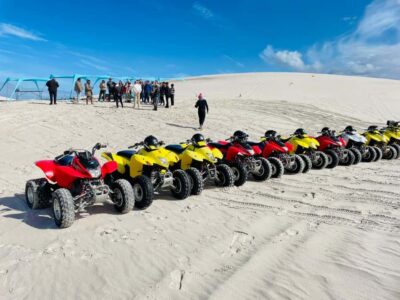
Atlantis Dunes Quad Bike & Free Sandboarding Tour
Read our review →
WILDX Atlantis QUAD BIKE ADVENTURE + PHOTO OPS CAPE TOWN
Read our review →

Browse the lists this tour appears in