
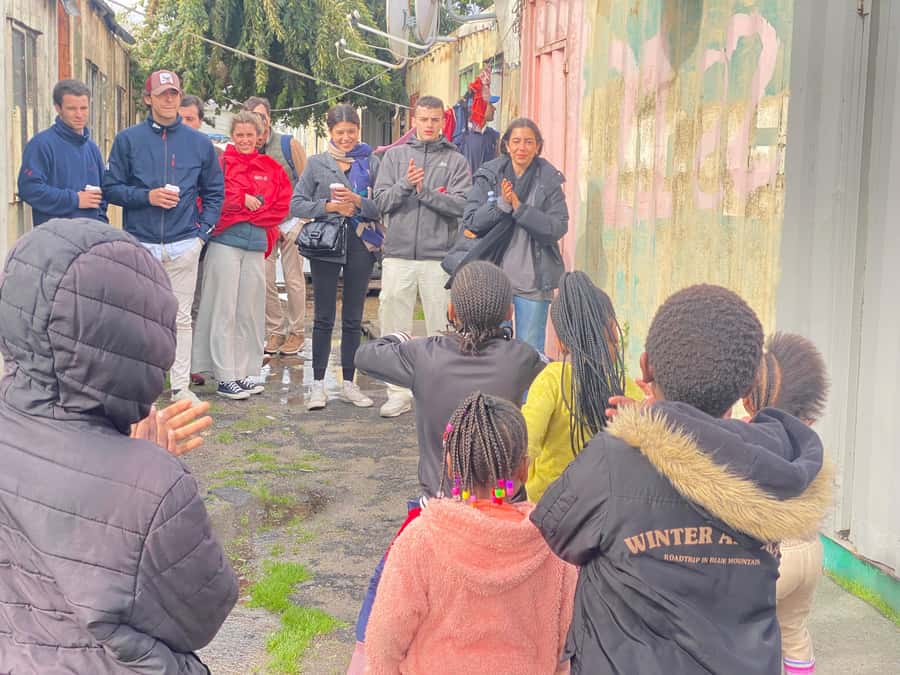
Reviewed · SOWETO & TOWNSHIP TOURS
Cape Town: Langa Township Walking Tour
Langa shows Cape Town’s other side. I love that the tours are led by guides from Langa, and I love the art and street scenes, from Guga S’thebe to the neighborhood murals. You get a Cape Town that feels like more than postcards.
One possible drawback: this is a walking tour, and it is marked not suitable for wheelchair users. If you have mobility limits, plan carefully and talk to the operator first, then wear proper, comfortable shoes.
In This Review
- Key things you’ll notice on a Langa walking tour
- Entering Langa, beyond the Cape Town postcard
- Meeting at Guga S’thebe and getting oriented fast
- The walking rhythm: 150 minutes of context, not a marathon
- Langa Heritage Museum: learning the story behind the township name
- Arts and murals: reading the neighborhood on foot
- Community projects and social enterprises you can actually picture
- Visiting community spaces: the heart of Guga S’thebe and beyond
- Traditional Xhosa dance and music: culture you can watch and ask about
- Food stop: where South African classics fit into the day
- Home visit and photo etiquette: how to be respectful
- Price and value: why $37 can be meaningful here
- Safety and comfort: how to feel at ease without being careless
- Who this tour suits best (and who should think twice)
- Should you book this Langa Township Walking Tour?
- FAQ
- How long is the Langa Township Walking Tour?
- Where does the tour start?
- Is the tour guided in English?
- What is included in the price?
- Is traditional dance part of the experience?
- Will we see street art and murals?
- Is the tour wheelchair accessible?
- Are art and crafts purchases included?
Key things you’ll notice on a Langa walking tour
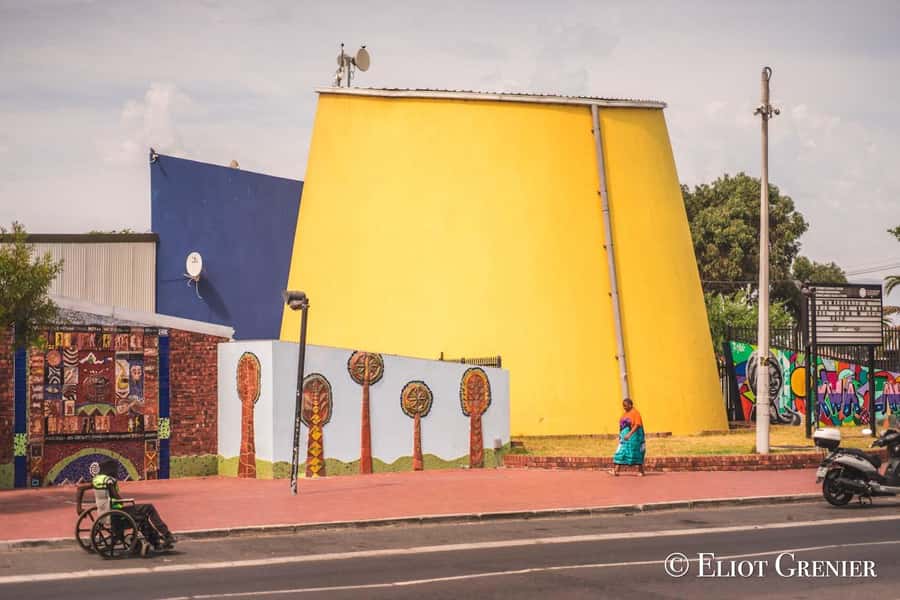
- Guga S’thebe Arts & Cultural Centre as your starting point, with a quick intro to local culture
- Langa Heritage Museum giving context for what the township was built for and how residents made it their own
- Street art and murals that turn hardship, hope, and pride into visible storytelling
- Local projects and community spaces run by residents, often focused on youth and skills
- Traditional Xhosa music and dance included as part of the visitor center program
- A stop where you can eat South African classics like bunny chow, braai, or koeksisters
Entering Langa, beyond the Cape Town postcard

Cape Town’s waterfront and winelands get all the attention, but Langa is where you see how the city functions at human scale. This tour is built around real neighborhood life: history, daily routines, and the community work that keeps moving even when things are hard.
The tone is practical, not performative. Guides like Mike Zuma and Wanda (names that came up again and again) focus on what people are dealing with now, plus why the township looks the way it does today.
More Township Tours in Cape Town
- Half-Day Tour Through Cape Town’s Townships
★ 4.8 · 979 reviews - Cape Town: Guided Township Tour with Hotel Pickup
★ 4.4 · 536 reviews - Cape Town: Nathi Langa Township Walking Tour
★ 4.9 · 493 reviews
Meeting at Guga S’thebe and getting oriented fast
You meet at Guga S’thebe Arts & Cultural Centre. It’s a smart place to start because you’re already in a space tied to arts and community, not just outside the gate.
From there, you’ll spend time around the visitor center area, including an arts and crafts market visit and a traditional dance show. Some guides also weave in hands-on cultural moments like drumming, which helps you settle in and stop treating the township like a checklist.
The walking rhythm: 150 minutes of context, not a marathon

The tour runs about 150 minutes, with a guided pace that mixes walking and short stops. Expect uneven pavement, lots of foot traffic, and some shade changes, so plan for comfort over style.
Also, keep the mindset that this is a guided conversation with stops. The time you get for questions matters as much as the places you visit, and good guides will adjust on the fly if you want to understand something more.
Langa Heritage Museum: learning the story behind the township name

One of the anchor stops is the Langa Heritage Museum. This is where the township’s backstory gets put into plain language: its early formation in the 1920s, the apartheid-era planning behind it, and how residents shaped life there afterward.
You also learn the meaning of the name. Langa is said to mean sun in Xhosa, and hearing that in context helps you move past the idea that townships are only about scarcity. It’s about identity too.
I like this part of the tour because it changes the way you look at what you see outside the museum. After that, murals and community spaces make more sense, not less.
More Walking Tours in Cape Town
- Cape Town: Art, Culture & History Walking Tour
★ 4.9 · 392 reviews - Cape Town: Street Art Walking Tour in Woodstock
★ 4.8 · 293 reviews - Cape Town: Private Walking Tour with a Local
★ 4.6 · 243 reviews - The 10 Tastings of Cape Town With Locals: Private Food Walking Tour
★ 4.5 · 169 reviews
Arts and murals: reading the neighborhood on foot
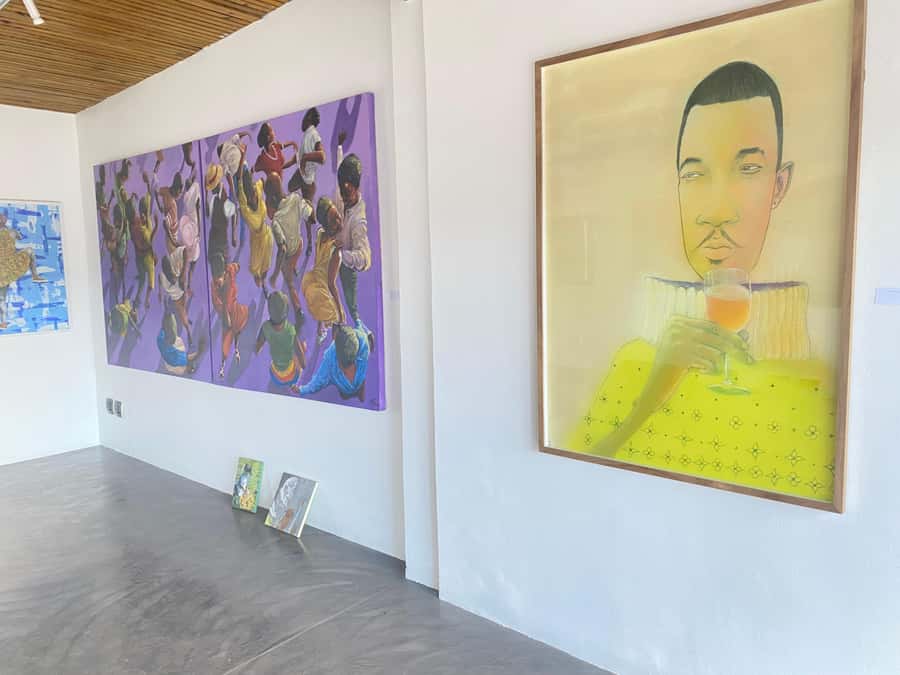
Walking through the streets, you’ll notice artwork that functions like public commentary. The murals are not just decoration, they reflect struggles, hopes, and aspirations, and they help you understand how residents talk to each other and the wider world.
Art also creates a kind of shared language for visitors. When you can point to a mural and ask what it means, the conversation becomes about interpretation instead of judgment, which makes the whole experience easier to handle respectfully.
This is one of the tour’s best values because you’re not just being told facts. You’re being shown how those facts live in the street.
Community projects and social enterprises you can actually picture
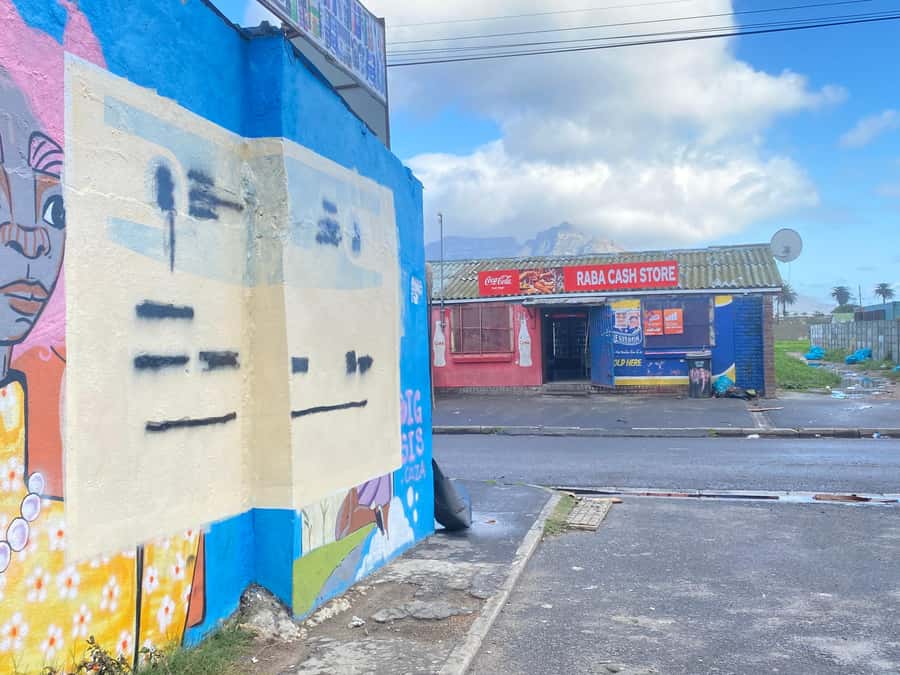
A big part of the tour focuses on community-driven work. You’ll hear about local initiatives such as cooperatives, educational programs for youth, and social enterprises tied to skills and sustainability.
The reason this matters is simple: it shifts the story from welfare to agency. Even when conditions are challenging, the tour keeps pointing to people building solutions, not just people enduring problems.
Some routes may also include practical local stops like small enterprises and community-facing offices, depending on the guide and the day. If you have specific questions about jobs, youth programs, or how things are organized locally, this section is where your curiosity should go to work.
Visiting community spaces: the heart of Guga S’thebe and beyond
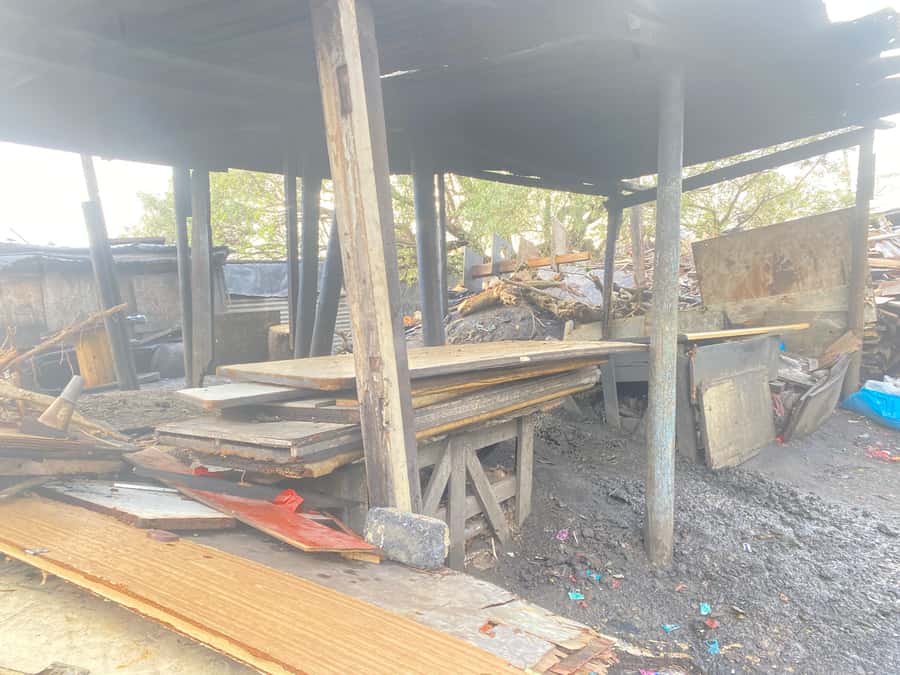
The visitor center stop is more than a performance moment. It’s also a chance to see how arts and culture connect to community life in Langa.
Many guides also introduce the rhythm of the place through introductions and short interactions. That’s where guides like Thando, Kido, and Luvuyo have earned repeat praise for making visitors feel safe while still letting you ask real questions.
Keep expectations grounded: you’re there to learn and observe, not to take over a space. Being calm, listening, and following your guide’s cues goes a long way.
Traditional Xhosa dance and music: culture you can watch and ask about
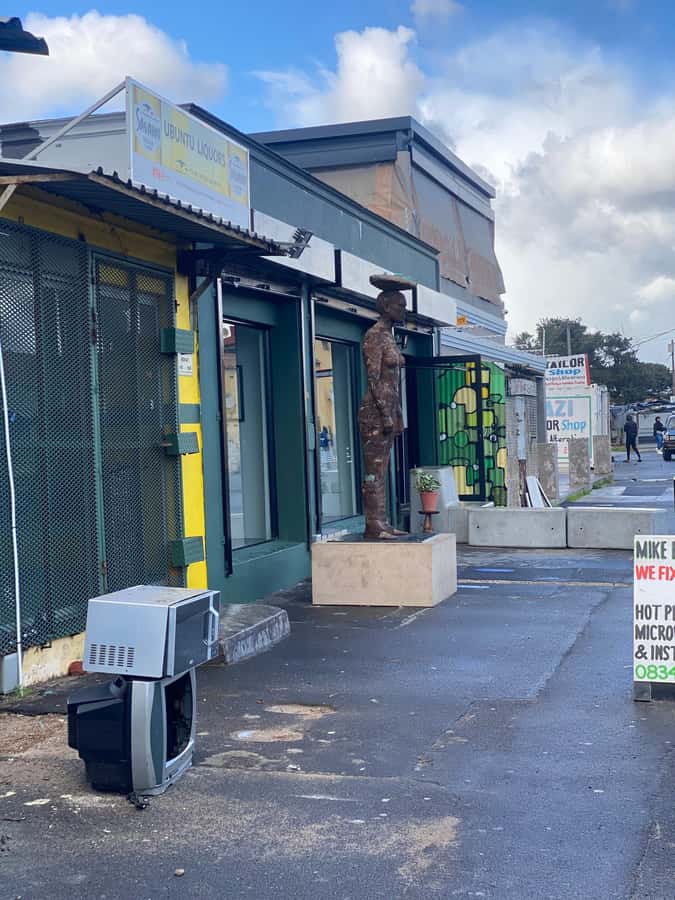
A traditional dance show runs about 15 minutes at the visitor center. It’s short, which is good, because it keeps the program moving while giving you a cultural anchor before you continue walking.
If your guide offers context around music, dress, or meaning behind the performance, take it. Even a few sentences can help you see the difference between “watching a show” and understanding a cultural practice.
If you feel awkward about not knowing the steps, you’re not expected to. The best approach is to watch closely and ask what the movement represents, especially if your guide mentions local customs tied to daily life.
Food stop: where South African classics fit into the day

The tour includes a stop to sample traditional South African food, with options mentioned such as bunny chow, braai, or koeksisters. Food matters on tours like this because it’s social. It’s how communities gather and share news, jokes, and plans.
In some cases, guides have taken visitors to eat items like a fried liver sandwich as part of the experience. You might not get the exact same menu as someone else, so treat it as an opportunity to try something local rather than a guaranteed order.
If you’re sensitive to spicy food, say so early. A good guide will try to steer you toward options you can actually enjoy.
Home visit and photo etiquette: how to be respectful
This tour includes a visit to one local home, which is a major part of the value. It’s also the part where you need to be extra mindful about privacy and boundaries.
Bring a respectful attitude, not a tourist one. Keep your hands to yourself, follow your guide’s instructions, and only take photos when you’re clearly allowed. In the same way you’d act in someone’s house anywhere in the world, the goal is dignity for your hosts, not attention for you.
Price and value: why $37 can be meaningful here
At $37 per person for about 150 minutes, you’re paying for more than a walk and a guide. You’re paying for a resident-run experience that keeps the benefits closer to Langa, with guides from Langa directly supporting the local community.
I also like that the stops are designed to be practical: museums, art spaces, community projects, and a food moment. That structure makes the tour feel like it’s teaching you how to read the place, not just where to stand for photos.
Tips are also part of how the system works. The tour specifically reminds you to tip the guide, and it’s smart to carry some cash for that and for any small purchases connected to crafts or market stops.
Safety and comfort: how to feel at ease without being careless
Many guides build trust fast by keeping you aware and by setting clear expectations. Multiple guide names came up with the same theme: visitors felt safe throughout because the tour stays calm, organized, and connected to locals who know the area.
Still, use common sense. Wear comfortable clothes, stay with your group, and don’t wander off to test boundaries. The most respectful way to enjoy a township tour is to treat it like a conversation with rules, not like an open playground.
Who this tour suits best (and who should think twice)
This tour is a great fit if you want a fuller picture of South Africa than what you get from big-ticket sights alone. It’s also ideal if you like asking questions and you enjoy learning through people, art, and community spaces.
If you have mobility issues, don’t assume it will work. It is marked not suitable for wheelchair users, even though wheelchair accessibility is listed, so you should confirm before booking.
If you’re traveling with kids, it can be meaningful, but keep gifts thoughtful. Some guides have specifically advised against bringing items like books or pencils for children, because it can create a scramble. If you want to bring something, follow your guide’s guidance and keep it simple.
Should you book this Langa Township Walking Tour?
Book it if you want Cape Town in full color, not just the scenic angles. The combination of Langa Heritage Museum, Guga S’thebe, street art, community projects, a dance moment, and local food gives you a coherent story in just about two and a half hours.
Skip or reconsider if walking is hard for you, or if you want a low-stimulation tour with lots of sitting time. Also be honest about your comfort level with learning about difficult realities.
If you do book, I’d ask for a guide who can answer your questions in plain language. Many people highlighted guides like Thando or Wanda, and the best experience tends to come when you speak up about what you most want to understand.
FAQ
How long is the Langa Township Walking Tour?
It lasts about 150 minutes.
Where does the tour start?
The meeting point is Guga S’thebe Arts & Cultural Centre.
Is the tour guided in English?
Yes, the live tour guide speaks English.
What is included in the price?
You get a qualified tour guide, a visit to one local home, and a stop at a Langa art gallery. The tour also reminds you to tip the guide.
Is traditional dance part of the experience?
Yes. There is a traditional dance show included for about 15 minutes.
Will we see street art and murals?
Yes. The tour includes walking through streets with murals and street art, along with discussion of what the art represents.
Is the tour wheelchair accessible?
Wheelchair accessibility is listed, but it is also marked as not suitable for wheelchair users. You should confirm details before you go.
Are art and crafts purchases included?
No. Art and crafts are listed as not included, so if you want souvenirs, you may need to buy them separately.
Newest around Cape Town
- Private E-Bike Cape Town MTB Trails with a Pro★ 5.0 · 3 reviews
- Taste of Cape Town – food and city tour★ 5.0 · 46 reviews
- Skip the Line: District Six Museum Admission Ticket★ 4.0 · 6 reviews
- E-Bike Cape Peninsula tour★ 5.0 · 7 reviews
- 1-3 Passenger Private Arrival & Departure Cape Town – Airport Transfers★ 4.5 · 17 reviews
- Private Cycling Tour of Constantia Winelands★ 4.5 · 10 reviews
- Private Tour To Stellenbosch Franschoek Wineries from Cape Town Price Per Group★ 5.0 · 4 reviews
- Catamaran Cruise and Sushi Experience in Cape Town★ 4.0 · 6 reviews
Soweto & Township Tours, compared.



Soweto /Johannesburg and Apartheid Museum Guided Full Day Tour
Read our review →
Johannesburg Hop-On Hop-Off City Tour with Soweto Option
Read our review →

Jo’berg in 1 Day: Soweto, Apartheid Museum & City Tour
Read our review →Browse the lists this tour appears in