
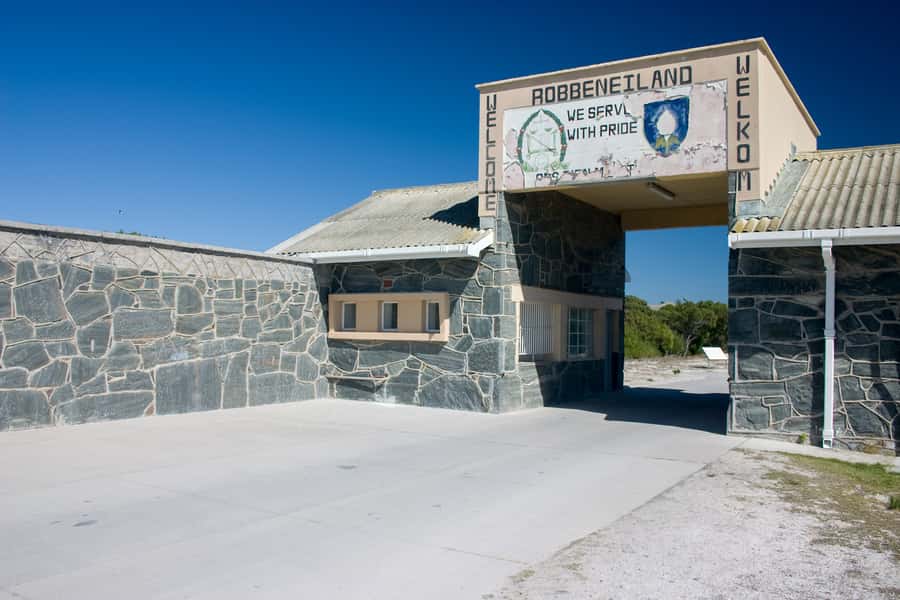
Reviewed · ROBBEN ISLAND TOURS
Cape Town: Robben Island Ferry Ticket and Townships Tour
Township history in Cape Town hits different. This tour combines District Six context with Robben Island via an included ferry ticket. I love that you also get hands-on cultural stops like a shebeen for homemade beer and a visit with a traditional healer. The one real heads-up is the moderate walking, especially during the Langa walking portion, which can feel long if you are not used to it.
You’ll ride between neighborhoods in an air-conditioned minivan with a driver/guide, get hotel pick-up, and then end at the Robben Island ferry gateway near the V&A Waterfront. It is a full day that moves from apartheid’s forced removals and segregation to the stark reality of a prison system meant to break political resistance.
In This Review
- Key points worth knowing
- A Cape Town day with two kinds of history
- District Six: where the city was forcibly rewritten
- Langa walking tour: Robert Sobukwe and life under apartheid
- Shebeens, homemade beer, and meeting a traditional healer
- Bonteheuwel by vehicle: the apartheid logic of who belonged where
- Gugulethu memorials: remembering the Gugulethu 7 and Amy Biehl
- V&A Waterfront to Robben Island: how the ferry ticket fits in
- Robben Island prison: why an ex-prisoner guide matters
- Comfort, timing, and staying sharp for the whole day
- Value check: what you get for the $89 price tag
- Who should book Sam’s Cultural Tours, and who should think twice
- Should you book this tour?
- FAQ
- What is included in the Cape Town tour price?
- Where does the tour end?
- Is hotel drop-off included?
- How much walking is involved?
- What do I need to bring for this tour?
- What happens if the Robben Island ferry is canceled due to weather?
- Is the tour available in English?
- What is the cancellation policy?
Key points worth knowing
- District Six first, so you understand why the city looks the way it does today
- Langa walking tour around sites tied to Robert Sobukwe and the township’s early history
- Real daily life moments, including homemade beer at a shebeen and a traditional healer visit
- Bonteheuwel and Gugulethu memorials, with clear apartheid context and named remembrance
- Robben Island ticket included, with the experience centered on an ex-prisoner perspective
A Cape Town day with two kinds of history
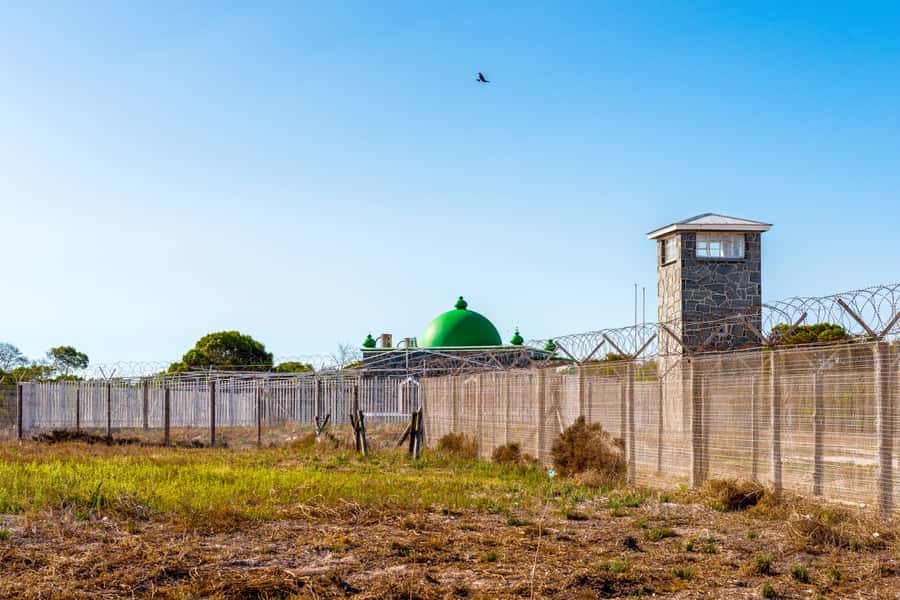
This is not a sit-and-watch tour. You get a guided morning through Cape Town’s townships, with multiple stops tied to apartheid policies and their long shadow. Then you head to Robben Island later, using your included ferry ticket to experience Mandela’s prison.
If you care about how laws shaped real neighborhoods, you’ll like the structure. The township segment focuses on forced removals, segregated communities, and how people built life anyway. Then Robben Island strips the story down to incarceration and resistance, which makes the earlier apartheid context land harder.
More Township Tours in Cape Town
- Half-Day Tour Through Cape Town’s Townships
★ 4.8 · 979 reviews - Cape Town: Guided Township Tour with Hotel Pickup
★ 4.4 · 536 reviews - Cape Town: Nathi Langa Township Walking Tour
★ 4.9 · 493 reviews
District Six: where the city was forcibly rewritten
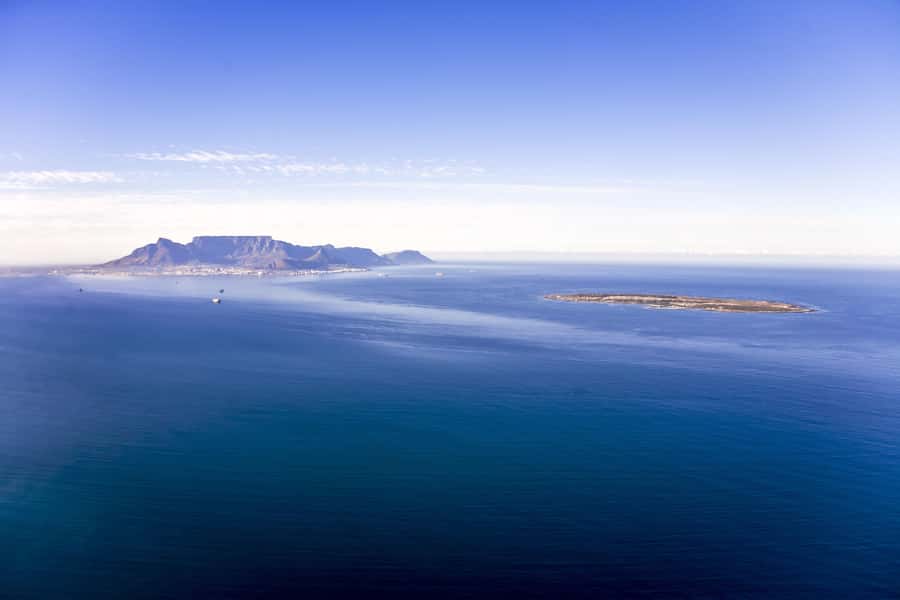
District Six is the opening chapter. You drive through the area while learning what happened when the apartheid regime forcibly removed about 60,000 inhabitants during the 1970s. That number matters, because it is not just policy trivia, it is population displacement at real human scale.
This stop works because it teaches you to read Cape Town like a map with scars. When you later see other townships and memorials, you’ll start noticing how the city’s layout reflects the logic of segregation.
Langa walking tour: Robert Sobukwe and life under apartheid
After District Six, you head to Langa, where you take a walking tour. The route includes key sites such as the Old Pass Office and the monument to Robert Sobukwe, so you get both the symbolic and the administrative side of apartheid control.
On the ground, the tour focuses on how daily life functioned under apartheid. You will hear about hostels and shacks, and you’ll get a sense of how restrictions shaped where people lived, how they moved, and what options they had. It can be emotionally heavy, but it is also one of the best ways to understand why “apartheid” was more than a political slogan.
Practical note: this part involves moderate walking, and it can feel longer than you expect if you stop to take photos or you linger at the sites.
Shebeens, homemade beer, and meeting a traditional healer
One of the most praised parts of the day is the cultural stop that is not just “history talk.” You visit a shebeen, and you have the chance to try homemade beer. That matters because it shows how people created community and rhythm in the middle of inequality.
You may also meet a traditional African healer as part of the experience. You’ll learn about traditional healing practices through a local lens, not a museum label. If you want Cape Town that feels lived-in and human, these moments usually do the job.
I like that this segment is not purely theoretical. It gives you something to look at, something to taste, and something to ask about, and it creates a more balanced day between trauma and everyday life.
More Robben Island visits:
- Cape Town: Robben Island Ferry Ticket and Guided Prison Tour
★ 4.1 · 1,792 reviews - Cape Town: Robben Island Ferry Tour with 1-Way Hotel Pickup
★ 4.2 · 1,380 reviews - Cape Town: Robben Island Ferry with Prison Ticket and Tour
★ 4.0 · 324 reviews - Cape Town: Table Mountain and Robben Island Tour
★ 4.3 · 260 reviews
Bonteheuwel by vehicle: the apartheid logic of who belonged where
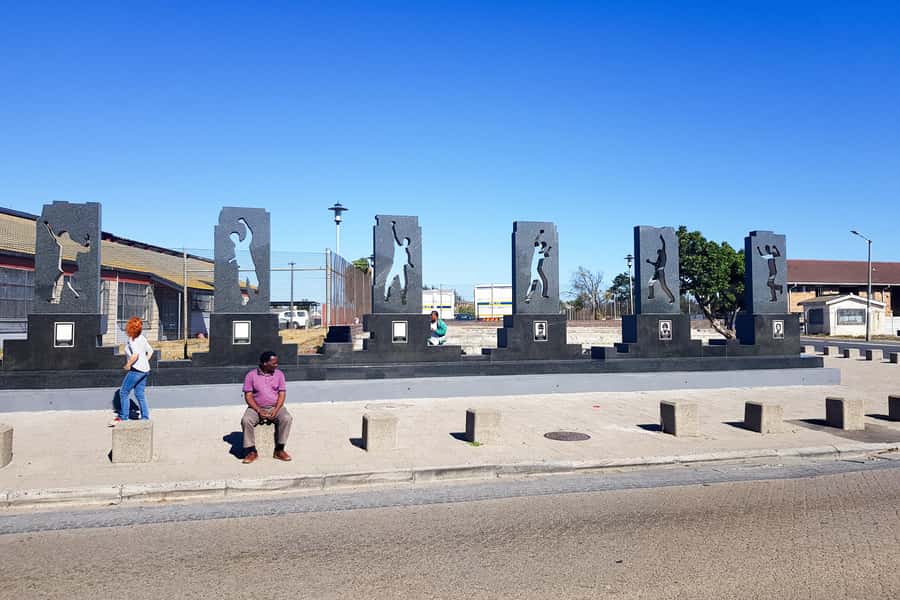
You also learn about Bonteheuwel during the drive through the area. During apartheid, Bonteheuwel was reserved for the “colored” community, and the tour explains how those divisions worked and how they affected communities over time.
This stop can feel less “touristy” than a typical viewpoint. It’s also a good reminder that apartheid was built on categories and enforced boundaries, not just segregation in the abstract. Watching the neighborhood from the road while a guide connects it to history can help you understand the bigger system without pretending you can fully see it from a single street.
Gugulethu memorials: remembering the Gugulethu 7 and Amy Biehl

Then the tour shifts toward named remembrance. In Gugulethu, you visit the memorial to the members of an anti-apartheid group killed by the South African Police in 1986. You’ll also stop at the memorial to the American student Amy Biehl, murdered by PAC supporters in 1993.
These memorials change the tone. The day stops being about institutions and becomes about individual consequences. The names help you see that apartheid-era conflict wasn’t only political, it was personal, and it left permanent marks.
If you like learning with specificity, this is a strong part of the itinerary. Vague history becomes easier to hold when you have dates and names in front of you.
V&A Waterfront to Robben Island: how the ferry ticket fits in
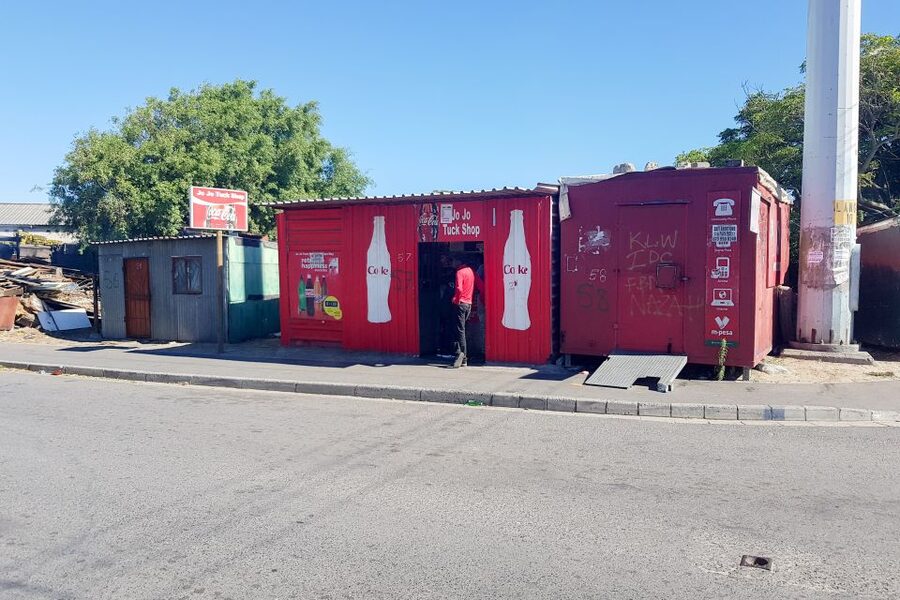
After the township portion, you are dropped at the V&A Waterfront ferry gateway. From there, you take your own way to Robben Island using the included ferry ticket.
This structure is practical. It keeps the township segment focused, then lets Robben Island run on its own schedule once you arrive at the harbor. You’ll also likely find that this separation gives you a moment to reset mentally before stepping into Mandela’s story.
Important note to plan around: ferry service depends on availability and weather conditions. If the ferry gets canceled after the township tour has finished, you can usually reschedule based on availability or receive a partial refund.
Robben Island prison: why an ex-prisoner guide matters
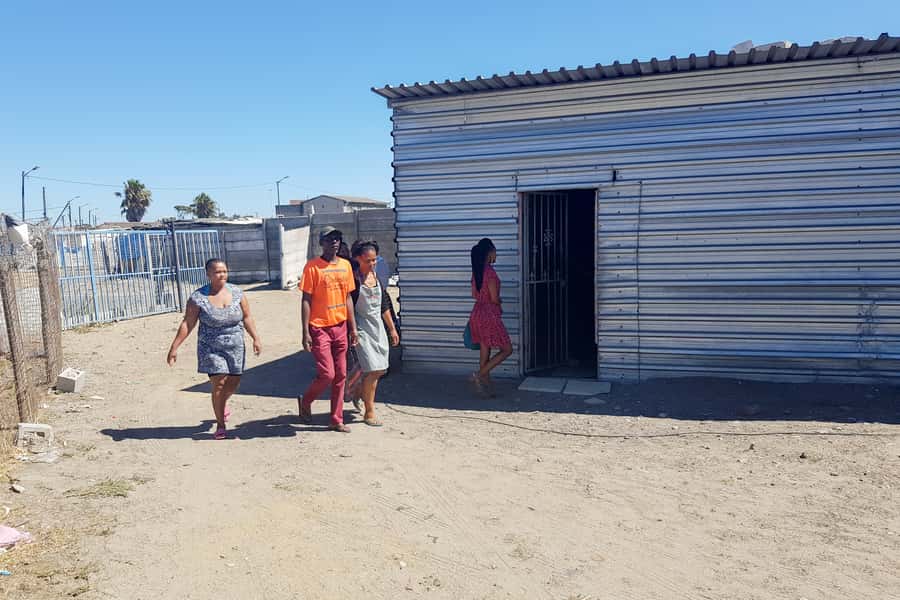
Robben Island is where the day becomes unavoidably sobering. Inside the prison, guides are often former prisoners from the island itself, and the tour you’re booked for typically includes that kind of first-hand perspective. Having a guide who lived through the place changes the tone fast, because you are not hearing a lecture, you are hearing a witness.
You should also expect the experience to be a bit regimented. In larger groups, it can be tougher to hear every word, especially if you get placed toward the middle of a bus or if the prison tour pace moves quickly. If hearing is important to you, keep your questions ready and don’t be shy about asking to repeat or clarify.
Time is another factor. Some people find the maximum-security prison segment rushed, and you may want more time in the exhibits. That’s not a deal-breaker, but it is good to know if you like lingering.
Comfort, timing, and staying sharp for the whole day
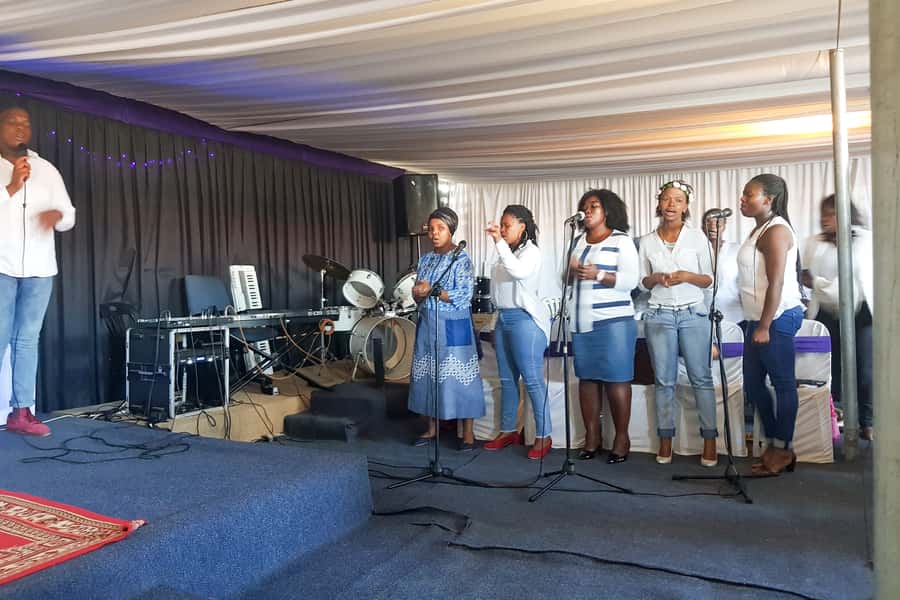
You’ll be in an air-conditioned minivan for transport, which is a real plus in Cape Town’s sun and shifting breezes. You’ll also do a walking tour in Langa, and that is the part where you’ll feel the day physically.
I recommend you dress for wind and cool periods, then add layers if needed. Robben Island can feel colder and windier, and you’ll want to be comfortable enough to stay focused in the more reflective parts of the day.
Group dynamics can also affect your experience. Some parts of the day can run with mixed English groups and larger numbers, and that can influence how easily you follow commentary. If you prefer smaller groups, this is the only area where you might wish the schedule were more intimate.
Value check: what you get for the $89 price tag
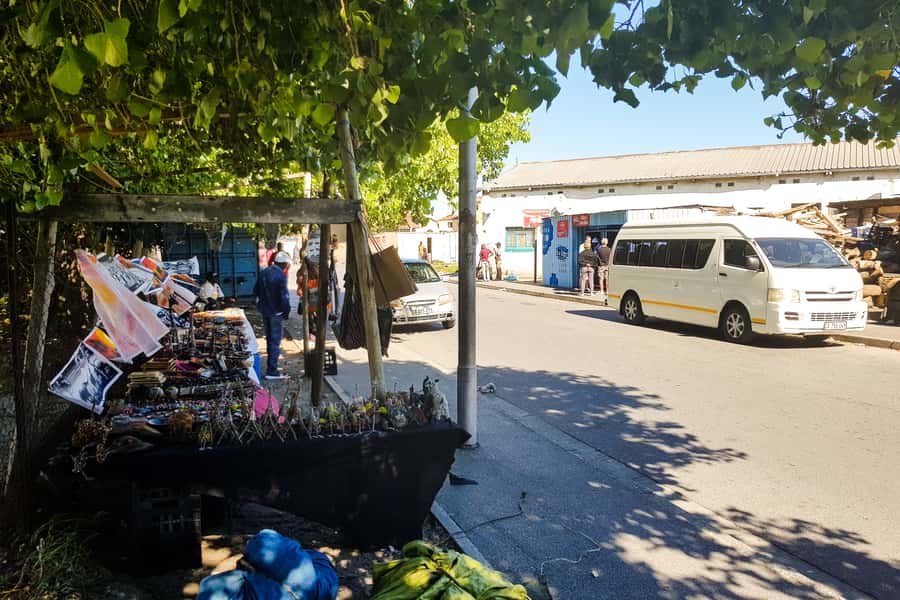
At $89 per person, the key value is that you’re not piecing the day together yourself. You get the Robben Island ferry ticket, hotel pick-up, private transportation by air-conditioned minivan, and a driver/guide for the township portion. You also get access to local cultural experiences, including a shebeen stop, homemade beer, and a traditional healer visit, plus visits and walks tied to apartheid history sites.
Is it the cheapest way to visit Robben Island? Probably not. The real value here is bundling meaning, not just ticking two attractions. District Six context, Langa walking, Bonteheuwel, Gugulethu memorials, and Robben Island in one day makes the themes connect.
When it might feel less worth it is if you strongly prefer lots of free time for independent exploring, or if you already planned to book Robben Island on your own with extra time in mind. But if you want a guided, structured day that explains what you are seeing, the price starts to make sense fast.
Who should book Sam’s Cultural Tours, and who should think twice
This is a great choice if you want Cape Town that goes beyond the shoreline and the views. You’ll like it if you care about apartheid’s impact on everyday life, and if you are open to learning through local guides and direct community context.
It may not be the best fit if:
- you hate walking and uneven paths
- you need a lot of quiet downtime in the middle of the day
- you dislike memorial or prison experiences and want something lighter
If you go with curiosity and respect, you’ll likely find the tour becomes more than an itinerary. It becomes a way to understand how Cape Town’s inequality was built, and how people remember it now.
Should you book this tour?
I’d book it if you want both halves of the story in one day: townships context in the morning and Mandela’s prison reality on Robben Island later. The included ferry ticket, the hotel pick-up, and the mix of history with real cultural stops make the day feel purposeful, not random.
Skip it only if your top priority is easy sightseeing with minimal walking and lots of free time. Otherwise, come ready for a thoughtful day that can shift you out of vacation mode fast, in the best kind of way.
FAQ
What is included in the Cape Town tour price?
The tour includes the Robben Island ferry ticket, a driver/guide, hotel pick-up, and private transportation by air-conditioned minivan for the township portion.
Where does the tour end?
The tour ends at the Robben Island ferry gateway at the V&A Waterfront. After that, you take your ferry to Robben Island on your own.
Is hotel drop-off included?
No. The tour provides hotel pick-up, but not hotel drop-off.
How much walking is involved?
A moderate amount of walking is involved, including a walking tour in Langa.
What do I need to bring for this tour?
Bring your passport or ID card. A copy is accepted.
What happens if the Robben Island ferry is canceled due to weather?
If the ferry is canceled after the township tour, you can reschedule based on availability or receive a partial refund.
Is the tour available in English?
Yes, the tour is offered in English.
What is the cancellation policy?
You can cancel up to 3 days in advance for a full refund.
Newest around Cape Town
- Private E-Bike Cape Town MTB Trails with a Pro★ 5.0 · 3 reviews
- Taste of Cape Town – food and city tour★ 5.0 · 46 reviews
- E-Bike Cape Peninsula tour★ 5.0 · 7 reviews
- Skip the Line: District Six Museum Admission Ticket★ 4.0 · 6 reviews
- 1-3 Passenger Private Arrival & Departure Cape Town – Airport Transfers★ 4.5 · 17 reviews
- Private Cycling Tour of Constantia Winelands★ 4.5 · 10 reviews
- Private Tour To Stellenbosch Franschoek Wineries from Cape Town Price Per Group★ 5.0 · 4 reviews
- Catamaran Cruise and Sushi Experience in Cape Town★ 4.0 · 6 reviews
Robben Island Tours, compared.

Robben Island Ferry Ticket and Guided Prison Tour
Read our review →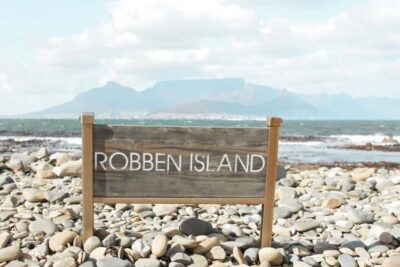
Robben Island Ferry Tour with 1-Way Hotel Pickup
Read our review →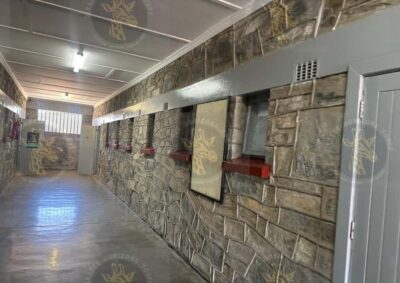
Robben Island Ferry with Prison Ticket and Tour
Read our review →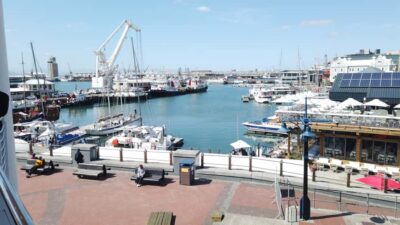

Robben Island Tour including Pick Up & Drop Off from Cape Town
Read our review →
Robben Island Ferry Ticket and Guided Prison Tour
Read our review →
Robben Island Experience: Pre-Booked Ticket & Return Transfers
Read our review →
Robben Island Tour – Hotel Pick-Ups & stops at interesting places pre/post tour
Read our review →Browse the lists this tour appears in