
Reviewed · WHALE WATCHING
Hermanus: Whale and Dolphin Watching Boat Trip
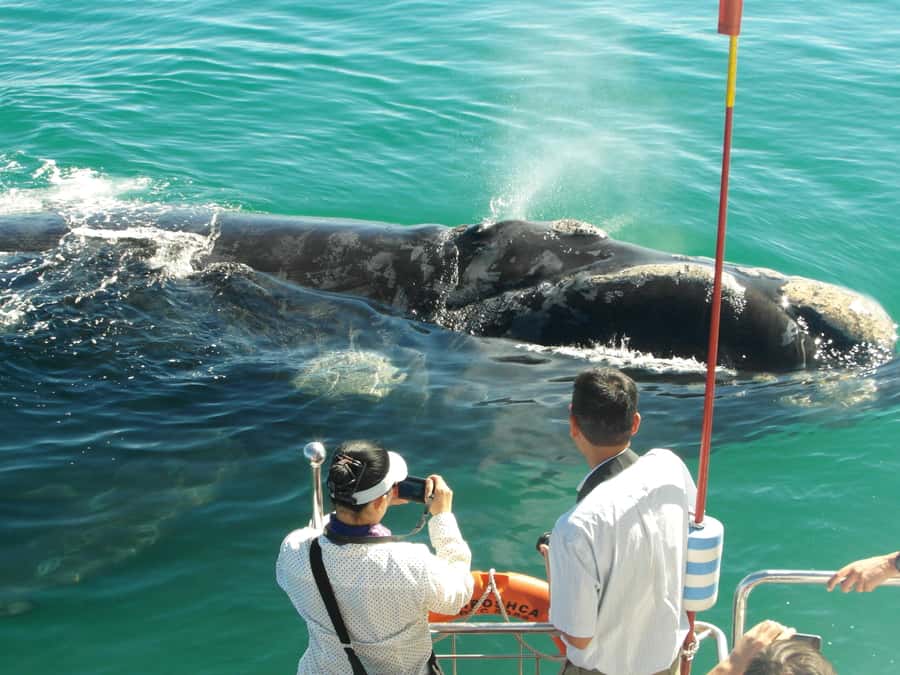
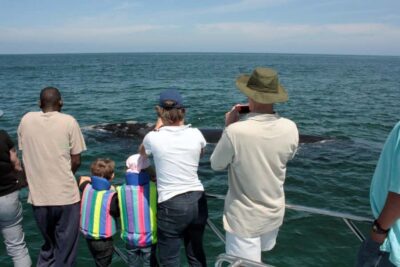
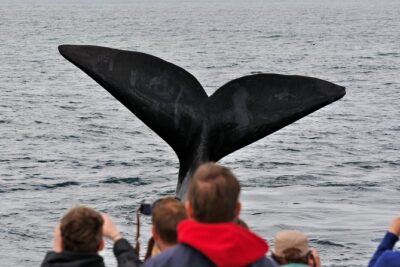
Hermanus whale watching gives you a front-row seat. A two-hour cruise out of town pairs a licensed, specialist crew with serious wildlife searching along the Whale Capital coastline, where seasonal southern right and humpback whales meet year-round dolphins and Bryde’s whales. I love how the onboard team focuses on reading the animals and keeping people in the right spot, not just running around for photo ops.
I also love the comfort of the purpose-built catamaran, plus the crew’s constant help with viewing. Complimentary light refreshments, and even little extras like coffee, tea, and crisps, make the whole outing feel easy. One drawback to plan for, though, is that sightings are never guaranteed, especially if you’re traveling at the very edge of the season.
The good news is this trip is designed for real marine encounters. When the wildlife shows up, you usually get close, with knowledgeable interpretation from whale specialists, and the vibe stays calm and safety-first.
In This Review
- Quick hits: what you’ll notice fast
- Where Hermanus fits into South Africa’s whale story
- Getting on board at the Whale Shack in New Harbour
- The core experience: how the cruise works in real time
- What you can see: southern right, humpback, Bryde’s, and dolphins
- The guide experience: what whale specialists add to the trip
- Comfort, timing, and the deck reality on a catamaran
- Onboard extras: refreshments, crisps, and the drone video choice
- Price and value: is $98 a fair deal?
- Best season strategy for Hermanus whale watching
- Responsible wildlife watching: what to do and what the crew does
- Who this tour is for
- Quick practical checklist before you go
- Should you book the Hermanus whale and dolphin boat trip?
- FAQ
- How long is the Hermanus whale and dolphin watching boat trip?
- How much does the tour cost?
- Where do I meet for the tour?
- What is included in the price?
- What animals might I see during the cruise?
- Is the tour guided?
- Are drones allowed?
- Are prams or baby strollers allowed?
- Is the vessel wheelchair accessible?
- What should I do if I get seasick?
Quick hits: what you’ll notice fast
- Whale specialist interpretation in English as you cruise, including how whales behave and what you’re looking at
- A catamaran setup that helps you see, with space to spread out on deck
- Seasonal southern right and humpback whales, plus year-round Bryde’s whales and dolphins
- Crew practices that avoid chasing, giving animals room to approach instead
- Onboard comforts and light refreshments, not just a barebones boat ride
- Extra footage options, including a drone video you can purchase afterward
Where Hermanus fits into South Africa’s whale story
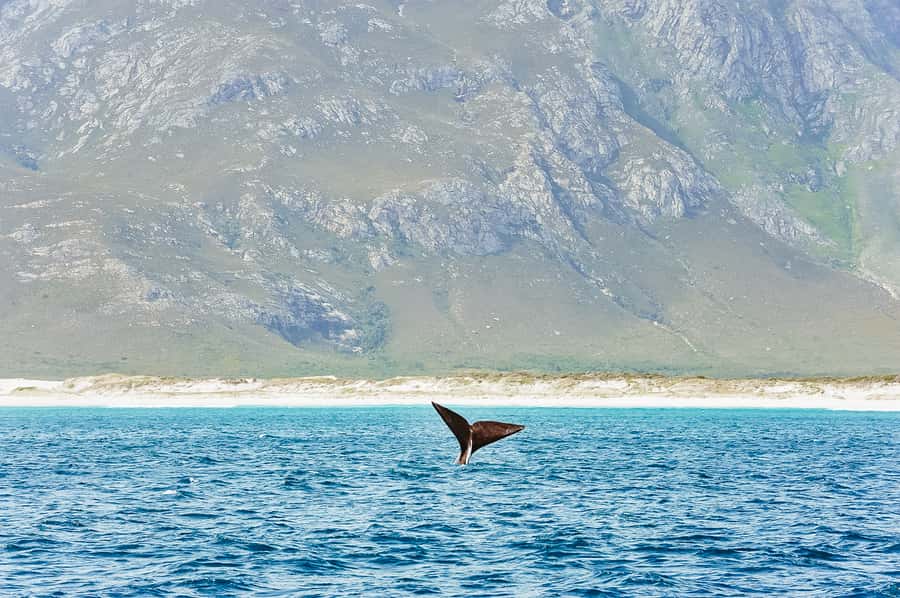
Hermanus is one of those places that feels built for whale watching. The coastline is known for seasonal southern right whale visits, and the harbor area is a practical base for heading out and getting a better angle than you can from shore.
If you’ve been to other whale destinations, you know the usual tension: you want close views, but you also want the animals to behave normally. This cruise leans into that balance. The goal is to find marine life and interpret it while you watch, rather than turning the outing into a chaotic speed chase.
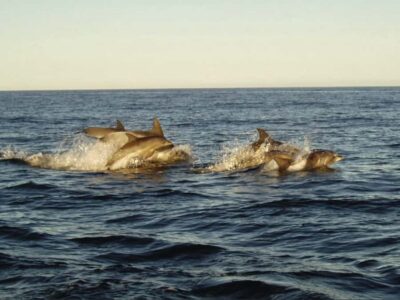
And even when whales are quiet, the area can still deliver action. Dolphins are a recurring highlight, and they can show up in big groups. That matters, because it means your trip has a real chance of feeling full, even if whale sightings are slower on the day.
More Whale Watching Trips in Hermanus & the Whale Coast
- Hermanus: Boat Based Whale Watching Experience
★ 4.4 · 1,180 reviews - Whale Watching from Gansbaai
★ 5.0 · 327 reviews - Boat Based Whale Watching from Hermanus
★ 4.5 · 205 reviews
Getting on board at the Whale Shack in New Harbour
Start at the Southern Right Charters welcome center, the Whale Shack, on the lower level of the New Harbour. The important practical move is check in 30 minutes before departure time. That buffer helps everyone settle in, get set up with the right deck spot, and avoid a last-minute scramble.
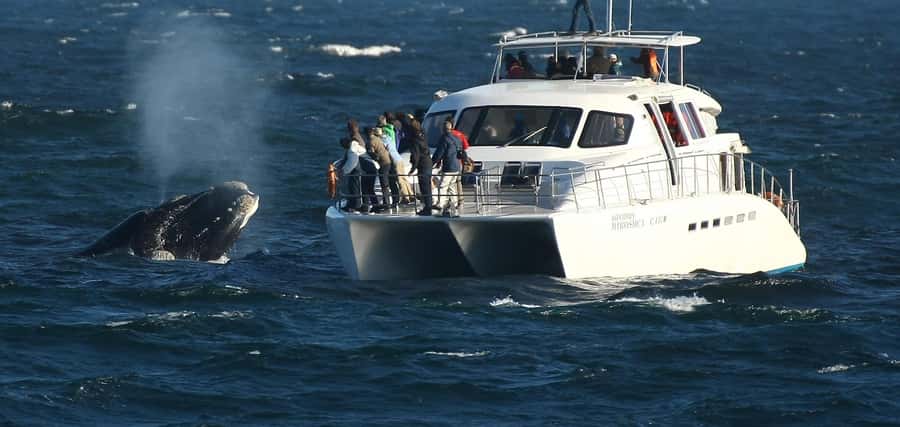
From there, you’re stepping onto a purpose-built catamaran. That boat choice is not just marketing. Catamarans tend to feel more stable than smaller monohulls, and stability makes a big difference when you’re trying to look for subtle whale behavior at the surface.
The crew also runs the experience with active guest support. You may be helped to find a better viewing position if standing is tough, and the team is ready to point out what to watch for as sightings develop. That kind of on-the-spot help is especially useful when the action is fast, like a whale surfacing and disappearing within moments.
The core experience: how the cruise works in real time
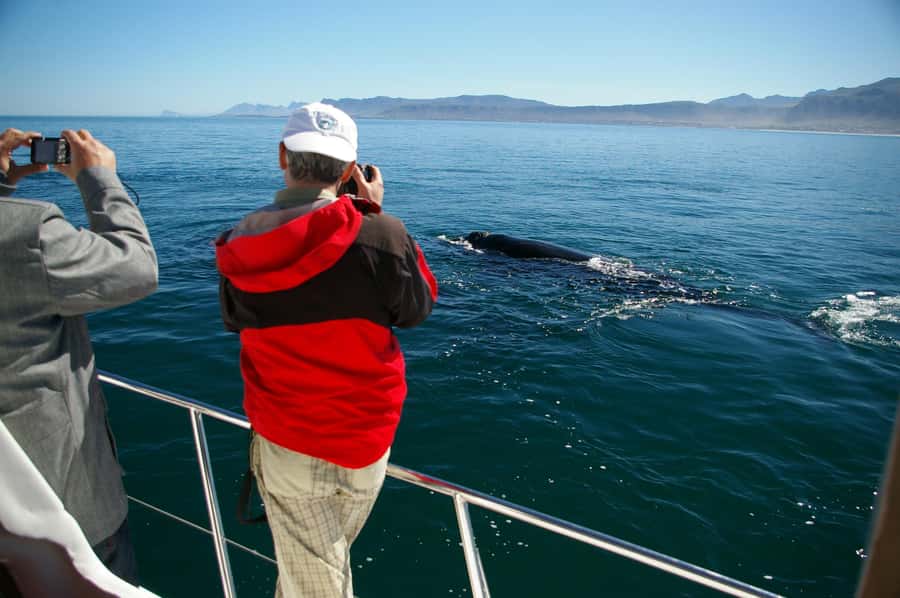
This is a two-hour outing with onboard interpretation from a whale specialist guide. As you head out, the specialist helps you identify what you’re seeing and explains whale and dolphin behavior while it’s happening. In practice, that means you don’t just get spotting, you get context.
You sail to areas that receive seasonal visits from southern right and humpback whales, and you also have year-round chances of seeing Bryde’s whales and dolphins. That mix is key. It turns the cruise into a true “search and learn” experience, instead of a one-species gamble.
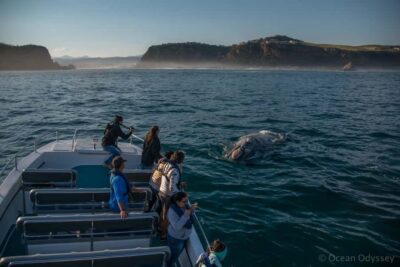
One more detail I like: the crew and guide focus on giving animals space. That shows up in how close you may get. The most memorable moments in Hermanus are usually the ones where whales and dolphins seem to come toward the boat naturally. When the crew manages proximity responsibly, the behavior you see can look calmer and more normal, which also makes your viewing better.
You’ll also notice the pacing changes based on what’s happening out on the water. If dolphins are active, the boat can shift around their movement patterns. If whales surface in a particular area, you’ll spend more time observing rather than constantly repositioning for the sake of it.
What you can see: southern right, humpback, Bryde’s, and dolphins
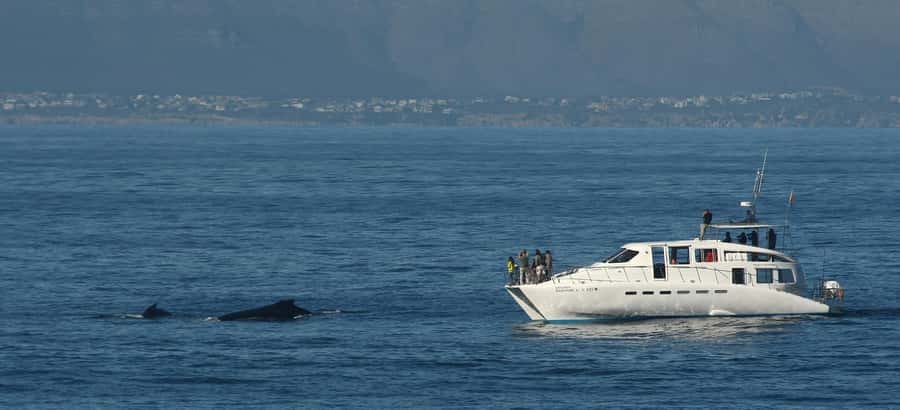
Let’s talk species in plain terms, because it helps you set expectations.
- Southern right whales are the big seasonal star. You’re in the right place for them, and Hermanus is famous for it for a reason. These sightings can include mother-and-calf behavior during the season.
- Humpback whales can also show up seasonally along this coast. When they’re present, they can be impressive from a distance and even more so once you understand what you’re watching.
- Bryde’s whales are a year-round possibility in the area, which helps if you’re traveling outside the peak southern right window.
- Dolphins are often the most reliable excitement. You might see schools numbering in the hundreds, with tight group behavior and energetic surfacing.
In addition to whales and dolphins, you may also spot seals in the same cruising areas. That can turn a “main event” cruise into a full wildlife show.
One practical note: spotting is easier when you’re not overthinking gear. The cruise advice is to bring a camera, but tripods and binoculars are not advised. Plan on filming and photographing with handheld technique. When whales surface unexpectedly, you do not want a tripod setup slowing you down.
More boat tours in Hermanus & Whale Coast:
- Big 5 Sea Safari Boat Ride of Gansbaai or Walker Bay
★ 4.3 · 17 reviews - Gansbaai: Shark Cage Diving and Shark Viewing Boat Trip
★ 4.9 · 14 reviews - Cape Town: Hermanus Whale Watching Shared Boat & Penguins
★ 3.3 · 6 reviews - Cape Town: Hop-On Hop-Off Bus Tour with Optional Cruise
★ 4.8 · 3,929 reviews
The guide experience: what whale specialists add to the trip
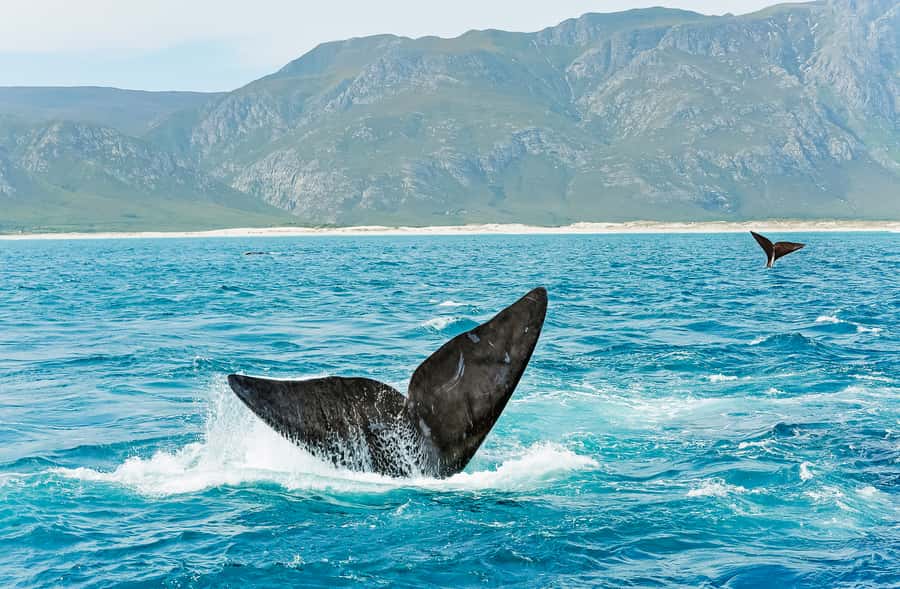
A whale-watching cruise can be two things: a ride where you stare at water, or an experience where you understand the water. This one leans hard toward the second.
Onboard, the whale specialist guide provides interpretation while you’re still in contact with the animals. Depending on the day, you may hear from guides such as Ken, Jacques, David, or Josh, based on guide names that have been shared by past passengers. The common thread is enthusiasm plus practical explanations.
What does that mean for you?
You start noticing patterns, not just moments. For example, if the guide explains what surfacing, blow direction, and spacing can suggest, you’ll see more during the same time window. That also helps you stay calm when the animals move, because you know what might happen next.
It also makes the dolphin moments better. Dolphins aren’t just loud background noise. Their coordinated movement often becomes a clue, and the guide’s reading of behavior can help you understand why certain areas matter.
Comfort, timing, and the deck reality on a catamaran
A two-hour cruise is long enough to feel like a proper outing, but short enough that you’re not mentally exhausted by the “wait and hope” stage. Still, deck comfort matters because most of your viewing happens on board.
The catamaran setup supports passenger comfort, and multiple viewing spots let you spread out. That reduces the common problem of everyone crowding the rail. Even with a sizeable group, the boat can feel roomy enough that you’re not crushed in place.
That said, your viewing can still depend on where you stand. One practical tip if you care about sightlines: arrive early at check-in and get yourself a decent spot before the boat heads out. Then stay flexible as the crew moves to follow sightings.
And yes, there can be motion. Some passengers note the return leg can feel bouncy. If you’re prone to motion sickness, take sea sickness tablets in advance as directed on the packet. It’s the easiest “do it now” step you can take for a smoother trip.
Onboard extras: refreshments, crisps, and the drone video choice
This cruise does not pretend to be a full meal. Instead, it offers light refreshments onboard, plus crisps. In real life, that can include coffee and tea before departure, and fizzy drinks during or near the end of the outing, depending on the day.
Those small touches matter more than you might think. Whale watching can involve waiting through quiet water, and a warm drink or a snack helps you stay comfortable while you scan.
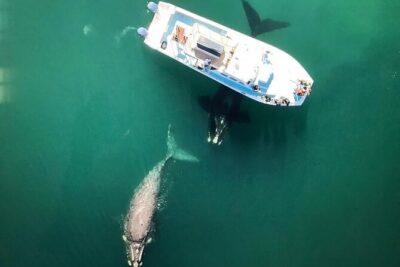
Then there’s the bigger add-on: a movie and short film of the tour, plus drone footage available for purchase. One passenger even pointed out the drone video cost felt high (around R440). So here’s my practical advice: if you love keeping a souvenir, plan for the option, but don’t assume it’s the best value. If you have a camera and you’ll enjoy your own footage, you can decide later whether their aerial perspective is worth it to you.
Price and value: is $98 a fair deal?
At $98 per person for a two-hour whale and dolphin cruise, you’re paying for three things that often cost extra on other tours: a licensed operation, specialist interpretation, and time on the water in a spot where whales and dolphins can appear.
Here’s where the value comes from:
- You get a specialist guide on board, not just a general host.
- You get light refreshments and crisps, so the boat time feels complete, not cut short.
- You’re not guessing blindly from shore. You’re actively searching along the coast where the animals are likely to surface.
Now, the honest part: wildlife is wildlife. If you miss the whales, it can turn into a dolphin-heavy outing or, occasionally, a day with limited sightings. That risk is part of the price you pay for being out there, and you should book with flexible expectations.
If you want to maximize value, go with the mindset that dolphins and seals can also be a win. Several passengers describe memorable dolphin encounters, with whales sometimes added as the bonus.
Best season strategy for Hermanus whale watching
Timing is everything in Hermanus. The southern right whale season is typically discussed as running roughly June to December, which matches what you’ll hear about peak viewing windows. Your odds improve during the heart of the season, not just the edge.
Some passengers have done the cruise at the end of the whale season and still had huge dolphin sightings, then even got a whale at the end of the trip thanks to additional time on the water. That’s encouraging, but it’s also a reminder that edge-of-season trips can swing more toward dolphins than whales.
My practical strategy:
- If whales are your main goal, aim for the middle of the season window.
- If you’re open to dolphins and wildlife in general, edge dates still can be great, especially if conditions are calm and the crew finds active schools.
Responsible wildlife watching: what to do and what the crew does
One thing I’m careful about when I choose whale tours is how they behave around animals. This operator appears to focus on not chasing the whales. That shows up in how the boat interacts with sightings, and it’s also supported by the idea that the crew keeps animals in their natural approach patterns rather than constantly pursuing them.
As a passenger, your best contribution is simple:
- Keep your voice down when whales are close.
- Follow the crew instructions about where to stand and how to move safely.
- Assume the guide will adjust the boat position when it’s needed.
Also, conservation language matters here. There’s mention that the company provides data for international agencies on whale and other sea life. That adds a layer of meaning beyond entertainment. You’re not just paying to watch, you’re participating in a research-minded approach.
Who this tour is for
This cruise is a strong fit if you want:
- A short, practical outing (two hours) without a full day travel commitment
- A whale specialist guide who can explain behavior in context
- A chance to see whales, but also dolphins, seals, and plenty of action
It’s especially good for couples and small groups who like to move between sightseeing and a single focused activity. Families can also do well, with the big caveat that kids under 12 must wear life jackets for the full duration and stay under adult supervision at all times. For infants under 2, life jackets may be uncomfortable, and there’s advice to consider motion sickness syrup for infants.
Quick practical checklist before you go
Here’s what I would plan for based on the trip rules and real-world comfort needs.
What to wear and bring
- Weather-appropriate clothing plus a windbreaker
- Sensible footwear, flat shoes recommended
- Camera (handheld), but skip tripods and binoculars as they’re not advised
- Sea sickness tablets taken in advance if you think you might need them
- If you’re bringing kids, plan on life jacket use the whole time
What not to bring
- Drones (not allowed)
- Baby strollers or prams (no prams allowed on board)
- Tripods/binos not advised for the cruise setup
- Non-folding wheelchairs and electric wheelchairs are not permitted, and the vessel is not wheelchair accessible
If you’re traveling with mobility needs, this is an important point to take seriously. You may need to choose a different style of tour that matches your access requirements.
Should you book the Hermanus whale and dolphin boat trip?
Book it if you want a responsible, specialist-led whale-watching outing that also values dolphins and real wildlife behavior. The cruise has enough structure and crew support that you’re not left staring at the ocean with no idea what’s going on. With a $98 price tag, it can feel like good value when the whales show up, and it still has a solid “Plan B” built in thanks to the dolphin and seal chances.
Don’t book it on the one-true-thing basis that you will definitely see whales. The ocean decides. If you’re flexible and you go for the experience, not a checklist, you’ll likely have a memorable two hours on the water in Hermanus.
FAQ
How long is the Hermanus whale and dolphin watching boat trip?
The cruise lasts 2 hours.
How much does the tour cost?
The price is $98 per person.
Where do I meet for the tour?
Meet at the Southern Right Charters welcome center, the Whale Shack, on the lower level of New Harbour. Check in is 30 minutes before departure.
What is included in the price?
Included are the whale and dolphin watching cruise, a specialist guide on board, light refreshments, and crisps.
What animals might I see during the cruise?
You may see southern right and humpback whales when they are in season, plus year-round Bryde’s whales and dolphins. Seals may also be spotted.
Is the tour guided?
Yes, there is a live tour guide on board, and the language is English.
Are drones allowed?
No, drones are not allowed.
Are prams or baby strollers allowed?
No prams are allowed on board, and baby strollers are not allowed.
Is the vessel wheelchair accessible?
No. The vessel is not wheelchair accessible, and it is not suitable for wheelchair users.
What should I do if I get seasick?
Consider sea sickness tablets taken in advance as directed on the packet instructions, if you need them.
More Dolphin Watching in Hermanus & Whale Coast
- Whale, Dolphin & Penguin Island Cruise
★ 5.0 · 687 reviews - Cape Town: Dolphin & Ocean Wildlife Kayaking Adventure ⚓️
★ 5.0 · 57 reviews - Plettenberg Bay: Dolphin and Marine Boat Tour
★ 4.5 · 45 reviews - Durban: Durban: Whale and Dolphin Watching Boat Tour
★ 4.7 · 45 reviews
More Whale Watching in Hermanus & Whale Coast
- Whale Watching Walking Tours (Land-Based) – from JUNE 2025
★ 5.0 · 88 reviews - From Cape Town: Full Day Hermanus Whale Watching Tour
★ 3.6 · 20 reviews - Shark & Whale Trip Combo
★ 4.8 · 12 reviews - Hermanus: Whale Watching and Wine Testing
★ 3.7 · 5 reviews
Newest around Hermanus & Whale Coast
- Shark & Whale Trip Combo★ 4.8 · 12 reviews
- Private Tour: Cape Town to Cape Agulhas where 2 Oceans Meet★ 5.0 · 3 reviews
- Hermanus: Whale Watching and Wine Testing★ 3.7 · 5 reviews
- Gansbaai: Shark Cage Diving and Shark Viewing Boat Trip★ 4.9 · 14 reviews
- From Cape Town: Full Day Hermanus Whale Watching Tour★ 3.6 · 20 reviews
- Cape Town: West Coast Spring Tour 2025★ 5.0 · 3 reviews
- Cape Town: Hermanus Whale Watching Shared Boat & Penguins★ 3.3 · 6 reviews
- Cape Town: Cape Agulhas and Stony Point Penguin Tour★ 5.0 · 5 reviews
Whale Watching, compared.

Browse the lists this tour appears in