
Reviewed · WILDLIFE
Jukani Wildlife Sanctuary Admission with Guided Tour
Big cats, close and explained. A guided visit to Jukani Wildlife Sanctuary gives you prepaid entry plus a guided tour that turns a walk into a real lesson on these animals and what rescue work looks like. You get time with a local guide who talks biology, behavior, and conservation status as you move through the sanctuary.
I love the small group setup, max 16 people. That matters because you can actually hear your guide, ask questions, and get pointed guidance on what to look for. I also like that Jukani focuses on animals at their permanent home, meaning you are not just watching, you are learning why this rescue model exists.
One possible drawback to plan around: timing and heat can affect what you see. Late morning can mean more animals hiding in shade, while a better-timed tour tends to make the walk more satisfying, even if the overall visit is still about 90 minutes.
In This Review
- Key things that make this Jukani tour worth your time
- What you’re really buying for $24.73 at Jukani
- Where to meet and how the 1 to 2 hour experience flows
- The small-group walking safari, and why it changes everything
- What animals you’ll see at Jukani, beyond the big cat headline
- Timing tips: when to go for more active cats
- Photography at Jukani: close-up views, fence realities, and settings
- How guides turn a walk into a conservation lesson
- Comfort, clothing, and practical on-the-day advice
- Who this tour is best for, and who might want to adjust expectations
- Should you book the Jukani Wildlife Sanctuary guided tour?
Key things that make this Jukani tour worth your time
- Prepaid entrance, no ticket line: you show your mobile ticket and get moving.
- Max 16 people: the guide can keep everyone engaged and still answer questions.
- A 90-minute walking safari: enough time for enclosures, photos, and explanations.
- Rescue stories tied to conservation: you learn where these animals came from and what their lives look like now.
- Big cats plus more South African wildlife: not just lions and tigers, but species like caracal, springbok, and spotted hyena.
- Photography-friendly viewing decks: you get places to shoot without fences dominating every frame.
What you’re really buying for $24.73 at Jukani
At around $24.73 per person, this is one of those deals that feels simple, but it has smart value baked in. The price includes entrance fees and a professional local guide, so you are not paying extra just to get through the gate and start learning. It also comes with prepaid entry (a mobile ticket), which means you do not spend your vacation time standing in line.
The guided element is the real payoff. Jukani is a sanctuary, not a theme park. A good guide helps you interpret the animal you are seeing, even if it is resting or tucked away. In places like this, the “wow” is not only the sight of a big cat, it is understanding body language, behaviors, and why certain animals end up here instead of back in the wild.
Do note what is not included. The tour lists no food and drinks, and transportation to and from the sanctuary is also not included. So you will want to plan your own refreshment and timing around your drive in, plus any pre-tour waiting.
More Garden Route trips:
- Plettenberg Bay: Swim with Seals
★ 4.7 · 887 reviews - Knysna Ziplines Tour
★ 5.0 · 688 reviews - Standard Canyoning Trip in The Crags, South Africa
★ 5.0 · 381 reviews
Where to meet and how the 1 to 2 hour experience flows
You meet at Jukani Wildlife Sanctuary, N2, The Crags, 6600, South Africa. The activity ends back at the same starting point, so there is no complicated multi-stop logistics. The listed duration is about 1 to 2 hours, with the walk itself described as a 90-minute walking safari.
Because tours are offered multiple times throughout the day, the schedule is flexible. That is useful in the Western Cape, where weather and temperature can shift your animal-viewing experience fast. The sanctuary also operates in all weather conditions, so you should dress for sun, wind, or rain depending on the day.
One admin step you should expect: at reception, you will be asked to sign an indemnity form before starting. It is quick, but it is part of the reality of animal sanctuaries. And since tours have confirmation at booking, you are not left guessing, which reduces stress on arrival.
The small-group walking safari, and why it changes everything
This tour caps at 16 travelers, which sounds like a minor detail until you try it. With a group that size, your guide can keep pace without leaving people behind, and they can stop to answer questions instead of rushing through the route.
You will walk enclosure to enclosure, and the guide provides commentary on what you are looking at. That includes animal biology and behavior, plus conservation status. Guides also seem to take pride in explaining the “why” behind the sanctuary, not just the “what” in front of your eyes.
You may hear different guide styles, but the names that come up include Xola, Elvis, and Riko. One strong pattern in the feedback is enthusiasm and real knowledge paired with patience. If you are traveling with kids, that small-group structure helps a lot. Reviews mention children as young as 3 and 6 staying engaged during the 90 minutes, which is a good sign that the pacing is not too fast or too technical.
There is one practical wrinkle to keep in mind: some tours can have short delays around arrival and feeding readiness. For example, there are mentions of arriving and waiting for the next group, and another note about influencers showing up and causing delays that evening. The lesson for you is to build a little buffer, especially if you have dinner plans right after.
What animals you’ll see at Jukani, beyond the big cat headline
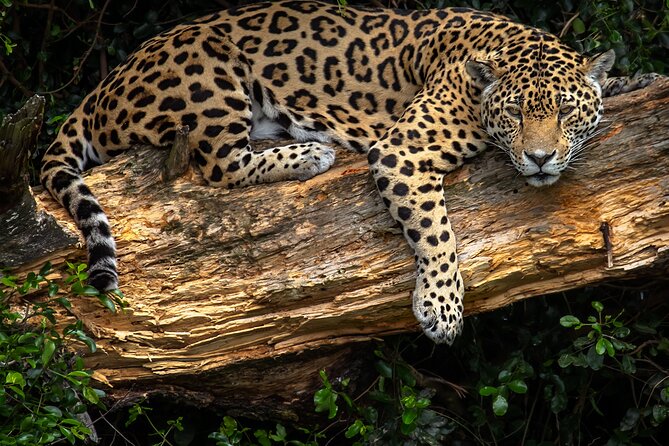
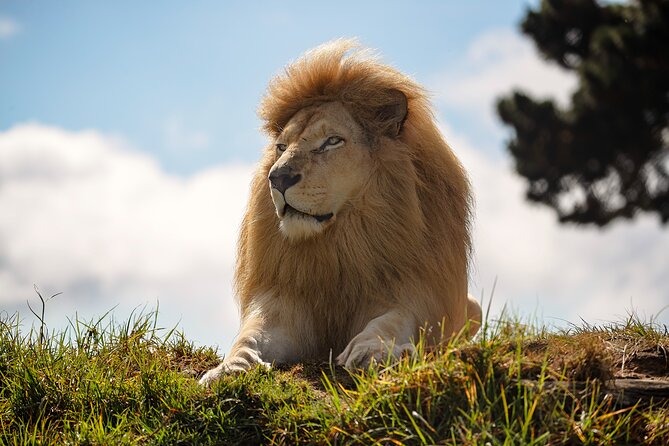
Yes, you come for the cats. Jukani’s big draw includes lions, tigers, leopards, and jaguars, kept at their permanent home after being rescued or rehomed from facilities that could no longer care for them. The sanctuary’s enclosure design is described as built around each individual animal’s needs, so you are not just seeing a fence and a platform. You are seeing an environment intended to support the animal’s behavior.
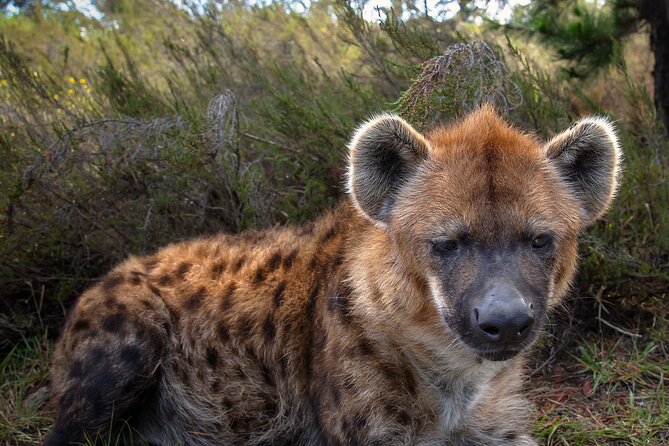
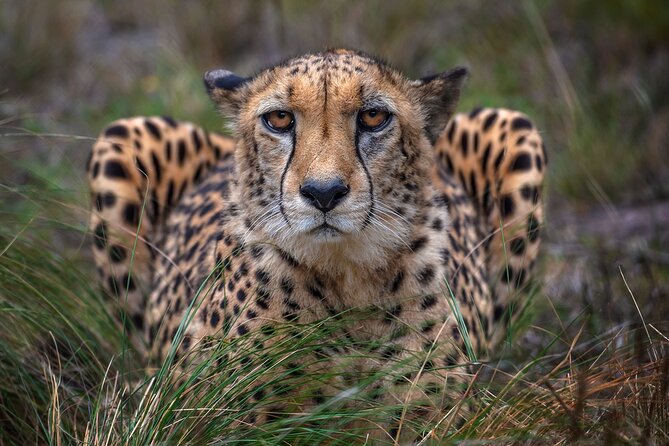
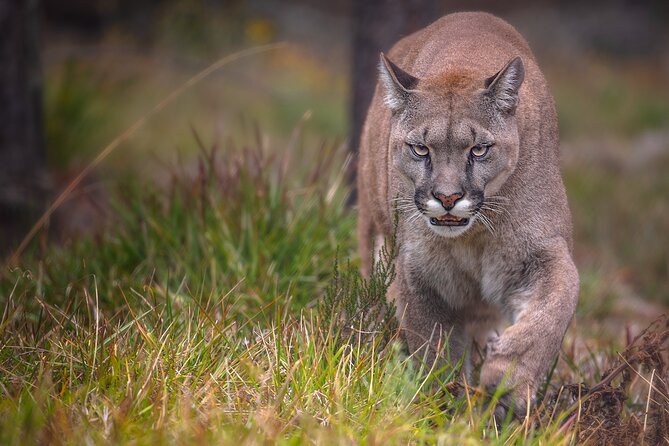
But you should also expect a broader mix. The sanctuary is home to other species such as caracal, honey badger, raccoons, zebra, springbok, and spotted hyena. There is also mention of cheetah for its speed and pumas for agile tree climbing behavior.
Here is why that matters: if the big cats are resting, you still have plenty to observe. Instead of feeling like you paid for one or two sightings, the guided walk is structured so the tour continues to deliver. Your guide helps you spot animals that might not be immediately obvious, especially if they are tucked into shade.
Also, because these are rescue animals and not zoo animals bred for exhibition, the conservation conversation feels more grounded. You will hear the plight of these animals and the reality that many do not survive in the wild due to past human contact, harm, or permanent effects from earlier abuse or humanization.
A few more Plettenberg Bay trips worth comparing
- Guided Wildlife Tour and Forest Walk with Lunch Platter
★ 4.6 · 40 reviews - The Private Wildlife Tour
★ 4.5 · 12 reviews - Cape Town: Marine Wildlife Tour from the V&A Waterfront
★ 4.6 · 1,118 reviews - Big Five Game Reserve Wildlife Safari from Cape Town
★ 4.0 · 576 reviews
Timing tips: when to go for more active cats
Jukani is all about animal behavior, and animal behavior changes with temperature and time of day. If you go during hotter hours, you may see more resting in shaded structures. That is normal for big cats, and it is why “when” can matter as much as “what.”
A helpful tip from the experience reports is to aim for the late afternoon, with one mention of feeding around 3:30 to 4:00 pm. The reasoning is straightforward: feeding and daily rhythms can bring more movement, so your 90-minute walk feels fuller.
One practical advice repeated in feedback: if you are visiting on a hot day, bring an umbrella. It can double as sun shade and helps with comfort if the route is exposed.
If you are forced into late morning or mid-afternoon, manage expectations gently. Your best strategy is to arrive ready to watch patiently, not to chase. Your guide can help you interpret “resting” as part of the animal’s normal routine, not a lack of activity.
Photography at Jukani: close-up views, fence realities, and settings
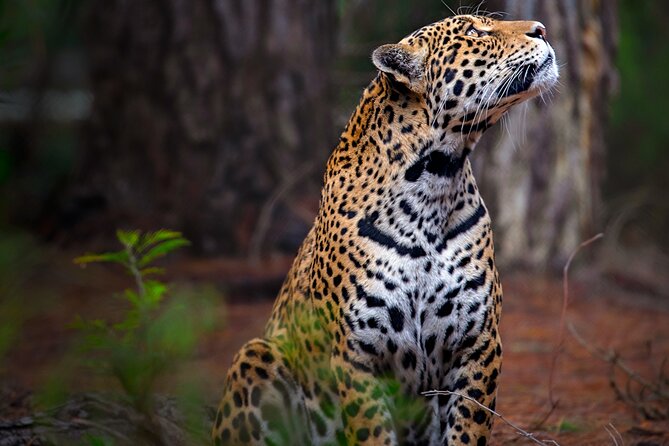
If you care about photos, this sanctuary is set up in a way that can make you happy. The experience is described as giving close-up views of big cats, and there are viewing decks designed to reduce fence obstruction in your shots.
That said, you should plan for fence lines showing up in some compositions. One photographer note recommends using manual focus to get around fence issues, which is exactly the kind of nitty-gritty tip that saves time and frustration. The best approach is to shoot from the viewing decks and aim for tighter framing rather than wide shots that include too much barrier.
Also, if you are coming during midday heat, animals may be farther back or in shade. That can mean lower contrast and tougher light. Late afternoon feeding timing can help because animals may move toward viewing areas, giving you more usable angles.
How guides turn a walk into a conservation lesson
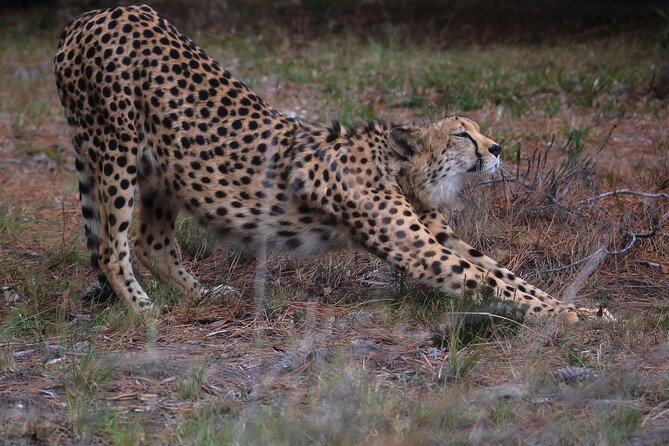
The guides are not just pointing. They connect what you see to why rescue work is necessary. In different visits and guide styles, there is a common theme: these animals were rescued or rehomed, and now they live in larger natural habitats designed around their needs.
When your guide explains behavior and biology, it changes the way you look. Instead of just seeing a tiger, you start noticing pacing patterns, ear position, attention shifts, or how an animal reacts to its surroundings. That is also where conservation status discussions become more than facts. You understand that rescue is often a last step after injuries, human exposure, or past abuse have changed an animal’s future.
Guides like Xola, Elvis, and Riko are highlighted in feedback for being enthusiastic and supportive, including with families and younger visitors. One review even frames the visit as a chance to rethink what people call zoos today and what private ownership can mean for animals that should be free, which is heavy, but also the reason this kind of sanctuary exists.
Comfort, clothing, and practical on-the-day advice
This tour runs in all weather conditions, so plan like it is South Africa, not a controlled indoor attraction. Wear comfortable walking shoes, because you will be moving through the sanctuary for about 90 minutes.
You might also want to pack light shade gear, especially for the warmer hours. If you go at a time when animals are more likely to be active, you will still want comfort because big cat sightings often come with slow, patient looking. If you are sensitive to sun, plan shade breaks like you would at a hike.
Since food and drinks are not included, it is smart to bring your own water or plan a nearby stop before you head in. If you want to stay longer after the tour, you will have to plan that separately, since the experience is centered on the guided safari walk and then returns to the meeting point.
Who this tour is best for, and who might want to adjust expectations
This is best for you if:
- You want a guided walk, not just entry.
- You care about animal rescue and conservation, not only photos.
- You like small group experiences where you can ask questions.
- You are traveling with family and want a 90-minute timeframe that holds attention.
It may not be the best “main activity” if:
- You have only one full day and want maximum variety beyond big cats.
- You are visiting at a time when animals are likely resting, like very hot late morning.
- You need a longer, multi-hour program packed with activities, because the core experience is the guided safari walk.
The balanced way to think about it: this is a strong, focused stop. For many itineraries in the Western Cape, that focus is exactly what makes it worth the ticket.
Should you book the Jukani Wildlife Sanctuary guided tour?
Book it if you want a calm, well-run big cat experience with a guide who explains what you are seeing and why rescue matters. The prepaid entry, small group size, and professional local guide make it feel efficient and fair for the price, and the mix of species means you are not locked into one enclosure for the whole walk.
Skip or adjust expectations if your day lines up with hot, inactive animal periods. In that case, go prepared to enjoy the learning, the patience, and the rescue story, not only quick action shots. If you can choose, lean toward late afternoon, and bring a little comfort gear like an umbrella for sun and shade.
If you are the type who likes real context, this sanctuary tour is the kind of ticket that turns an animal encounter into something you remember for more than a single photo.
Newest around Plettenberg Bay
- eBike Tours★ 5.0 · 5 reviews
- Seal Swimming Activity in Plettenberg Bay★ 5.0 · 23 reviews
- The Private Wildlife Tour★ 4.5 · 12 reviews
- 1.5-Hour Seal Viewing Boat Tour in Plettenberg Bay★ 4.5 · 16 reviews
- Quad Bike Fun Ride in The Crags, Plettenberg Bay★ 5.0 · 5 reviews
- Cats in Conservation★ 5.0 · 10 reviews
- 3D ARCHERY EXPERIENCE (1,5 hour guided tour) in Plettenberg Bay★ 5.0 · 25 reviews
- Birds of Eden Admission Ticket★ 4.5 · 15 reviews
Wildlife, compared.


Big Five Game Reserve Wildlife Safari from Cape Town
Read our review →


2 Day South African Wildlife Tour with 4×4 Safari from Cape Town
Read our review →

Schotia Safaris: Best Wildlife Encounters in Port Elizabeth
Read our review →
Browse the lists this tour appears in