
Reviewed · KRUGER PARK SAFARIS
Kruger National Park Full Day Safari Tour
First light is when Kruger pays off. This full-day safari is built for early gate time and drives on an open safari vehicle, which helps you pack in more wildlife hours when animals are active. You also get a guide who talks through what you are seeing, from animals to birds and plants.
I love the complimentary binoculars. They help you spot what you would miss at a distance, and they make the whole search for the Big Five feel more like you are reading the bush, not just watching it.
One thing to consider: the big costs are not all included. Kruger’s conservation and entrance fee is extra, and breakfast and lunch stops are on your own budget, so plan for meals and an early start.
In This Review
- Key highlights you should care about
- Early gate timing and why it changes your whole safari
- Open safari vehicle comfort: blankets, ponchos, and dressing right
- Your guide on the hunt: Big Five searching with real commentary
- The 08h30 to 09h15 breakfast stop and how it fits the wildlife schedule
- Lunch around 12h00, usually at Skukuza, plus midday reality checks
- Binoculars and a sightings journal: turning sightings into learning
- Photo opportunities from open vehicle days
- Price and value: what $215.52 really covers
- Who should book this Kruger full-day safari?
- Final call: should you book this Kruger tour?
- FAQ
- What time does the Kruger full-day safari start?
- How long does the tour last?
- Is pickup included, and do I get a mobile ticket?
- What is included in the tour price?
- What costs are not included?
- Are binoculars provided?
- What are the rules for children?
- Do I need a passport for this tour?
- What if I need to cancel or change my booking?
Key highlights you should care about
- First-light timing with entry shortly after the park opens, suited for cooler animal-viewing hours
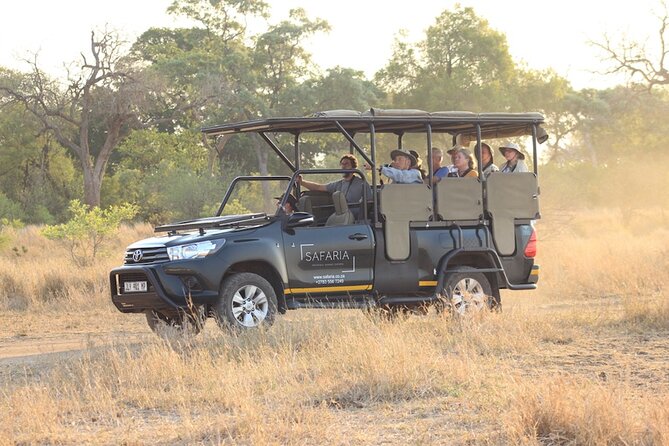
- Open safari vehicle photo setup with practical add-ons like blankets and rain ponchos
- Binoculars plus a sightings journal, so you can track animals and actually learn from each stop
- Guide commentary that covers more than animals, including birds, flora, and park context
- Camp breaks built into the schedule, with breakfast between 08h30 to 09h15 and lunch around 12h00, often at Skukuza
- Private group experience, with only your group on the vehicle, and a minimum of 2 people per booking
Early gate timing and why it changes your whole safari
This tour is designed like a morning person’s dream. You start at 6:00 am, and in summer you enter the gates shortly after opening (around 05h45), while winter entry is around 06h15. That means you are not wasting the first part of the day while the bush is still waking up.
For wildlife watching, timing matters because the heat and the traffic build pressure fast. Early drives give you a better shot at animals moving and feeding, and the light is also kinder for photos. Even if sightings are never guaranteed, starting at dawn is the smart way to increase your odds.
You also get the day structure that stays focused. There is a breakfast stop after the morning drive, then you head back out again before the hottest chunk of the day. That pattern helps you catch action early, then pause when you need to reset.
More Safaris in Kruger & Mpumalanga
- Hazyview: Private Full-Day Guided Kruger Safari
★ 4.9 · 69 reviews - Full-Day Shared Kruger National Park Safari from Hoedspruit
★ 5.0 · 46 reviews - Exclusive Sunset Game Drive Safari near Hoedspruit
★ 5.0 · 41 reviews
Open safari vehicle comfort: blankets, ponchos, and dressing right
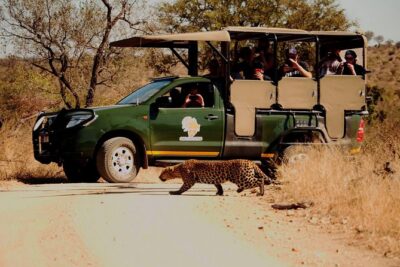
An open safari vehicle is the point. You get unobstructed views and better photo angles, and that matters when you are trying to capture quick moments. But open air also means weather swings, so comfort tools are part of the deal.
The vehicle comes with blankets and rain ponchos in case things turn damp. That is not a small detail. In Kruger, a change can be quick, and being prepared lets you keep watching instead of thinking about getting cold or wet.
What to wear is where you can really help yourself. Go with cool, functional clothes in dull darker shades so you do not stand out visually. Bring a hat and sunscreen, especially because midday temperatures can reach upward of 40 degrees, and afternoons can bring thunder showers.
In winter, expect cooler mornings and late afternoons (average around 20 to 25 degrees Celsius). You will appreciate long pants, a jacket, and a beanie for the early ride. Sunglasses are also a good call for glare when the sun finally punches through.
Your guide on the hunt: Big Five searching with real commentary
The safari is driven by the guide’s ability to read the moment. You have a professional bush guide leading you, and the format is built around guided spotting, not just driving. The open vehicle helps you follow what the guide points out, and your time feels guided from the first turn out of the camp.
A big reason this works well is how much the guide covers. The style you will experience includes animals, birds, and flora, plus park heritage and even geology. If you like asking questions, this is a day where you can spend a lot of the ride learning, then turn around and test what you just learned with your own eyes.
Also, the day has a natural rhythm. The guide keeps you informed on the plan, and the vehicle stops when people need a reset. That makes the day feel less like a rushed checklist and more like a guided search with breaks.
And yes, the Big Five are part of the theme. But the real value is the way your guide helps you notice everything around those headline animals, so even quiet stretches teach you something.
The 08h30 to 09h15 breakfast stop and how it fits the wildlife schedule
Around 08h30 to 09h15, you stop at a camp for breakfast. This is one of those moments that can either feel like downtime or like a chance to recharge and prepare for the next leg. Since breakfast is not included in the tour price, treat this as your planned fuel stop, not a free meal.
What makes it useful is timing. After a strong morning drive, you get a real pause before heading out again. That matters because midday heat can be punishing, and you want energy for the afternoon search.
It is also a chance to see camp life and reset your focus. Even when you are not walking far, you can feel the shift from “drive, spot, move” to “breathe, refuel, then go again.” If you take photos, this is also when you can adjust your camera settings and charge batteries if you brought them.
Bring cash or a card for your own breakfast costs. The day moves fast, so it is best to be ready rather than hunting for options while others are waiting.
More Kruger safaris:
- Kruger Park – Full day – Private safari vehicle
★ 5.0 · 23 reviews - 3 Night & 4 Day Private Kruger Park Safari
★ 5.0 · 23 reviews - Kruger National Park: 3-Day Safari Tour and Treehouse Stay
★ 4.0 · 23 reviews - Kruger National Park Private Full-Day Safari – Private Safari Vehicle & Guide
★ 5.0 · 19 reviews
Lunch around 12h00, usually at Skukuza, plus midday reality checks
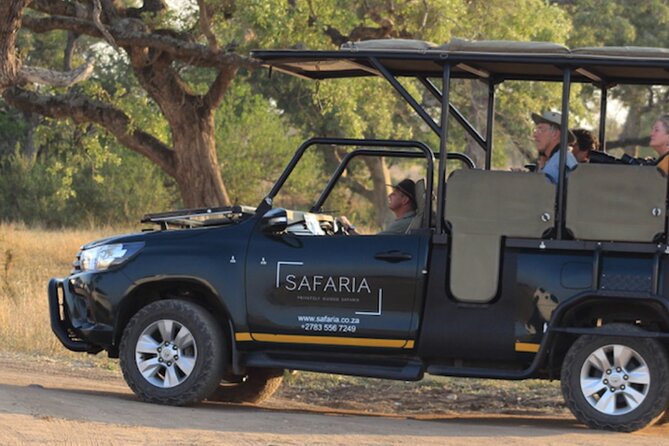
Lunch is typically around 12h00, often at Skukuza. This is the middle of the day, when animals may be less active and the sun is higher. A lunch break is not a detour here. It is part of keeping the safari realistic and sustainable.
Like breakfast, lunch is also on your own account. That is a key budget note. You will be paying for the tour and also paying for park food stops, so plan ahead so it does not surprise you later.
Skukuza is frequently used as a lunch spot, and that usually means practical access to food and a straightforward stop. The benefit for you is predictability. You know you are going to take a proper break rather than being stuck waiting in the vehicle too long.
After lunch, the day continues. You will likely have more time for calm spotting as conditions change, and you can rely on the guide’s commentary to keep your attention anchored on what matters.
Binoculars and a sightings journal: turning sightings into learning
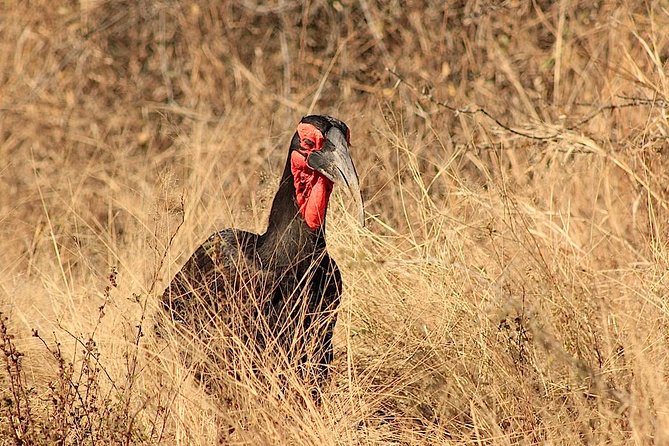
This tour gives you tools that make a difference. You get complimentary binoculars, plus a safari sightings journal. The journal is a clever idea because it nudges you to slow down just enough to record what you see.
Here is how you can use that effectively. When the guide points out something in the distance, take a moment to identify the general category, then write down details like location in your mind and behavior you noticed. Even a few quick notes help you connect the dots later.
The binoculars also change how you experience the drive. Instead of only reacting to the biggest animals, you can look for birds, tracks, and smaller movements. That is where a guided day becomes memorable, because not every sighting is a Big Five moment, and the best guides know how to keep the learning going.
If you wear sunglasses and have your hat ready, you will also find binocular viewing easier. Heat shimmer can be annoying, so keeping your eyes protected and focused helps.
Photo opportunities from open vehicle days
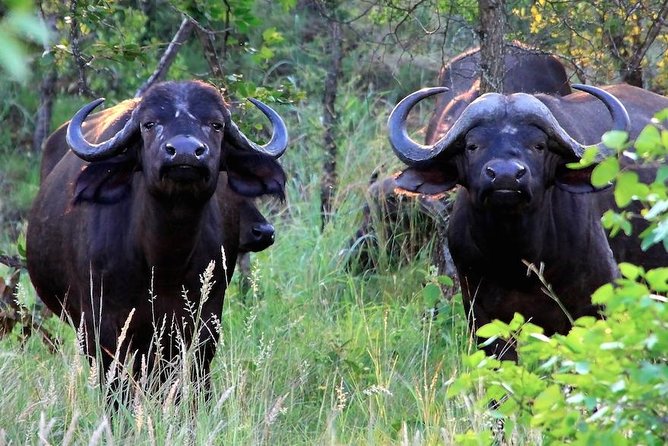
An open safari vehicle is built for photos, but it still takes strategy. The best shots usually come when you are ready before the stop, not after. Have your camera accessible, and know your basic settings.
When the guide spots something, you will want to:
- Keep the lens stable while the vehicle is still
- Focus on behavior, not just the body shape
- Take a burst of shots during the moment of movement
The tour includes a vehicle setup that supports this, including the fact that you are up and out where you can see. Blankets and ponchos help you stay comfortable, so you do not rush to pull your hands back inside when the air cools.
If you have never used binoculars while photographing wildlife, this is a useful practice day. You can scan with binoculars first, then switch to camera framing when you have a clear subject.
Price and value: what $215.52 really covers
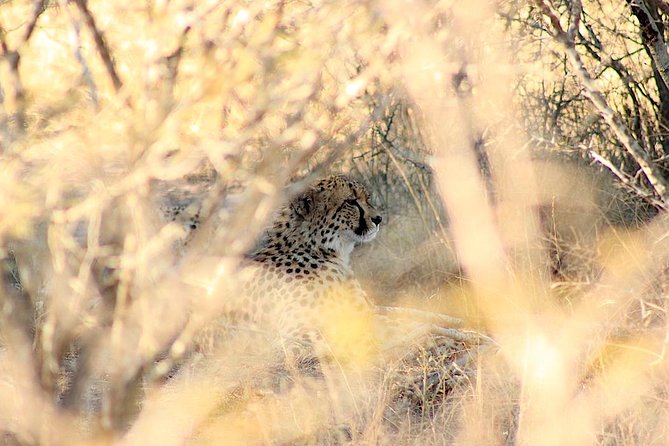
The tour price is $215.52 per person, and it is set up as an all-day guide and vehicle experience. What you should feel good about is that the cost includes key safari items, like an open safari vehicle with a professional bush guide, bottled water, coffee and/or tea, blankets and rain ponchos, binoculars, and a sightings journal.
Where value gets tested is what is not included. You will pay the Kruger National Park conservation and entrance fee separately, listed as R400 per person for the KNP International fee. You also cover meals during breakfast and lunch stops because all meals are for your own account.
So the real budget is tour price plus park fee plus your food spend plus any guide gratuity. The good news is you control meals and spending, and you are not locked into a fixed package. The practical move is to estimate lunch costs plus breakfast and keep a buffer for extras like snacks and drinks.
Also note that the tour is private for your group, and that is part of why you may see early bookings and planning. Private access can be worth it if you want a more personal pace and more focused guide attention.
Who should book this Kruger full-day safari?
This is a strong fit if you have limited time in South Africa and want one focused day inside Kruger. The morning-first schedule is ideal for maximizing the hours when animals are more likely to show themselves.
It is also a good choice if you:
- Want an open vehicle safari and clear viewing opportunities
- Appreciate deep guide talk, including birds, plants, and park context
- Like hands-on tools like binoculars and a sightings journal
The private format works well for families, too, because children 3 years and older are welcome as long as they are with an adult. Open-vehicle safaris can be an energizing day for kids, but the early start and heat swings are real, so dressing properly matters.
If you hate early mornings, you might find the 6:00 am start tough. And if you have a very tight food budget, you should know meals are not included, and breakfast and lunch stops are part of the day.
Final call: should you book this Kruger tour?
If your goal is simple, see more wildlife, learn while you search, and do it in one day, I would book this kind of safari. The combination of early timing, an open safari vehicle, and provided binoculars gives you a practical edge. Add in a guide like Andrew, who tends to mix humor with serious attention to animals, birds, and plants, and the day usually feels like more than just driving around.
I would hesitate only if you cannot handle an early start, or if paying separately for the R400 park fee and your own meals would stretch your budget. In that case, you might still safari in Kruger, but you will want a different format that bundles more of the costs.
FAQ
What time does the Kruger full-day safari start?
The start time is 6:00 am, and the tour enters the park shortly after it opens, around 05h45 in summer and 06h15 in winter.
How long does the tour last?
It runs for about 8 to 10 hours.
Is pickup included, and do I get a mobile ticket?
Pickup is offered, and you receive a mobile ticket. The activity ends back at the meeting point.
What is included in the tour price?
You get a professional bush guide with an open safari vehicle, blankets and rain ponchos, bottled water, coffee and/or tea, complimentary binoculars, and a safari sightings journal.
What costs are not included?
The tour excludes the Kruger National Park conservation and entrance fee, listed as R400 per person for the KNP International fee. It also excludes guide gratuity and travel insurance. Breakfast and lunch are for your own account during camp stops.
Are binoculars provided?
Yes. Complimentary binoculars are included.
What are the rules for children?
Children 3 years and older can join, and they must be accompanied by an adult.
Do I need a passport for this tour?
Yes. You need to provide your passport name, number, expiry, and country at booking, and you need a current valid passport on the day of travel.
What if I need to cancel or change my booking?
The experience is non-refundable and cannot be changed for any reason. If it is canceled due to the minimum traveler requirement not being met, you are offered a different date/experience or a full refund.
More National Parks in Kruger National Park
- Full Day Kruger National Park Tour
★ 5.0 · 15 reviews - Kruger National Park Sunrise Half-Day Safari Tour
★ 5.0 · 11 reviews - 4 Day Greater Kruger National Park Adventure Safari
★ 5.0 · 11 reviews - Full Day Kruger National Park Game Drive
★ 5.0 · 8 reviews
More Safari in Kruger National Park
- Exclusive Night Drive Safari near Hoedspruit
★ 5.0 · 35 reviews - Exclusive Morning Game Drive Safari near Hoedspruit
★ 5.0 · 35 reviews - Sabie Game Reserve Sunset Safari Tour with Sundowners
★ 4.5 · 18 reviews - Private 4×4 Safari Tour in Kruger National Park
★ 5.0 · 16 reviews
Newest around Kruger National Park
- Sabie Game Reserve Sunset Safari Tour with Sundowners★ 4.5 · 18 reviews
- Exclusive Night Drive Safari near Hoedspruit★ 5.0 · 35 reviews
- Sunset Game Drive in Big5 Reserve★ 5.0 · 3 reviews
- Kruger National Park Sunrise Half-Day Safari Tour★ 5.0 · 11 reviews
- Sunrise Game Drive in Big5 Reserve★ 5.0 · 6 reviews
- Private Guided Panorama Full Day Tour★ 5.0 · 7 reviews
- Shuttle Transfer from Greater Kruger to Gauteng★ 5.0 · 17 reviews
- Boat & Safari Combo – Blyde Dam Boat Cruise & Private Safari★ 4.5 · 7 reviews
Kruger Park Safaris, compared.
Kruger National Park sunrise Morning Private safari
Read our review →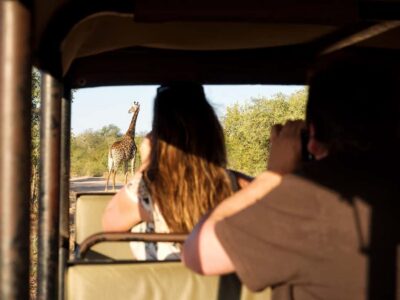
Marloth Park: Kruger National Park Safari Game Drives
Read our review →Browse the lists this tour appears in