
Reviewed · KRUGER PARK SAFARIS
Kruger National Park: Morning Safari
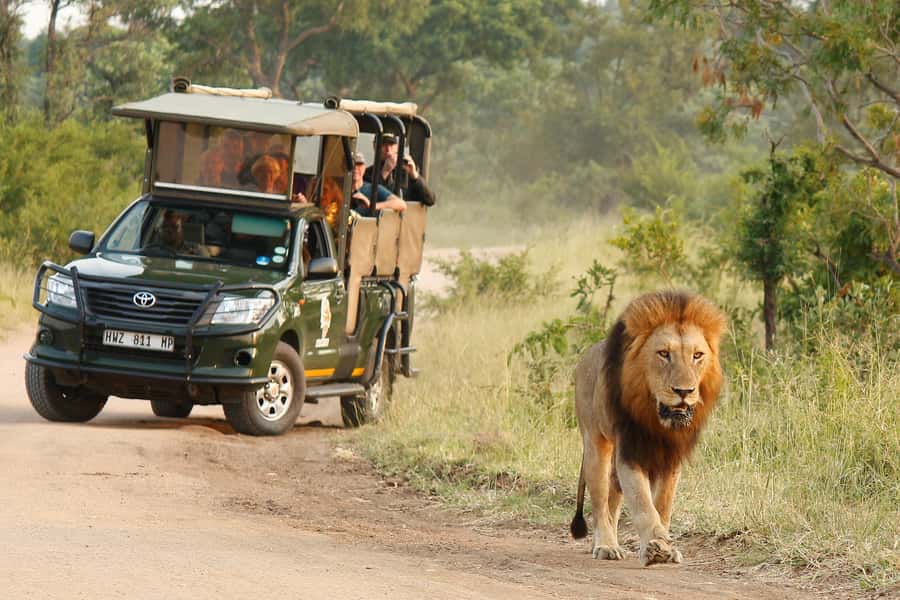
Big cats tend to show up early. This Kruger National Park morning safari is built for high-quality wildlife spotting, with a professional guide, a private vehicle, and the chance to catch Big 5 action while the day is still fresh.
I especially like the focus on finding animals along Kruger’s road network, about 200 km of roads that cut through the park. And because you’re in a private group with an English-speaking guide, the experience feels more hands-on, like you’re getting real help reading the landscape and the animals’ patterns.
One consideration: meals are not included, and you’ll likely need to budget for Kruger conservation fees at the gate (international rates are listed), so the total cost can be higher than the base price once you add that.
In This Review
- Key things I’d watch for
- Morning Safari in Kruger: Why starting early changes the day
- Private vehicle safari: the value of not sharing your game drive
- The driving plan: Kruger’s 200 km of roads and what it means
- Big 5 chances and the reality of sightings
- What the morning looks like from pickup to return
- Breakfast stops at rest camps: convenient, but you should plan ahead
- Price and conservation fees: what you’re really paying for
- Weather and packing: the small stuff that saves your morning
- Who this morning safari fits best (and who should skip)
- Choosing your expectations: a good safari is flexible
- Should you book this morning safari?
- FAQ
- How long is the Kruger National Park morning safari?
- What’s included in the price?
- Are meals included?
- Do I need to pay conservation fees separately?
- Where does pickup happen?
- What should I bring for the safari?
Key things I’d watch for
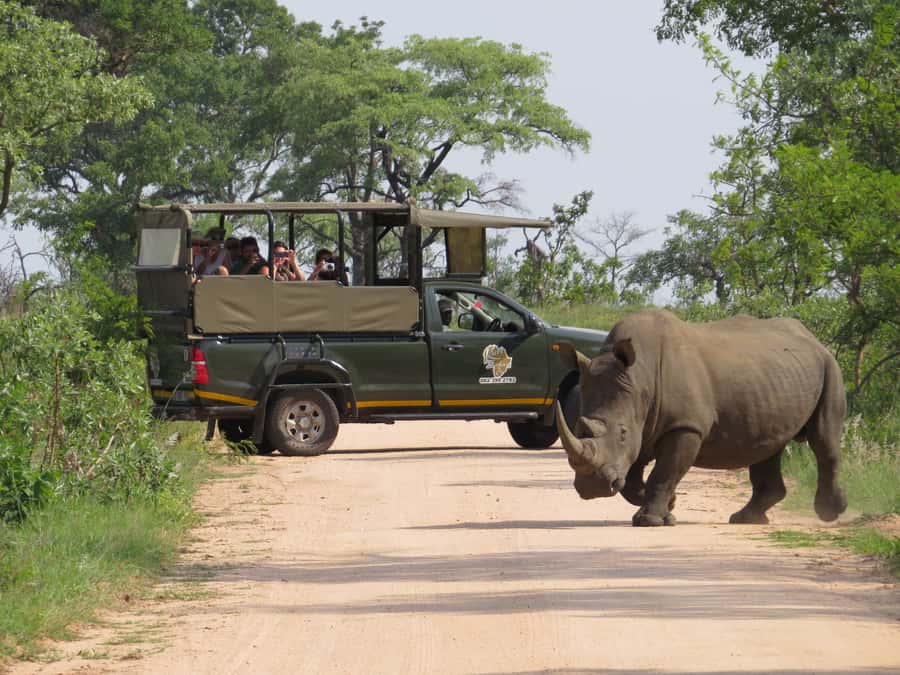
- Private safari vehicle: less waiting, more control over where you stop for sightings and photos
- Morning timing: a solid window for active wildlife and good light for pictures
- 200 km road network: guided driving across the park to target sightings
- Big 5 and 140+ mammals: strong odds in a single half-day outing
- Guide-led strategy: examples include strategic parking for shots and quick route changes for targets
Morning Safari in Kruger: Why starting early changes the day
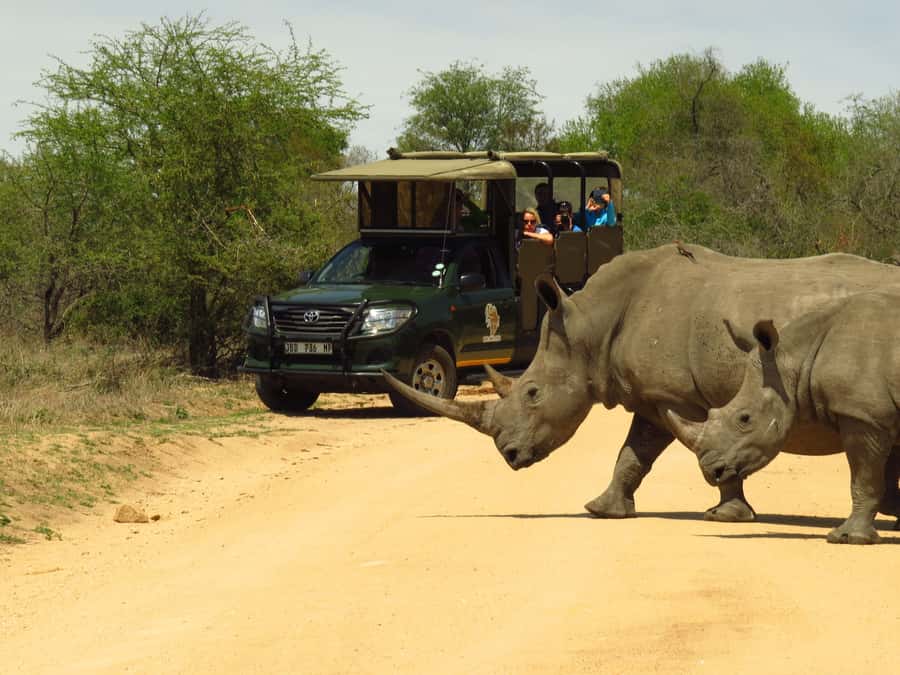
Kruger National Park is massive, and the morning hours help you use that scale wisely. This half-day tour is designed around one simple idea: get out on the roads early enough to catch wildlife while it’s moving and visible. You’re not wandering blindly. You’re going out with a guide who plans the drive and adjusts as opportunities appear.
You also get a classic safari rhythm: arrive at the right viewpoints, scan carefully, then let the guide position the vehicle for the best viewing angles. When you’re paying for a private safari experience, that planning matters. It turns the morning into something purposeful instead of just driving until you hope for the best.
The tour runs about 6 hours, but it doesn’t feel like a rushed checklist. It’s paced as a half-day safari, with time on the road and the option of a breakfast stop at rest camps along the way.
More Safaris in Kruger & Mpumalanga
- Kruger National Park Full Day Private safari
★ 5.0 · 799 reviews - Kruger National Park – Private full day Safari trip.
★ 5.0 · 347 reviews - From Hazyview: Kruger National Park Full-Day Safari
★ 4.8 · 205 reviews
Private vehicle safari: the value of not sharing your game drive
This is a private group safari, priced per group up to 10 people. That format matters because it changes how the drive feels. You’re not competing with strangers for the best side of the vehicle, and you’re not stuck with fixed group timing that forces you to wait.
The vehicle is described as high quality, and you’re guided by a professional with a live English tour guide. In plain terms, you’re buying two things: comfort and decision-making. Comfort helps on longer drives through changing weather, and decision-making helps your chances of good sightings during limited daylight.
In the experience shared in feedback, the guide also handled real-world conditions. For example, one guide named Steven brought protective items when wind picked up, and the drive continued smoothly during light rain. That kind of practical care makes a difference on an early morning when conditions can change fast.
The driving plan: Kruger’s 200 km of roads and what it means
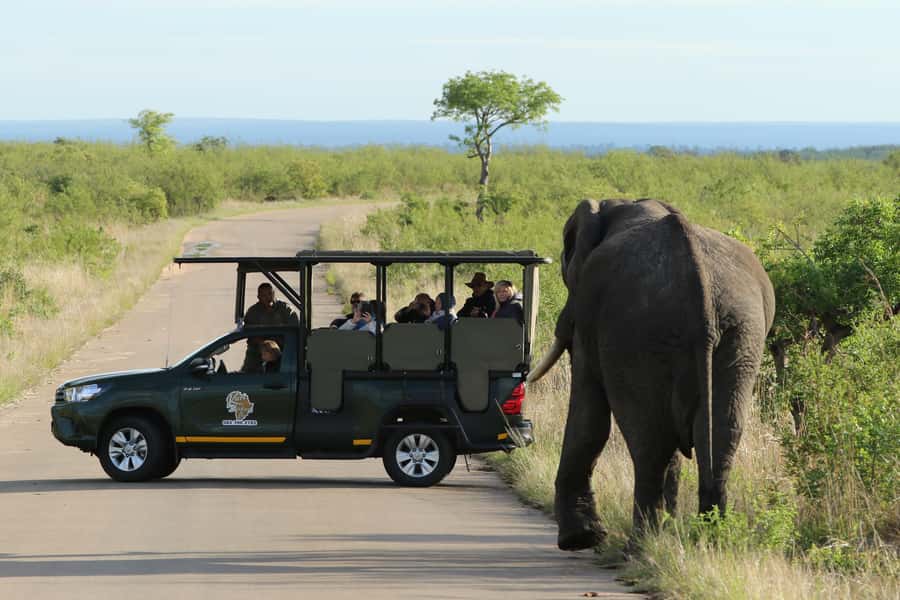
You’ll cover Kruger using its network of roads, about 200 km, and the tour is built around that system. This is important because Kruger’s wildlife doesn’t appear on a schedule. Roads are how guides reach different habitats and reposition quickly when sightings pop up.
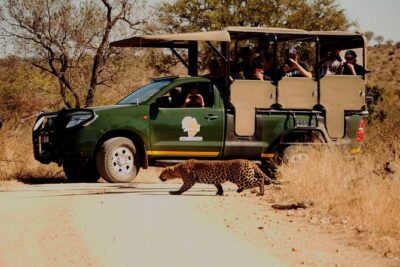
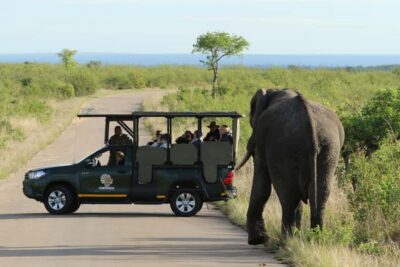
You’ll typically start after pickup from your accommodation or one of the park gates. Then you’re taken into the park in a private safari vehicle, with the guide driving strategically along routes that help maximize the chance of seeing animals. The goal is to keep you moving toward opportunities rather than staying stuck at one spot too long.
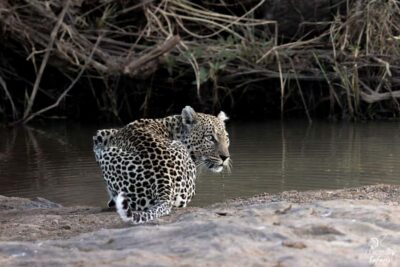
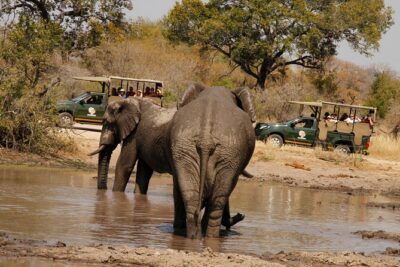
Also, this safari isn’t only about the “headline” animals. Kruger is home to the Big 5 and over 140 mammal species, and the guiding style is meant to help you notice more than just the obvious. You might see smaller creatures and learn what they indicate about the habitat. That adds depth, and it also makes the morning more interesting even when one target animal refuses to show.
Big 5 chances and the reality of sightings
Let’s be honest about safari math. You can’t guarantee Big 5 sightings on any drive, even a well-planned one. What you can control is how efficiently you search and how quickly you react when animals appear.
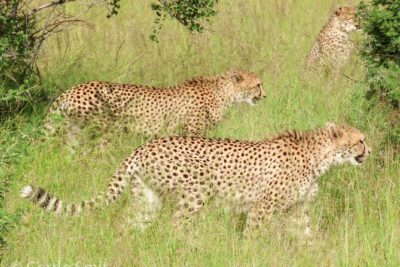
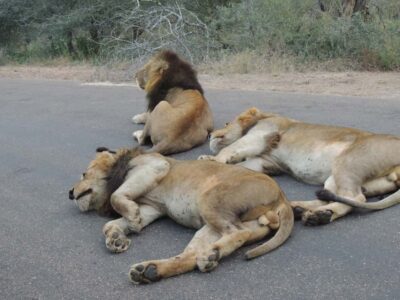
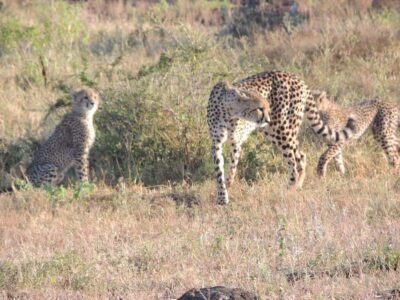
This tour is designed around that reality. The guide focuses on quality sightings and adjusts the drive based on what’s happening in the park that day and season. In feedback, guides made a real effort to spot multiple targets in sequence. For instance, there’s an account of rolling through the park quickly in search of cats, then stopping for lions, nudging through a huge buffalo herd, and later pushing the route to look for cheetah and rhino. You may not see the same lineup, but the method is the point.
So if your priority is “see as much as possible in a half day,” this is a good match. If your priority is “guaranteed rhino,” you’ll want to know you’re still playing a natural odds game.
More Kruger safaris:
- Kruger National Park sunrise Morning Private safari
★ 5.0 · 185 reviews - Kruger National Park: Full-Day Private Safari With Pickup
★ 4.9 · 122 reviews - Marloth Park: Kruger National Park Safari Game Drives
★ 4.7 · 115 reviews - Kruger National Park – Private Sunrise Half day Safari trip.
★ 5.0 · 97 reviews
What the morning looks like from pickup to return
Here’s the flow you can expect, without making it feel like a robotic itinerary.
After pickup, you’ll head into the park with a professional guide. From there, the tour typically follows the logic of early searching: scanning, stopping when wildlife appears, and repositioning along roads as needed. The guide helps you focus your attention, which is huge in a park where “nothing” can be an animal blending into dust and distance.
You’ll be on the road for a big chunk of the half-day, likely using multiple stretches of Kruger’s road network. Along the way, you’ll get complimentary mineral water, which is a small inclusion but a smart one. In Kruger, staying hydrated is practical, and it means you don’t start paying for basics right away.
A major part of the experience is also photo-friendly viewing. Several accounts describe the guide parking strategically to improve shots. That can mean choosing the right angle, avoiding unnecessary vehicle movement once an animal is at a distance where it’s still comfortable, and timing stops so you’re not fighting the sun.
Then, if you want food, the tour notes that breakfast stops are available at Kruger rest camps. Meals are not included, but the stop exists so you can grab something depending on your taste and budget.
Breakfast stops at rest camps: convenient, but you should plan ahead
This tour keeps meals out of the package, but it doesn’t ignore food altogether. You’ll have the option of a breakfast stop at Kruger rest camps, where you can choose from dishes.
That means you should think about what kind of morning you want:
- If you like an easy start, you can treat breakfast as part of the safari day and eat when you hit a rest camp.
- If you’d rather keep costs controlled, you can pack snacks and only stop for breakfast if it makes sense.
Either way, it helps to assume you’ll pay for what you eat. The price you see for the safari mainly covers the guide and the safari vehicle, not restaurant meals.
Price and conservation fees: what you’re really paying for
The base price is $249 per group up to 10 people. That can be a strong deal, especially if you’re traveling with family or friends and you can split the group cost. A private safari is not just transport. You’re paying for planning, guiding, and a vehicle that can reposition within the park.
But you should add conservation fees to estimate your real total.
The tour lists conservation fees for:
- South African citizens with ID: R134 per adult, R67 per child age 2 to 11
- International visitors: R602 per adult, R300 per child age 2 to 11
And there’s one practical detail that affects speed at the gate: conservation fees must be paid by card.
So the value question becomes: does this safari give you what you want enough to justify the combined spend? If your top goal is a guided, private Big 5-focused morning and you want the convenience of a professional guide handling the driving and spotting, the structure makes sense. If you’re trying to minimize all extra park costs, you may feel the conservation fees more than the base safari price.
Weather and packing: the small stuff that saves your morning
Kruger mornings can feel cool, then warm, and the weather can shift quickly. The tour specifically advises:
- Bring warm clothing in winter
- Bring cool clothing with a hat and a rain jacket in summer
This is not just comfort advice. It also affects how long you can stand still scanning for animals without getting stiff or drenched.
You’ll also want the right documents ready. The tour says you should bring a passport or ID card, and a copy is accepted. That’s especially useful if you’re traveling with multiple people and want to keep document handling simple.
Finally, note the rules: alcohol and drugs are not allowed. Plan around that and keep your focus on the safari, not the cool bag.
Who this morning safari fits best (and who should skip)
This experience is described as perfect for families, couples, and photographers. The private vehicle helps couples and families move as a unit, and the road-based safari approach helps photographers get repeatable chances for clean viewing angles and photos.
It’s also specifically not suitable for:
- Children under 3 years
- Pregnant women
So if you’re traveling with very young kids, you’ll want to choose a different Kruger option that fits the age limits.
If you’re a photographer, you’ll likely appreciate the guidance on where to stop and how the drive strategy can help you catch the moment. Even if you don’t get every target animal, you can still come home with a set of images that feel intentional instead of random.
Choosing your expectations: a good safari is flexible
What I love about this tour style is that it doesn’t promise magic. It promises effort, strategy, and time on the roads where sightings happen. Kruger wildlife is unpredictable, but the guide’s job is to keep you in the best positions and help you notice what’s there.
In the feedback, the best outcomes often came from persistence and quick pivots. There’s an example of a drive that covered multiple targets, from lions to cheetah, with the guide making route choices that increased the odds. Not every drive will match that pattern, but it shows what “professional guiding” can look like in practice.
So go in expecting a living park. If you can stay flexible, you’ll enjoy it more.
Should you book this morning safari?
Book this morning safari if you want a private guided drive focused on Big 5 and strong wildlife spotting chances in a half-day window. It’s especially good value when you’re traveling as a small group up to 10 people, because you’re spreading the private vehicle and guide cost.
I’d skip it or choose something else if you need guaranteed Big 5 sightings, or if your group includes children under 3 or anyone who is pregnant, since it’s not suitable for those situations. Also, go in knowing meals are not included, and plan for conservation fees at the gate paid by card.
If you’re the type of traveler who likes to get to the park early, scan patiently, and let a guide handle the puzzle of where to drive next, this one fits your style well.
FAQ
How long is the Kruger National Park morning safari?
The duration is listed as 6 hours. Starting times depend on availability.
What’s included in the price?
The safari includes a professional guide, a safari vehicle, and mineral water.
Are meals included?
Meals are not included. Breakfast stops are available at Kruger rest camps where you can choose dishes.
Do I need to pay conservation fees separately?
Yes. The tour lists conservation fees for South African citizens with ID and different fees for international visitors. You must pay by card.
Where does pickup happen?
Pickup is included either from your accommodation or from one of the park gates. You should contact the activity provider a day before to confirm pickup time and venue.
What should I bring for the safari?
Bring your passport or ID card (a copy is accepted). Dress for the season, with warm clothing in winter, and cool clothing plus a hat and rain jacket in summer.
More National Parks in Kruger & Mpumalanga
- Kruger National Park Full Day Tour Minimum 2people
★ 4.5 · 58 reviews - From Hazyview: Kruger National Park Morning Half-Day Safari
★ 4.7 · 35 reviews - Kruger National Park, Safari Game Drive.
★ 5.0 · 29 reviews - Kruger National Park Afternoon Safari
★ 4.7 · 28 reviews
More Safari in Kruger & Mpumalanga
- Kruger National Park Full-Day Safari
★ 4.8 · 71 reviews - Kruger National Park Full-Day Safari from Hazyview
★ 5.0 · 70 reviews - Hazyview: Private Full-Day Guided Kruger Safari
★ 4.9 · 69 reviews - Kruger National Park Afternoon Private safari
★ 5.0 · 67 reviews
Newest around Kruger & Mpumalanga
- Sabie Game Reserve: Sunset Safari with Sundowners★ 4.7 · 6 reviews
- Panorama Route★ 5.0 · 3 reviews
- Hazyview: Panorama Full Day Guided Tour★ 4.7 · 17 reviews
- Panorama Route and Blyde River Canyon Tour from Hoedspruit★ 5.0 · 11 reviews
- Moholoholo Rehabilitation Centre★ 4.5 · 11 reviews
- Marloth Park Quad Biking Adventure 1-hour Off-Road★ 4.7 · 3 reviews
- Malelane & Komatipoort: Kruger National Park Half-Day Safari★ 4.6 · 12 reviews
- Marloth Park: Bush Braai Dinner & Game Drive in Kruger Park★ 3.9 · 4 reviews
Kruger Park Safaris, compared.
Kruger National Park sunrise Morning Private safari
Read our review →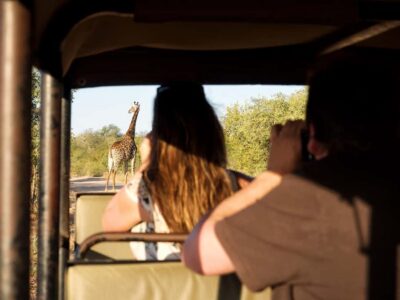
Marloth Park: Kruger National Park Safari Game Drives
Read our review →Browse the lists this tour appears in