
Reviewed · KRUGER & MPUMALANGA TOURS
Moholoholo Rehabilitation Centre
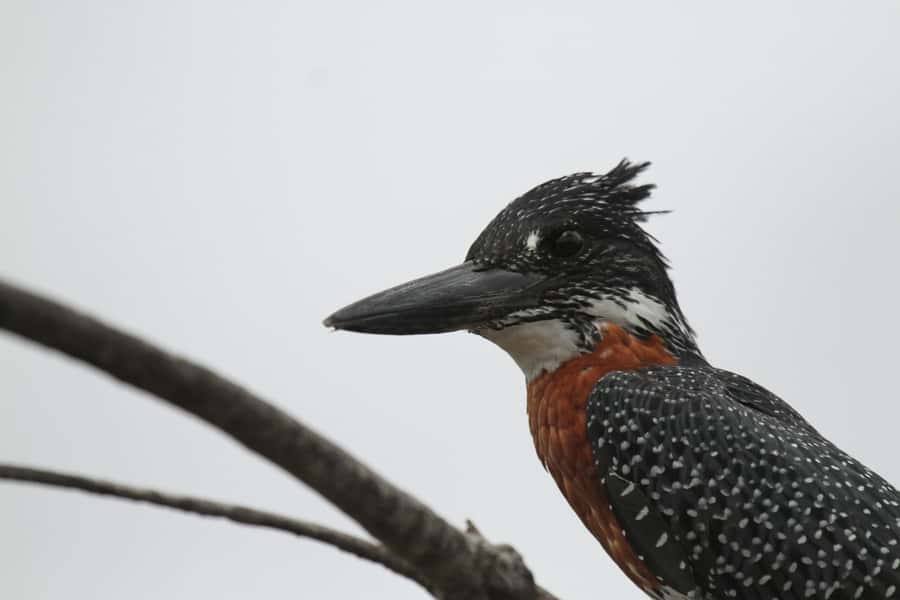
Moholoholo is where conservation becomes real. You get a small-group guided visit that lets you watch wildlife rehab up close, then understand the hard choices behind it. I really like the detailed animal stories, and how the tour connects those individual cases to wider conservation challenges.
The other thing I like is the mix of outcomes, some animals move toward release, while others need a permanent home. That makes the visit feel honest, not just hopeful. The only real drawback to think about is the day still has travel time by car, so if you prefer maximum time on site, plan for the full 4 hours.
In This Review
- Key highlights worth planning around
- Moholoholo Wildlife Rehabilitation Centre in Limpopo, and why it matters
- Getting there from Matumi Destinations, and how the timing feels
- Inside the guided rehab tour: what you actually see
- The animal stories that turn sightings into understanding
- Rehabilitation outcomes: release versus permanent home
- Conservation education you can use later, not just on site
- What to bring and wear for a comfortable Limpopo visit
- Group size, English tour, and the pace you will feel
- Price, transfers, and why $40 can feel like fair value
- Who this Moholoholo visit suits best
- Should you book Moholoholo, or skip it?
- FAQ
- How long is the Moholoholo Rehabilitation Centre experience?
- Where do I meet for the tour in Hoedspruit?
- What language is the tour guide?
- Is it a small group?
- What should I bring and wear?
- What is included in the $40 per person price?
Key highlights worth planning around
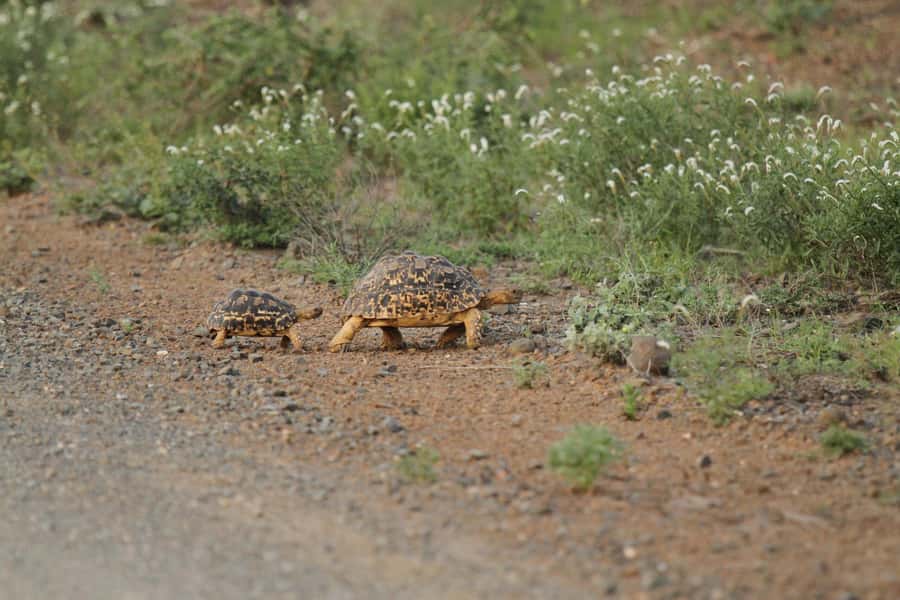
- Up-close wildlife rehab viewing that makes animal care feel tangible
- A guided tour that explains each case instead of treating animals like simple exhibits
- Real conservation context, including the challenges animals face today
- Small group size (up to 10) for a calmer, more personal pace
- Different outcomes for different animals, including permanent care when release is not possible
Moholoholo Wildlife Rehabilitation Centre in Limpopo, and why it matters
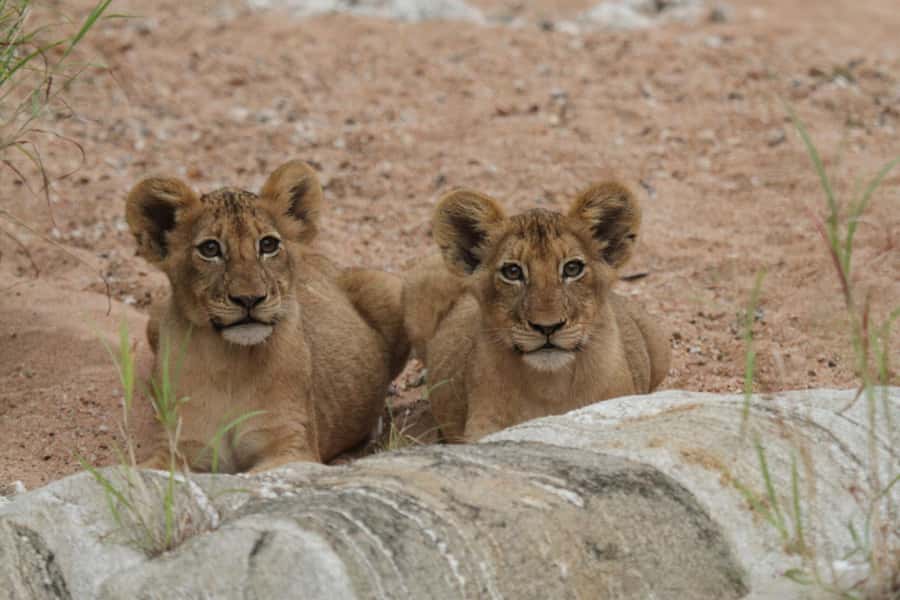
Moholoholo Wildlife Rehabilitation Centre in Limpopo is built around one job: caring for wildlife that needs medical help and expert attention. Many of the animals arrive after injury, abandonment, or poisoning. That matters because you are not just looking at wildlife, you are seeing the results of human impact and the work it takes to fix some of that damage.
I also like that Moholoholo does not simplify the story. Some animals can be rehabilitated and returned to the wild, but some cannot. On the tour, that distinction is central, and it helps you understand that conservation is both science and long-term responsibility.
The center also serves as an education space. You leave with a clearer sense of what wildlife rehabilitation actually involves, and why it is not a quick fix. For many visitors, the emotional hit is part of what makes it memorable, but the practical explanation is what makes it useful.
A few more Hoedspruit trips worth comparing
- Hoedspruit: Blyde River Canyon Dam Boat Cruise
★ 4.7 · 196 reviews - Kruger Park Scheduled Full day Safari Drive from Hoedspruit
★ 4.7 · 53 reviews - Big 5 Safari Am or Pm
★ 4.4 · 30 reviews
Getting there from Matumi Destinations, and how the timing feels
This experience runs about 4 hours end to end. You start at Matumi Destinations in Hoedspruit, then you travel directly by car to the rehab centre. After the visit, you are taken back to the same collection point, so the logistics stay simple.
The guided tour itself is about 1.5 hours. That is a good length for a conservation site, long enough for meaningful explanation, short enough that you do not feel rushed through animal enclosures. Your best move is to treat that 1.5 hours as the main event, even though the total time is longer.
One consideration: the car transfer experience may feel less flexible if you like setting your own pace. If you are the type who wants complete control over stops and timing, you might prefer self-driving. If you like having the plan handled for you, the provided transfer is a relief.
Inside the guided rehab tour: what you actually see
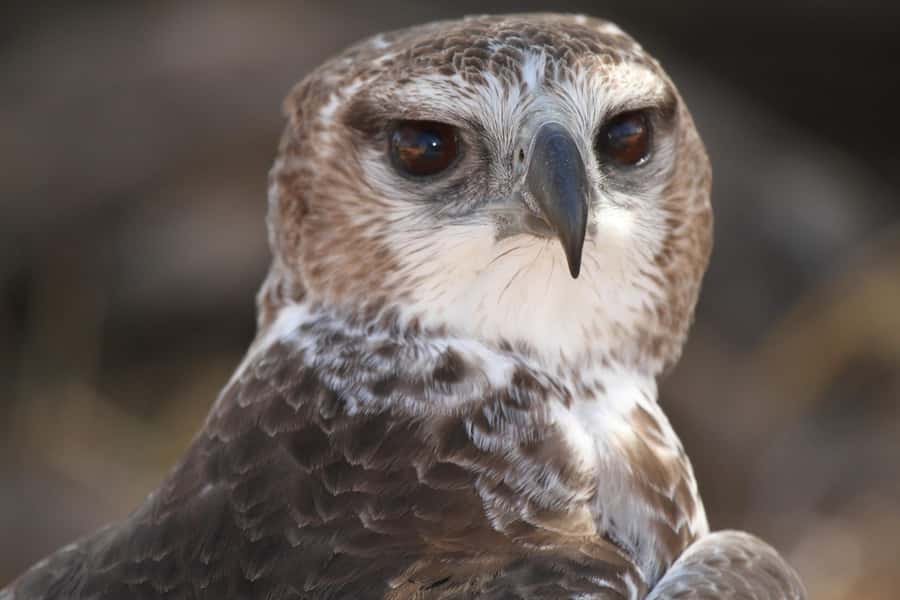
The core of Moholoholo is the guided tour inside the rehab centre. You get the chance to observe animals up close in the rehabilitation environment, while an English-speaking guide walks you through what you are looking at.
Because the cases vary, the atmosphere can shift from room to room or section to section. The important point is that the animals are not there by accident. The whole visit is structured around what animals need and why their care is specialized.
You can expect an educational flow rather than a casual walk. You are guided to notice what rehab means in real terms, and how caretakers respond to the reasons an animal needs help.
The animal stories that turn sightings into understanding
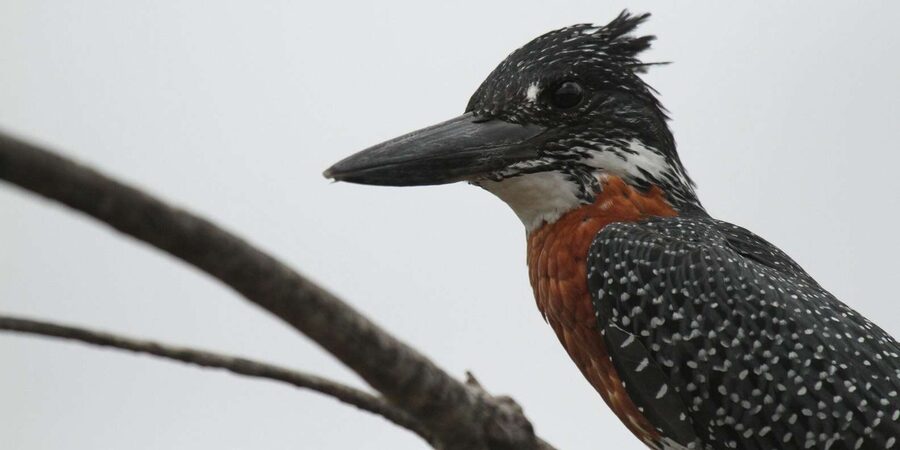
The most highly praised element is the detailed story told for each animal. That is where Moholoholo becomes more than an animal-spotting outing. Instead of just seeing movement, you get context about injury and the path toward recovery.
The stories also help you understand a key reality of wildlife rehab: cases are often complicated. Injury is not always visible. Abandonment can lead to exposure and poor survival conditions. Poisoning adds urgency because the body can be affected in ways that require fast, careful treatment.
Even when you know some conservation basics, these explanations give you a more grounded view. You start to understand the daily challenges rehab facilities face, including the need for professional care and the long-term commitment when release is not possible.
Same province, a very different day:
- Hoedspruit: Panorama Route Guided Private Tour
★ 4.9 · 16 reviews - From Hoedspruit: Full Day Panorama Route Tour
★ 4.2 · 11 reviews - Hoedspruit: Evening Safari In Greater Kruger Private Reserve
★ 5.0 · 9 reviews - Kruger National Park: 3 Day Safari Tour
★ 5.0 · 7 reviews
Rehabilitation outcomes: release versus permanent home
A major theme at Moholoholo is that rehabilitation has different endings. Some animals can be rehabilitated and released back into the wild. That process takes time and depends on whether an animal can function safely in its natural environment.
Some animals cannot be released. In those cases, Moholoholo provides a permanent home. For you, this is not a sad footnote. It is the practical side of conservation, the part that does not disappear once the animal stops being sick.
This makes the visit feel honest. You are not sold an overly cheerful message. Instead, you learn how conservation works when nature and human interference collide, and what it takes to give wildlife a second chance when possible.
Conservation education you can use later, not just on site
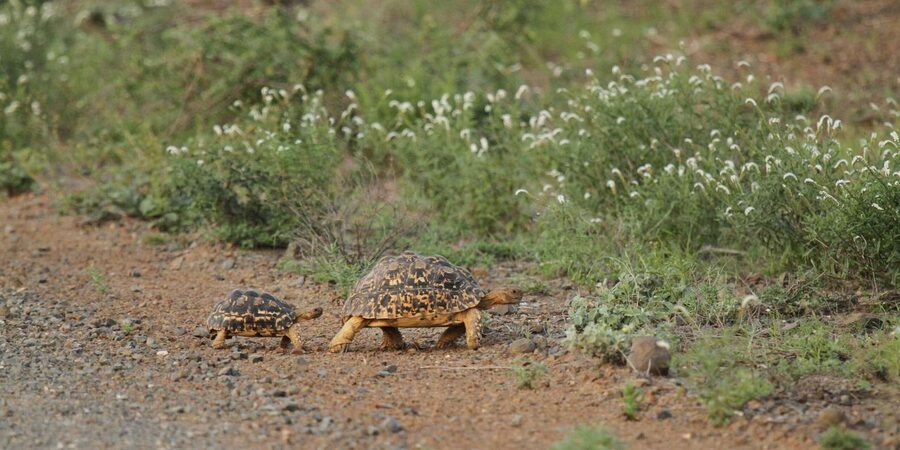
Moholoholo aims to educate visitors about conservation and the challenges animals face in today’s world. That education matters because it helps you interpret what you see outside the center too.
After a visit like this, you are more likely to notice the bigger patterns: why certain threats matter, how rehabilitation fits into a larger conservation system, and why animal welfare cannot be separated from environmental protection.
You will also walk away with a clearer sense of what a rehab facility actually offers. It is not just feeding and shelter. It is professional care, careful monitoring, and a plan for the animal’s best possible outcome, whether that means release or long-term support.
What to bring and wear for a comfortable Limpopo visit
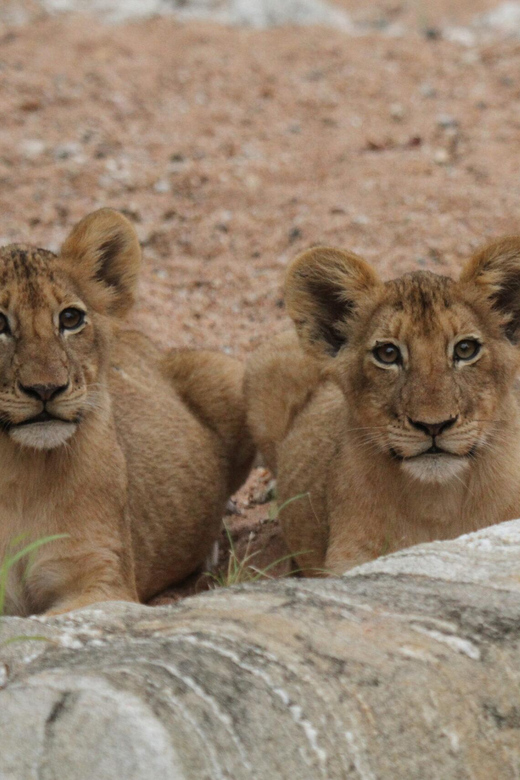
This is a half-day style visit, and you will spend time outdoors. Bring sunglasses and a sun hat, and use sunscreen. Also plan on closed shoes, since you want secure footing around the facility.
Bring a passport or ID card. That is especially important when transfers and entrance processes are tied to the booking.
Clothing tips matter here. A warm jacket is recommended, particularly in winter months. A rain jacket is useful in summer months. Layering works best because weather in Limpopo can change across a few hours.
If you want one simple checklist, it looks like this:
- Passport or ID
- Sunglasses and sun hat
- Sunscreen
- Closed shoes
- Warm jacket, plus a rain jacket when relevant
- Camera, if you like documenting what you learn
Group size, English tour, and the pace you will feel
The tour is English and the group is small, limited to 10 participants. That matters more than it sounds. With fewer people, the guide can explain details without rushing and you get more chances to ask questions or focus on what interests you most.
A smaller group also tends to make the visit feel more respectful. Wildlife rehab is a sensitive topic, and having a calm pace helps you take in the explanations and the environment without feeling squeezed.
You should also expect a guided structure, not a free-form stroll. You will see a planned route and information will come in a logical sequence, from animal cases to conservation takeaways.
Price, transfers, and why $40 can feel like fair value
The price is listed at $40 per person. On paper, that is not a bargain and it is not a splurge either. The value comes from what is bundled and what is included.
You are paying for:
- Transfer to and from Moholoholo Rehabilitation Centre
- Entrance fee for the guided tours
- A live English-speaking guide
- A small-group visit with a defined tour time
When you factor in that the total experience is about 4 hours door-to-door, the pricing starts to make sense. You also do not have to puzzle out directions or timing, which is a real convenience in a place like Hoedspruit where travel planning affects the whole day.
If you are a wildlife lover who wants more than quick animal viewing, you will likely feel the cost is justified. If your priority is maximum time in the open air with no structured talk, you may feel the tour format is not your style. That is the trade-off.
Who this Moholoholo visit suits best
Moholoholo is a strong choice if you want a conservation-focused wildlife experience in Limpopo. It fits best for people who like learning how things work, not just what animals look like.
It is also a good match if you care about animal welfare and want to see the behind-the-scenes side of rehab. The guided explanations and the emphasis on outcomes, including permanent care, make it feel thoughtful and educational.
If you are traveling with limited time in Hoedspruit, the 4-hour format is handy. You can fit it into a bigger itinerary without turning the day into a long logistical puzzle.
Should you book Moholoholo, or skip it?
I think you should book Moholoholo if you want a meaningful wildlife experience that teaches you how rehabilitation and conservation connect. The strongest reason to go is the guided storytelling, with case-by-case detail, paired with close viewing inside the rehab environment. The center also explains the honest outcomes, which helps you leave with understanding instead of vague inspiration.
Skip it only if you strongly prefer unguided time and you do not want a structured talk. Also consider the transfer time, because the car ride is part of your day. If you can accept that and focus on the 1.5-hour guided experience, this is a very solid way to use half a day in Limpopo.
FAQ
How long is the Moholoholo Rehabilitation Centre experience?
The total experience lasts about 4 hours, including transfers and a guided tour of about 1.5 hours at the centre.
Where do I meet for the tour in Hoedspruit?
You depart from one of the three main retail centres in Hoedspruit under Matumi Destinations.
What language is the tour guide?
The live tour guide speaks English.
Is it a small group?
Yes. The group is limited to 10 participants.
What should I bring and wear?
Bring a passport or ID card, sunglasses, a sun hat, sunscreen, and a camera if you want photos. Wear closed shoes. A warm jacket is recommended in winter, and a rain jacket is recommended in summer.
What is included in the $40 per person price?
The price includes transfer to and from Moholoholo Rehabilitation Centre and the entrance fee for the guided tour.
Newest around Hoedspruit
- Panorama Route★ 5.0 · 3 reviews
- Kruger Park Scheduled Full day Safari Drive from Hoedspruit★ 4.7 · 53 reviews
- Kruger National Park: 3 Day Safari Tour★ 5.0 · 7 reviews
- Kruger Park Full Day Safari From Hoedspruit★ 5.0 · 4 reviews
- Hoedspruit: Panorama Route Guided Private Tour★ 4.9 · 16 reviews
- Hoedspruit: Sunrise Safari in Greater Kruger Private Reserve★ 5.0 · 6 reviews
- Hoedspruit: HALF Day in the Iconic Kruger National Park!★ 5.0 · 3 reviews
- Hoedspruit: Evening Safari In Greater Kruger Private Reserve★ 5.0 · 9 reviews
Kruger & Mpumalanga Tours, compared.
Kruger National Park sunrise Morning Private safari
Read our review →
Marloth Park: Kruger National Park Safari Game Drives
Read our review →Browse the lists this tour appears in