
Reviewed · GARDEN ROUTE TOURS
Plettenberg Bay: Cats in Conservation Full Day Tour
Cats have a rescue story worth your time. At Tenikwa, you spend the day with guides and animal keepers caring for indigenous wild cats and seeing how rehabilitation and hospital work actually runs. You also get built-in photo time and a real behind-the-scenes feel.
I especially like the early enclosure checks, because it shows you what conservation looks like before the crowds arrive. I also love that the day continues through feeding and the night routine, so you see the full rhythm of care. One consideration: it is an active, all-weather day with walking and outdoor time, so comfy shoes matter.
In This Review
- Key things that make this Tenikwa cat tour worth it
- Tenikwa Conservation Center: what you are really paying for
- Morning start: enclosure checks and an optional Boma breakfast
- The guided wild-cat tour: learning conservation, not just names
- Behind-the-scenes work: enrichment for non-releasable cats
- If weather allows: Tsitsikamma forest walk for a slower pace
- Lunch with a drink: practical comfort in a long day
- Feeding time: helping prep food and watching the feedings
- Night-time securing: seeing what happens after the photos end
- Equipment, rules, and what to pack so your day feels easy
- Price and value: is $104 a fair deal?
- Who this tour is for, and who should skip it
- Should you book Cats in Conservation in Plettenberg Bay?
- FAQ
- What is the duration of the Plettenberg Bay Cats in Conservation tour?
- Where does the tour start?
- What is included in the price?
- Is hotel pickup and drop-off included?
- Are children allowed?
- Is the tour all-weather?
- Are selfie sticks allowed?
- Can I touch or feed the animals?
- Is the tour wheelchair accessible?
- What should I bring?
Key things that make this Tenikwa cat tour worth it
- Early keeper tasks that start with enclosure checks around the center
- A private, guided tour of wild cats of South Africa, with real conservation context
- An enrichment exercise designed for non-releasable animals, focused on daily quality of life
- A Tsitsikamma forest walk when time and weather permit
- Hands-on participation in food prep, feedings, and securing animals for the night
Tenikwa Conservation Center: what you are really paying for
This tour is not a quick cat viewing trip. You are paying for access to a working wildlife rehabilitation and awareness center, plus structured time to learn how the place supports South Africa’s indigenous wild cats.
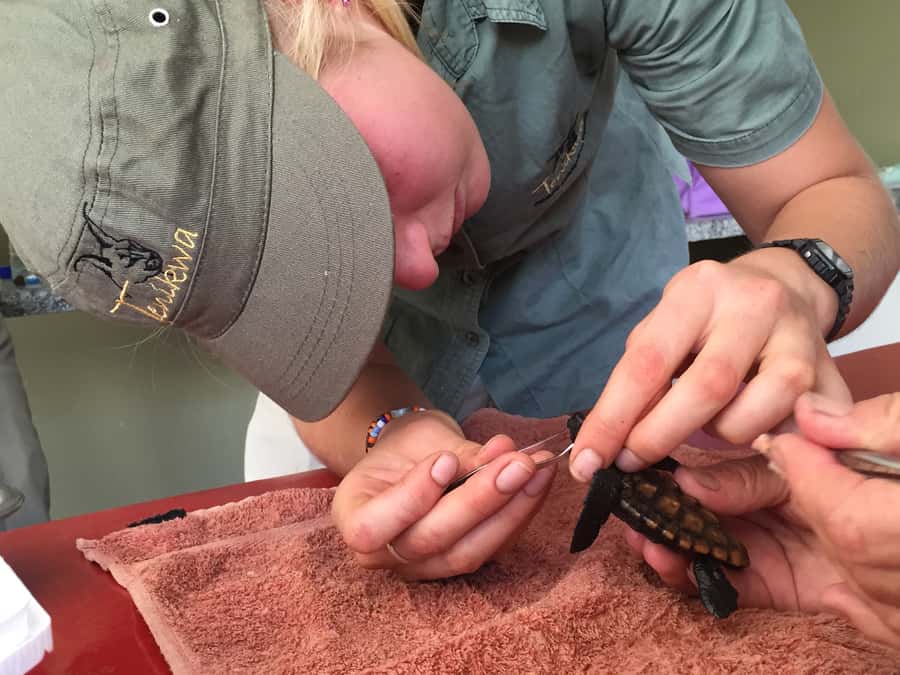
That behind-the-scenes angle is the value. You see how animals are admitted and cared for in the wildlife hospital setting, and you get a better understanding of why some animals can return to the wild and why others become part of long-term care.
The tone across the day is practical. You are given a job to do, with guidance, and you are there to observe how professional animal-keeping staff manage risk, health, and routine.
More Garden Route trips:
- From Cape Town: 2-Day Safari at Garden Route Game Lodge
★ 4.8 · 928 reviews - Plettenberg Bay: Swim with Seals
★ 4.7 · 887 reviews - Knysna Ziplines Tour
★ 5.0 · 688 reviews
Morning start: enclosure checks and an optional Boma breakfast
Your day begins at the Tenikwa Wildlife Rehabilitation and Awareness Centre, where you start with a short safety briefing. Then the real work begins with early morning tasks and enclosure checks around the center.
This is one of my favorite parts to recommend, because it sets expectations. Conservation centers do not run on drama. They run on timing, consistency, and lots of small observations. Even if you only see a slice of the routine, it helps you connect the dots between what you are watching later and what came first.
If you want something soothing before the animal time, there is an optional breakfast at the Boma restaurant with coffee or tea. It is a nice buffer, especially if you are arriving early and want fuel before being outdoors.
The guided wild-cat tour: learning conservation, not just names
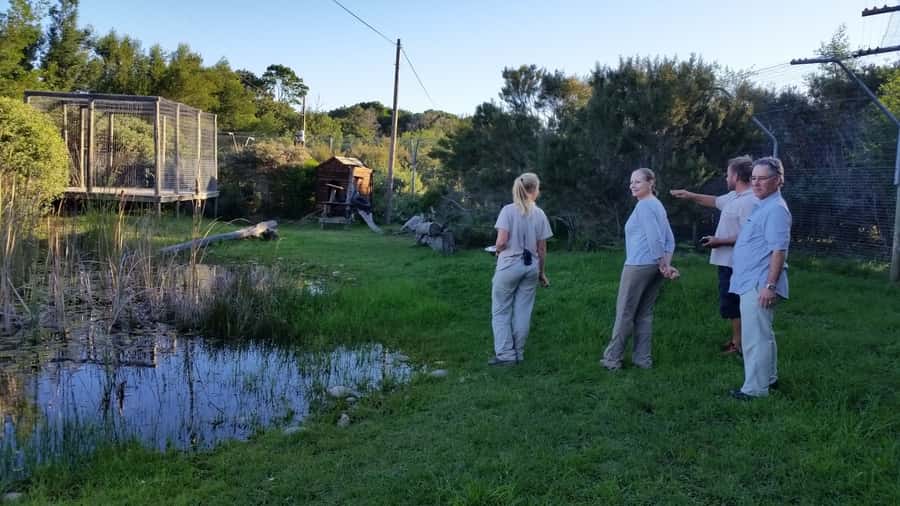
After breakfast and getting oriented, you settle into a guided tour where you visit the different wild cats of South Africa. You go with a guide who explains the conservation issues tied to the species you are seeing, not just how they look.
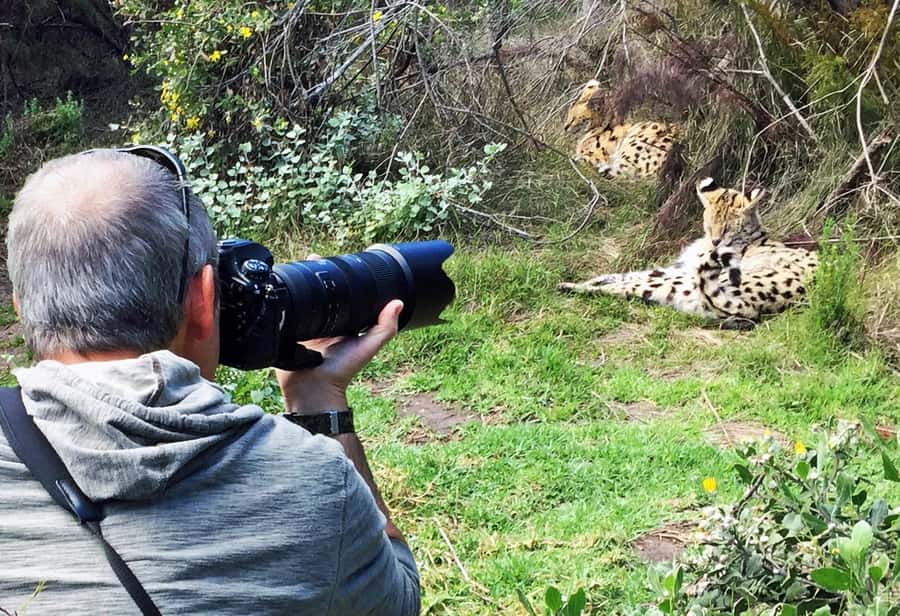
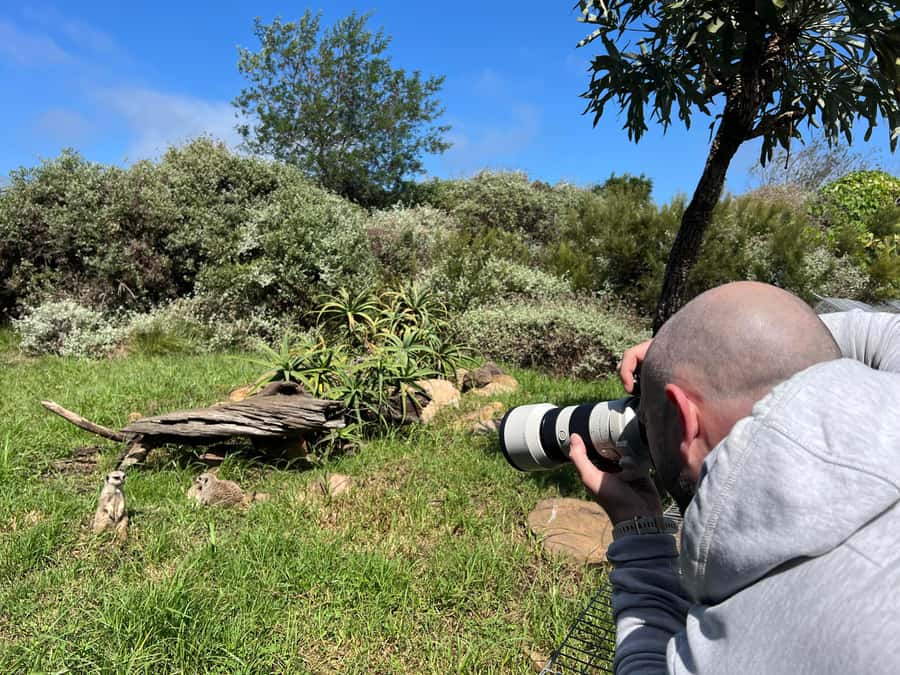
Photo time is also part of this section. The center is set up so you can photograph the cats, with the added bonus that your guide can point out where good viewing angles tend to be.
A small but meaningful detail: the experience leans on guide personality and animal familiarity. One guide named Msizi is specifically noted for knowing the cats well, including their individual names and personalities, and for explaining their needs in a way that feels personal rather than textbook.
What to keep in mind: you will be close enough for great viewing, but you cannot touch or feed the animals. That rule keeps everyone safe and helps the animals stay comfortable.
Behind-the-scenes work: enrichment for non-releasable cats
Midday is where the tour becomes genuinely hands-on in a quiet, purposeful way. You help out in a life-enrichment exercise for the non-releasable animals. These are animals that, for one reason or another, cannot return to the wild.
This part is valuable because it reframes what enrichment means. You are not there for tricks or stunts. You are supporting daily choices that help animals live with better mental stimulation and physical routine while in captivity.
It is also a good time to ask questions. Since you are with staff and your guide, you can understand the difference between keeping animals alive and keeping animals thriving.
If you are the type of traveler who dislikes animal activities that feel exploitative, this is where the tour makes a strong case for itself. The focus stays on quality of life and professional care.
Same province, a very different day:
- Little Brak River: Botlierskop Guided Game Drive
★ 4.7 · 589 reviews - Plettenberg Bay: Bungee Jumping with Zipline and Sky Walk
★ 5.0 · 506 reviews - Storms River: Tsitsikamma National Park Zipline Canopy Tour
★ 4.7 · 481 reviews - Knysna: 75-Minute Lagoon Boat Cruise
★ 4.5 · 445 reviews
If weather allows: Tsitsikamma forest walk for a slower pace
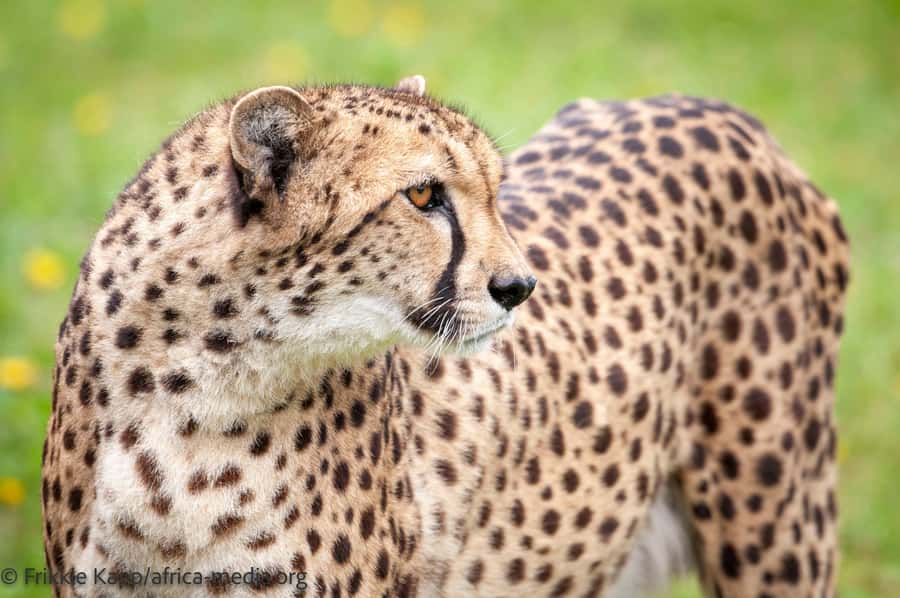
After lunch, you may get a guided walk through the indigenous Tsitsikamma forest, depending on time and weather. This is a good break from constant animal viewing, and it also adds context for the region itself.
I like this moment because it helps balance the emotional weight of conservation learning. You get to reset your head in a natural setting, and you are less likely to feel rushed.
Do not plan this like a guarantee. The tour is described as all-weather, and the forest portion depends on conditions. If it does run, you will enjoy the change of pace and the chance to move at a comfortable walking tempo.
Lunch with a drink: practical comfort in a long day
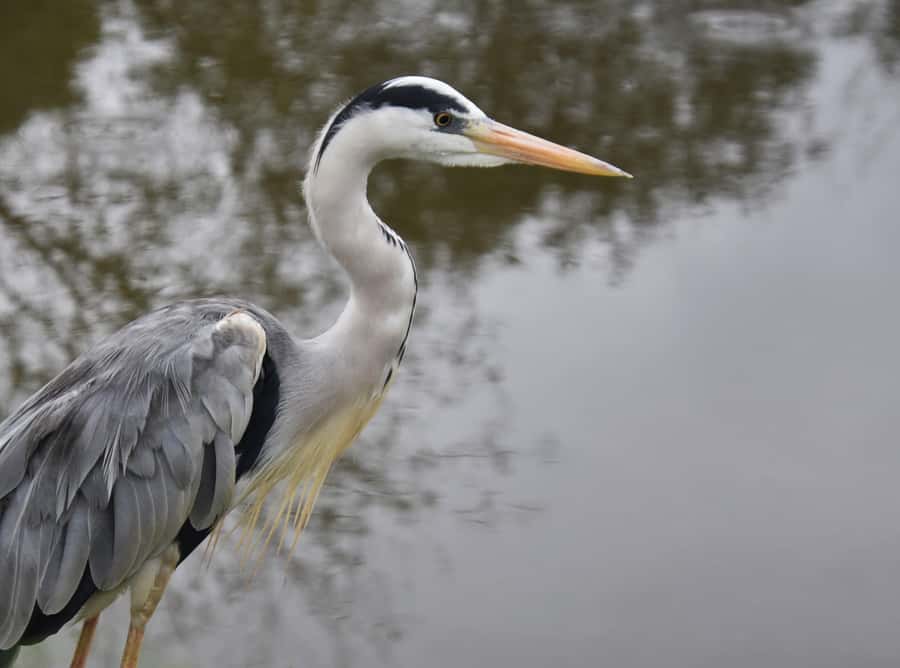
Lunch comes with one included drink, and you get options like coffee, tea, beer, wine, or a non-alcoholic drink. This matters because it turns the meal from a basic stop into a real recharge point.
The tour also includes time for a picnic-style break setup, so you can reset before the afternoon work. For a full-day program, that pacing detail helps. You are more likely to stay alert and engaged during the feedings later.
If you are sensitive to heat or sun, use lunch time to apply sunscreen and adjust layers. The day mixes outdoor walking and indoor or sheltered viewing.
Feeding time: helping prep food and watching the feedings
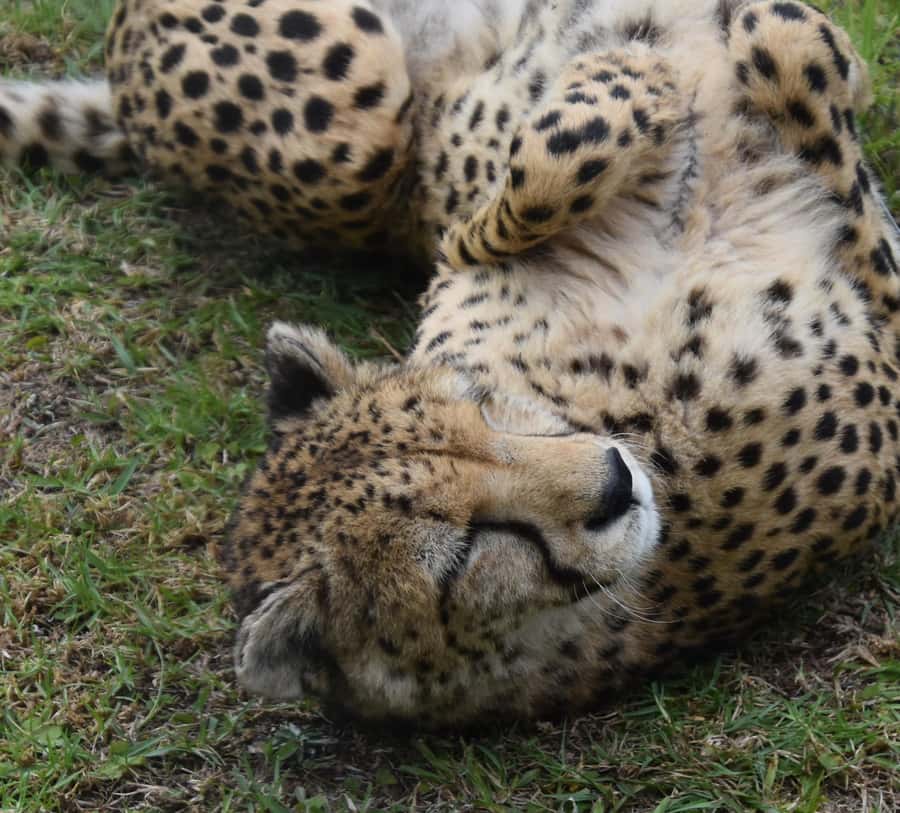
The afternoon shifts into food preparation and feeding support. You help the animal-keeping staff prepare food for the animals, and you may accompany staff to watch the feedings.
This section can feel both fascinating and sobering. You are seeing the logistics behind daily animal care, and it reinforces why routine matters so much in rehabilitation settings.
It also is one of the best times for photos, because the animals are active around feeding. Just remember the rules: cameras are welcome, but selfie sticks are not allowed, and you still cannot touch or feed animals.
If you care about animal welfare, this is where you get reassurance. A well-run center looks calm. Animals look relaxed in their enclosures, and staff move with practiced efficiency.
Night-time securing: seeing what happens after the photos end
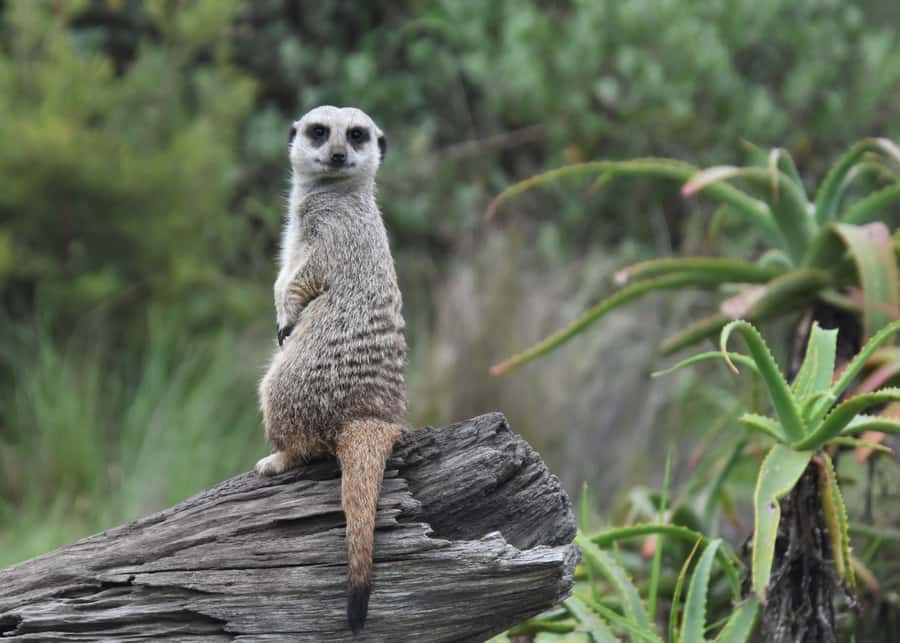
Late in the day, you accompany staff as they secure the animals for the night. This is the part many short tours skip. It is also one of the most important, because it shows care does not stop when the visitor portion of the day ends.
This gives you a fuller picture of what animal-keeping involves: planning, securing spaces, and making sure the animals have safe, consistent conditions overnight.
From a traveler perspective, I like that the day closes with this structured activity. It makes your learning feel complete, not like you only saw the highlights.
Equipment, rules, and what to pack so your day feels easy
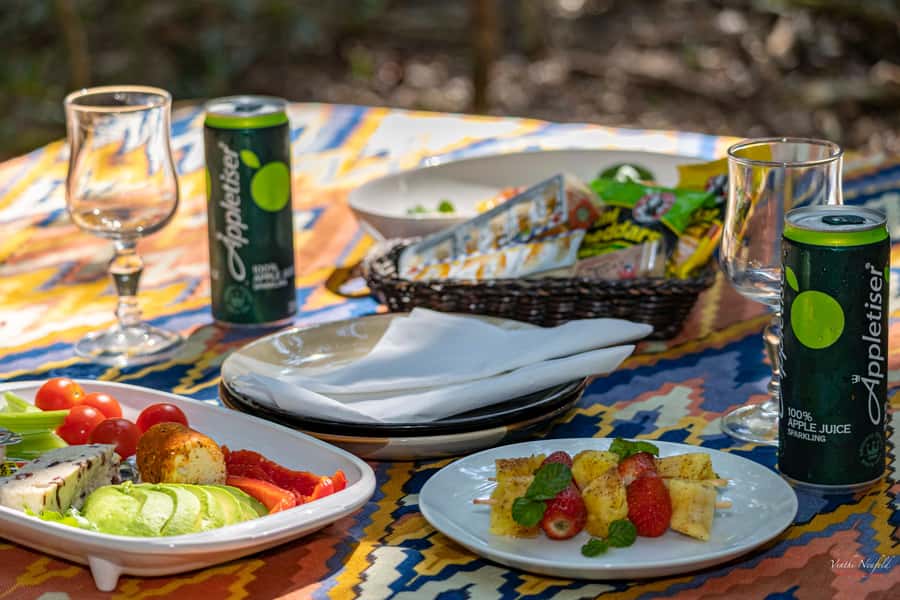
The center provides rain gear if weather turns, so you are not stuck improvising in bad conditions. You also get bottled water.
Still, you should bring:
- Comfortable shoes you can walk in for a full day
- Sun hat, sunscreen, and insect repellent
- Comfortable clothes you do not mind getting a little dirty
And follow the rules:
- No selfie sticks
- No touching animals
If you like crisp photos, I recommend a camera strap or a compact setup you can manage with one hand. The no-selfie-stick rule is easy to work around, but it changes how you position yourself.
Price and value: is $104 a fair deal?
At $104 per person for a full day, the price can feel steep until you look at what you are actually getting.
You do not just get a guided tour. The included items are substantial:
- Guide and a private wildlife tour
- Breakfast with coffee or tea
- Lunch with 1 included drink
- Observation in rehabilitation facilities that are not open to the general public
- Behind-the-scenes activities with animal keepers
- Rain gear when needed and bottled water
Not included are things like hotel pickup and drop-off, plus additional snacks and drinks beyond the included lunch drink.
So the value equation works best if you want the full experience, not only a cat-and-photos loop. If you are the type who enjoys learning how conservation centers operate, and you do not mind an active schedule, this is a strong use of money. If you only want quick animal viewing with minimal walking, you may feel the day is more work than you expected.
Who this tour is for, and who should skip it
This experience is designed for adults and older kids, but it is not suitable for children under 9 years.
It is a great fit if:
- You like structured animal experiences with a conservation education thread
- You want behind-the-scenes time, not just fence-side viewing
- You can handle walking outdoors and being in the weather
It may not be ideal if:
- You strongly dislike rules like no touching
- You want a totally relaxed, low-movement day
- Your child is under 9
Also note: the tour is listed as wheelchair accessible, which helps if mobility is a concern, though the day still includes walking and forest time if it runs.
Should you book Cats in Conservation in Plettenberg Bay?
Book it if you want a day that explains how conservation care works and gives you real time with professionals running rehabilitation and awareness programs. The center’s focus on calm animal welfare, clean enclosures, and enrichment for non-releasable animals is exactly the kind of experience that feels meaningful.
Skip it if you are looking for a short, casual outing where you just pass by animals. This is an active, all-weather program with no touching and a clear behind-the-scenes purpose.
If you do book, plan for comfortable walking, pack sun protection, and bring a camera you can hold without a selfie stick. You will get far more out of the day when you are comfortable enough to stay present for every stop.
FAQ
What is the duration of the Plettenberg Bay Cats in Conservation tour?
The tour is listed as 1 day.
Where does the tour start?
The meeting point is the Tenikwa Wildlife Rehabilitation and Awareness Centre, look for the Tenikwa signposted from the N2, and check in at reception.
What is included in the price?
It includes a guide, breakfast with coffee or tea, lunch with 1 included drink, behind-the-scenes observation in the rehabilitation facilities, a guided private wildlife tour, behind-the-scenes animal-keeper activities, rain gear if needed, and bottled water.
Is hotel pickup and drop-off included?
No. Hotel pick-up and drop-off is not included.
Are children allowed?
This program is not suitable for children under 9 years.
Is the tour all-weather?
Yes. It is described as an all-weather program, and rain jackets are provided in bad weather.
Are selfie sticks allowed?
No. Selfie sticks are not allowed on tour.
Can I touch or feed the animals?
No. Touching or feeding of wildlife is not allowed.
Is the tour wheelchair accessible?
Yes. The activity is listed as wheelchair accessible.
What should I bring?
Bring comfortable shoes, a sun hat, sunscreen, comfortable clothes, and insect repellent.
Newest around Garden Route
- 7- 10 Days Tour Package Cape Town and Garden Route★ 5.0 · 6 reviews
- 7-day Cape Town, Winelands, Garden Route and Addo National Park★ 5.0 · 5 reviews
- 5 Day Cape to Addo Safari – Garden Route Small Group Tour★ 5.0 · 26 reviews
- 4 Day Garden Route Luxe Selection Micro Group Tour from Cape Town★ 5.0 · 3 reviews
- 5 Day Garden Route Small Group Tour Fr CapeTown – Departs Mondays★ 5.0 · 3 reviews
- 3 Day Garden Route Highlights and Safari with Private Transfers★ 5.0 · 26 reviews
- 3 Days 2 Nights Garden Route Private Tour from Cape Town★ 4.0 · 5 reviews
- 3 Day Garden Route Tour★ 4.5 · 11 reviews
Garden Route Tours, compared.


Standard Canyoning Trip in The Crags, South Africa
Read our review →Browse the lists this tour appears in