
Reviewed · KRUGER PARK SAFARIS
Small-Group Full-Day Safari Tour in Kruger National Park
If you love wildlife, this is your kind of morning. A 5:00 am departure plus a seasoned conservation-focused guide is a smart way to experience Kruger National Park in one full day, with chances to spot everything from common grazers to the famous Big Five. You also get welcome refreshments right at collection, which makes that early start feel less punishing.
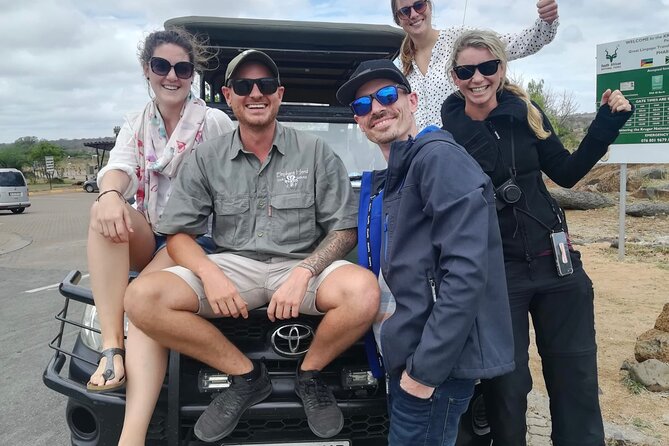
What I like most is the small-group size (max 6), which usually means your guide can answer questions on the fly and adjust the drive based on sightings. I also like that you’re guided by a nature conservationist, not just a driver. Keegan, for example, is specifically praised for being patient, informative, and enthusiastic about showing Kruger.
One consideration: breakfast and lunch are not included, so you’ll want to plan a meal purchase stop during the day rather than counting on included food.
In This Review
- Key points I’d plan around
- Hazyview to Kruger, without the “tour bus” vibe
- Why the 5:00 am start is worth it
- Small-group safari means better guidance, not just sightseeing
- What the included refreshments do for your day
- Wildlife time in Kruger’s 2 million hectares
- The Skukuza Rest Camp stop, where comfort meets wildlife logistics
- What Hazyview adds to the overall experience
- Blankets and ponchos: the “quiet” inclusions that matter
- Price and value for a 10-hour, guide-led Kruger day
- The main trade-offs to think about before you book
- Who this Kruger tour suits best
- Should you book this small-group Kruger safari?
- FAQ
- What time does the safari start?
- How long is the full-day safari?
- Is pickup included, and where do I meet?
- What’s included with the tour?
- Is breakfast or lunch included?
- How many people are on the tour?
- What is the cancellation policy?
Key points I’d plan around
- 5:00 am start gives you more time in Kruger while conditions are cooler
- Max 6 travelers keeps things personal with a guide who can explain what you’re seeing
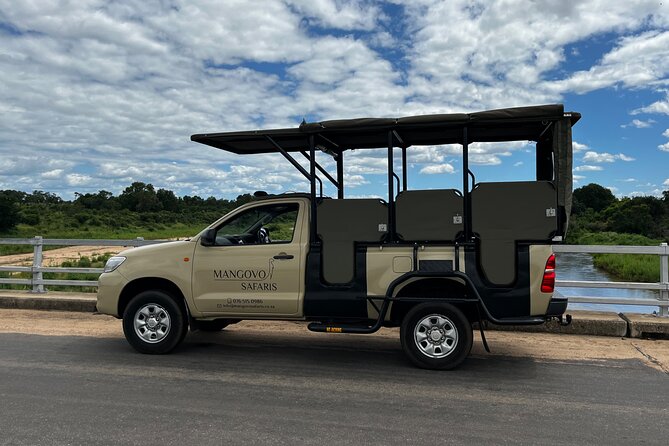
- Coffee, tea, bottled water, plus ponchos and blankets help at dawn and during long pauses
- Skukuza Rest Camp stop is built in for stretching your legs, and food is available but not included
- Two million hectares of Kruger means the day can feel like a real wildlife adventure, not a quick drive-by
Hazyview to Kruger, without the “tour bus” vibe
This safari is based out of Hazyview, a sub-tropical farming town in Mpumalanga. That matters because it shapes the feel of the day. You’re not starting from a far-flung airport or hopping through lots of transfer stops. You’re collected early, then you head into Kruger and stay focused on wildlife time.
Hazyview is also known for bananas and macadamia nuts, with the area producing around 20% of South Africa’s bananas and 30% of its macadamias. Even if you do not make it a full stop-and-stroll farm visit, it’s a nice mental contrast: farming country outside, wilderness inside Kruger National Park.
And the vibe stays tighter because this runs as a small-group outing, up to 6 travelers. That’s a big deal in Kruger, where the difference between a good day and a great day often comes down to how well your guide can communicate, spot details, and manage timing when wildlife appears.
More Safaris in Kruger & Mpumalanga
- Kruger National Park Full Day Private safari
★ 5.0 · 799 reviews - Kruger National Park – Private full day Safari trip.
★ 5.0 · 347 reviews - From Hazyview: Kruger National Park Full-Day Safari
★ 4.8 · 205 reviews
Why the 5:00 am start is worth it
The tour kicks off at 5:00 am. Early hours sound dramatic, but in safari terms it’s practical. Dawn is when animals are often more active, and the light is usually better for spotting movement. It also gives you a larger window to move through different parts of the park and adjust if wildlife is being cooperative or not.
The day is about 10 hours, so you’re not just doing a quick loop. You have enough time to settle in, watch for patterns, and hopefully catch those moments when an animal decides to show up close enough to make the time feel real.
Also, the tour includes blankets and ponchos. Even if the weather is warm, dawn can still feel cool. Having that “just in case” layer helps you stay comfortable without needing to stop the day to sort out gear.
Small-group safari means better guidance, not just sightseeing
This is guided by a nature conservationist with years of guiding experience in Kruger. That type of guide often changes the whole experience. You’re not only looking for animals, you’re learning what you’re seeing and why it’s happening in that specific habitat.
The guide interaction is also where small-group size really pays off. With a maximum of 6 travelers, there’s more room for questions and explanations. The pace can be more flexible too. If the group needs a moment to get their bearings or if a sighting needs a slower approach, your guide can handle it without feeling rushed.
And the quality of guiding is reflected in the feedback. Keegan is praised as patient, informative, and enthusiastic, and that’s exactly what you want early in the day when everyone is still half-awake and learning to read tracks, movement, and behavior. His enthusiasm also matters because some wildlife sightings are subtle. A guide who can point out the right details helps you feel like you earned the moment, not just watched it pass by.
What the included refreshments do for your day
You get complimentary coffee and/or tea upon collection. That is simple, but it changes the early-morning mood. The tour also includes bottled water, and soft drinks are mentioned for afternoon safaris. So the plan is not just “go and suffer.” It’s “go with support.”
Here’s why I think that matters: a long safari day has a rhythm. You drive, you pause, you scan, and you wait. When you’re hydrated and mildly comforted, you’re better able to focus. You’re also more likely to stay engaged during quieter stretches when sightings are slow.
One more nice touch: coffee or tea at pickup means you start the day already fueled, instead of scrambling for a snack the minute you arrive.
More Kruger safaris:
- Kruger National Park sunrise Morning Private safari
★ 5.0 · 185 reviews - Kruger National Park: Full-Day Private Safari With Pickup
★ 4.9 · 122 reviews - Kruger National Park – Private Sunrise Half day Safari trip.
★ 5.0 · 97 reviews - Kruger National Park Full-Day Safari
★ 4.8 · 71 reviews
Wildlife time in Kruger’s 2 million hectares
The day is built around exploring Kruger’s vast 2 million hectares of African bushveld. That scale is the point. You are not touring a tiny exhibit area. You’re spending a full day in a real system where animals move through feeding grounds, water sources, and cover.
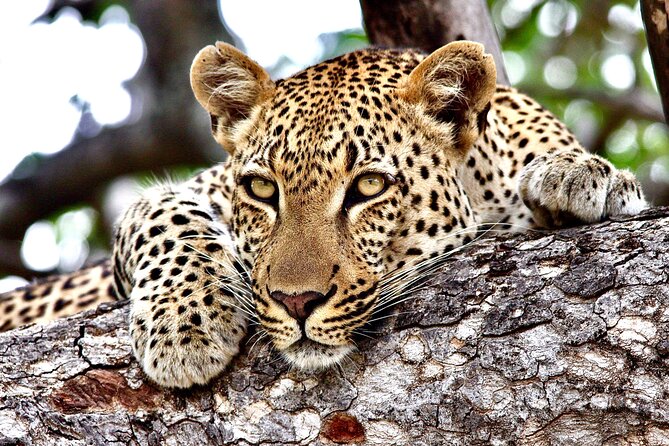
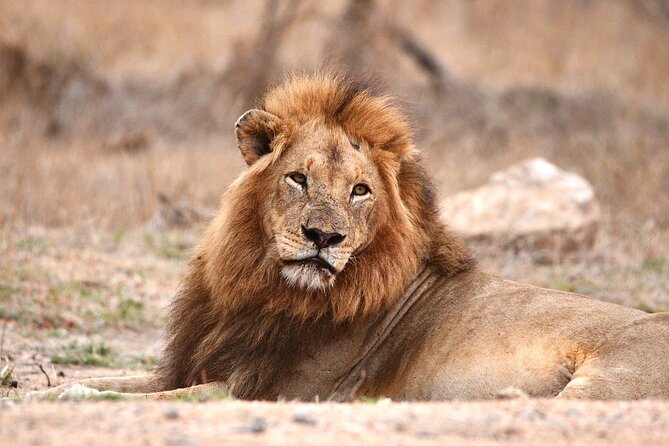
The park is known for the Big Five, and the tour framing includes that possibility. Just remember, Kruger is wildlife country, not a theme-park schedule. Even with an excellent guide, you cannot control what you see. But the value of a guided full-day approach is that your guide can react to what’s present right now, not what you hoped for yesterday.
When you have enough time, you can also notice patterns:
- certain animals show up at similar times
- predators often follow the opportunities created by prey movements
- the same area can feel empty for a while, then suddenly “come alive”
A conservation-minded guide can help you read those patterns without turning it into a lecture. The goal is for you to enjoy the day and also understand what you’re witnessing.
The Skukuza Rest Camp stop, where comfort meets wildlife logistics
You’ll make a stop at Skukuza Rest Camp, located in the heart of Kruger. This is a practical break in a long day. The rest camp is used so you can refuel, stretch your legs, and get food options like breakfast or lunch.
Important detail: meals at Skukuza are not included. So you’ll want to bring cash or card for whatever you choose. If you’re hoping for a full proper meal, this is the moment to plan for it.
Why I like this stop in a safari day: it reduces the pressure. Without a mid-day reset, a long drive can start to feel like you’re rushing from one search to the next. The rest camp gives you a chance to regroup, use facilities, and come back to the vehicle refreshed. That tends to improve attention later, especially if the afternoon drive brings better sightings.
Also, your guide can use this break to set expectations for the rest of the day based on what they’ve seen so far. It’s a natural “reset point” that helps keep the safari feeling structured rather than chaotic.
What Hazyview adds to the overall experience
Hazyview itself is not a typical “safari destination” in the way Kruger is, but it provides useful context. It’s a farming town, and the information about banana and macadamia production gives you a sense of what the region is like when you’re not deep in protected bush.
This is one of those small travel details that makes the trip feel more grounded. You’re not only moving through a single setting. You’re traveling through a living region, then trading it for conservation land.
In practical terms, it also means you start and end your day around a place that is set up for visitors to come through. The tour notes pickup is offered and the meeting point is near public transportation, so it’s not an ultra-isolated start.
Blankets and ponchos: the “quiet” inclusions that matter
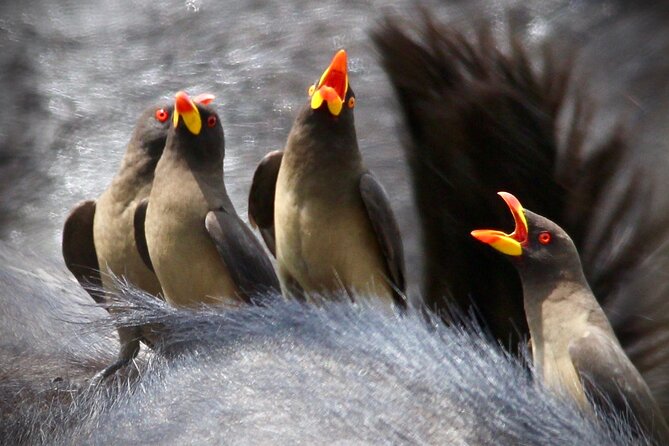
It’s easy to focus only on the big things like park size and wildlife. But the smaller inclusions are often what you feel most during a long day.
This tour provides:
- blankets
- ponchos
- bottled water
- coffee and/or tea on collection
If you’ve ever done an early morning tour, you know how quickly your comfort can turn into distraction. Ponchos and blankets make it easier to stay seated and watching without constantly shifting around to stay warm enough. They also make the experience more inclusive for people who get cold faster than they expect.
Even if the weather cooperates, these inclusions signal a basic idea: this operator understands that safari time is long and waiting is part of the job.
Price and value for a 10-hour, guide-led Kruger day
The price is $108.62 per person for an approximately 10-hour small-group safari. At that rate, you’re paying for four core things:
- time in a world-famous reserve (not just a quick scenic drive)
- a guide who is specifically trained and experienced in nature conservation
- early-day support with refreshments and water
- comfort helpers like blankets and ponchos
What makes it feel like good value is not just the wildlife setting. It’s the combination of full-day timing plus small-group attention. If you’ve done wildlife tours where the group is large, you know the downside: less time with the guide, more waiting, and more missed explanations. Here, the cap of 6 travelers tends to improve your odds of actually understanding what you’re seeing while you’re seeing it.
Meals are not included, but the built-in Skukuza stop is an easy way to handle food without breaking the day. You just need to budget for breakfast or lunch when you get there.
The main trade-offs to think about before you book
No safari day is perfect, and this one has a few points you should consider:
- Breakfast and lunch are not included, so you’ll be buying food on the tour.
- The start is early. Even with coffee and tea, you should be ready for a wake-up that feels rude.
- Wildlife spotting depends on nature, not promises. A guide helps a lot, but sightings are not guaranteed.
If you’re comfortable with those realities, you’re likely to have a satisfying day because the structure is solid: early entry into the park, a rest camp reset, then more wildlife time.
Who this Kruger tour suits best
I’d point this tour toward you if:
- you want one full day in Kruger without juggling multiple hotel transfers or complicated planning
- you like the idea of a conservation-minded guide explaining what you’re seeing
- you prefer a smaller group with room for questions
- you value comfort support for early mornings, not just a bare-bones ride
It might not be the best fit if you only want a slow, leisurely schedule with no early start, or if you strongly prefer tours where all meals are already covered.
Should you book this small-group Kruger safari?
Yes, if your priority is a guided, full-day wildlife experience with a small group and strong guidance. The combination of 5:00 am timing, nature conservation leadership, and practical inclusions like blankets, ponchos, coffee or tea, and bottled water is exactly what makes a Kruger day feel manageable.
If you’re the kind of traveler who wants to learn while you look, and you appreciate a guide like Keegan who brings patience and real enthusiasm, this tour should match your style. Just go in knowing you’ll buy breakfast or lunch at Skukuza, and you’ll be ready for the early wake-up.
If you’re flexible, curious, and excited to spend real time in Kruger’s 2 million hectares, this is a solid pick.
FAQ
What time does the safari start?
The tour starts at 5:00 am.
How long is the full-day safari?
It runs for about 10 hours.
Is pickup included, and where do I meet?
Pickup is offered. The meeting point is near public transportation.
What’s included with the tour?
You get coffee and/or tea upon collection, bottled water, and blankets and ponchos.
Is breakfast or lunch included?
No. Breakfast and lunch are not included, though there is a stop at Skukuza Rest Camp where you can get breakfast or lunch.
How many people are on the tour?
This safari has a maximum of 6 travelers.
What is the cancellation policy?
Free cancellation is available. You can cancel up to 24 hours in advance of the experience start time for a full refund.
More National Parks in Hazyview
- Kruger National Park Full Day Tour Minimum 2people
★ 4.5 · 58 reviews - Kruger National Park Afternoon Safari
★ 4.7 · 28 reviews - From Malelane: Kruger National Park Full-Day Safari
★ 5.0 · 21 reviews - Kruger National Park Morning Safari
★ 4.8 · 21 reviews
More Safari in Hazyview
- Kruger National Park Full-Day Safari from Hazyview
★ 5.0 · 70 reviews - Kruger National Park Afternoon Private safari
★ 5.0 · 67 reviews - Private Full Day Safari l Kruger National Park from Hazyview or Skukuza
★ 5.0 · 46 reviews - From Hazyview: Kruger National Park Morning Half-Day Safari
★ 4.7 · 35 reviews
Newest around Hazyview
- Evening Cultural Festival with African Cuisine Dinner.★ 4.0 · 12 reviews
- Transfer – Kruger Mpumalanga International Airport to Hazyview★ 5.0 · 3 reviews
- Full-Day Panorama Tour from Hazyview★ 5.0 · 7 reviews
- Private Road Transfer★ 5.0 · 25 reviews
- Kruger National Park l Private Afternoon Safari from Hazyview★ 5.0 · 8 reviews
- Half Day Panorama Guided Tour★ 5.0 · 5 reviews
- Full Day Panorama Guided Tour from Hazyview★ 4.5 · 14 reviews
- Morning Safari in Kruger National Park from Hazyview (AM KNP)★ 5.0 · 4 reviews
Kruger Park Safaris, compared.
Kruger National Park sunrise Morning Private safari
Read our review →
Marloth Park: Kruger National Park Safari Game Drives
Read our review →Browse the lists this tour appears in