
Reviewed · MUSEUMS
The Heart of Cape Town Museum Admission Ticket
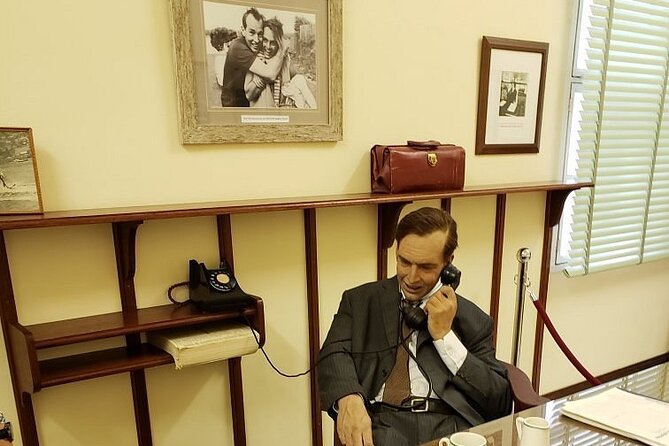
One date, one medical miracle, and a room you can still feel. The Heart of Cape Town Museum gives you the story of the world’s first successful heart transplant in Cape Town in 1967, including the restored original operating rooms and a guide who brings key moments to life.
I especially love the restored operating rooms setup. It helps the transplant story feel real, not like a textbook chapter. I also like that the visit includes a guided tour (included with your ticket), so you get context as you go, not just labels on walls.
The only real consideration is the tone. This is an emotional, medical-focused experience, and the museum notes that pre-school age children and youngsters are not recommended. If you’re traveling with little kids, plan carefully.
In This Review
- Quick hits before you go
- Why this museum hits harder than a typical medical exhibit
- The restored operating rooms: what you’re actually walking into
- Denise Darvall and Christiaan Barnard: the story beyond the headline
- The guided tour experience, from the silicone models to the pacing
- Tour times and how to choose your slot without stress
- Price and value: is it worth about $17.34?
- Who will enjoy the Heart of Cape Town Museum most
- Families, kids, and service animals: planning for real life
- Common missteps to avoid (so your day doesn’t get derailed)
- Should you book this ticket?
- FAQ
- How long is the Heart of Cape Town Museum tour?
- What does my admission ticket include?
- Are there set tour times or can I arrive any time?
- What is the ticket format?
- Is there an age recommendation for children?
- Is food included with the ticket?
- Are service animals allowed?
- Can I cancel for a full refund?
- What group size should I expect?
Quick hits before you go
- Restored original operating rooms laid out like the day of the operation
- A small group tour with a maximum of 15 people
- Guide-led reenactments using silicone models to explain what happened
- Centered on real people including Denise Darvall and surgeon Christiaan Barnard
- Pick your time during opening hours, with set tour departures at 9am, 11am, 1pm, and 3pm
Why this museum hits harder than a typical medical exhibit

Most museums explain the past with photos and timelines. This one adds something more physical: a sense of place. You walk into the museum’s world of that 1967 breakthrough, where the focus is not just on the operation itself, but on how the events unfolded before and after the surgery.
What makes the Heart of Cape Town Museum especially compelling is the way it handles drama without turning it into spectacle. The restored operating rooms are the anchor. They set the mood fast, and they make the story feel grounded in real spaces, not just historical claims. It’s educational, but it also carries emotion, and that comes through in the guided storytelling.
You’ll also learn about two names that matter in the narrative. The museum includes exhibitions on the donor, Denise Darvall, and the surgeon, Christiaan Barnard. The museum’s timeline approach helps you understand the sequence of events, not just the headline outcome.
More Museum Tours in Cape Town
- Museum of Contemporary African Art: Fast-Track Zeitz MOCAA
★ 4.4 · 204 reviews - Cape Town: Private Guided Tour of Cape Town Diamond Museum
★ 4.7 · 156 reviews - ROBBEN ISLAND MUSEUM TOUR, WITH OPTIONAL LAST MINUTE TICKETS
★ 3.4 · 85 reviews
The restored operating rooms: what you’re actually walking into
The museum’s centerpiece is the fully restored operating rooms, arranged as they were on the day of the operation. That matters because you’re not only hearing about medical history, you’re moving through the space where the story happened.
Expect to see the rooms presented in a way that supports the tour guide’s narration. The guide uses silicone models and reenactments to help explain scenes that would be hard to picture otherwise. It’s a smart approach for non-medical visitors, because it turns abstract terms into something you can mentally place.
One practical tip: wear comfortable shoes and plan to slow your pace. Even if you’re familiar with the headline, you’ll likely want time to look around. The operating rooms make you want to pause and take it in, and you’ll be glad you scheduled a visit where you’re not rushing off to the next stop.
Denise Darvall and Christiaan Barnard: the story beyond the headline
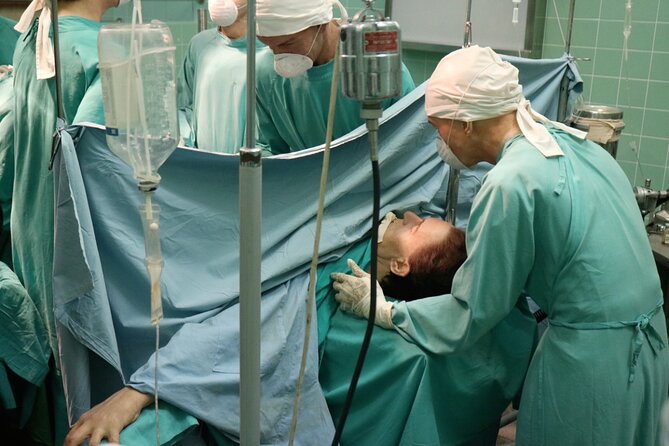
You come for the famous transplant story, but you’ll leave with more than the one-line version. The museum includes a timeline of events leading up to the operation, plus information on what followed. That structure helps you understand why 1967 is remembered the way it is.
The exhibitions on Denise Darvall give the donor side a human center. And the material on Christiaan Barnard provides the surgeon’s role in the broader arc of the achievement. For many people, the emotional impact comes from recognizing that this was a real person and real decision-making, not just a scientific milestone.
If you like history that explains cause and effect, the timeline format is a good fit. You can mentally connect the events before surgery to the changes after surgery. If you’re there with someone who’s interested in medicine, this also gives you shared topics for discussion as you move through the rooms and exhibitions.
The guided tour experience, from the silicone models to the pacing
Your admission ticket includes a guided tour. That’s a big deal for value, because the museum is very story-driven. The guide is trained and certified, and they describe what happened on the day of the operation, supported by silicone models and reenacting important scenes.
This is also built for small groups, with a maximum of 15 travelers per tour. Smaller groups usually mean you can actually follow along without competing with a loud crowd. It also tends to make the tone feel more personal, which fits the subject matter.
Timing-wise, the tour runs roughly 1.5 to 2 hours. After that, you can spend more time exploring at your own pace. I like visits where you get the best of both worlds: guided context first, then the freedom to linger where something catches your attention.
One more thing I found useful based on the way the experience is described: guides don’t just list dates. They connect the timeline dots and keep the “what it means” part clear. People mention excellent communication and a guide who can shape the experience, so choose your tour time when you won’t be rushed.
More museum visits in Cape Town:
- Township Tour District 6 Museum Robben Island drop off at hotel
★ 5.0 · 32 reviews - Cape Town: Heart of Cape Town Medical Museum Entrance Ticket
★ 4.7 · 31 reviews - Cape Town: Robben Island Boat Trip & Museum Tour Ticket
★ 3.9 · 28 reviews - Cape Town: District Six Museum Skip-the-Line Entrance Ticket
★ 4.0 · 21 reviews
Tour times and how to choose your slot without stress
This museum uses scheduled departures. Tours run at 9am, 11am, 1pm, and 3pm. Bookings are essential, and you should plan around the tour start time rather than assuming you can just walk in whenever.
The museum also notes that you can visit at any time that works for you during opening hours, but the practical reality is that you’ll pick one of those specific tour departures. If your day is already packed, booking a set tour time is actually a relief. You’ll know exactly where the museum fits in your schedule.
Since the typical booking window mentioned is about 7 days in advance on average, I recommend booking ahead if you’re traveling in busier periods or you have limited free time in Cape Town. And because this experience runs strictly on bookings, treat your confirmed tour time as the anchor for your day.
Price and value: is it worth about $17.34?
At $17.34 per person, this isn’t a bargain attraction, but it’s also not overpriced in a way that feels disconnected from what you get. The admission includes a guided tour, and the museum’s structure is designed around that guide-led storytelling. You’re paying for access to a specialized experience that’s hard to replicate on your own without the narrative thread.
Some overseas visitors have commented that it can feel pricey, including a mention of an increase to about 350 Rand for foreigners. Price sensitivity is real, especially when you’re budgeting for multiple museums. Still, the key question is whether you’ll get value from the restored operating rooms and the guided reenactments. If that subject matter grabs you, the ticket tends to feel justified.
Where I think it can feel less worth it is if you’re only passing through and want a quick, casual stop. This isn’t that kind of visit. It’s designed for focused attention over a couple hours.
Who will enjoy the Heart of Cape Town Museum most
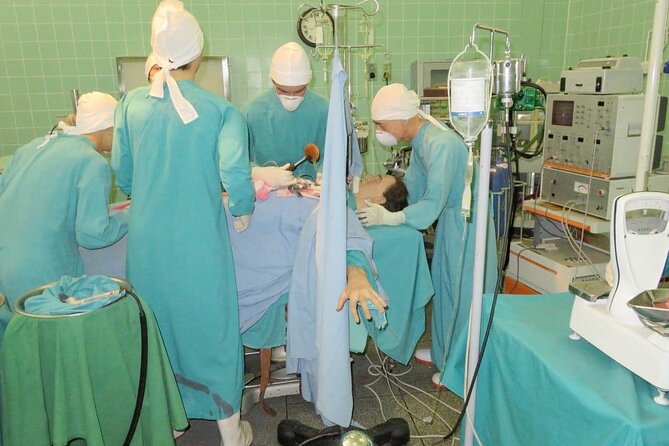
If you like medical history, human stories, or “how did this change the world” narratives, you’re going to enjoy this. The museum is not just about the surgery as a moment. It also covers what led to the operation and what followed afterward, which gives the story real context.
It’s also a strong choice if you want an experience with a clear sense of place. The restored operating rooms add atmosphere that standard exhibits can’t match. You’re not just reading panels, you’re standing in a recreated environment that the guide connects to events.
On the emotional side, the experience can land deeply for people who connect personally to the subject. Even if that isn’t your story, the human focus comes through in how the museum frames Denise Darvall and Christiaan Barnard.
Families, kids, and service animals: planning for real life
The museum says children must be accompanied by an adult. It also notes that pre-school age children and youngsters are not recommended. That’s important, because the topic is serious and the experience includes staged explanations and reenactments.
If you’re traveling with school-age kids who handle educational, emotional topics well, you might find it a meaningful visit. But if you’re relying on young children for shorter attention spans, you’ll likely want to reconsider or swap in a different activity that’s less intense.
Good to know for practical planning: service animals are allowed. Most people can participate, but do keep the age guidance in mind as the biggest constraint for families.
Common missteps to avoid (so your day doesn’t get derailed)
Because this museum runs on booked tour slots, the biggest way to get stuck is arriving expecting a flexible walk-in experience. Don’t treat it like a casual drop-by museum. Instead, match your visit plan to the tour departure times: 9am, 11am, 1pm, or 3pm.
Another smart move is to arrive with enough buffer time for check-in and settling in before the tour starts. With a small group setup, the schedule matters. If you’re hoping to squeeze the museum into a tight itinerary, pad your timing so you don’t rush the best parts.
Finally, if you’re sensitive to emotional topics, be honest with yourself. This is an educational medical museum, but it’s also built around a major human event. That can be moving, even for people who come in with only mild interest in medicine.
Should you book this ticket?
Book it if you want a Cape Town experience that’s specific, story-driven, and more memorable than a standard museum browse. The ticket includes the guided tour, and the restored operating rooms plus the silicone-model explanations make the history easier to understand and harder to forget.
Skip or rethink the booking if you’re traveling with very young children or you’re seeking a light, quick stop. The museum’s own guidance about ages is clear, and the topic is serious enough that it may not suit every family.
If you’re a curious adult, a science or history fan, or you’re traveling with someone who loves meaningful stories, I’d call it a strong Cape Town add-on. It’s about one breakthrough, yes, but it’s also about people, decisions, and how the world changed because of them.
FAQ
How long is the Heart of Cape Town Museum tour?
The tour lasts roughly two hours, and the overall visit is approximately 1 hour 30 minutes.
What does my admission ticket include?
Your ticket includes a guided tour.
Are there set tour times or can I arrive any time?
Tours run at 9am, 11am, 1pm, and 3pm. Bookings are essential, and you can choose a time that works for you during opening hours.
What is the ticket format?
The ticket is a mobile ticket.
Is there an age recommendation for children?
Children must be accompanied by an adult. Pre-school age children and youngsters are not recommended.
Is food included with the ticket?
No. Food and drinks are not included.
Are service animals allowed?
Yes. Service animals are allowed.
Can I cancel for a full refund?
Yes, free cancellation is available up to 24 hours in advance for a full refund. Within 24 hours, the amount paid is not refunded.
What group size should I expect?
The tour has a maximum of 15 travelers.
Newest around Cape Town
- From Cape Town: Winelands Tour and Tastings★ 4.7 · 20 reviews
- Capetown: Atlantis Dunes Quad & Classic Sandboarding★ 4.6 · 47 reviews
- CAPE TOWN: ULTIMATE SANDBOARDING ATLANTIS DUNES WITH WILDX★ 4.9 · 4 reviews
- Township Eco Tour★ 4.4 · 4 reviews
- Explore Atlantis Sand Dunes with a 1hour 30mins sandboarding tour★ 5.0 · 5 reviews
- Private Tour to 20 Wine Tasting in Stellenbosch and Franschhoek★ 5.0 · 11 reviews
- Sunset Safari Big 5 Aquila with Snacks and Wine Tasting★ 5.0 · 12 reviews
- Robben Island, Kirstenbosch wine tasting Tour★ 5.0 · 10 reviews
Museums, compared.
Soweto /Johannesburg and Apartheid Museum Guided Full Day Tour
Read our review →
Jo’berg in 1 Day: Soweto, Apartheid Museum & City Tour
Read our review →
Full-Day Tour with Soweto and Apartheid Museum
Read our review →
Full-Day Soweto, Apartheid Museum and Lunch Tour
Read our review →
Half Guided Day Tour of Soweto And Apartheid Museum
Read our review →
Ultimate Johannesburg Soweto Experience with Apartheid Museum
Read our review →
Hop-On Hop-Off Bus, City Tour and Apartheid Museum
Read our review →
Museum of Contemporary African Art: Fast-Track Zeitz MOCAA
Read our review →Browse the lists this tour appears in