
Reviewed · SOWETO & TOWNSHIP TOURS
The Original Knysna Township Tour
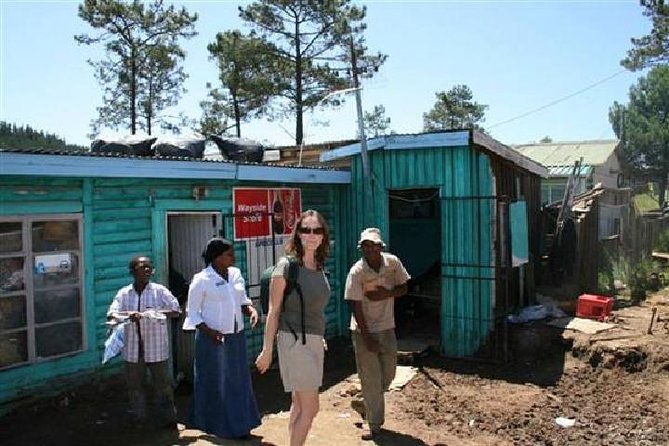
Township streets teach faster than any brochure. This Knysna Township Tour spends 2 hours 30 minutes with a local guide, using a comfortable minivan and guided walking to show you how Ama Xhosa communities live today, including the real social and economic challenges residents face. I especially like the local guide style, which keeps the commentary grounded and question-friendly, and the small group setup (15 people or fewer) that helps you connect instead of just pass by. The main drawback to plan for is practical, you walk dust roads, so good shoes and weather-flexibility matter.
You’ll meet locals, learn about culture, traditions, language, and dress, and you may visit places like a crèche and the Sanlam Center. Highlights often include meeting a Sangoma (traditional healer) and trying traditional food like vetkoek, plus time at local shops where you can see everyday life up close.
In This Review
- Key things I’d circle on your Knysna Township Tour checklist
- Why this Knysna Township Tour feels more real than sightseeing
- What you learn about Ama Xhosa life, culture, and daily challenges
- Walking the township: dust roads, local meetings, and how the day moves
- The Sangoma meeting and traditional remedies, what to expect
- Crèche visit and meeting kids who may sing
- Sanlam Center, local shops, and trying vetkoek
- Price, group size, transport, and what makes it good value
- Who this tour suits best, and who should think twice
- Photo rules and visitor etiquette that keep things respectful
- Traditional lunch option: how it fits into the day
- Should you book the Original Knysna Township Tour?
- FAQ
- How much does the Knysna Township Tour cost?
- How long is the tour, and what time does it start?
- Where do I meet the guide?
- What’s included in the tour price?
- Is lunch included?
- Can I take photos during the tour?
- What should I wear, and what if the weather is bad?
Key things I’d circle on your Knysna Township Tour checklist
- Local-led narration that explains what you are seeing, not just what it is called
- Ama Xhosa culture in context, including customs, language, and everyday realities
- Community stops that feel human, with a crèche visit and kids who may sing
- A Sangoma meeting that can add depth to how traditional healing fits alongside modern life
- Round-trip minivan transport, so you are not handling navigation or logistics on your own
- Photo-friendly but respectful rules, photos are free unless someone objects on the street
Why this Knysna Township Tour feels more real than sightseeing
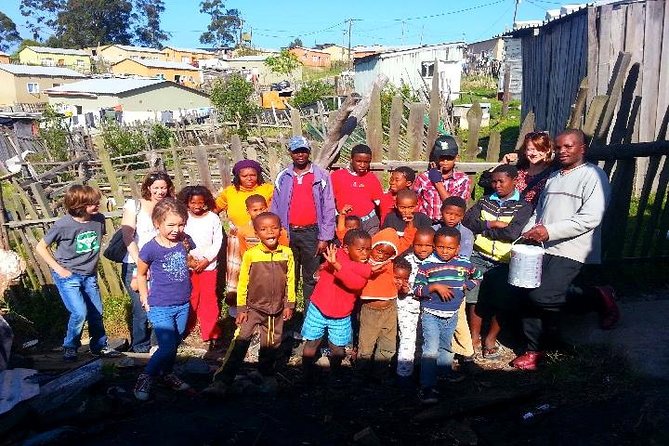
A township tour can go one of two ways. Either it turns into a quick look, or it becomes a guided walk that helps you understand people’s lives and the pressures they deal with. This one is built for understanding. You are not just photographing buildings, you are hearing history and modern life explained by someone from the community.
I like the pace. At 2 hours 30 minutes, you get time to walk dust roads, stop at points of interest, and ask questions. The small group size also helps because your guide can actually work with your questions instead of rushing everyone along.
Just keep your expectations grounded. This is not a polished museum stop. It is everyday life, so the experience works best when you show up curious, patient, and respectful.
More township tours in Knysna:
- Johannesburg: Hop-On Hop-Off Bus with Optional Soweto Tour
★ 4.6 · 985 reviews - Half-Day Tour Through Cape Town’s Townships
★ 4.8 · 979 reviews - Soweto /Johannesburg and Apartheid Museum Guided Full Day Tour
★ 5.0 · 932 reviews
What you learn about Ama Xhosa life, culture, and daily challenges
The core value here is the human context. You start with a guided walk through the township, and the narrative focuses on both culture and practical realities. You will learn about social and economic challenges residents face, but you are also shown how people carry on, work, raise families, and keep traditions alive.
The Ama Xhosa focus is specific, not generic. You are likely to hear about culture, traditions, customs, language, and dress in a way that connects details to meaning. That is the difference between collecting facts and actually understanding why something matters.
One tip for you as you go: listen for patterns in what you are told. For example, when a stop includes food, a gathering space, or a children’s center, the point is not only the location. The point is how community life is supported day-to-day.
And because the guide is local, you will usually get explanations that sound like real conversation. You can ask what you genuinely want clarified, and if you are paying attention, you can connect the dots between the places you visit and the stories you hear.
Walking the township: dust roads, local meetings, and how the day moves
You will spend part of the tour walking along dirt roads. That simple detail shapes the whole experience. You feel the neighborhood’s rhythms more than you would from a bus window, and you see how people move through their own spaces.
On the way, you may interact with residents and learn about religion, beliefs, and history in the context of today. It is not presented as distant academic knowledge. It is presented as lived experience, with a guide helping translate both language and perspective.
There are also practical stops that add texture. You might spend time at local shops, and that matters because it shows what daily commerce looks like from inside the community, not from across a fence. Even the market-style moments help you understand how people earn, trade, and socialize.
If you are the type who loves to ask, this is a good match. The tour is structured to keep you moving, but the guide’s commentary is designed to answer questions rather than shut them down.
The Sangoma meeting and traditional remedies, what to expect

A standout part of the experience is meeting a Sangoma, a traditional healer. That can sound intimidating if you have never encountered this kind of practice. In reality, this stop can be one of the most educational moments of the day because it connects tradition to worldview.
You might also be offered a chance to sample Xhosa beer and herbal remedies. The wording you should keep in mind is possibly. The tour is set up to share cultural elements, but you are not guaranteed every offering every day.
How to handle this respectfully:
- Ask before photos and before any sampling, and go with what the guide suggests
- Treat it as cultural learning, not a curiosity checklist
- If you do not want to sample something, that is fine. The goal is understanding, not forcing yourself
If you are open-minded, this is where the tour often feels like it grows beyond “sightseeing.” You get to hear how traditional healing is understood, and how it sits within community life alongside modern pressures.
More Garden Route trips:
- Knysna: 75-Minute Lagoon Boat Cruise
★ 4.5 · 445 reviews - Knysna: Sunset Lagoon Cruise
★ 4.5 · 217 reviews - Knysna: Close Encounter Whale Watching Tour by Boat
★ 4.6 · 207 reviews - Knysna Boat Cruise aboard Coquette
★ 5.0 · 152 reviews
Crèche visit and meeting kids who may sing
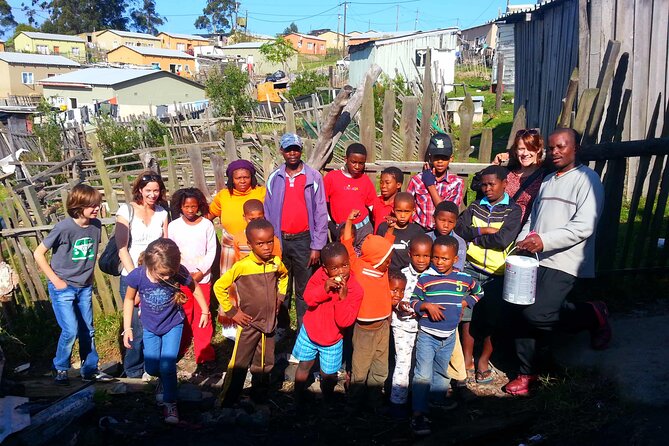
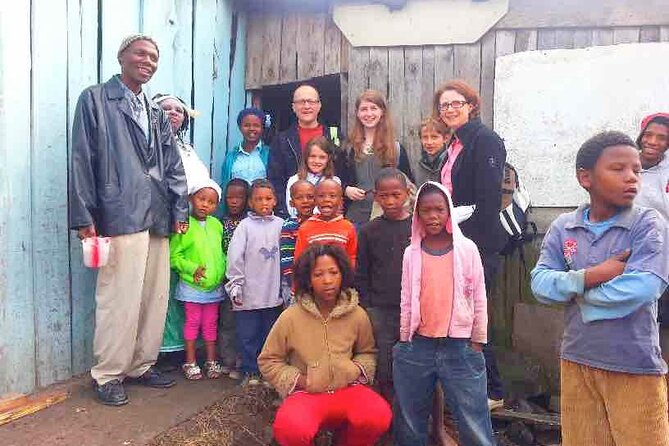
A crèche (children’s center) stop is part of what makes this tour memorable. You are not touring from behind glass. You are interacting with children in a space that is built for early learning and care, and you might be welcomed with songs.
When kids serenade you with songs, it can hit you harder than you expect. It is joyful, but it is also a reminder that community support systems matter. The visit adds a layer to what you learn about challenges, because you see the impact on the youngest residents.
If you want to bring educational goodies for the pre school, you are welcome to do so. That detail matters because it tells you this is not just a photo op. People are thinking about what helps children day-to-day.
Practical advice for you:
- Bring a small amount of appropriate items only if you feel comfortable, and follow your guide’s guidance
- Keep interaction respectful and brief if the space is busy
- Be ready for dust. A crèche visit still includes walking and outdoor moments
This stop is also a good reality check on why small group tours matter. If you have too many visitors, it can overwhelm the space. With 15 people or fewer, the visit stays more manageable.
Sanlam Center, local shops, and trying vetkoek
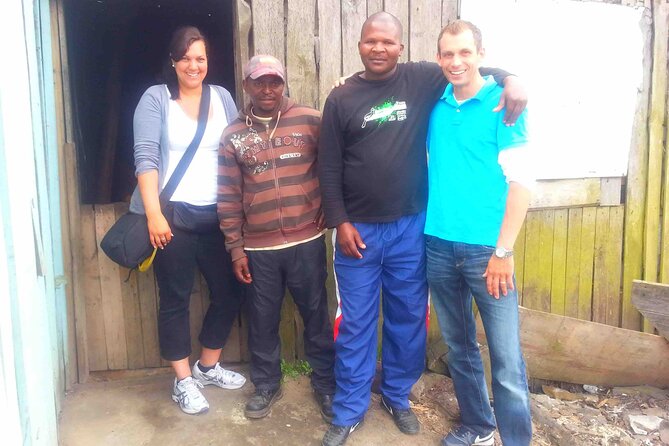
The tour also includes a visit to the Sanlam Center and time to explore local shops. These stops help you understand the township as a place with services, commerce, and gathering points, not only as a backdrop for hardship.
One easy win here is food. You may try vetkoek, a traditional snack. It is one of those foods that tells you a lot with very little. It is simple, familiar enough to enjoy, and rooted in local everyday life.
If you are planning your day, come ready to eat. The tour itself mentions admission being ticket-free, but the tour experience can include food tastings like vetkoek, and there is an optional Traditional Xhosa lunch that is not included in the base price.
Also, bring your curiosity for the shops. Even if you do not buy anything, you learn how people present products, how they talk to customers, and how shops fit into daily life.
Price, group size, transport, and what makes it good value
The price is $43.10 per person for about 2 hours 30 minutes. For many visitors, the biggest question is whether that cost reflects real value or just the label of a “cultural experience.”
Here, the value comes from three things:
1) A local guide, providing leadership and in-depth commentary
2) Round-trip transportation in a comfortable minivan
3) A small group experience capped at 15 people or fewer, with a more personalized pace
That combination is practical. You are not spending energy negotiating transit or finding the right meeting points. You can show up, walk, learn, and ask questions. The tour’s structure also helps you use your time well.
There is also a privacy factor worth noting. The activity is private for your group, meaning you are not mixing with strangers from other bookings. In a setting like a township walk, that usually makes for a calmer experience.
Two small planning notes that help you get the most out of it:
- Dress code is comfort first: comfortable clothes, walking shoes, hat, and bring your camera
- The tour operates in all weather conditions, so dress appropriately and expect the day to be adjusted to reality
One more practical detail: the meeting point is 44 Main Rd, Knysna, and the tour ends back at the same spot. So you can plan your other activities without worrying about getting stranded.
Parking is also offered nearby, free across the street at 44 Main St in Knysna Mall Underground Parking, and your car is described as safe.
Who this tour suits best, and who should think twice

This tour is ideal if you want more than facts. If you like conversation, respect local context, and enjoy walking, you’ll probably find it meaningful. It is a strong fit for travelers who are comfortable asking questions and learning about culture through people, not through performances.
It also works well for people who care about seeing community support structures, like a crèche visit, and understanding how challenges are addressed at ground level.
Who should think twice? If you hate walking or you have mobility issues that make dusty, uneven roads hard, you may find the walking portion difficult. If you are only interested in photo-heavy stops and quick surface impressions, the tour may feel too grounded and question-driven for your taste.
Photo rules and visitor etiquette that keep things respectful
You can take photos for free unless people object on the street. That is a clear rule, and you should follow it without debate. If someone does not want a picture, the right move is to listen and move on.
Because the tour includes close interactions, especially around kids, you should treat your camera like a tool, not a trophy. Use it when appropriate, ask first when in doubt, and put it away when the moment calls for listening.
The biggest etiquette point is simple: let your guide lead the pace. You are in someone’s neighborhood. The best photos and the best memories come when you behave like you are visiting, not like you are taking a tour of exhibits.
Traditional lunch option: how it fits into the day
Lunch is not included, but Traditional Xhosa lunch can be pre booked. You would pay after the meal.
If you want to keep the day smooth, this matters for timing and comfort. The tour is long enough that hunger can sneak up on you, especially after walking dirt roads. If you prefer not to manage food independently, consider adding the lunch option while you still have an easy plan.
Should you book the Original Knysna Township Tour?
I’d book it if you want a guided, local-led look at Knysna township life that focuses on Ama Xhosa culture and community realities. The best sign is the tour structure itself: small group size, round-trip transport, and a guide who provides in-depth commentary and answers questions in a way that makes the day easier to understand.
Don’t book it if your priority is convenience over walking, or if you need a very controlled, polished itinerary with minimal human interaction. This is a community visit, and it works best when you bring respect, patience, and curiosity.
If you go in with comfortable shoes, a hat, a camera ready but respectful, and an open mind for what you might learn at each stop, you’ll likely leave with a clearer picture of how the township works, not just how it looks.
FAQ
How much does the Knysna Township Tour cost?
The price is $43.10 per person.
How long is the tour, and what time does it start?
It runs about 2 hours 30 minutes and starts at 10:00 am.
Where do I meet the guide?
You meet at 44 Main Rd, Knysna, 6571, South Africa. The tour ends back at the same meeting point.
What’s included in the tour price?
Included items are a local guide and transport by car or mini bus (round-trip transportation).
Is lunch included?
Lunch is not included. You can pre book a Traditional Xhosa lunch and pay after the meal.
Can I take photos during the tour?
Yes, you can take photos for free unless people object on the street.
What should I wear, and what if the weather is bad?
Wear comfortable clothes and walking shoes, and bring a hat and your camera. The tour operates in all weather conditions, but you should dress appropriately. If it is canceled due to poor weather, you will be offered a different date or a full refund, and if minimum traveler numbers are not met, you will also be offered a different date or a full refund.
Newest around Knysna
- Knysna Day Sailing Cruise 1.5 hour★ 5.0 · 4 reviews
- Knysna Sunset Cruise aboard Coquette★ 5.0 · 6 reviews
- Knysna Sunset Sailing Cruise, Light Dinner & Bubbly★ 5.0 · 41 reviews
- Serendipity Knysna Lagoon Cruise★ 4.5 · 19 reviews
- Knysna Sunset Cruise★ 4.5 · 18 reviews
- Knysna Marine Life & Garden Route Coastline Experience★ 4.5 · 31 reviews
- Knysna Oyster Tour★ 4.5 · 9 reviews
- Knysna Scootour★ 4.5 · 56 reviews
Soweto & Township Tours, compared.

Soweto /Johannesburg and Apartheid Museum Guided Full Day Tour
Read our review →
Johannesburg Hop-On Hop-Off City Tour with Soweto Option
Read our review →

Jo’berg in 1 Day: Soweto, Apartheid Museum & City Tour
Read our review →Browse the lists this tour appears in