
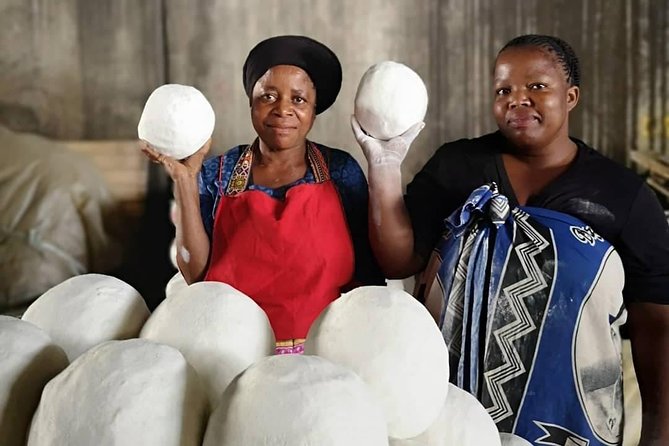
Reviewed · FOOD & DRINK
Zulu Cultural Experience: Zulu Village + Tribal Markets + Traditional Zulu Food
Zulu culture in Durban becomes easier to understand when you start with art, food, and everyday life, not just performances. This small-group day pairs Phansi Museum with a living Zulu village and then ends at the Markets of Warwick, where you see indigenous craft making up close.
Two things I really like: you get served a meal, not just a story, and the guides focus on daily realities you can ask questions about. One drawback to plan around: it depends on good weather, so if conditions are poor you may be offered a different date or a refund.
In This Review
- What makes this day work (and for whom)
- Key highlights to look for
- Phansi Museum in Durban: art, crafts, then Pan African food
- iSithumba Adventures: walking a living Zulu village
- Markets of Warwick: watching elders make crafts, up close
- Price and logistics: what $168 buys you
- What I learned from the way this day is guided
- Who should book this Zulu cultural experience
- Best way to prepare so you get the most out of it
- Should you book this Zulu Cultural Experience with Phansi Museum and Warwick Markets?
- FAQ
- What is the meeting start time for this tour?
- How long does the Zulu Cultural Experience last?
- Where does the tour take place?
- What is the price per person?
- Is pickup included?
- Is there a limit on group size?
- Are tickets and admissions included?
- What should I expect to eat during the tour?
- What is the cancellation policy?
- What happens if the weather is poor?
What makes this day work (and for whom)
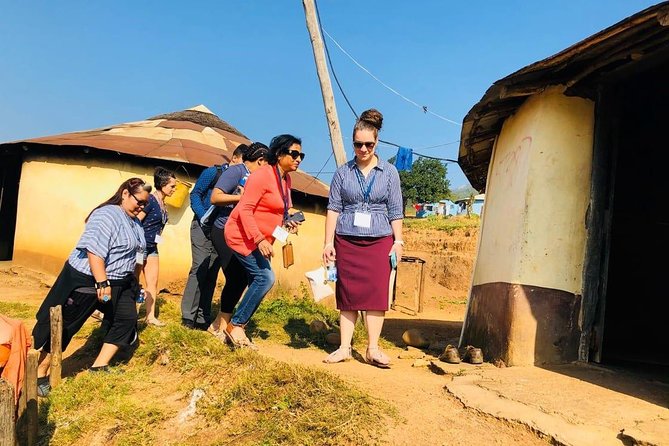
The day is built around a simple order: introduction first, then walking and conversations, then craft and market culture. I like that it keeps group size small, so you can actually hear your guide and ask follow ups.
The best fit is for visitors who want more than a photo stop, and who are comfortable being respectfully curious. If you prefer purely passive sightseeing with minimal interaction, you might find the village and market moments more hands-on than you expected.
Key highlights to look for
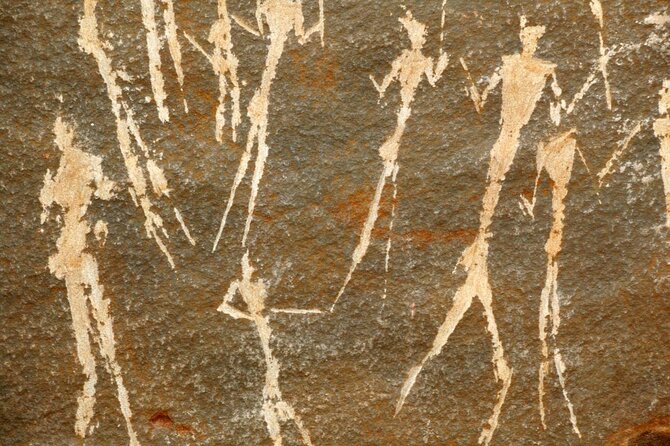
- Phansi Museum’s curator-led introduction to indigenous art and crafts before you eat
- iSithumba village walk with a local resident for a grounded view of daily life
- Traditional Zulu food included, including Pan African cuisine at the museum
- Markets of Warwick and female elder craft makers you can watch while they work
- Muthi Bridge, also called Sangoma Central, for a candid look at cultural practice
More food tours in Durban:
- Cape Town: Full-Day Winelands Tour with Wine Tastings & Food
★ 4.9 · 1,288 reviews - Hartbeespoort: 2-Hour Dam Cruise with South African Food
★ 4.4 · 621 reviews - The Cape Town Essentials Food Tour
★ 5.0 · 385 reviews
Phansi Museum in Durban: art, crafts, then Pan African food
Your morning starts early, at 8:00 am, which is a good thing on a long day. The first stop is Phansi Museum, where a dancing curator sets the tone right away, mixing movement with explanation as you look at indigenous art and crafts.
What I like here is the pacing. Before you ever step into a village or a market, you get context for what you are about to see. You’re not just collecting images, you’re learning how makers think about materials, objects, and meaning. That matters later when you are watching craft being made at Warwick and hearing how people live.
This stop also includes food. You’ll sample Pan African cuisine, which turns the day from cultural viewing into cultural eating. It’s a smart way to connect, because food is one of the fastest routes into understanding other people, and it is included in the price.
Practical note: museums can sometimes feel a bit more structured than you expect on a culture day. If you like a looser, more conversational start, you’ll still probably enjoy this, because the curator brings energy and keeps the explanation tied to what you are looking at.
iSithumba Adventures: walking a living Zulu village
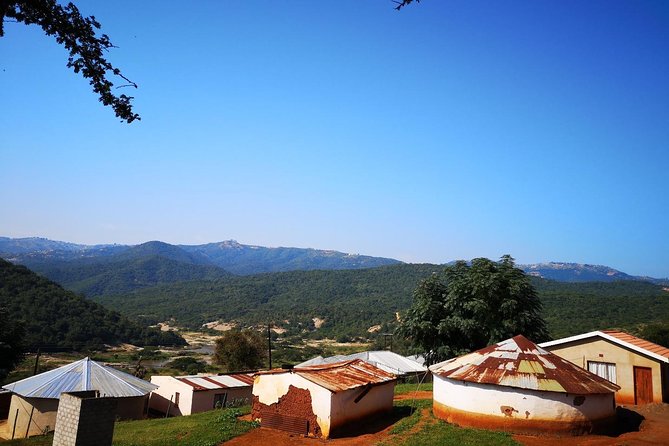
After the museum, you head to iSithumba Adventures, a living Zulu cultural village. This is where the day shifts into a slower, grounded pace. A local resident helps you explore on foot, and the focus is daily life, not just symbols.
This is the part of the experience where your questions matter. You are not passive here. The goal is to understand how people live, how the village functions, and what traditions mean in the rhythm of everyday routines.
The experience can also include deeper moments. If it works out, you might even meet the village chief or a local spiritual healer. The phrasing is intentionally respectful here, because those encounters depend on what is happening in the village at the time. Still, even without a formal meeting, you get a real sense of community life through conversation and guided walking.
Food continues to be part of the story. One review specifically highlights that there is lunch in the village supervisor’s house. That kind of setting changes the whole feel of a day trip, because it makes the meal feel connected to the people hosting you, not just another included lunch.
Possible drawback: village visits come with cultural sensitivity. You’ll want to be attentive, listen carefully, and keep your questions respectful. If you go in expecting entertainment first, you might miss the point, but if you go in curious and calm, this segment is often the most memorable.
Markets of Warwick: watching elders make crafts, up close
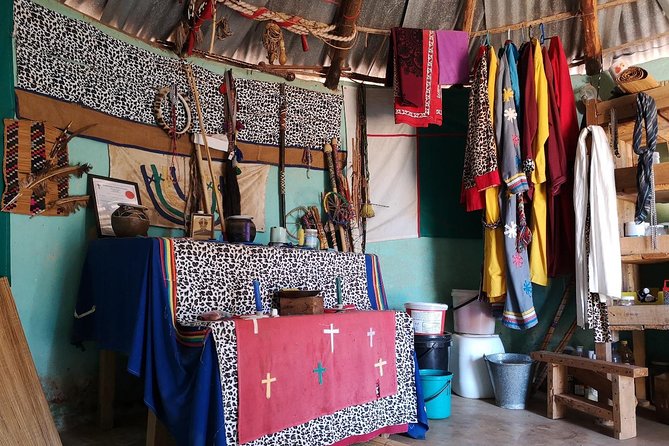
The day ends at the Markets of Warwick, a place described as the beating heart of indigenous culture. This final stop is shorter than the village, about 1 hour 30 minutes, so you’ll want to pace yourself instead of trying to see everything at once.
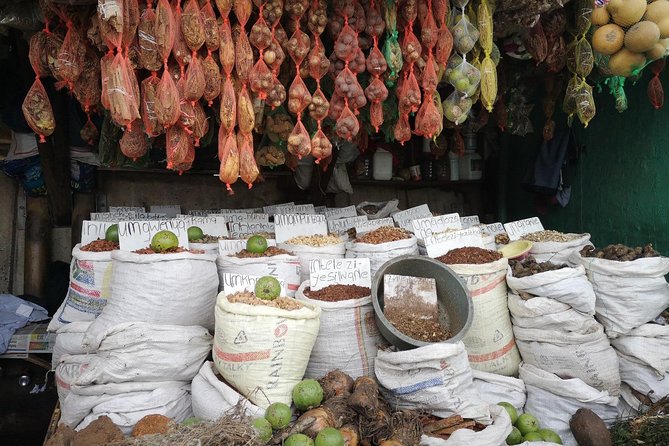
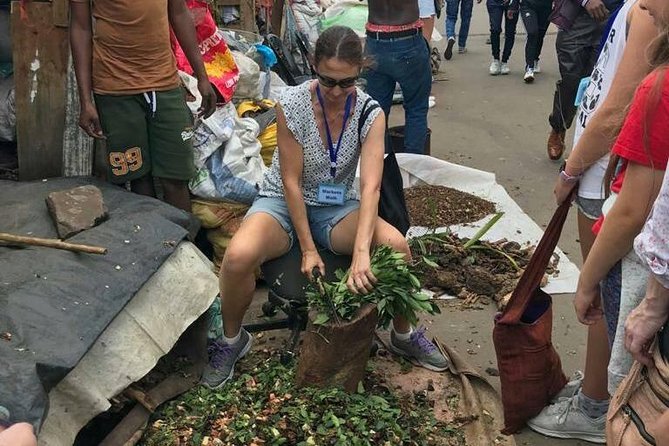
One reason this stop earns strong praise is that you do not just walk past goods. You meet Lime and Imphepho Gogos, female elders, and you can watch them create their products. Seeing making happen live is different from buying a souvenir already finished. You get a stronger sense of time, technique, and intention.
This is also where the day gets more direct about what people practice. From the market area, you may witness a culture shock that gets referred to as Muthi Bridge, also called Sangoma Central. The name is used to explain why this part of the experience can feel intense if you are unfamiliar with traditional healing and related practices.
Here is the balanced view: if you are open-minded, this stop can be fascinating because it shows living cultural practice, not a staged performance. If you are uncomfortable with spiritual or medicinal traditions, give yourself permission to observe quietly and focus on the crafts and the explanations you are comfortable with. You control how long you linger at specific points.
Shopping note: markets are great, but don’t treat them like a quick souvenir hunt. Plan to slow down, ask what something is made for, and pay fairly. When you watch an elder working, you will naturally want to understand what you are buying.
Same province, a very different day:
- Durban: 30-Minute Harbor Boat Cruise
★ 4.7 · 665 reviews - Durban: 1-Hour Boat Cruise from Wilson’s Wharf
★ 4.7 · 496 reviews - Durban Point Waterfront: Luxury Canal Boat Cruise
★ 4.4 · 298 reviews - Durban: Pontoon Boat Harbor Cruise
★ 4.4 · 182 reviews
Price and logistics: what $168 buys you
At $168 per person for roughly 8 hours, this tour sits in the midrange for a full-day guided cultural experience in Durban. What makes it feel fair is that key components are included: entry and participation at each major stop, plus food sampling at the museum and a meal in the village setting.
The tour also keeps numbers small. The maximum is 6 travelers, which is a big deal on days like this. Smaller groups mean you can hear instructions, the guide can pace the group, and you are less likely to feel rushed at important cultural moments.
You also get practical help: pickup is offered, and you’ll receive a mobile ticket. If you have limited time in Durban, the 8-hour structure can be a good fit, since it concentrates multiple meaningful stops into one morning to late morning/afternoon block.
One timing consideration: since it starts at 8:00 am, you’ll want to plan your Durban base location and wake-up routine carefully. Early start plus walking adds up.
What I learned from the way this day is guided

This tour’s structure is doing something important. It tries to build understanding step-by-step.
First, at Phansi Museum, you learn how indigenous art and crafts connect to identity and meaning. That context makes the later market viewing feel less random. You are not just spotting objects, you are recognizing the link between craft and culture.
Second, at iSithumba, the guide is not only showing sites, they are explaining daily realities. That is why interactions matter, and why you may get a chance to meet leaders like the chief or healer if the timing allows.
Third, at Warwick Markets, you see craft production and you get a closer look at cultural practice through places like Muthi Bridge. This is the portion that can feel most surprising, but it is also the one that best answers the question, so what does this look like in real life?
A small humor you can bring with you: if you go in assuming everything will be calm and easy, Muthi Bridge may change your pace. If you go in expecting real-world culture, you’ll probably find it more respectful and more interesting.
Who should book this Zulu cultural experience
You’ll likely enjoy this most if you:
- Want a day that connects art, food, and daily life, not just sights
- Prefer small groups, where guides can answer questions
- Are comfortable with cultural explanations that may include spirituality and traditional healing context
- Like guided walks, where the experience depends on listening
It may be less ideal if you:
- Want a strictly entertainment-focused tour with minimal interaction
- Are uneasy with cultural practices that you might not understand right away
- Prefer very long time at one place over moving through three stops in one day
Best way to prepare so you get the most out of it
Since part of the day involves walking and market time, dress for comfort. Wear shoes that handle uneven ground, and bring a light layer in case temperatures shift between morning and afternoon.
Also, come with a flexible attitude. The day includes moments like the potential meeting of a village chief or spiritual healer, which depend on circumstances. Even if those specific encounters do not happen, the guided village walk and the market crafts still make up the core value.
Finally, bring your questions, but keep them respectful. When a curator or local resident takes the lead, the best learning usually comes from asking about what you see and how it fits into daily life.
Should you book this Zulu Cultural Experience with Phansi Museum and Warwick Markets?
If you are looking for a single Durban experience that connects multiple layers of Zulu culture, this is a strong choice. The value comes from included food, guided context at the museum, a local walking experience in a living village, and a final market stop where you can watch elders making goods.
I’d book it if you like small-group tours and you want real conversation, not just a checklist of stops. I’d skip it if you want a purely passive day or if you feel strongly uncomfortable around spiritual or traditional healing practices. Also, watch the weather forecast close to departure, since the tour requires good conditions.
If this matches your style, it is one of the more meaningful ways to spend a day in Durban.
FAQ
What is the meeting start time for this tour?
The tour starts at 8:00 am.
How long does the Zulu Cultural Experience last?
It runs for about 8 hours.
Where does the tour take place?
It is in Durban, South Africa.
What is the price per person?
The price is $168.00 per person.
Is pickup included?
Pickup is offered.
Is there a limit on group size?
Yes. The maximum group size is 6 travelers.
Are tickets and admissions included?
Admission tickets are included for the main stops.
What should I expect to eat during the tour?
You will sample Pan African cuisine at the museum, and there is a meal during the village segment.
What is the cancellation policy?
You can cancel for free up to 24 hours in advance of the experience start time for a full refund. Cancellations within 24 hours of the start time are not refunded.
What happens if the weather is poor?
This experience requires good weather. If it is canceled due to poor weather, you will be offered a different date or a full refund.
Newest around Durban
- Zululand 5 Day Private Safari from Durban★ 5.0 · 4 reviews
- Zulu Cultural Experience – Tour to the village of iSithumba and PheZulu★ 5.0 · 4 reviews
- Valley of a Thousand Hills – Durban★ 5.0 · 3 reviews
- Full Day-Drakensberg-MandelaCaptureSite-HowickFalls-MidlandsMeander from Durban★ 3.5 · 11 reviews
- Drakensberg, Nelson Mandela Capture S & Howick Falls – 2 Day Tour from Durban★ 5.0 · 3 reviews
- Durban: Journey along the Epic Sani Pass & Lesotho Tour★ 5.0 · 7 reviews
- Tala Mini Day Safari – Durban★ 4.5 · 7 reviews
- Hluhluwe Imfolozi Game Reserve & Phezulu Safari Park from Durban★ 5.0 · 4 reviews
Food & Drink, compared.

Full-Day Winelands Tour with Wine Tastings & Food
Read our review →
Hartbeespoort: 2-Hour Dam Cruise with South African Food
Read our review →

Stellenbosch & Franschhoek 20 Wine Tasting + Lunch Shared Tour
Read our review →

Browse the lists this tour appears in