
Reviewed · ROBBEN ISLAND TOURS
Cape Town: Robben Island Ferry and Guided Tour
A prison story with real weight. This Robben Island trip pairs a scenic ferry from the V&A Waterfront with guidance from a former political prisoner, so you get history with a pulse.
I especially like the way the day flows from Cape Town views to the island’s real landmarks, not just a slideshow. Mandela’s cell is also a standout moment, because you see the exact place tied to years of imprisonment.
The one thing to keep in mind is that the ferry and timing can be affected by weather, and Robben Island operations can sometimes change last minute. Also, the posted duration can feel shorter than the real on-island time, so check your schedule before you plan the rest of your day.
In This Review
- Key things I’d plan around
- Starting at Cape Town’s Clock Tower, where the harbor story begins
- The ferry from the V&A Waterfront to Robben Island, scenic and weather-dependent
- Meeting your guide, and why the ex-political prisoner perspective matters
- Mandela’s prison cell and the yard, where the story becomes physical
- The limestone quarry stop, learning what work meant in prison
- Wildlife on Robben Island, penguins, seals, and birds on a hard landscape
- Price and value: is $109 per person worth it?
- Weather, last-minute closures, and how to protect your day
- Should you book this Robben Island guided tour?
- FAQ
- Where does the tour start?
- Is the ferry included in the price?
- How long is the ferry ride?
- How long is the Robben Island guided tour?
- Is Nelson Mandela’s prison cell included?
- What languages are available for the tour?
- What should I bring?
- Are meals and drinks included?
- Is the tour wheelchair accessible?
- Is the trip affected by weather?
Key things I’d plan around
- Ex-prisoner guide storytelling: English tour with firsthand context, plus French help if requested ahead.
- Mandela’s cell visit: you’ll stand where Nelson Mandela spent 18 of 27 years in prison.
- Ferry ride with big views: Table Mountain and the Atlantic coastline are part of the package.
- Prison yard and quarry stops: you get the day-to-day mechanics of imprisonment, not just names and dates.
- Wildlife sightings: penguins, seals, and birds are a real possibility while you’re on the island.
- Practical start point: the Gothic-style Clock Tower makes meeting up in Cape Town easier.
Starting at Cape Town’s Clock Tower, where the harbor story begins
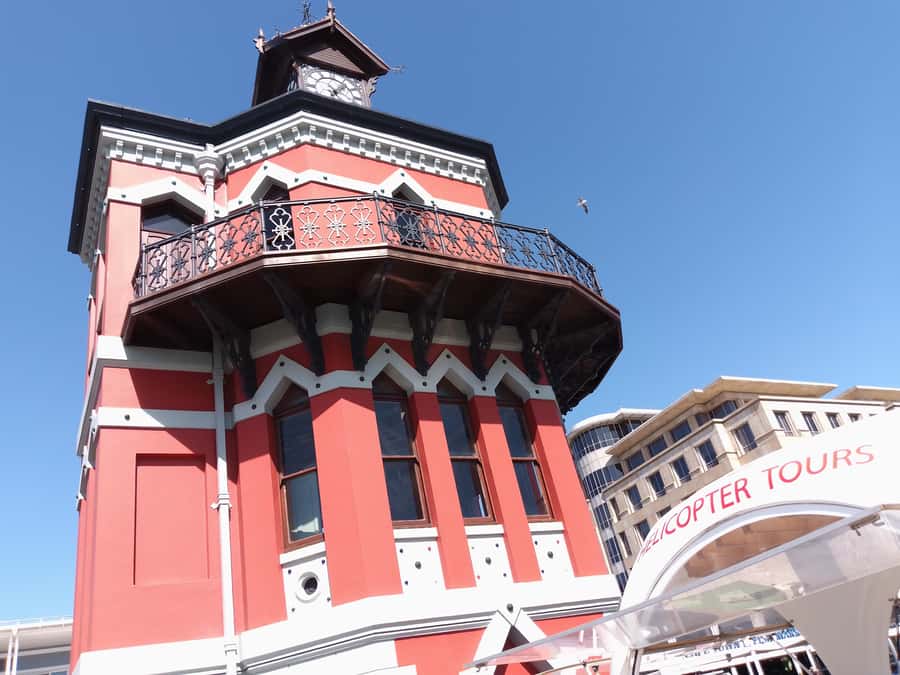
Your trip starts at the Victorian Gothic Clock Tower Retail Centre, a landmark that looks like it belongs to the old Cape Town harbor. The clock there was imported from Edinburgh, and the red walls match the 1800s shade based on paint scrapings. It is a great meeting point because it is specific, central, and easy to orient yourself around before you go anywhere else.
I like that this gives you a natural rhythm to the day. You begin in the city, you move onto the water, then the island’s history takes over. That sequence matters on Robben Island, because you are not just learning facts, you are also stepping into a landscape tied to suffering and survival.
If you hate being rushed, arrive a little early and give yourself time to settle in. Comfortable shoes help too, because you will spend time standing and walking on the island grounds. And bring your ID or passport, since you need it to join the visit.
More Robben Island visits:
- Cape Town: Robben Island Ferry Ticket and Guided Prison Tour
★ 4.1 · 1,792 reviews - Cape Town: Robben Island Ferry Tour with 1-Way Hotel Pickup
★ 4.2 · 1,380 reviews - Cape Town: Robben Island Ferry Ticket and Townships Tour
★ 4.5 · 400 reviews
The ferry from the V&A Waterfront to Robben Island, scenic and weather-dependent
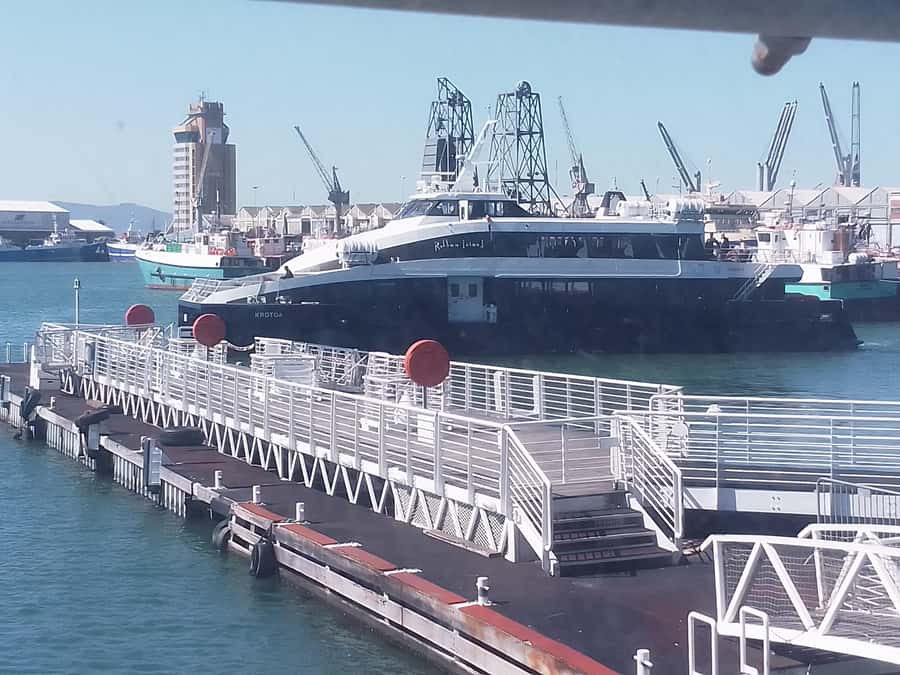
The ferry segment runs for about 30 minutes and departs from the V&A Waterfront in Cape Town. This is when you get the first real sense of scale, and you also get the views: Table Mountain and the Atlantic coastline as you approach Robben Island. Even if you are there for the history, this ride is not filler, it is part of how you read the setting.
One practical point: the ferry operates only when weather permits, so conditions can affect timing. If the day looks rough offshore, take that seriously. It can mean delays, schedule shifts, or a reduced ability to keep the original plan.
On the water, I’d keep an eye out for seals and birds when you can, since wildlife is part of what the island visit offers. Also, cameras are worth it here, because the Cape coastline framing can look dramatic, especially with changing light. Just remember, you are moving quickly from city to history, so pack essentials where you can reach them.
Meeting your guide, and why the ex-political prisoner perspective matters
The tour is guided in English, and a French translator is available if you request it in advance for an additional cost. The standout element is that the guide is often a former political prisoner, which changes the tone completely. This is not only a “what happened” walk, it is a “how it felt” narration from someone who lived it.
That difference is why people rate this experience so highly when it runs smoothly. The best moments come when the guide connects landmarks to personal endurance, prison routines, and the long road toward liberation. You end up understanding the anti-apartheid struggle as something human-sized, not just something stored in textbooks.
Pacing-wise, expect a guided route that hits multiple key sites on the island. You will not just view one room and call it done. This is also why planning your day matters, because there is enough time on the island for the story to develop, not just to pass by.
If you are the kind of person who asks questions, hold that energy. This tour tends to work best when you let the guide’s perspective guide your questions, rather than you racing ahead for your own agenda.
Mandela’s prison cell and the yard, where the story becomes physical
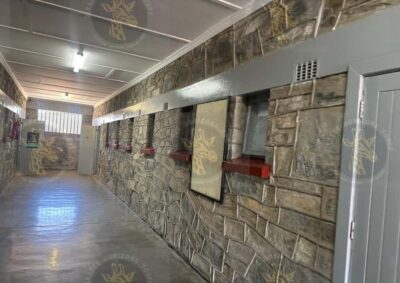
The most poignant stop is Mandela’s small prison cell. You learn how he spent 18 of his 27 years of incarceration there, and then you stand in the place where that endurance and vision formed. It is small, and the scale hits fast once you are there. This is one of those moments that makes the concept of confinement feel real in your body, not just in your mind.
The tour also includes stops around the prison yard and other landmarks tied to the daily structure of imprisonment. That matters because apartheid-era oppression was not only about ideology, it was also about control of time, movement, labor, and dignity. Seeing the spaces in order helps you connect what you are hearing to what you are seeing.
I also appreciate that the cell visit is not an isolated “photo moment.” The route keeps moving, so you stay anchored to the broader story instead of losing the context in a quick picture.
If you are emotionally sensitive, give yourself permission to take a breath between stops. This site does not try to lighten the mood, and that is part of why the experience is so powerful for many people.
A few more Cape Town trips worth comparing
- Wine Tour: Paarl, Franschhoek & Stellenbosch incl 3 wineries
★ 5.0 · 3,940 reviews - Cape Town: Hop-On Hop-Off Bus Tour with Optional Cruise
★ 4.8 · 3,929 reviews - Cape Town: Cape of Good Hope & Penguins Day Tour with Pickup
★ 4.7 · 3,362 reviews - Zipline Cape Town – From Foot of Table Mountain Reserve
★ 5.0 · 3,179 reviews
The limestone quarry stop, learning what work meant in prison
A key feature of the tour is a visit to the limestone quarry where prisoners worked. This stop is important because it explains one of the most painful realities of imprisonment: forced labor as part of the punishment system. You get more than a location name, you get the context for why this work mattered to the prison regime.
The tour’s other historical sites build around this. Each stop functions like a piece of a larger picture. Together, they show how the island operated and how the anti-apartheid struggle persisted even inside an environment designed to crush resistance.
If you are thinking about accessibility or comfort, wear shoes you trust. Quarry and prison-yard areas involve uneven ground and lots of time on your feet. Wheelchair accessibility is listed, but you should still plan with your own comfort in mind and consider how you move through outdoor historic areas.
I also recommend bringing your camera, but keep it respectful. Focus on understanding the spaces first, then photograph only what helps you remember. That approach makes the tour feel more meaningful once you are back in Cape Town.
Wildlife on Robben Island, penguins, seals, and birds on a hard landscape
Robben Island is not only a memorial site. It is also home to wildlife, and you may spot penguins, seals, and different bird species during your visit. The timing can vary, but it is worth keeping your eyes up as you move around.
This wildlife component changes the texture of the day. You get contrast, life continuing in a place shaped by human conflict. It can also make the guided walk feel less monotonous, especially when the story is heavy.
I’d treat the wildlife as a bonus, not a guarantee. Bring binoculars if you use them often, but the tour experience will still work if your sightings are limited. The main value is the guided history, and the island nature simply adds another layer to what you’re seeing.
Also remember: no smoking is allowed during the visit. It is a small rule, but it matters in a natural and historical environment.
Price and value: is $109 per person worth it?
At $109 per person, this tour is not cheap, but it does include several things that most standalone options do not: a ferry ride from Cape Town, an English guided experience, and access to major prison-related landmarks including Mandela’s cell. You are also getting storytelling from a guide connected to the political imprisonment experience, which is the heart of the value here.
I think the best “value test” is whether you want a guided, narrative route rather than independent sightseeing. Robben Island is powerful, but it can also feel like you need context to connect the dots. When the guide can place each stop into the anti-apartheid struggle, the cost becomes easier to justify.
One timing note you should not ignore: the activity is listed with a duration of 1 hour, while the flow described includes about 30 minutes for the ferry and about 3 hours of guided time on the island. That mismatch can affect your day planning. I’d treat the day as longer than the short duration label suggests, and confirm the schedule when you book.
If you want a serious history visit with high emotional impact, this tends to be money well spent. If you are looking for a casual half-hour photo trip, it may feel like the wrong fit.
Weather, last-minute closures, and how to protect your day
This experience depends on operating conditions. The ferry runs only when weather permits, and that alone can affect your plans. It is also wise to understand that major closures can happen, even when you have a confirmed booking.
Some past bookings reported Robben Island being closed and notice arriving very late, plus at least one case where a cancellation refund was not processed immediately. I cannot predict what will happen for your specific date, but I do recommend you protect yourself.
Here is how: plan buffer time in Cape Town, avoid locking in tight follow-on reservations for the exact return window, and have a backup activity ready in the city. If you are traveling on a packed schedule, consider booking this earlier in your trip, so there is room to adjust.
For what to bring, keep it simple and practical: passport or ID card (a copy is accepted), comfortable shoes, hat, sunscreen, and a camera. And yes, bring your ID again, because this is one of those places where the paperwork matters.
Should you book this Robben Island guided tour?
Book it if you want more than a landmark visit. You are coming for the Mandela’s cell stop, the prison yard and quarry context, and the perspective of a guide who connects history to lived experience. The ferry ride and wildlife sightings like penguins and seals are a nice bonus that make the day feel complete rather than one long classroom moment.
Skip it or think twice if you have an extremely tight schedule or you are traveling when weather risk is high. Since ferry operations depend on conditions and closures can occur, you need flexibility. This is also emotionally serious, so if you want light entertainment, you may be disappointed.
If you can handle the weight and you want to understand apartheid through the places where it played out, I’d say this is the best kind of Cape Town day trip, the kind that stays with you after you leave the island.
FAQ
Where does the tour start?
You meet at the Clock Tower Retail Centre in Cape Town, a Victorian Gothic-style clock tower near the old harbor.
Is the ferry included in the price?
Yes. The tour includes a scenic ferry ride from the V&A Waterfront to Robben Island.
How long is the ferry ride?
The ferry portion is listed at about 30 minutes.
How long is the Robben Island guided tour?
The island guided portion is listed at 3 hours.
Is Nelson Mandela’s prison cell included?
Yes. The tour includes a visit to Nelson Mandela’s small prison cell.
What languages are available for the tour?
The guided tour is available in English. A French translator is available if you request it in advance for an additional cost.
What should I bring?
Bring your passport or ID card (a copy is accepted), comfortable shoes, a hat, sunscreen, and a camera.
Are meals and drinks included?
No. Meals and drinks are not included.
Is the tour wheelchair accessible?
Yes, the tour is listed as wheelchair accessible.
Is the trip affected by weather?
Yes. The ferry operates when weather permits, and the tour is subject to weather conditions.
Newest around Cape Town
- Private E-Bike Cape Town MTB Trails with a Pro★ 5.0 · 3 reviews
- Taste of Cape Town – food and city tour★ 5.0 · 46 reviews
- Skip the Line: District Six Museum Admission Ticket★ 4.0 · 6 reviews
- E-Bike Cape Peninsula tour★ 5.0 · 7 reviews
- 1-3 Passenger Private Arrival & Departure Cape Town – Airport Transfers★ 4.5 · 17 reviews
- Private Cycling Tour of Constantia Winelands★ 4.5 · 10 reviews
- Private Tour To Stellenbosch Franschoek Wineries from Cape Town Price Per Group★ 5.0 · 4 reviews
- Catamaran Cruise and Sushi Experience in Cape Town★ 4.0 · 6 reviews
Robben Island Tours, compared.

Robben Island Ferry Ticket and Guided Prison Tour
Read our review →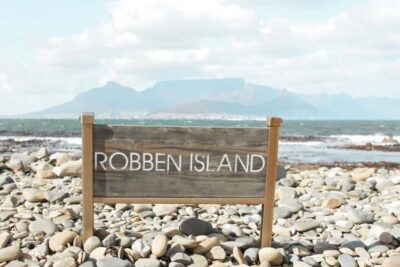
Robben Island Ferry Tour with 1-Way Hotel Pickup
Read our review →
Robben Island Ferry with Prison Ticket and Tour
Read our review →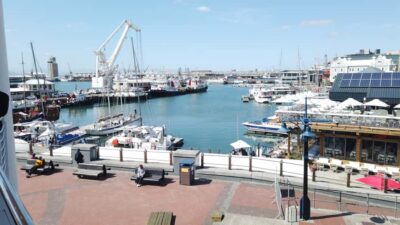

Robben Island Tour including Pick Up & Drop Off from Cape Town
Read our review →
Robben Island Ferry Ticket and Guided Prison Tour
Read our review →
Robben Island Experience: Pre-Booked Ticket & Return Transfers
Read our review →Browse the lists this tour appears in