
Reviewed · DURBAN & KWAZULU-NATAL TOURS
Drakensberg Kamberg Cave Art & Mandela Capture Site Day Tour
A single day can pack two South African stories. You get Kamberg Cave Art in the Drakensberg, then finish at the Nelson Mandela Capture Site Museum. My favorite part is how the cave art connects you to thousands of years of San spiritual life, and how the Mandela stop turns history into something you can stand inside and see clearly. One thing to consider: the cave visit includes a 60-minute walk, so your footwear and pace matter.
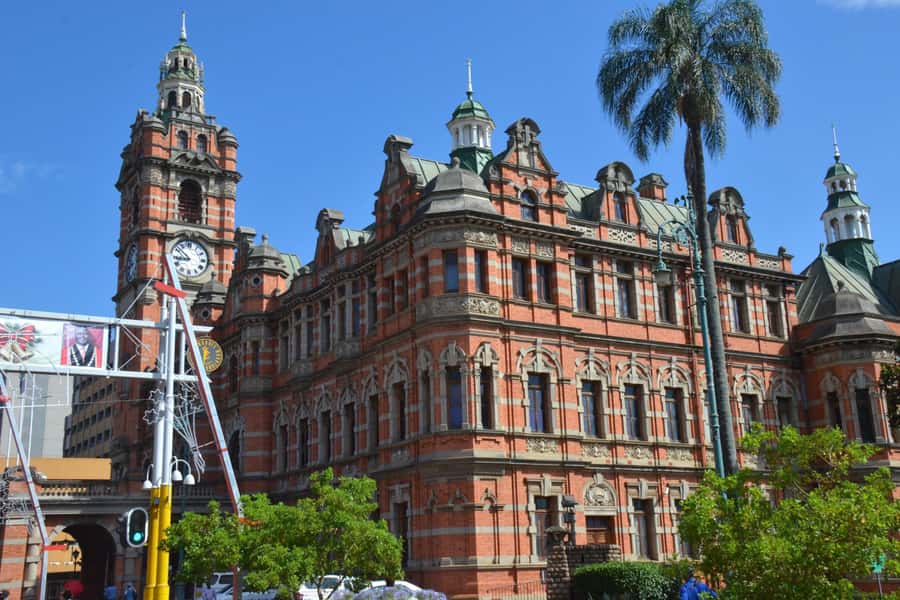
The route is built around real stops, not just quick photo breaks. You begin in Pietermaritzburg, pause at the Gandhi statue and the City Hall (it claims to be the largest brick building in the southern hemisphere), then head toward Kamberg Nature Reserve. The day ends at Howick Falls, about 95 meters high on the Umgeni River, before the Mandela sculpture and museum. Bonus, one review specifically noted a 4×4 vehicle, and at least one guide named Aaron was praised for being patient and making sure walkers could experience the caves.
In This Review
- Key Points You Should Know Before You Go
- Drakensberg Cave Art and Mandela in One Long Day
- From Pietermaritzburg City Hall and Gandhi to the Drakensberg
- Kamberg Nature Reserve: Why This Walk Leads to Real Connection
- The San Cave Art Visit: What to Expect at the Rock Shelters
- Howick Falls (KwaNogqaza): A 95-Meter Reset for Your Senses
- Nelson Mandela Capture Site: The Steel Columns That Make You Step Back
- Price and Value: Is $218 Reasonable for This Day?
- Timing, Transportation, and the Reality of a 10-Hour Day
- Who This Tour Suits, and Who Should Rethink It
- Practical Tips: Shoes, Pace, and Photo Planning
- Should You Book This Drakensberg Kamberg Cave Art and Mandela Tour?
- FAQ
- How long is the Drakensberg Kamberg Cave Art and Mandela Capture Site day tour?
- Where does pickup happen?
- What is included in the tour price?
- What is not included?
- What languages are available for the live tour guide?
- Is there walking involved?
- What should I bring?
- Is the tour wheelchair accessible?
- What is the cancellation policy?
Key Points You Should Know Before You Go
- Kamberg San cave paintings: Rock shelters with art created over at least 4,000 years
- A real 60-minute cave walk: Leisurely, but still a walk you should plan for
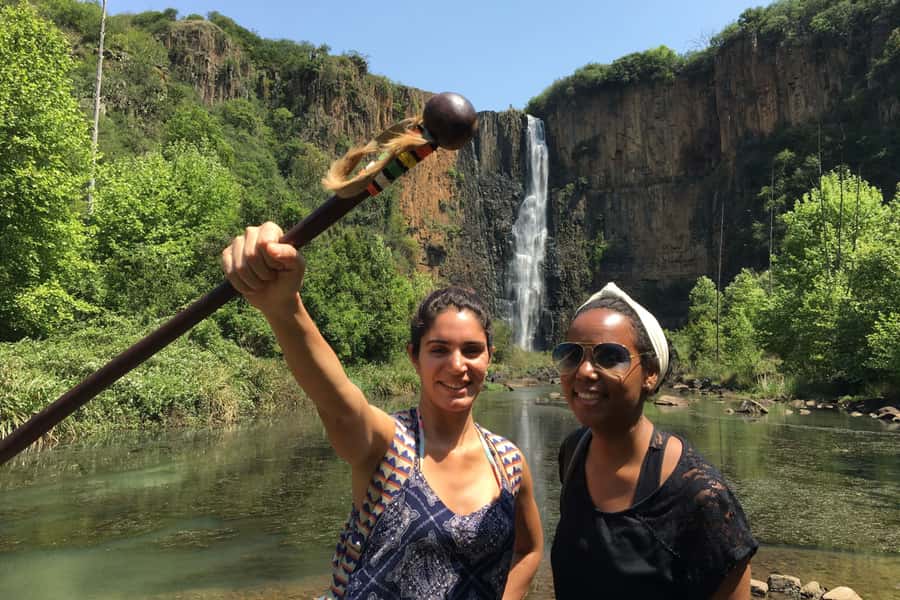
- Howick Falls stop: Around 95 meters and tied to the Zulu name KwaNogqaza
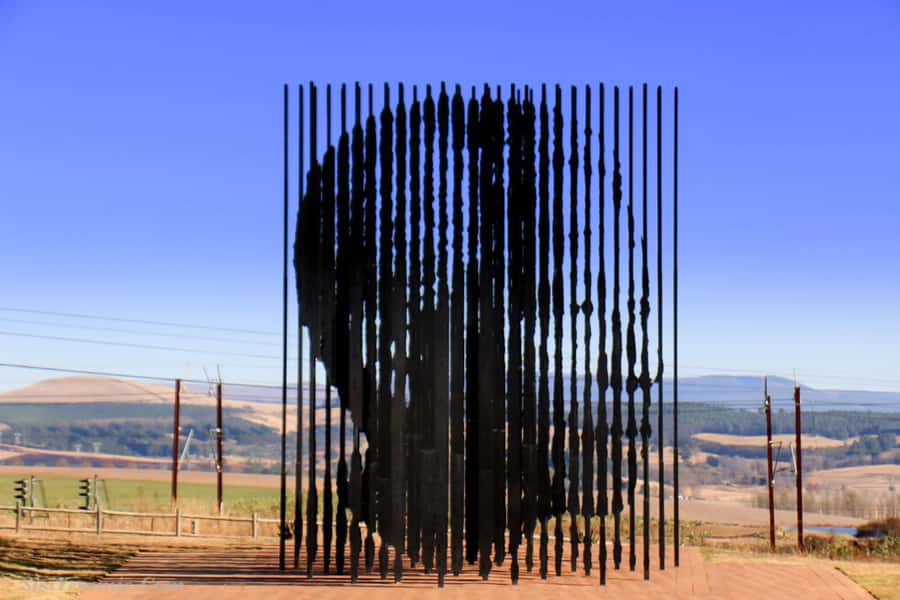
- Mandela sculpture + museum: 50 steel columns that line up to form a portrait
- Pickup from Durban: From selected hotels within 5 km of Gooderson Tropicana Hotel or Durban Harbour terminal
- Guides and pacing: English, French, Greek, Portuguese, and guides reported as patient when people need extra time
Drakensberg Cave Art and Mandela in One Long Day
This is the kind of tour that feels like two chapters of the same book, both centered on South Africa, just from different angles. In the morning, you’re walking into the Drakensberg foothills to reach rock shelters with San paintings. Later, you’re in the Midlands area learning about Nelson Mandela and apartheid, with a sculpture design that makes you slow down and look.
What makes it work is the balance. You do time outdoors in Kamberg Nature Reserve, then you switch to museum-style learning at the Mandela Capture Site. It’s also a “guided but not rushed” format, at least in the way it’s described by good experiences. One guide, Aaron, was mentioned for waiting patiently so a person with a recent pneumonia and a bad knee could still make the cave art walk. That is the kind of small detail that can turn a standard itinerary into a meaningful day.
A few more Durban trips worth comparing
- Durban: 30-Minute Harbor Boat Cruise
★ 4.7 · 665 reviews - Durban: 1-Hour Boat Cruise from Wilson’s Wharf
★ 4.7 · 496 reviews - Durban Point Waterfront: Luxury Canal Boat Cruise
★ 4.4 · 298 reviews
From Pietermaritzburg City Hall and Gandhi to the Drakensberg
Your day starts in Pietermaritzburg, the capital of KwaZulu-Natal, so you begin with a dose of civic South Africa before you escape into the mountains. You stop at Pietermaritzburg’s City Hall, which claims to be the largest brick building in the southern hemisphere. It’s a straightforward photo and stretch moment, but it also helps set the tone: this tour doesn’t treat the morning as dead time.
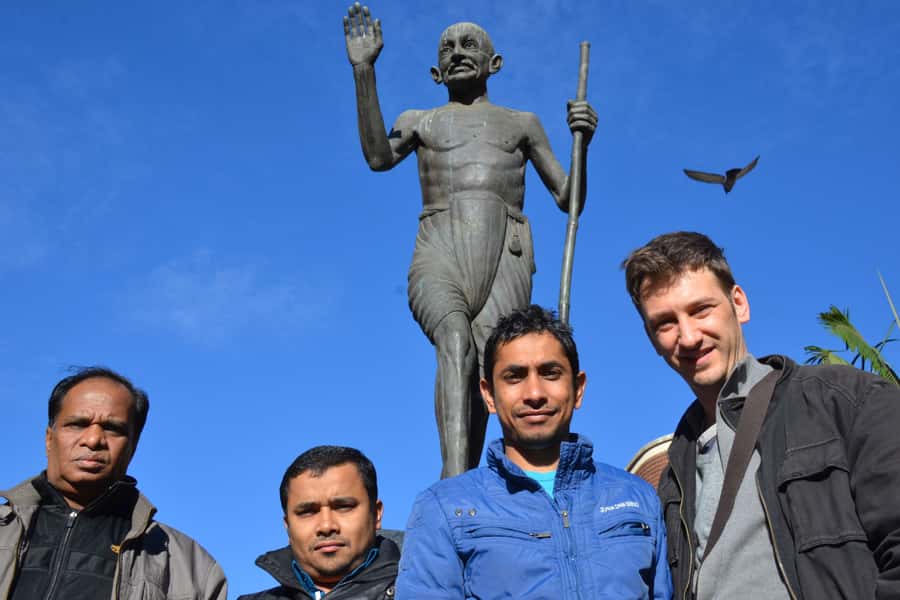
You’ll also see the Gandhi statue before heading out toward the Drakensberg mountains. Then the route shifts into “nature reserve mode,” which matters because Kamberg is not just a single viewpoint. It’s a bigger protected area within the larger Maloti-Drakensberg Park World Heritage Site, and the reserve was proclaimed in 1951. That long context is useful because it explains why this place is treated with care, not treated like a quick roadside stop.
Kamberg Nature Reserve: Why This Walk Leads to Real Connection
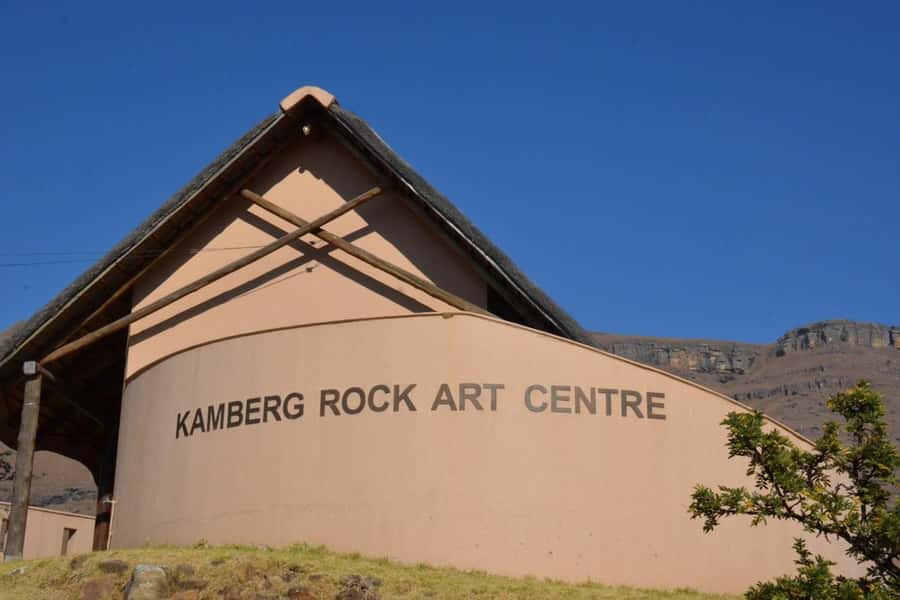
Kamberg Nature Reserve is the core of the day. It covers about 6,300 hectares in the foothills and has multiple walks. The reason it’s special for this tour is the rock shelters scattered through the reserve, which include San rock paintings.
These paintings weren’t made yesterday. The art tradition here stretches back at least 4,000 years, created by the San people over a long period. The descriptions emphasize that the works are outstanding for both quality and diversity, and that they reflect the spiritual life of the San people who no longer live in the region. That point matters. You’re not just seeing “old drawings.” You’re trying to understand how people once explained the world through symbolic art tied to belief and daily life.
This is also where the tour becomes physical. Your cave visit includes a leisurely 60-minute walk to reach the caves. Even if it’s described as leisurely, it’s still a sustained stretch of time on trails. If you’ve got any knee issues, ankle history, or balance concerns, treat this as the main risk point of the entire itinerary.
The San Cave Art Visit: What to Expect at the Rock Shelters
Once you reach the caves, you get a guided tour of the paintings. This is a key difference between looking at art on your own and actually learning how to see it. A local guide helps you connect what you’re viewing to what the symbols may have meant in San spiritual life.
Timing matters too. The day is built around the walk up first, then a guided cave experience. That order helps because the scenery and sounds of the reserve prepare you for the “quiet concentration” you need at the paintings. It also reduces the chance you’re trying to listen to history while winded from a sprint.
Practical note: bring walking shoes and wear suitable clothing, and plan for that “mountain weather surprise” feeling. One negative experience described an injury after slipping on the way back from another cave art visit. That’s not the same site, and it doesn’t mean your trip will end badly, but it does underline why good grip and careful footing matter. The cave portion is the part of the day where you benefit most from taking it slow.
Same province, a very different day:
- Durban: Pontoon Boat Harbor Cruise
★ 4.4 · 182 reviews - Durban: Gondola Ride
★ 4.8 · 159 reviews - From Durban: Half-Day Safari Tour
★ 4.1 · 141 reviews - Luxury Canal Boat Cruise – Fun Things Durban Ushaka
★ 4.5 · 125 reviews
Howick Falls (KwaNogqaza): A 95-Meter Reset for Your Senses
After the Drakensberg portion, the itinerary shifts to the town of Howick and its waterfall. This is your reset, and it’s a good one. The tour stop is centered on Howick Falls, approximately 95 meters high, located on the Umgeni River.
There’s also cultural context. The Zulu name for the falls is KwaNogqaza, which means Place of the Tall One. That kind of naming matters because it gives you more than a height number. It helps you notice why the waterfall is more than just scenery, it’s part of local language and identity.
For pacing, think of this stop as the “time to breathe” moment between the cave art and the museum. It’s not a full hike like Kamberg, but it’s outdoors and it can get cooler near the mist, depending on conditions.
Nelson Mandela Capture Site: The Steel Columns That Make You Step Back
The last major stop is the Nelson Mandela Capture Site statue and the museum. This part of the tour turns a timeline into a physical experience.
The Nelson Mandela sculpture is made of 50 steel column constructions, each between 6.5 meters and 9.5 meters tall. They’re set into the Midlands setting, and the approach path is designed so the portrait comes into focus at about 35 meters, with the vertical units aligning to form a flat image in perspective. That means you’ll naturally do what the design expects: take a few steps back and look carefully. It’s one of those details that makes you slow down without anyone telling you to.
Then you move into the museum, dedicated to Mandela’s life and his struggle against apartheid. If you want a guided narrative that matches what you see outside, this is the payoff. It helps connect the moral and political gravity of the sculptures to the stories you’re learning, rather than leaving you with only an object and no context.
One value here is that the tour ends with meaning. You finish the day not just with another photo stop, but with a place that supports reflection.
Price and Value: Is $218 Reasonable for This Day?
At $218 per person, this is not a budget half-day. But it is a full 10-hour experience with multiple major components:
- entry fees included
- a local guide
- hotel pickup and port pickup and drop-off
- the cave art guided visit plus the walks
- Howick Falls stop
- Nelson Mandela statue and museum visit
You’re paying for transportation and coordination, plus paid access to the sites. In practice, the value will depend on what you care about most.
If your priority is a single “best-of” day that covers Drakensberg cave art and Mandela in one shot, the price can feel fair because you’re not separately arranging transport or individual guides for each site. If you already have your own car and you plan to self-drive, you may find yourself questioning the cost. Still, even then, you might prefer a guide for the cave paintings, because cave art is much easier to appreciate when someone helps you read what you’re seeing.
Also, the experience appears to include English, French, Greek, and Portuguese live guiding, which adds value if you’re not comfortable navigating independently. There’s also the option to request German and Polish.
Timing, Transportation, and the Reality of a 10-Hour Day
This tour runs about 10 hours. That sounds simple on paper, but it means you should plan your energy accordingly. The day includes:
- an urban start in Pietermaritzburg
- driving into the Drakensberg foothills
- a 60-minute walk to the caves
- a guided cave art visit
- Howick Falls stop
- Nelson Mandela Capture Site statue and museum
A full-day schedule like this can feel great if you like structured sightseeing, but it can feel tiring if you want a slow pace. The positive side is that the stops are meaningful and varied. The drawback is that you’re on a clock.
On transportation, one review noted a 4×4 vehicle, which hints that the driving route may require a vehicle suited to reserve roads. You’ll likely want to be ready for some uneven road feel. If you’re prone to motion sickness, it’s worth taking that seriously.
Who This Tour Suits, and Who Should Rethink It
This tour is a strong fit if you want:
- guided San cave paintings in Kamberg without trying to figure it out on your own
- a cultural history stop that goes beyond a quick exterior view, at the Mandela museum
- one waterfall visit that breaks up the day outdoors at Howick Falls
It also seems to work well for people who need pacing support. One guide named Aaron was praised for waiting patiently so a person recovering from pneumonia and with a bad knee could still experience the caves. That tells me the best tours here are the ones where you communicate needs early.
Who should think twice?
- Anyone who is not comfortable with a sustained 60-minute walk, even if described as leisurely
- Anyone with balance concerns, since rocky paths and careful footing matter in cave areas
- Anyone expecting a very flexible itinerary, because the day is built around fixed site order and timing
And here’s the honest balance: there is at least one poor experience in the set of reviews, including reports of an injury after slipping and a confusing return route where the person had to deal with extra walking in cold rainy conditions, then missed the rest of the trip. I can’t predict whether that would happen to you, but it does reinforce why you should take the walking portion seriously and choose the right shoes and clothing.
Practical Tips: Shoes, Pace, and Photo Planning
If you do just three things, do these:
- Wear proper walking shoes with grip. Treat the cave walk as the day’s main effort.
- Bring suitable clothing for mountain weather, and assume it can be cooler near the falls and cave areas.
- Tell your guide early about any injuries or limitations, so pacing can be adjusted.
For photos, plan on stopping for views, but remember that cave art appreciation often depends on quiet attention. If you rush to shoot everything, you might miss the meaning a guide is trying to explain. With Mandela’s sculpture, the design is perspective-based, so be ready to step back to see the portrait form.
Language-wise, pick what matches you best: English, French, Greek, or Portuguese are live options, and German and Polish can be requested.
If you’re bringing a wheelchair, the tour is listed as wheelchair accessible, but you should inform the local partner before the start so planning can be adjusted. That pre-communication is the difference between smooth access and a scramble.
Should You Book This Drakensberg Kamberg Cave Art and Mandela Tour?
I’d book if you want a single, organized day that connects San heritage, a major South African history narrative, and a classic waterfall stop, all with pickup included. It’s also a good pick if you like guided context, not just selfies.
I would not book if your main limitation is mobility or you know you’re likely to struggle with the 60-minute cave walk, even on a leisurely route. In that case, you might prefer a different itinerary with shorter walks, or plan a trip where you can control the pace more freely.
If you do book, go in prepared: good shoes, realistic pacing, and clear communication about any physical issues. That’s how you get the best version of this day.
FAQ
How long is the Drakensberg Kamberg Cave Art and Mandela Capture Site day tour?
It runs for about 10 hours.
Where does pickup happen?
Hotel pickup is available for hotels or accommodations within a 5 kilometer radius of the supplier office at Gooderson Tropicana Hotel (85 O R Tambo Parade, South Beach, Durban, 4001, South Africa). Pickup is also available at the Durban Harbour passenger terminal.
What is included in the tour price?
The tour includes a full-day guided program, entrance fees, a local guide, hotel pickup (selected hotels only), port pickup and drop-off, and all taxes, fees, and handling charges.
What is not included?
Food and drinks are not included, along with personal expenses.
What languages are available for the live tour guide?
Live guiding is available in English, French, Greek, and Portuguese. German and Polish can be requested.
Is there walking involved?
Yes. The cave visit includes a leisurely 60-minute walk to reach the caves.
What should I bring?
Bring walking shoes and suitable clothing.
Is the tour wheelchair accessible?
The tour is listed as wheelchair accessible. If you are a wheelchair user, you should inform the local partner before the start of the tour.
What is the cancellation policy?
You can cancel up to 24 hours in advance for a full refund.
Newest around Durban
- Tala Game Reserve & Natal Lion Park 1/2 Day Tour from Durban★ 3.0 · 13 reviews
- Shakaland and Zulu Culture Full-Day Trip★ 4.5 · 7 reviews
- From Durban: Oribi Gorge & Lake Eland Adventure Tour★ 5.0 · 5 reviews
- From Durban: Safari & PheZulu Village Day Tour★ 4.4 · 24 reviews
- From Durban: Hluhluwe Imfolozi Game Reserve Day Trip★ 4.5 · 13 reviews
- Durban: Hluhluwe Imfolozi Safari & iSimangaliso Tour★ 5.0 · 22 reviews
- Half Day Tala Game Reserve & Natal Lion Park from Durban★ 3.3 · 16 reviews
- Half Day Durban City Tour and Phezulu Safari Park★ 4.3 · 4 reviews
Durban & KwaZulu-Natal Tours, compared.
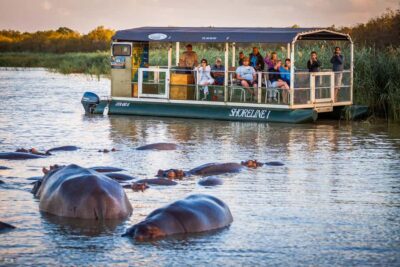
St Lucia: Hippo and Crocodile Cruise on a 15-Seat Vessel
Read our review →

Hluhluwe-Imfolozi Park Full Day Big 5 Safari Tour
Read our review →
Durban Point Waterfront: Luxury Canal Boat Cruise
Read our review →
Hluhluwe-Imfolozi: Big 5 Full or Half-Day Safari
Read our review →
Shoreline Hippo and Crocodile Boat Cruises, iSimangaliso Wetland Park
Read our review →
Browse the lists this tour appears in