

Reviewed · SOWETO & TOWNSHIP TOURS
Explore Soweto 8 Hour Tour with Lunch and Museum Visit
Soccer City, Soweto, and museums in one day feels intense. This 8-hour tour packs major sites with a real story, not just photos, and I like that it includes lunch and the key museum stops. I also appreciate the small-group pace, but one thing to consider is that the themes are heavy, so build in time to reset in between stops.
Here’s the deal: you start in Johannesburg, head into Soweto, stop at memorial and museum sites tied to the fight against apartheid, then round out the day at the Apartheid Museum. I like how the itinerary balances landmark time with shorter, focused stops, so you do not get stuck in one place too long. If you prefer a super laid-back day with minimal walking and no emotional content, this might feel like a lot.
In This Review
- Key Highlights You’ll Feel on the Ground
- Soccer City (FNB Stadium): Calabash Architecture and Mandela Moment Energy
- Entering Soweto via Vilakazi Street: More Than a Township Stop
- Hector Pieterson Memorial and Museum: The 1976 Turning Point
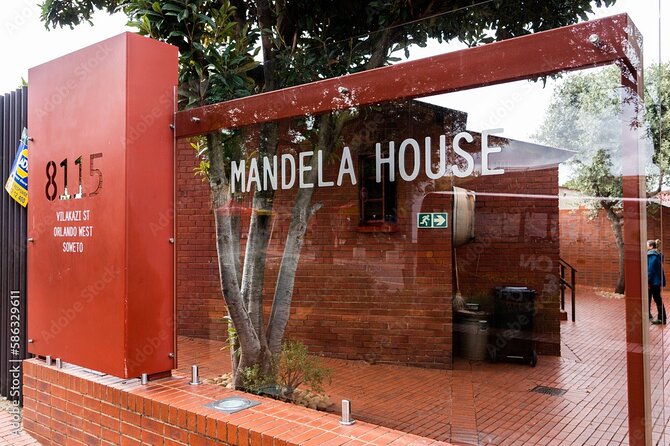
- Mandela House on Vilakazi Street: A Modest Home, a Global Legacy
- Sakhumzi Restaurant Lunch: Pap, Chakalaka, and a Real Break
- Apartheid Museum: Interactive Exhibits and the Road From Segregation to Democracy
- The 8-Hour Pace: Pickup, Small Group Size, and Comfortable Transit
- What You Get for $114.03, and Why It Can Be Worth It
- Who This Tour Suits Best in Johannesburg
- Should You Book This Soweto and Apartheid Museum Tour?
- FAQ
- How long is the Soweto tour?
- What time does the tour start?
- What’s included in the price?
- Is pickup provided?
- How big is the group?
- Can I cancel for a full refund?
Key Highlights You’ll Feel on the Ground
- Soccer City (FNB Stadium), Africa’s largest stadium and a major stage for Mandela moments, plus big music events
- Vilakazi Street, the rare street linked to two Nobel Prize winners: Nelson Mandela and Desmond Tutu
- Hector Pieterson Memorial and Museum, built around the 1976 Soweto Uprising story and the famous photograph
- Mandela House, Mandela’s former home and museum, with original furnishings and personal artifacts
- Sakhumzi Restaurant lunch, a buffet with South African classics like pap and chakalaka
- Apartheid Museum, interactive exhibits that walk you through segregation rules, resistance, and the road to democracy
Soccer City (FNB Stadium): Calabash Architecture and Mandela Moment Energy
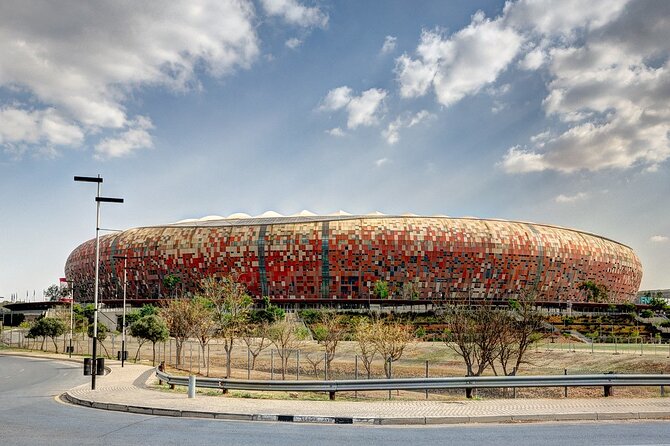
Most people picture Soweto right away. I love that this tour begins at FNB Stadium, also known as Soccer City, because it sets the tone for how South Africa tells its story through place. The stadium is described as the largest in Africa, and it is instantly recognizable thanks to its calabash-inspired design, which is meant to resemble an African cooking pot.
This is not just a sports stop. Soccer City hosted the opening and closing ceremonies for the 2010 FIFA World Cup, and it is tied to pivotal national moments, including Nelson Mandela’s first speech in Johannesburg after his release. If you are even casually into music history, it also links to global concerts by icons such as Beyoncé and U2.
Practical tip: plan on looking up. The stadium’s design is a big part of why it is memorable, and it helps you get oriented for the rest of the day.
More Museum Tours in Johannesburg
- Soweto /Johannesburg and Apartheid Museum Guided Full Day Tour
★ 5.0 · 932 reviews - Jo’berg in 1 Day: Soweto, Apartheid Museum & City Tour
★ 4.8 · 524 reviews - Johannesburg: Full-Day Tour with Soweto and Apartheid Museum
★ 4.8 · 478 reviews
Entering Soweto via Vilakazi Street: More Than a Township Stop
Once you’re on the Soweto side of the day, the tour becomes about understanding how apartheid shaped everyday life and how people resisted anyway. Soweto, South Western Townships, is framed here as the heartbeat of the anti-apartheid struggle and a center for culture and resilience on the edge of Johannesburg.
The big anchor for most first-timers is Vilakazi Street. It is called out as the only street in the world associated with two Nobel Prize winners: Nelson Mandela and Desmond Tutu. That fact matters because it compresses a huge amount of political and moral history into one street-level experience.
Then there is the 1976 Soweto Uprising connection, where the Hector Pieterson story becomes the emotional spine of what you’re seeing. Even if you do not know the details yet, the tour positions the memorial sites so the timeline makes sense as you move through the area.
What to expect on the ground: you are not touring in a museum bubble. You will see real neighborhoods, real streets, and real life layered with major historical landmarks. That mix can feel powerful, and it also means your guide’s explanations really matter.
Hector Pieterson Memorial and Museum: The 1976 Turning Point
This is one of the shortest stops on paper, but it often lands hardest. The Hector Pieterson Memorial and Museum exists because Hector Pieterson became a symbol of resistance during the Soweto Uprising on June 16, 1976. The tour highlights that Hector was only 12, one of the first students killed when peaceful protests against enforcing Afrikaans as the medium of instruction in schools turned violent.
You will also hear about the photograph that brought the situation to global attention. The image of Hector being carried while his sister runs alongside in anguish is described as the moment that shocked the world and marked a turning point in the fight for freedom.
Because this stop is tied to documented tragedy and public memory, I treat it like a quiet moment, not a checklist item. If you can, give yourself one or two minutes before you rush into exhibits or photographs, just to take in what the place is trying to communicate.
Mandela House on Vilakazi Street: A Modest Home, a Global Legacy
After the memorial stop, the tour shifts from the uprising to the personal side of Nelson Mandela. The Mandela House is located on Vilakazi Street and is presented as his former home before imprisonment in 1962. What makes it special is the intimacy: you are not only learning about decisions and speeches, you are getting a look at the space where family life and values sat alongside the path toward activism.
As a museum, it is described as containing original furnishings, photographs, and memorabilia that trace Mandela’s journey from lawyer to freedom fighter. In other words, it is not just a biography lecture. It gives you details that help you understand him as a person, not only a symbol.
A quick mindset adjustment I recommend: when you leave the memorial, you might feel heavy. Mandela House can feel grounding in a different way. It does not erase the past, but it reminds you that leadership came from human choices, not only events.
More Township Tours in Johannesburg
- Johannesburg: Hop-On Hop-Off Bus with Optional Soweto Tour
★ 4.6 · 985 reviews - Johannesburg Hop-On Hop-Off City Tour with Soweto Option
★ 4.5 · 768 reviews - Half-Day Tour of Soweto Tour
★ 4.5 · 712 reviews - Soweto: Walking Tour with a Local Guide and Lunch
★ 4.9 · 648 reviews
Sakhumzi Restaurant Lunch: Pap, Chakalaka, and a Real Break
Halfway through the day, you get lunch at Sakhumzi Restaurant on Vilakazi Street. This is not a rushed snack stop. It is described as a buffet-style lunch with traditional South African dishes, including pap, chakalaka, and grilled meats, plus vegetarian options.
I like that the lunch is intentionally placed near historical landmarks like Mandela House. It keeps the day from becoming all monuments, all the time. And since the atmosphere is often paired with local music, it also helps you transition emotionally from memorial intensity to something more everyday and human.
Practical advice: eat like you mean it. The rest of the day includes one of the most demanding museum visits in the itinerary, so you will want energy for the reading, photos, and moving content ahead.
Apartheid Museum: Interactive Exhibits and the Road From Segregation to Democracy
If you only had energy for one stop, you would feel it here. The Apartheid Museum in Johannesburg is framed as a powerful, thought-provoking account of South Africa’s apartheid past and the path to democracy. The tour describes interactive exhibits, photographs, films, and personal accounts that take you through the system of racial segregation and what it did to daily life.
What I appreciate about this museum is the way it is structured around themes you can hold onto. You are guided through topics like racial classification, resistance movements, and the rise of leaders such as Nelson Mandela. That theme-based approach helps you connect history to the lived reality behind the policies.
One more thing worth knowing: the museum’s architecture is also described as symbolic. That matters because the building itself is part of the message, not just a container for exhibits.
Timing note: you get about 2 hours here, based on the tour outline. That is enough time to take the big sections in without getting so exhausted you stop caring.
The 8-Hour Pace: Pickup, Small Group Size, and Comfortable Transit
This is an 8-hour experience with a start time of 9:00 am, and pickup is offered. The vehicle is described as air-conditioned, with WiFi on board, and you get bottled water. That might sound like basic comfort, but on a day that includes emotional content and multiple locations, it makes a difference.
The group size is capped at 10 travelers. I like small groups for two reasons. First, it keeps questions manageable, so your guide can actually explain instead of doing a rushed script. Second, it usually means the drive between stops is less chaotic.
The tour also uses a mobile ticket, and it notes group discounts. That combination is usually a sign they expect real people to join from different schedules, and it reduces day-of friction.
One small planning point: the itinerary includes multiple museums and memorials, so you will want comfortable shoes and a way to pace yourself. You do not need to force a sprint through every exhibit panel.
What You Get for $114.03, and Why It Can Be Worth It
The price is $114.03 per person for about 8 hours. To judge value, I look at what is included versus what you would likely pay separately.
Included items:
- Air-conditioned vehicle and WiFi on board
- Lunch
- Bottled water
- Admission is specifically noted as included for the Hector Pieterson Museum and Memorial and the Apartheid Museum
- Soweto is listed as admission ticket free in the schedule
Also, alcohol is not included, so if you plan to buy anything with your meal, budget extra.
Value in plain terms: you are paying for guided context and transport on top of museum time. For places like Hector Pieterson Memorial and the Apartheid Museum, the difference between reading the labels alone and hearing the story in a logical order is huge. If you want a day that connects the dots, this price can feel fair.
If you are on a tight budget, you could piece together stops yourself. But you would be doing it without the built-in flow, and that is where guided tours tend to earn their keep.
Who This Tour Suits Best in Johannesburg
This experience fits best if you want a structured overview without sacrificing key stops. It also suits you if you like history you can feel in the real world, because the day is not only indoor museums.
I think it is a strong match for:
- First-time visitors who want Soweto + major memorial context + a major museum
- People who prefer a guided explanation to wandering between sites with no thread
- Travelers who want lunch included so they do not spend the day hunting food
It might not be ideal if:
- You want a light day with only upbeat sights
- You dislike emotionally intense history
- You prefer slower pacing with more free time
Based on the tour experience style and the praise for guides like Thabang and Thabang Msiza in past outings, you can also expect story-driven narration rather than a silent bus ride.
Should You Book This Soweto and Apartheid Museum Tour?
I would book it if your goal is simple: understand apartheid-era South Africa through the key places in Soweto and Johannesburg, then leave with a clearer timeline and more human context. The included lunch and museum admissions help you protect your time, and the small group size supports better questions.
I would pause and rethink if you are traveling with limited stamina or you know you struggle with heavy subject matter. In that case, you can still visit these sites, but you may want a shorter, less packed format.
Bottom line: if you want a guided day that connects FNB Stadium, Vilakazi Street, the Hector Pieterson Memorial, Mandela House, lunch at Sakhumzi, and the Apartheid Museum, this is a solid way to do it in one shot.
FAQ
How long is the Soweto tour?
It runs for about 8 hours.
What time does the tour start?
The start time is 9:00 am.
What’s included in the price?
Included features are an air-conditioned vehicle, WiFi on board, lunch, bottled water, and admission tickets that are marked as included for the Hector Pieterson Museum and Memorial and the Apartheid Museum.
Is pickup provided?
Yes, pickup is offered.
How big is the group?
The tour has a maximum of 10 travelers.
Can I cancel for a full refund?
Yes. You can cancel up to 24 hours in advance for a full refund. If you cancel less than 24 hours before the experience starts, the amount paid is not refunded.
More Museum Visits in Johannesburg
- Full-Day Soweto, Apartheid Museum and Lunch Tour
★ 5.0 · 410 reviews - Half Guided Day Tour of Soweto And Apartheid Museum
★ 5.0 · 356 reviews - Ultimate Johannesburg Soweto Experience with Apartheid Museum
★ 5.0 · 313 reviews - Soweto: Hop-On Hop-Off Bus, City Tour and Apartheid Museum
★ 4.5 · 250 reviews
Newest around Johannesburg
- Zulu Food Cooking & Dining Experience with a local Chef★ 4.4 · 5 reviews
- Private Soweto Tour 5 hours approximately from Johannesburg or Pretoria.★ 4.5 · 9 reviews
- bicycle tour soweto★ 4.5 · 20 reviews
- Two day Kruger National Park Safari from Johannesburg★ 5.0 · 19 reviews
- Sun City Day Tour From Johannesburg★ 4.5 · 6 reviews
- Taste of Africa★ 5.0 · 9 reviews
- Full-day Johannesburg Bike Or Walking tour – With Transport★ 5.0 · 10 reviews
- Soweto Township Tours★ 4.5 · 6 reviews
Soweto & Township Tours, compared.


Soweto /Johannesburg and Apartheid Museum Guided Full Day Tour
Read our review →
Johannesburg Hop-On Hop-Off City Tour with Soweto Option
Read our review →

Jo’berg in 1 Day: Soweto, Apartheid Museum & City Tour
Read our review →Browse the lists this tour appears in