
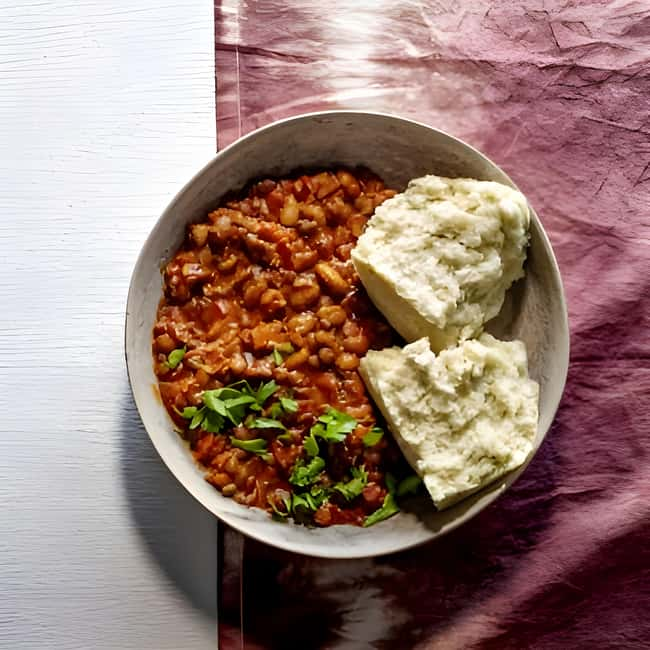
Reviewed · FOOD & DRINK
Zulu Food Cooking & Dining Experience with a local Chef
Cooking Zulu food in Joburg feels like a visit. This hands-on day combines a relaxed Maboneng walk, friendly conversations, and a real cooking session in a cozy home kitchen with a local chef. I love the way the neighborhood stroll sets the tone, with chances to meet food vendors along the way.
I also love the hands-on cooking itself, especially the warm, chatty guidance from hosts such as Nkululeko or Dylan and chefs like Bongani. One possible drawback to keep in mind: organization can vary, and the timing of when everything is finished can affect how warm each dish is when you sit down.
In This Review
- Quick takeaways
- Meeting at a Maboneng home: the welcome that makes it personal
- Maboneng on foot: history you can taste, vendors you can meet
- The 2-hour cooking session: learn Zulu techniques with a local Chef
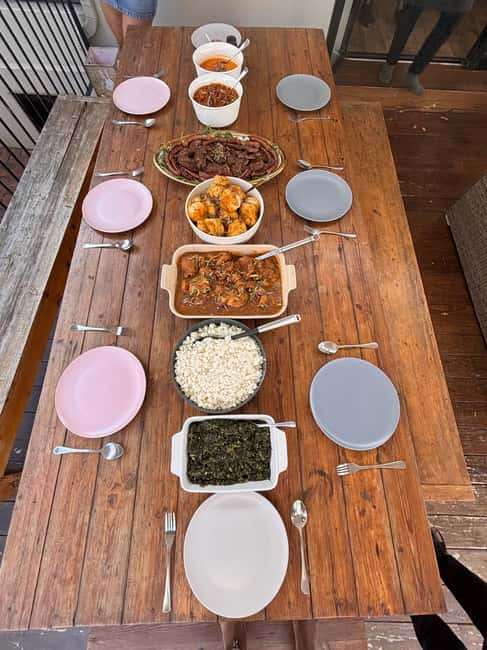
- What you eat: a Zulu-inspired lunch that feels like a celebration
- Cultural lessons that actually stick (because you’re doing something)
- Price and value: what $85 includes, and why it can be worth it
- Who this experience suits best
- Practical tips so the day runs smoothly
- A fair look at what can go wrong (and how to handle it)
- Should you book this Zulu cooking experience in Maboneng?
- FAQ
- Where does the Zulu cooking experience start?
- Where does the experience end?
- How long is the cooking session?
- What is included in the $85 per person price?
- Is lunch included?
- Are alcoholic drinks included?
- What languages are used during the experience?
- Do you have a Chef working with you during the cooking?
- What should I do about dietary restrictions?
- Is there a pay-later option and what’s the cancellation window?
Quick takeaways
Maboneng neighborhood stroll with a supermarket stop, plus interaction with local food vendors
A 2-hour hands-on cooking session led by a local Chef with traditional techniques
Zulu-inspired lunch included, with hearty portions that can run way more filling than you expect
Recipe help may include printed sheets and pronunciation tips for dish names
Warm hospitality starts at the host’s home, including a welcome drink and a friendly start-to-finish vibe
Meeting at a Maboneng home: the welcome that makes it personal
This experience starts at the host’s home in the heart of Maboneng, Johannesburg. Expect a warm arrival, the kind of welcome that makes the day feel less like a “tour” and more like you’re joining a local household for an afternoon.
In past groups, hosts have included people like Nkululeko and Dylan, who set a relaxed pace right away. You might even get a quick taste of personality in the setting, too, like cats and plants that help the whole place feel lived-in rather than staged.
A welcome drink is included, and it’s a nice little buffer if you’ve been traveling or trying to get your bearings around Joburg. Since the tour begins at a home, plan to be ready for a low-key start, not a formal hotel lobby scene.
More Food Tours in Johannesburg
- Johannesburg: Local Food Tasting Guided Walking Tour
★ 4.7 · 192 reviews - Soweto Food & Beer Bike Tour
★ 4.9 · 40 reviews - Johannesburg: Wine Tasting
★ 4.3 · 39 reviews
Maboneng on foot: history you can taste, vendors you can meet
After you get settled, you head out for a guided stroll through the Maboneng Precinct. This isn’t just a walk for photos. You’ll go at a leisurely pace, including a stop at a local supermarket, and the goal is to connect the neighborhood to the food people actually buy and cook.
This is where the cultural side becomes practical. You’re talking to local food vendors and learning how everyday choices, ingredients, and food routines shape community life. It also helps you understand the setting before you cook, so later, the flavors and techniques make more sense.
If you like your travel experiences grounded in real neighborhoods, this part delivers. You get movement, conversation, and small “how it works here” explanations that a guidebook usually skips.
The 2-hour cooking session: learn Zulu techniques with a local Chef
Back at the cozy kitchen, the day shifts into hands-on mode. The cooking session runs for about two hours, and you’ll learn traditional techniques step-by-step while working alongside the local Chef.
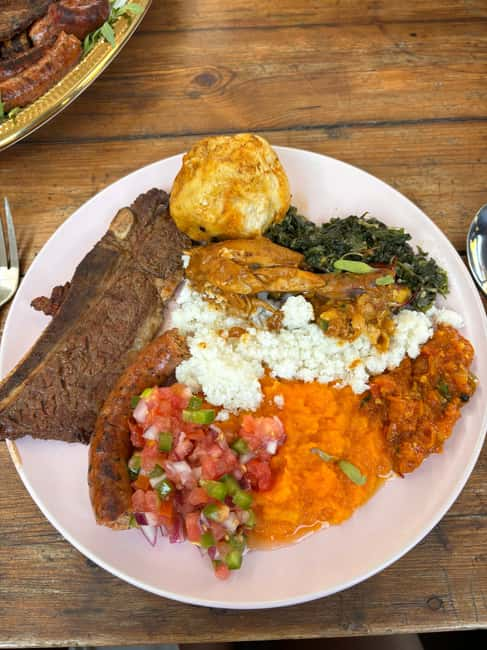
What I like about this format is that you’re not watching from a distance. You get your hands involved, you get questions answered, and the tone stays friendly, with plenty of laughter. In one group, Chef Bongani handled the grilling, and people raved about BBQ chicken and grilled sausage as standout items.
You’ll also hear cultural insights and stories from your host during the cooking. That matters because Zulu food is more than a list of dishes. When someone explains the why behind techniques, you carry something home that goes beyond taste.
One practical note: cooking days depend on timing, and kitchen setups can differ depending on the group and the flow of prep. In one experience, the order of tasks and dish timing meant not everything landed on the table at the same temperature. If warm food matters to you, consider arriving with an open mind, and remember that most of the work happens through the cooking process, not just the final plating.
What you eat: a Zulu-inspired lunch that feels like a celebration
Once the cooking is done, you sit down to enjoy a Zulu-inspired lunch. This is designed as a celebration of culture, tradition, and the connections you built while walking and cooking together.
The meal is curated for the experience, and it’s included in the price. People often end up surprised by how much they eat. In at least one case, the meal turned out to be far more than expected, with big, satisfying portions.
What you can count on is that the lunch connects to what you practiced in the kitchen. If you took part in grilling, seasoning, or prep steps, you’ll recognize those flavors on your plate. And if you’re the type who likes to eat slowly and talk while you chew, this part is especially enjoyable, because the day’s stories usually roll right into the meal.
Also, alcoholic drinks are not included. If you want wine, beer, or spirits, you should plan on skipping them or arranging them separately.
A few more Johannesburg trips worth comparing
- Johannesburg: Pan-African Cooking & Dinning Experience
★ 4.5 · 6 reviews - Cape Town: Malay Cooking Class and Lunch in Bo-Kaap
★ 4.8 · 515 reviews - Authentic African Cuisine Cooking Experience
★ 5.0 · 236 reviews - Cape Town: Cape Malay Cooking Class in Bo-Kaap
★ 4.8 · 120 reviews
Cultural lessons that actually stick (because you’re doing something)
The cultural value here comes from a simple idea: learning is easier when it happens while you’re doing. Walking through Maboneng and meeting vendors gives you context. Cooking together turns context into something you can remember, because your hands build the story.
During the day, you’ll hear insights and stories from your host about life, culture, and community. In one case, the host even helped with pronunciation, printing recipe sheets so people could take the names and steps home more easily. That kind of support is gold if you want to recreate the food later without guessing at wording or technique.
If you like food as a language, this experience treats it that way. You won’t just leave with full stomach energy. You’ll leave with a clearer mental map of how ingredients, cooking habits, and neighborhood connections show up in real life.
Price and value: what $85 includes, and why it can be worth it
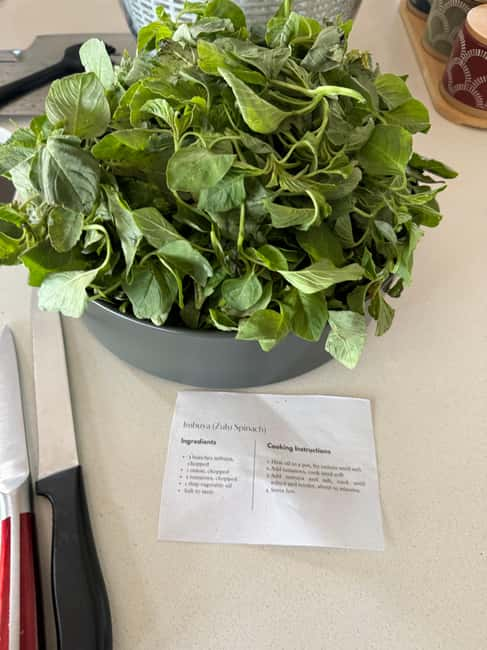
The price is $85 per person, and the value comes from what’s included, not just the cooking. You get:
Guided stroll through Maboneng Precinct
Interaction with local food vendors
Ingredients for the cooking session
A local Chef
Hands-on cooking instruction
Zulu-inspired lunch
Cultural insights and stories
Kitchen facilities
Warm hospitality in the host’s home
Welcome drink
When you compare that to a meal-only experience, you’re paying for three layers of value: the neighborhood orientation, the guided cooking instruction, and the full lunch with cultural interpretation. You’re not paying extra to “watch.” You’re paying for participation.
Is it expensive? For some people, yes, especially if you’re on a tight budget. But if you enjoy hands-on learning, like conversation, and want something more authentic than a restaurant meal, the structure justifies the cost. It’s one set price for a whole afternoon that blends food, people, and place.
Who this experience suits best
This is a great match if you want a food-centered day that’s still social and community-focused. You’ll likely enjoy it most if you:
Like hands-on cooking and want instruction, not just entertainment
Enjoy walking in real neighborhoods, even when you are not “shopping” for souvenirs
Care about understanding culture through everyday life, including what people cook at home
Want a relaxed group energy where conversation is part of the meal
It may be less ideal if you dislike walking, if you want a super structured, timed itinerary with zero flexibility, or if you are sensitive to variability in kitchen prep flow.
Practical tips so the day runs smoothly
A few small prep moves can make this day feel easier and more enjoyable:
Wear comfortable shoes. You’ll be doing a guided stroll in Maboneng.
Come with questions. This experience includes cultural stories, and you’ll get more out of it by asking about food, ingredients, and everyday life.
Plan to eat. The Zulu-inspired lunch can be very filling, and you’ll likely work up an appetite while cooking.
Expect a home setting. Kitchens are functional, not staged like cooking studios.
If you have any preferences, ask early. The tour data doesn’t spell out customization options, so it’s smart to raise questions directly to your host when you arrive.
And if pronunciation and recipe notes matter to you, be ready to ask for any printed sheets or name help while you’re cooking. In one experience, that support made it much easier to take the learning home.
A fair look at what can go wrong (and how to handle it)
This experience scores strongly on warmth, food quality, and instruction. At the same time, there are realistic variables.
One concern that can pop up is kitchen timing. In one instance, the kitchen setup and dish completion order meant some items didn’t stay perfectly hot when everything was ready together. Another concern mentioned was that the kitchen wasn’t cleaned up as thoroughly at the end as you might expect.
Here’s how to handle it without ruining your day:
Treat it as a cooking lesson first, meal second. The main value is learning the process.
Go with flexible expectations for plating temperature.
If cleanliness matters a lot to you, you can politely ask if everything will be reset and organized as the group moves through steps.
The bright side is that even with these issues, the vibe stays friendly. Hosts tend to be helpful, and the meal tends to be substantial. One host also said leftovers would be donated, which shows a thoughtful attitude toward what happens after cooking.
Should you book this Zulu cooking experience in Maboneng?
If you want a joburg food experience that feels like meeting people, not just eating a meal, I’d say book it. The combination of Maboneng walking, vendor interaction, a Chef-led hands-on session, and an included Zulu-inspired lunch hits a sweet spot.
You should book especially if you like:
cooking with guidance
learning through conversation
- taking away recipes and technique notes you can actually use later
Hold off if you need perfectly timed food service, want a highly formal setup, or dislike neighborhood walking. But if you’re open to a home-kitchen style experience, you’re likely to come away fed, informed, and with at least a few new cooking skills you can repeat back home.
FAQ
Where does the Zulu cooking experience start?
It starts at the host’s home in Maboneng, Johannesburg. Detailed directions are shared after booking so you can find the house easily.
Where does the experience end?
It ends back at the same meeting point, at the host’s home in Maboneng.
How long is the cooking session?
The hands-on cooking session lasts about two hours.
What is included in the $85 per person price?
Included are the guided stroll through Maboneng Precinct, interaction with local food vendors, ingredients for the cooking session, the local Chef and cooking instruction, a Zulu-inspired lunch, cultural insights, kitchen facilities, a warm welcome in the host’s home, and a welcome drink.
Is lunch included?
Yes. You’ll sit down to a Zulu-inspired lunch as part of the experience.
Are alcoholic drinks included?
No. Alcoholic drinks are not included.
What languages are used during the experience?
English and Zulu are used.
Do you have a Chef working with you during the cooking?
Yes. A local Chef is included and you’ll cook with instruction from them.
What should I do about dietary restrictions?
The tour data does not specify dietary customization. It’s best to ask the host directly before the experience so you can confirm what can be accommodated.
Is there a pay-later option and what’s the cancellation window?
You can reserve and pay later, meaning you pay nothing today. You can cancel up to 24 hours in advance for a full refund.
More Dining Experiences in Johannesburg
- 4-Day Kruger Park Safari & Panoramic Tour Combo including Breakfast and Dinner
★ 5.0 · 19 reviews - 3-Day Kruger National Park Safari including Breakfast and Dinner
★ 4.5 · 19 reviews - 5-Day Kruger Park Safari & Panoramic Tour Combo including Breakfast and Dinner
★ 5.0 · 12 reviews - 4-Day Kruger National Park Safari including Breakfast and Dinner
★ 5.0 · 12 reviews
Newest around Johannesburg
- Private Soweto Tour 5 hours approximately from Johannesburg or Pretoria.★ 4.5 · 9 reviews
- bicycle tour soweto★ 4.5 · 20 reviews
- Two day Kruger National Park Safari from Johannesburg★ 5.0 · 19 reviews
- Sun City Day Tour From Johannesburg★ 4.5 · 6 reviews
- Taste of Africa★ 5.0 · 9 reviews
- Full-day Johannesburg Bike Or Walking tour – With Transport★ 5.0 · 10 reviews
- Soweto Township Tours★ 4.5 · 6 reviews
- Pilanesberg National Park Safari, BIG 5 Full Day★ 5.0 · 4 reviews
Food & Drink, compared.

Full-Day Winelands Tour with Wine Tastings & Food
Read our review →
Hartbeespoort: 2-Hour Dam Cruise with South African Food
Read our review →
Stellenbosch & Franschhoek 20 Wine Tasting + Lunch Shared Tour
Read our review →
Browse the lists this tour appears in