
Reviewed · NATIONAL PARKS
Garden Route Durban to Cape Town via Addo National Park – 7 Days
Road time here is the point. This private, end-to-end drive from Durban to Cape Town mixes big wildlife moments with classic Garden Route stops, so you are not just watching miles go by. I like that you get a vehicle just for your group, plus breakfast, water, and entrance fees included, which cuts down on decision fatigue. One thing to consider is the schedule includes some longer driving days, so if you hate road time, you will want to plan for breaks and motion comfort.
You will start with a 4×4 game drive at Tala Private Game Reserve for rhino and other animals, then roll into Eastern Cape and Western Cape highlights like Addo Elephant National Park, Robberg Nature Reserve, Knysna Heads, and Hermanus. The best part is that the trip feels structured but not cramped, with two full nights in Knysna and a wildlife plus wine stop near Hermanus. The possible drawback is that a few activities are optional, and one major adrenaline stop, the Bloukrans Bridge bungy, is not included.
In This Review
- Key highlights you will actually feel on this trip
- Durban to Cape Town, but with less stress than self-driving
- Price and what you are getting for $1,581.44 per person
- Day 1: Tala Private Game Reserve first, then rural South Africa toward Mthatha
- Day 2: The Wild Coast drive, with room for Mandela-country stops
- Day 3: Addo Elephant National Park game drive, why the elephants feel personal
- Day 4: Bloukrans Bridge optional bungy, then Plettenberg Bay and Robberg
- Knysna Days 4 and 5: lagoon views, Heads viewpoints, and slow time by the Quays
- Day 6: Benguela Cove wine tasting near Hermanus, then Hermanus whale-viewing energy
- Day 7: Betty’s Bay African penguins, then the coastal run into Cape Town
- Best moments, based on what shines most in the ride
- Who should book this Durban to Cape Town Garden Route plan
- Should you book this 7-day Garden Route to Cape Town?
- FAQ
- Is this tour private or shared?
- What is included in the price?
- Do I need to bring tickets for park or activity entries?
- How much driving should I expect during the week?
- Is the bungy jump included?
- When do you arrive in Cape Town?
Key highlights you will actually feel on this trip
- Private vehicle for your group means fewer waiting games and more control over your pace.
- Tala Private Game Reserve 4×4 game drive gives you an early safari hit on Day 1, including a good chance at rhino spotting.
- Addo Elephant National Park is a dedicated day for elephant-focused wildlife viewing.
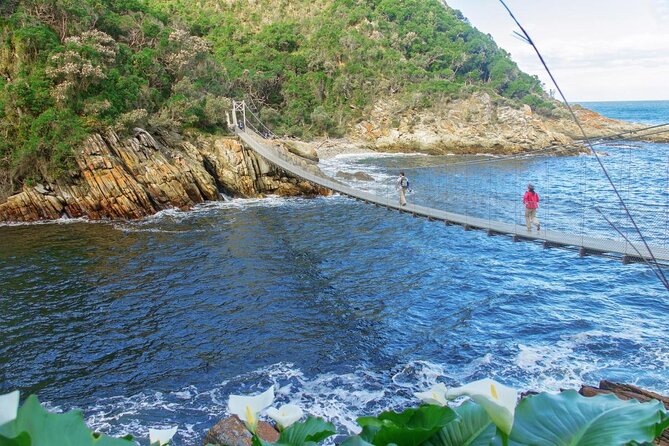
- Robberg Nature Reserve hike in Plettenberg Bay adds real walking time and coastal views.
- Knysna Heads and the Quays let you take in lagoon scenery without rushing.
- Hermanus and Betty’s Bay stack whale-viewing country with African penguin viewing before Cape Town.
Durban to Cape Town, but with less stress than self-driving
Let’s be honest. South Africa road trips can be stunning, and also a little punishing. This one is built for people who want the freedom of overland travel, without the extra stress of handling routes, timing, and frequent check-ins on your own.
You are traveling Durban to Cape Town following the Garden Route, with a plan that naturally strings together wildlife, coastal towns, and a few signature “stop and look” moments. The trip style is private, meaning only your group participates, and you get a vehicle just for your group for the long stretch. That is a big deal when you are tired of sharing schedules with strangers or trying to herd a group on tight timing.
The value is not just “transport plus sights.” You also have breakfast and water included and entrance fees included where listed, so you can spend your brain on what matters, like watching animals and timing your walks.
One note for expectations: this is not a sit-on-the-bus and watch scenery day after day. It is a drive with built-in stops, and some days are long. Reviews also point out that you need to be okay with long drives because the distances here are real.
More Garden Route trips:
- From Cape Town: 2-Day Safari at Garden Route Game Lodge
★ 4.8 · 928 reviews - Plettenberg Bay: Swim with Seals
★ 4.7 · 887 reviews - Knysna Ziplines Tour
★ 5.0 · 688 reviews
Price and what you are getting for $1,581.44 per person
At $1,581.44 per person for about 7 days, you are paying for convenience and logistics, not just sightseeing tickets. The practical reasons this price can feel fair:
- Vehicle just for your group reduces hassle and helps keep your day flowing.
- Breakfast included six nights, so you are not hunting for food on the move.
- Water included for the road days, which matters when you are doing outdoor stops.
- Entrance fees included for key activities like game drives and the Robberg Nature Reserve hike.
- Pickup offered and the tour is private, so you are not piecing it all together yourself.
If you tried to replicate this on your own, the costs and pain points would likely come from fuel, lodging management, park entry planning, and the time cost of figuring out day-by-day. Here, you trade a chunk of money for a smoother run.
Day 1: Tala Private Game Reserve first, then rural South Africa toward Mthatha
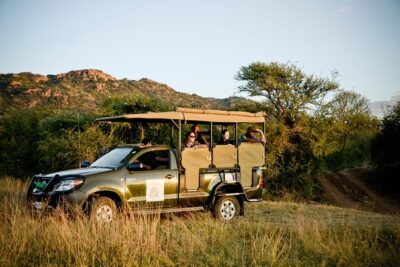
Your Day 1 starts with an early departure from Durban, then heads straight to Tala Private Game Reserve for a 4×4 game drive. The reserve covers over 3,000 hectares, which means you are not just driving through a tiny enclosure and calling it a safari. Your time on the game drive is listed at 2 hours, and admission is included.
What makes Tala a great opening act is that you are looking for rhino right away, plus the reserve is known for other animals like giraffe, zebra, wildebeest, and multiple antelope species. You will travel with an experienced game ranger, and the tour description highlights that they share insight on history, ecology, and wildlife conservation. If you like learning while you watch, this format works well.
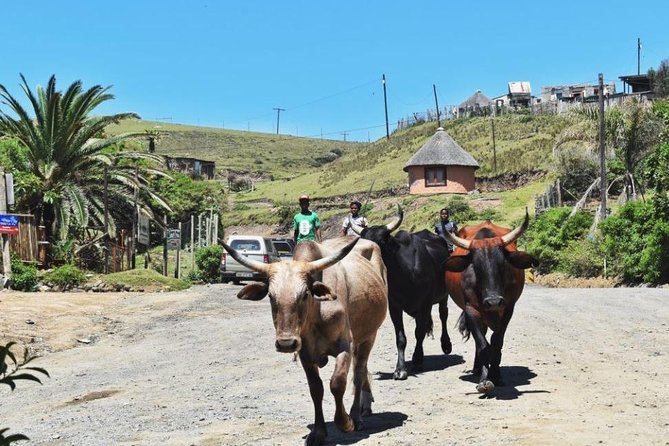
After the safari, you drive to Mthatha, passing through rural towns and villages such as Umzimkhulu and Ixopo. This is not a “top attractions” day, it is a shift in pace. You get a sense of daily life away from the coastal hotspots, and that contrast makes the rest of the trip feel more grounded.
Practical thought: a morning safari can be physically tiring, even when it is only a couple of hours. If you are prone to motion discomfort, you may want to plan for a slower evening after you arrive in the Mthatha area.
Day 2: The Wild Coast drive, with room for Mandela-country stops
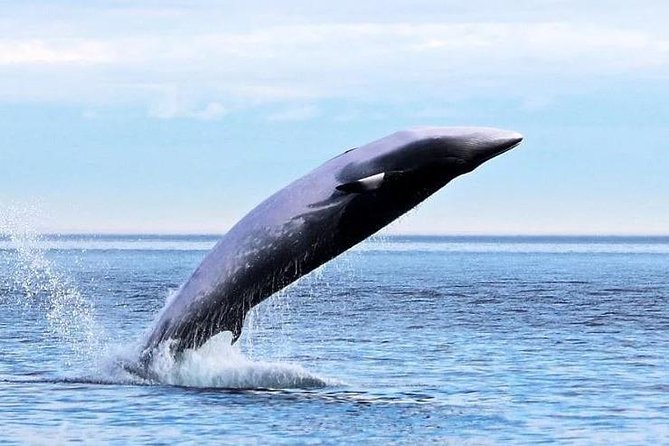
Day 2 is about moving from Mthatha to East London through the Eastern Cape. The drive time listed is about 5 hours, and the Wild Coast stretch is where the scenery and culture mix.
The tour description calls out a few places you might stop or pass by, including Coffee Bay, the Nelson Mandela Museum, Qunu (where Mandela spent his childhood and where his family still has a home), and Morgan Bay. Even if you do not see every one of those stops in full, the point is that you are on a route tied to real South African stories, not just a highway to the next town.
This day also has a clear benefit for travelers who get bored by long driving days: it is not presented as a blank commute. The Wild Coast is framed as both scenic and culturally meaningful, so you feel less like you are wasting time in the car.
Tip: if you want photos, have your camera ready before the stops start. These coast-and-town moments can happen quickly.
A few more Durban trips worth comparing
- From Johannesburg: Pilanesberg Nature Reserve Game Safari
★ 4.8 · 1,327 reviews - Addo Elephant National Park All Inclusive Full-Day Safari
★ 4.8 · 872 reviews - Kruger National Park Full Day Private safari
★ 5.0 · 799 reviews - Full Day Ultimate Pilanesberg National Park Safari from Johannesburg or Pretoria
★ 4.5 · 718 reviews
Day 3: Addo Elephant National Park game drive, why the elephants feel personal
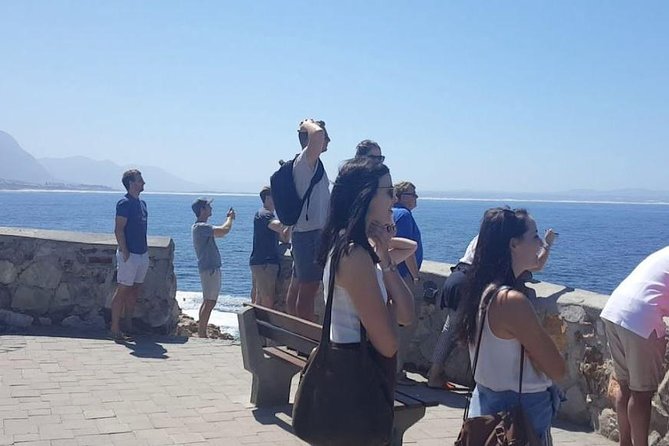
Day 3 is where the wildlife focus really locks in: you drive to Addo Elephant National Park for a game drive. Addo Elephant National Park was established in 1931 and started as a protection effort for the remaining elephants in the area. The park has grown to over 1,600 square kilometers and now holds a large elephant population, listed as over 600.
This is a national park where the main star is obvious, which is a comfort if you prefer targeted wildlife rather than hoping for random sightings. You are also told the park includes other animals such as lions, leopards, buffalo, black rhinos, spotted hyenas, plus plenty of others like zebras and antelope species.
The game drive timing is listed at about 5 hours, with admission not charged as noted for this stop. That is a generous block of time for wildlife viewing. You are not rushed, which helps because animal sightings can come in spurts, then you wait.
If your priority is photography, elephants and other mammals, this is the day you want to stay alert and patient. If your priority is getting to the coast, it can feel like you are going slower than you expected, but that is also why it is memorable.
Day 4: Bloukrans Bridge optional bungy, then Plettenberg Bay and Robberg
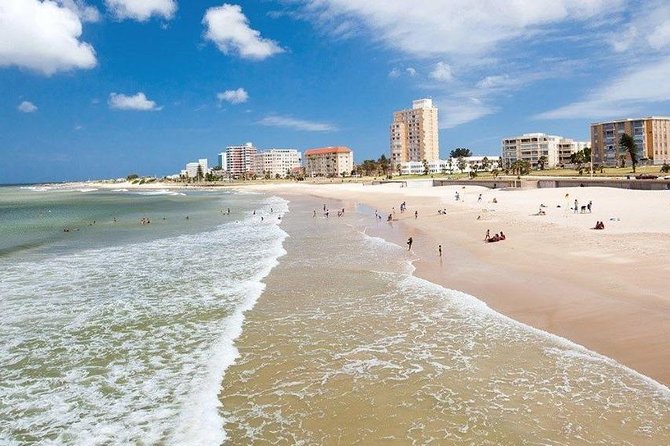
Day 4 starts with a stop at Bloukrans Bridge, famous for the world’s highest bungy jump at 215 meters. The bungy itself is an optional extra and not included, and the time listed is about 1 hour.
If you do bungy, it will likely be the emotional high of the day. If you do not, it still helps to have an adrenaline-viewpoint moment, then shift into calmer nature time.
Next is Plettenberg Bay. You get a brief town stop focused on the beaches and the outdoors vibe, with 2 hours listed. Then you move to Robberg Nature Reserve for hiking. Robberg is described as rugged cliffs plus sandy beaches, with both marine and terrestrial wildlife, including Cape fur seals, dolphins, whales, and various bird species. The hike stop is 2 hours, and admission is included.
This is one of the best “value per minute” parts of the day. You are not only driving and looking from a viewpoint. You are getting out, walking, and taking in the coast with actual effort.
A small practical point: Robberg-style coastal hikes can be uneven. Pack shoes you trust on rocky paths, and bring sun protection. Even on cool days, coastal light can be sharp.
Then you continue to Knysna, where you will spend two nights.
Knysna Days 4 and 5: lagoon views, Heads viewpoints, and slow time by the Quays
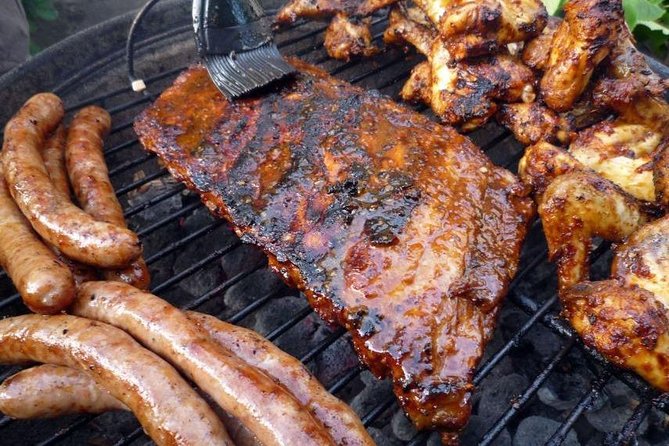
Knysna is described as the center of the Garden Route, positioned between lush forest areas and the Knysna lagoon, which opens to the Indian Ocean. This is where the trip turns more “linger” than “collect.”
On Day 4, you arrive and spend about 15 hours in the Knysna area, with no specific activity pinned for every hour. That open time is useful. You can recover after wildlife and hiking, and you can choose meals based on how you feel.
Day 5 starts with Knysna Heads, the two cliffs that guard the lagoon entrance. The tour description explains that the eastern head is a public nature reserve with viewpoints and trails, while the western head is private and not open to the public. You get about 2 hours here, enough for viewpoints and walking without turning it into a full day project.
Next is the Waterfront Knysna Quays, where the harbor and lagoon scenery take center stage. The time listed is about 2 hours. This is a great place to slow down, eat something, and watch boats. If you want one evening to feel less structured, Knysna Quays does that well.
If you love “water towns,” you’ll likely enjoy how Knysna mixes practical scenery with downtime. If you want strictly packed days only, this part may feel too calm. Personally, I like at least one day where the goal is to look, snack, and let the trip settle.
Day 6: Benguela Cove wine tasting near Hermanus, then Hermanus whale-viewing energy
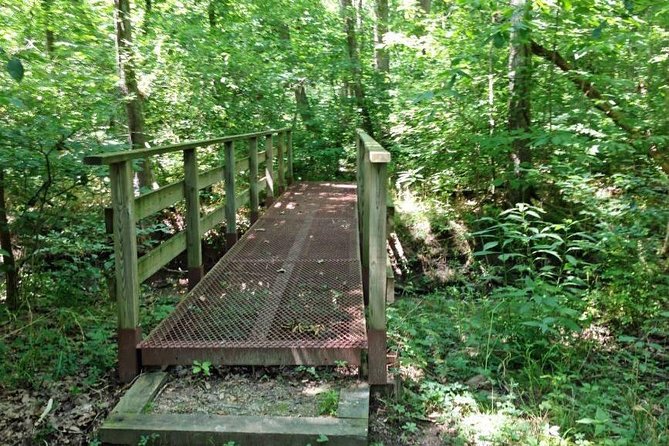
Day 6 moves from Knysna toward Hermanus via Benguela Cove Wine Estate near Walker Bay. You get a wine tasting stop, listed at 2 hours, and admission is included.
Benguela Cove is described as a vineyard on the banks of the Bot River Lagoon, with mountain and ocean views. The estate uses sustainable methods, and the varietals mentioned include Sauvignon Blanc, Chardonnay, Merlot, Cabernet Sauvignon, and Shiraz. If you are a casual wine drinker, a structured tasting stop is usually enough. If you are a wine nerd, this at least sets you up with names and a regional context for the Western Cape.
After the tasting, you reach Hermanus, where you will spend the night. Hermanus is described as the world capital of whale viewing. That means the town is built around long views of the water and seasonal wildlife attention.
The tour description also points out optional activities, including canoeing at Klenrivier and a visit to Grotto Beach. It also mentions the Hermanus Wine Village and its large wine shop on a route corner, which signals that wine culture is part of the town’s routine.
A practical thought: if you plan to do activities like canoeing, you might want to keep your hiking gear separate from your wine day clothes. It is easy to get mixed up when you are moving from tasting to water activities.
Day 7: Betty’s Bay African penguins, then the coastal run into Cape Town
On Day 7, you start by continuing your Hermanus tour and then head toward Cape Town, with drop-offs at the Cape Town international airport and hotels in the afternoon.
First stop: Betty’s Bay, where you go to see African Penguins. The time listed is 2 hours. This is the kind of stop that lands well near the end of a trip, because it gives you a final wildlife moment that is easy to understand and picture.
Next is Overstrand, driving via the coastal route between Hermanus and Gordon’s Bay. The time listed is about 1 hour, and the tour description highlights dramatic coastlines plus fynbos biosphere and you might encounter baboons, monkeys, plus birding and hiking along this stretch.
Finally, you arrive in Cape Town in the late afternoon for hotel and airport drop-offs, with a total of about 2 hours noted for the final Cape Town arrival segment.
If you are flying soon after, plan for buffer time. Even with an organized drop-off, Cape Town traffic and airport timing can be unpredictable.
Best moments, based on what shines most in the ride
The most praised aspects of this style of trip tend to cluster around comfort and guidance, and that fits this route.
- I love how the trip starts with Tala so you get a safari feeling before you even hit the longer Garden Route driving days.
- I also like that Addo is treated as a proper wildlife block, about 5 hours, not a quick drive-by.
- The Knysna portion has a calm payoff, with Knysna Heads and the Quays giving you a “slow down and look” day.
- The reviews you provided highlight excellent guides like Timba and Themba, both praised for meeting needs and tailoring stops. That matters, because on a long trip, the difference between rigid and flexible is huge.
For a private route like this, the guide’s role is not just “pointing places out.” It is also smoothing the flow, choosing sensible stops, and helping you make time for what matters to your group.
Who should book this Durban to Cape Town Garden Route plan
This tour suits you if:
- you want the big highlights between Durban and Cape Town without the stress of organizing everything
- you care about wildlife days, including Tala and Addo
- you like a mix of action and downtime, with hiking at Robberg and viewing time in Knysna and Hermanus
- you prefer privacy, with a vehicle just for your group
You might skip this if:
- you hate long drives and want mostly walking days
- your group needs very short transit segments daily
- your idea of value is strictly minimizing cost, because you are paying for convenience and included services
Should you book this 7-day Garden Route to Cape Town?
If you want a single, well-paced way to connect safari time, coastal towns, penguins, and wine country into one trip, I think this is a strong fit. The best “buy” in this plan is not any single stop, it is the way the inclusions add up: breakfast, water, entrance fees where listed, and private transport that keeps the day moving.
My decision rule: if you are excited by both animals and coastal scenery, and you are okay with some longer driving, you will likely feel like you got your money’s worth.
FAQ
Is this tour private or shared?
This is a private tour/activity. Only your group participates.
What is included in the price?
The tour includes accommodation for six nights, breakfast, water, and entrance fees for listed activities. You also get a vehicle offered for your group, plus pickup is offered.
Do I need to bring tickets for park or activity entries?
The tour includes a mobile ticket, so you should have access via your phone for the relevant admissions.
How much driving should I expect during the week?
The route includes several long overland sections, including drives of about 5 hours on more than one day (for example between Mthatha and East London, and Durban to Mthatha the day you start with Tala).
Is the bungy jump included?
No. The Bloukrans Bridge bungy is described as optional, with admission ticket not included.
When do you arrive in Cape Town?
You arrive in Cape Town in the late afternoon on the final day, with drop-offs at the Cape Town international Airport and at hotels.
Newest around Durban
- Tala Game Reserve & Natal Lion Park 1/2 Day Tour from Durban★ 3.0 · 13 reviews
- Shakaland and Zulu Culture Full-Day Trip★ 4.5 · 7 reviews
- From Durban: Oribi Gorge & Lake Eland Adventure Tour★ 5.0 · 5 reviews
- From Durban: Safari & PheZulu Village Day Tour★ 4.4 · 24 reviews
- From Durban: Hluhluwe Imfolozi Game Reserve Day Trip★ 4.5 · 13 reviews
- Durban: Hluhluwe Imfolozi Safari & iSimangaliso Tour★ 5.0 · 22 reviews
- Half Day Tala Game Reserve & Natal Lion Park from Durban★ 3.3 · 16 reviews
- Half Day Durban City Tour and Phezulu Safari Park★ 4.3 · 4 reviews
National Parks, compared.
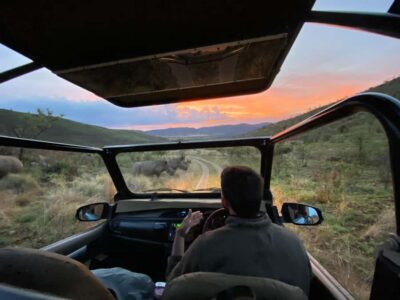
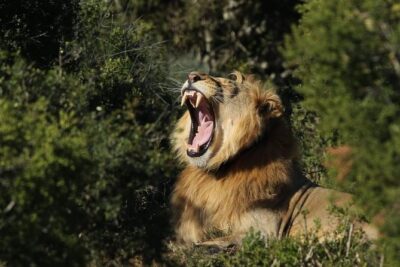
Addo Elephant National Park All Inclusive Full-Day Safari
Read our review →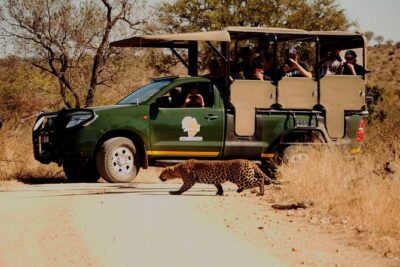
Full Day Ultimate Pilanesberg National Park Safari from Johannesburg or Pretoria
Read our review →
Addo Elephant National Park All Inclusive Full-Day Safari
Read our review →
Browse the lists this tour appears in