Reviewed · APARTHEID HISTORY TOURS
Historical Soweto & Apartheid Museum Tour
Soweto teaches fast, and it sticks. On this private half-day tour in Johannesburg, you see everyday township life in different neighborhoods, then switch gears to the Apartheid Museum for a clear, sobering walkthrough of how a system like that could exist.
Mandela House and Hector Pieterson Museum are both included, so you do not waste time figuring out tickets or timing.
I also like the way the day is built for real pacing. You get a local guide, a private air-conditioned vehicle, and you see Soweto without the chaos of squeezing onto public transport.
The main drawback to think about is the Apartheid Museum ticket: it is not included, and that museum time is self-guided (your guide is available if you need help).
In This Review
- Key highlights worth your attention
- Why Soweto plus the Apartheid Museum works in one 4-hour block
- Price and what you actually get for $89.44
- Pickup in a private vehicle, and how to make timing feel painless
- Diepkloof Park: seeing Soweto beyond one stereotype
- Kliptown corrugated iron houses and everyday reality
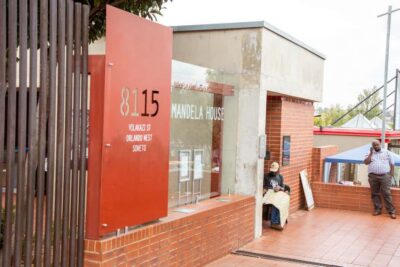
- Mandela House: the matchbox home and the letters from prison
- Hector Pieterson Museum: June 1976 and the Afrikaans instruction fight
- Apartheid Museum time: self-guided means you should plan your focus
- Guide quality matters more than you think on emotionally loaded tours
- Comfort and safety: what private transport changes in Soweto
- Getting the most from the included museum tickets
- Lunch add-on and keeping your energy up
- Who this Soweto and Apartheid Museum tour is best for
- Practical tips before you go
- Should you book this tour?
- FAQ
- How long is the Soweto and Apartheid Museum tour?
- Where does the tour take place?
- Is this a private tour?
- What admissions are included?
- Do I need to pay for the Apartheid Museum?
- Is pickup included in the price?
- What ticket format do I receive?
- Can I add lunch or dinner?
- Is the tour suitable for most travelers?
- What is the cancellation policy?
Key highlights worth your attention
- Private guided Soweto with a focus on culture and how people lived
- Diepkloof Park for a look at the upper-class side of Soweto
- Kliptown and its corrugated iron housing reality
- Mandela House entrance included, plus time for letters from prison and memorabilia
- Hector Pieterson Museum and Memorial included, centered on June 1976 and the Afrikaans instruction issue
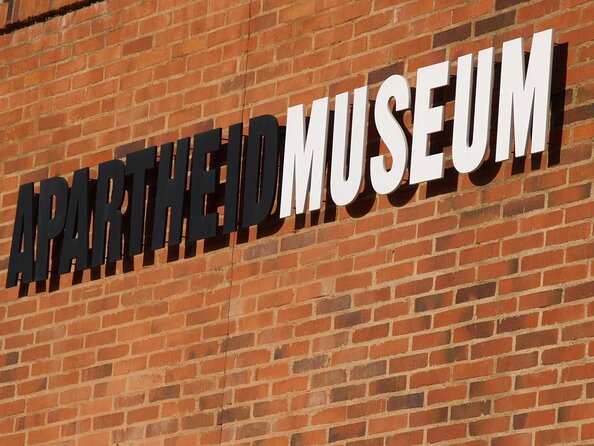
- Apartheid Museum time built in for self-guided exploring, with your guide on hand
Why Soweto plus the Apartheid Museum works in one 4-hour block
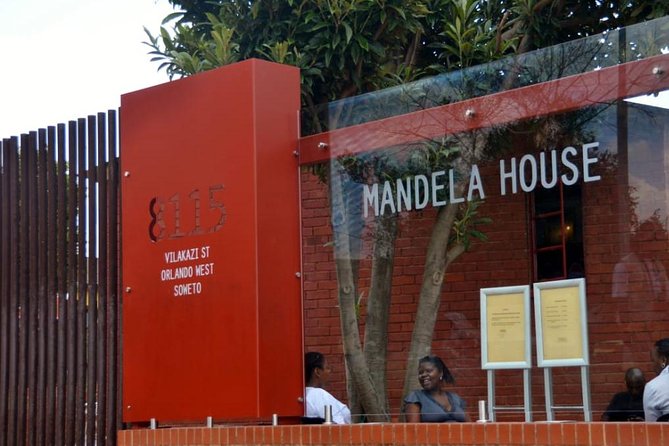
If you only have a short window in Johannesburg, this tour makes sense because it covers two angles you need at the same time. First, Soweto helps you understand the human scale: neighborhoods, housing, daily routines, and how communities shaped themselves even under pressure. Then the Apartheid Museum shifts to the system level, showing how apartheid rose and how it broke.
The best part is that the stops connect emotionally without turning into a nonstop lecture. You get a guided explanation in Soweto, then you move into museum spaces where you can slow down and absorb at your own speed. That mix tends to land better than doing one long museum day with zero street context.
More History Tours in Johannesburg
- Soweto Township Cultural Tour incl Apartheid Museum and Nelson Mandela House
★ 5.0 · 30 reviews - Cradle of Humankind World Heritage Site
★ 5.0 · 15 reviews - Johannesburg: Soweto History Tour with Hotel Pickup
★ 4.8 · 14 reviews
Price and what you actually get for $89.44
At $89.44 per person for about 4 hours, the value comes from the combination of transport plus included admissions. You are paying for convenience and access: a private air-conditioned vehicle, pickup from Johannesburg and Pretoria, and a local guide for the Soweto portion.
Here is what is included that matters most:
- Entrance to Mandela House
- Entrance to Hector Pieterson Museum and Memorial
- Private transportation in an air-conditioned vehicle
And here is the one cost you should budget for:
- Apartheid Museum admission is not included, and that museum is where you will likely want the full 2 hours.
If you compare this to piecing together taxis and buying tickets on your own, the private format is often worth it, especially if your time in Johannesburg is tight. If you are price-sensitive, the Apartheid Museum ticket is your swing factor, so confirm the expected cost before you go.
Pickup in a private vehicle, and how to make timing feel painless

The tour offers pickup from both Johannesburg and Pretoria, which is a big deal if you are staying outside central Johannesburg. Private transport also helps you keep your day moving. You are not stuck negotiating routes or transfers with a group that may not match your pace.
One practical note from real-world feedback: punctuality can be an issue on some days. I would plan for the possibility of a late start and keep your schedule buffer on either side of the tour. With only about 4 hours total, starting 30 to 40 minutes behind can compress the museum time more than you want.
If you want the smoothest experience, do this before pickup:
- Keep your phone ready for any last-minute updates
- Have a small amount of cash or a card ready for the Apartheid Museum ticket
- Wear comfortable shoes, because museums and memorial areas usually involve steady walking
Diepkloof Park: seeing Soweto beyond one stereotype
Your first stop is Diepkloof Park, which gives you a view of another side of Soweto. That matters because Soweto is often shown only through one lens, usually poverty or protest imagery. Here, the point is contrast, so you can understand that township life is not a single uniform story.
Since the ticket there is free, you are not stressed about costs or time. In a short tour, free admissions are helpful, because they buy you extra minutes for the stops where paid entry deepens the context.
What to expect: this stop is more about observation and guide-led interpretation than heavy museum time. You will likely spend the bulk of the visit learning how this area differs from the parts of Soweto most visitors expect.
More Museum Tours in Johannesburg
- Soweto /Johannesburg and Apartheid Museum Guided Full Day Tour
★ 5.0 · 932 reviews - Jo’berg in 1 Day: Soweto, Apartheid Museum & City Tour
★ 4.8 · 524 reviews - Johannesburg: Full-Day Tour with Soweto and Apartheid Museum
★ 4.8 · 478 reviews - Full-Day Soweto, Apartheid Museum and Lunch Tour
★ 5.0 · 410 reviews
Kliptown corrugated iron houses and everyday reality
Next comes Kliptown, where you learn about life in corrugated iron houses. This is the part of the day that tends to feel most immediate because you are seeing housing conditions up close and getting context for how people lived with limited resources.
Kliptown’s visit is also time-bound, about 45 minutes. That short window means you should focus on asking questions rather than trying to memorize everything visually. A good guide can point you toward what to notice: how a neighborhood is organized, what daily life likely looks like, and how communities adapted under apartheid-era restrictions.
This stop is valuable because it keeps apartheid from feeling like something that happened only in books. Instead, you get a sense of how it shaped housing, space, and options.
Mandela House: the matchbox home and the letters from prison
After Soweto street time, the tour shifts to Mandela House, the older small home often described as a matchbox house. You get about 35 minutes here, and that is enough if you know what to look for.
What makes Mandela House hit hard is the personal focus. You are not only hearing about leadership in the abstract. You are seeing how Nelson Mandela lived with his wives, plus learning about letters he wrote while in prison. The visit also includes memorabilia that was presented to him after 27 years in prison.
In a short day, I recommend you do Mandela House in two passes:
- First pass: walk through and orient yourself so the layout makes sense
- Second pass: slow down for the prison letters and any personal objects that explain daily life and resilience
The entrance is included, so you do not need to worry about ticket lines or add-on costs at this point. This stop also tends to be the one people feel most emotionally connected to, because it is specific and human-scale.
Hector Pieterson Museum: June 1976 and the Afrikaans instruction fight
Then you move to Hector Pieterson Museum and Memorial for about 1 hour. This is where the tour tackles June 1976, when students tried to march against the use of Afrikaans as the medium of instruction in schools.
Even if you only remember one date from South African history, this museum gives you a reason to care about why language policy mattered so much. It was not just grammar or schooling logistics. It was power, identity, and who gets to control the future.
What you will likely appreciate is the mix of memorial focus and explanation. Memorial spaces make emotions hard to avoid. Museum exhibits then help turn those emotions into an understanding of events, causes, and consequences.
If you are the type who likes to read every label, 1 hour may feel short. If you are more photo and big-picture focused, you should manage it well. Either way, you will leave with clearer context for the next stop at the Apartheid Museum.
Apartheid Museum time: self-guided means you should plan your focus
The final major stop is the Apartheid Museum, where you get about 2 hours. The museum is self-guided, but your guide should be available if you want help while you are inside.
Here is the key difference: in Soweto, the guide can explain as you go. At the Apartheid Museum, you are steering your own attention. That is not a bad thing. It can be a relief after driving and walking in township neighborhoods. But it means you should go in with a mini plan.
My suggestion for getting the most from the 2 hours:
- Spend your first 20 minutes deciding which sections you care about most
- Save time for the sections that explain how apartheid was enforced and how it finally ended
- If the museum feels heavy, take short breaks instead of rushing
Because the entrance is not included, make sure you do not get surprised at the door. If you want to avoid friction, confirm the expected cost ahead of time and have payment ready.
Guide quality matters more than you think on emotionally loaded tours
This kind of tour works or fails on guidance. The best parts are often the small explanations: why a street layout looks the way it does, what a museum detail is trying to communicate, and how to connect the dots between daily life and the political system.
On this tour, you get a local guide for the Soweto portion and you also have a guide available at the Apartheid Museum. That is helpful because it gives you permission to ask questions. It also helps if you want someone to translate what the museum is saying without you needing to read everything at once.
A practical caution from real-world experience: some people reported having to pay extra for local guides, despite expecting certain guidance to be included. If you want to avoid that surprise, ask your operator ahead of time what is covered in terms of guided museum support. Also, because pickup timing may vary, having the guide on-site when you arrive makes a big difference.
Comfort and safety: what private transport changes in Soweto
Soweto days can be long on the senses. Heat, walking, and the sheer emotional weight of memorials add up. Private air-conditioned transport gives you a reset between stops.
You are also with only your group. That matters because it helps you keep the tour focused. You are not waiting for stragglers to finish a snack, and you are not stuck with a group pace that conflicts with your interests.
On the safety front, private guiding and controlled movement can make you feel more settled. I would still use common travel sense: stay close to your guide in crowded areas, keep your valuables secure, and avoid wandering off during free moments. This keeps the day comfortable so you can focus on the meaning, not logistics.
Getting the most from the included museum tickets
This tour includes two key entrances:
- Mandela House (35 minutes)
- Hector Pieterson Museum and Memorial (1 hour)
Those inclusions help you avoid two common problems in Johannesburg tours: wasting time buying tickets and losing momentum when a museum line or entry process slows your schedule.
The Apartheid Museum is the wildcard since its ticket is not included. If you are planning a tight day, treat that as your budget priority and do not assume the same inclusion rules apply there.
Lunch add-on and keeping your energy up
Lunch is not included, but you can add lunch or dinner with one soft drink at extra cost. For a 4-hour day, that might not be necessary, especially if you eat before you go. Still, having the option is useful if your day is otherwise packed with driving.
If you plan to skip the add-on, bring a water plan. Wear something breathable. You do not want fatigue to steal attention from the parts that matter most.
Who this Soweto and Apartheid Museum tour is best for
I think this tour fits best if you:
- Want a structured introduction to Soweto without doing it on your own
- Care about seeing both township life and the apartheid story in one half-day
- Prefer private transport and a guide who can answer questions in real time
- Have limited time in Johannesburg and want maximum value per hour
You might not love it if you:
- Want to spend lots of time reading every label in every museum section
- Hate self-guided museums and would rather have full narration inside each building
- Are on a very strict budget and do not want to add the Apartheid Museum ticket cost
Practical tips before you go
A few small moves can make the difference between a rushed experience and a meaningful one.
- Wear comfortable shoes. You will walk through museum and memorial spaces.
- Bring a hat or sunscreen if you burn easily.
- Keep your phone charged. You will have a mobile ticket, and you may need it for entry.
- Confirm what is included for museum guidance, especially for the Apartheid Museum since its ticket is not included.
- If your schedule is tight, build in buffer time in case pickup runs late.
Should you book this tour?
If you want a short, guided day that connects Soweto life with the apartheid story, I would book it. The combination of Soweto stops plus included access to Mandela House and Hector Pieterson Museum is exactly what makes the tour feel efficient. The private vehicle and pickup options add real comfort, especially if you are starting from Johannesburg or Pretoria.
Just go in with two expectations set: plan for an extra admission cost at the Apartheid Museum, and keep a time buffer in case pickup or transitions run later than scheduled. If you handle those two points, this tour is a strong way to see the places that explain South Africa’s past and why it still matters today.
FAQ
How long is the Soweto and Apartheid Museum tour?
The tour lasts about 4 hours.
Where does the tour take place?
It takes place in Johannesburg, South Africa, with pickup offered from Johannesburg and Pretoria.
Is this a private tour?
Yes. It is a private tour, so only your group participates.
What admissions are included?
Entrance to Mandela House and Hector Pieterson Museum and Memorial is included.
Do I need to pay for the Apartheid Museum?
Yes. Apartheid Museum admission is not included.
Is pickup included in the price?
Pickup is offered, and the tour includes transportation in a private air-conditioned vehicle.
What ticket format do I receive?
You receive a mobile ticket.
Can I add lunch or dinner?
Yes. Lunch or dinner with 1 soft drink can be added at an extra cost.
Is the tour suitable for most travelers?
Most travelers can participate.
What is the cancellation policy?
Free cancellation is available. You can cancel up to 24 hours in advance for a full refund.
More Apartheid History Tours in Johannesburg
- Half Guided Day Tour of Soweto And Apartheid Museum
★ 5.0 · 356 reviews - Ultimate Johannesburg Soweto Experience with Apartheid Museum
★ 5.0 · 313 reviews - Soweto: Hop-On Hop-Off Bus, City Tour and Apartheid Museum
★ 4.5 · 250 reviews - Johannesburg and Soweto Apartheid Full Day Tour w/Lunch
★ 4.9 · 219 reviews
More Township Tours in Johannesburg
- Johannesburg: Hop-On Hop-Off Bus with Optional Soweto Tour
★ 4.6 · 985 reviews - Johannesburg Hop-On Hop-Off City Tour with Soweto Option
★ 4.5 · 768 reviews - Half-Day Tour of Soweto Tour
★ 4.5 · 712 reviews - Soweto: Walking Tour with a Local Guide and Lunch
★ 4.9 · 648 reviews
Newest around Johannesburg
- Zulu Food Cooking & Dining Experience with a local Chef★ 4.4 · 5 reviews
- Private Soweto Tour 5 hours approximately from Johannesburg or Pretoria.★ 4.5 · 9 reviews
- bicycle tour soweto★ 4.5 · 20 reviews
- Two day Kruger National Park Safari from Johannesburg★ 5.0 · 19 reviews
- Sun City Day Tour From Johannesburg★ 4.5 · 6 reviews
- Taste of Africa★ 5.0 · 9 reviews
- Full-day Johannesburg Bike Or Walking tour – With Transport★ 5.0 · 10 reviews
- Soweto Township Tours★ 4.5 · 6 reviews
Apartheid History Tours, compared.

Soweto /Johannesburg and Apartheid Museum Guided Full Day Tour
Read our review →
Jo’berg in 1 Day: Soweto, Apartheid Museum & City Tour
Read our review →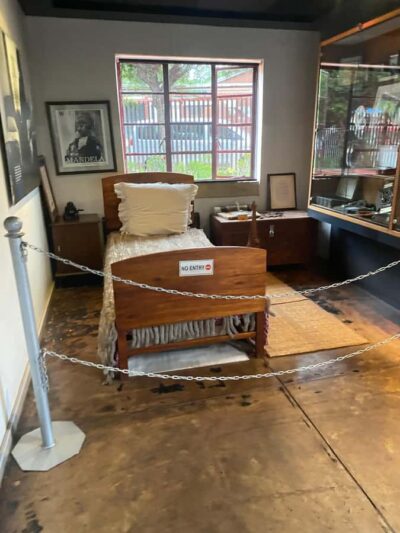
Full-Day Tour with Soweto and Apartheid Museum
Read our review →
Full-Day Soweto, Apartheid Museum and Lunch Tour
Read our review →
Half Guided Day Tour of Soweto And Apartheid Museum
Read our review →
Ultimate Johannesburg Soweto Experience with Apartheid Museum
Read our review →
Hop-On Hop-Off Bus, City Tour and Apartheid Museum
Read our review →