
Reviewed · SOWETO & TOWNSHIP TOURS
Johannesburg and Soweto: Half-Day Tour
Soweto changes how you see Johannesburg. I like this half-day format because it hits the two stops that give real meaning to the city, Mandela House Museum and the Hector Pieterson Memorial, in just 5 hours. You get the story, then you get the streets, so the past does not stay trapped in a building.
The main drawback is simple: there is no lunch, and you need to travel light since you are asked not to carry luggage. That is not a deal breaker, but it does mean you should plan a snack and keep your day tight around the schedule.
In This Review
- Key highlights to look for on this tour
- Why this Johannesburg to Soweto half-day is a smart use of time
- Johannesburg city center: the “Manhattan” clue you can actually see
- Southern suburbs and the speed of Johannesburg life
- Entering Soweto: watch the scenery shift
- Cooling towers and Soweto’s power landmarks: the industrial story behind the views
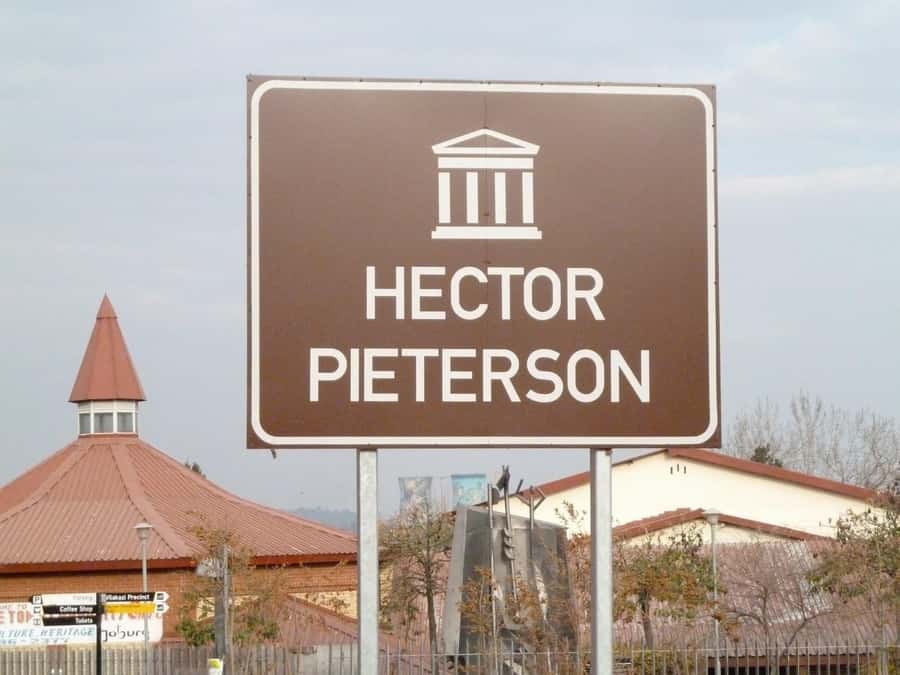
- Hector Pieterson Memorial: where the 1976 youth uprising becomes personal
- Vilakazi Street and Mandela House: the stop that anchors everything
- Seeing informal settlements, Baragwanath Hospital, and life up close
- FNB Stadium (Soccer City / The Calabash): a quick link to South Africa on the world stage
- What your guide does for you, and why it affects how you experience Soweto
- Food, bags, and timing: the practical stuff that makes or breaks your day
- The real value of paying $71 for five hours
- Who should book this tour, and who should consider alternatives
- Should you book this Johannesburg and Soweto half-day tour?
- FAQ
- How long is the Johannesburg and Soweto half-day tour?
- Is hotel pickup and drop-off included?
- What’s included in the tour price?
- Is lunch included?
- What languages are the live guides offered in?
- Are there luggage restrictions?
Key highlights to look for on this tour
Mandela House and Vilakazi Street: a focused look at Nelson Mandela’s life and the famed street that connects major figures.
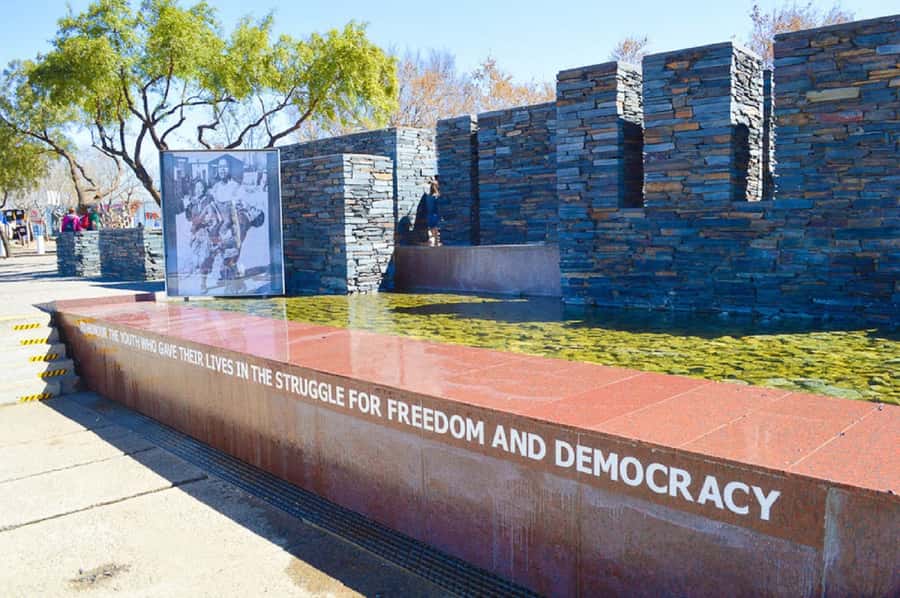
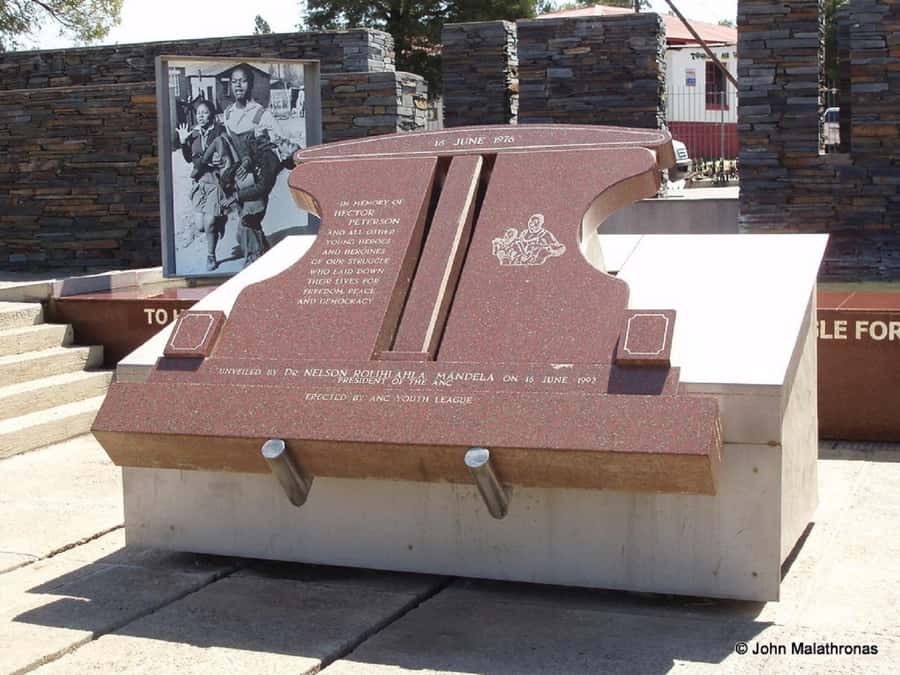
Hector Pieterson Memorial: a direct way to understand the youth uprising in 1976, with powerful context.
Soweto cooling towers: a striking stop linked to the township’s industrial past, now part of the modern “adventure” story.
Everyday township views: you see places like an informal settlement and Baragwanath Hospital from the roadside.
A guide who keeps you feeling safe: many guides, including James, Samuel, Pascal, Vincent, and Marc, are praised for careful attention and clear explanations.
FNB Stadium (Soccer City / The Calabash): a quick “big stadium” moment tied to the 2010 World Cup.
Why this Johannesburg to Soweto half-day is a smart use of time
Johannesburg is huge, split into neighborhoods that can feel like different countries. This tour is built for people who only have a short window, because it threads the needle between the city center and Soweto without turning the day into an all-day marathon.
At 5 hours, you still get enough movement to feel the change in Johannesburg, and you get to anchor that change with two major learning stops: Mandela House Museum and the Hector Pieterson Memorial. If your goal is to get your bearings fast, this is a solid plan.
Also, you are not doing it alone. You travel with a driver/guide and hotel pickup and drop-off, which matters in a city where distances are real and traffic can be unpredictable.
More Township Tours in Johannesburg
- Johannesburg: Hop-On Hop-Off Bus with Optional Soweto Tour
★ 4.6 · 985 reviews - Soweto /Johannesburg and Apartheid Museum Guided Full Day Tour
★ 5.0 · 932 reviews - Johannesburg Hop-On Hop-Off City Tour with Soweto Option
★ 4.5 · 768 reviews
Johannesburg city center: the “Manhattan” clue you can actually see
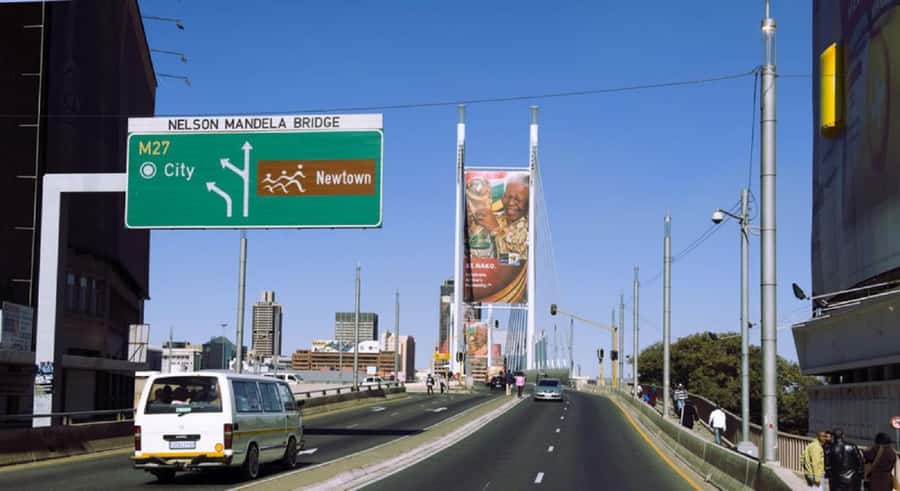
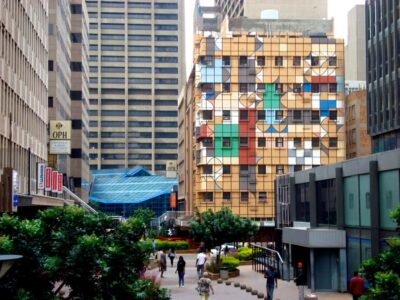
One of the most interesting ways to start is by noticing the shape of the city. The downtown area is described as geometrical, with high skyscrapers that can remind you of Manhattan.
You will also pass buildings that were built during apartheid-era planning, which gives you context for why the city looks the way it does today. Even if you never get out for a long walk, the drive-by perspective helps you connect architecture to history.
You should think of this part as orientation. You are not trying to see everything. You are setting up the “why” before you hit Soweto, so the next neighborhoods make more sense.
Southern suburbs and the speed of Johannesburg life

On the way toward Soweto, the route takes you through Johannesburg’s southern suburbs and across spacious freeways. This is where you can watch contrasts happen in real time, with sleek cars and more spread-out streets.
For many visitors, this is the first moment the city’s inequality becomes visible without a lecture. You are still in the “cleaner” part of the route, but you can feel that the next section will not look like this.
This segment also helps you understand how Johannesburg functions as a city of movement. Getting from place to place here is part of the story.
Entering Soweto: watch the scenery shift
The tour’s phrasing is straightforward, and it matches what you will likely feel: the scenery changes as you enter Soweto. That shift is not just visual, it is emotional, because it signals that you are moving from a city-center narrative into a township narrative.
This is where the tour becomes more than sightseeing. You are going into a place that has deep connections to the struggle for freedom, and the tour uses the driving route to set up the landmarks ahead.
A practical note: keep your camera ready, but keep your attention on your guide’s timing too. The best photos often come when you understand what you are looking at.
Same province, a very different day:
- From Johannesburg: Pilanesberg Nature Reserve Game Safari
★ 4.8 · 1,327 reviews - Full Day Ultimate Pilanesberg National Park Safari from Johannesburg or Pretoria
★ 4.5 · 718 reviews - Half-Day Tour of Soweto Tour
★ 4.5 · 712 reviews - Soweto: Walking Tour with a Local Guide and Lunch
★ 4.9 · 648 reviews
Cooling towers and Soweto’s power landmarks: the industrial story behind the views
Two iconic landmarks linked to power generation appear early in the Soweto section, and you will also have views of the Soweto cooling towers. The cool part here is contrast, because they are described as used for power generation in the past, and now commonly associated with bungee jumping.
So you get two narratives in one glance. The older one is about how the township’s infrastructure was tied to industry. The newer one is about how Soweto is also part of modern entertainment and tourism.
Even if you do not stop for a long look, this kind of roadside landmark works well on a short tour because it gives you a symbol you can remember later.
Hector Pieterson Memorial: where the 1976 youth uprising becomes personal
From there, the tour moves to the Hector Pieterson Memorial, tied to the youth uprising in 1976. If you only know a headline version of apartheid history, this stop is where you start connecting names, dates, and meaning.
The memorial is described as having a dark history focused on the youth uprising. That is exactly why your guide’s pace and explanations matter here. In a half-day tour, you do not want to rush past a place like this, and a good guide will slow you down enough to absorb what you are seeing.
When you leave, you might feel unsettled. That is normal. The point is not comfort, it is understanding, and this memorial is built for that.
Vilakazi Street and Mandela House: the stop that anchors everything
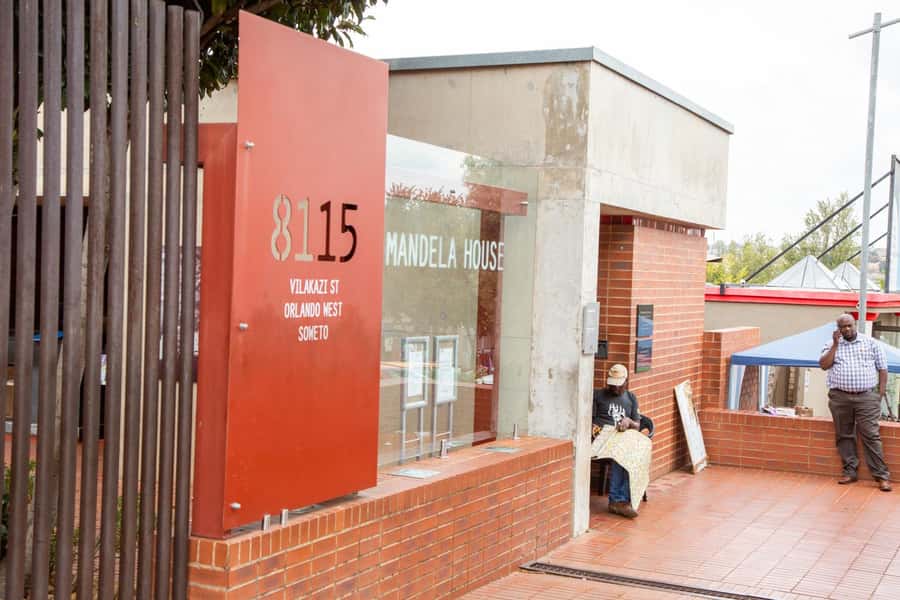
After the memorial, you drive through the township for sightseeing and then head to Mandela House Museum on Vilakazi Street.
This is one of the most valuable parts of the tour because it shifts from events to a person. You learn about Nelson Rolihlahla Mandela, often referred to as the father of the nation in the tour framing, and you visit the home museum that brings his story into focus.
The tour also includes Vilakazi Street, and there are views of Desmond Tutu House and Winnie Mandela house. Even as “views” only, this matters. It helps you see how these figures are tied to a single physical place in Soweto, rather than just appearing as names in a textbook.
One practical tip from guide-led experiences: have some cash in hand. Entrance fees are covered, but people often tip where it feels appropriate, such as student guides or street performers connected to the site. Keep it optional, keep it respectful, and it can make the experience feel more human.
Seeing informal settlements, Baragwanath Hospital, and life up close
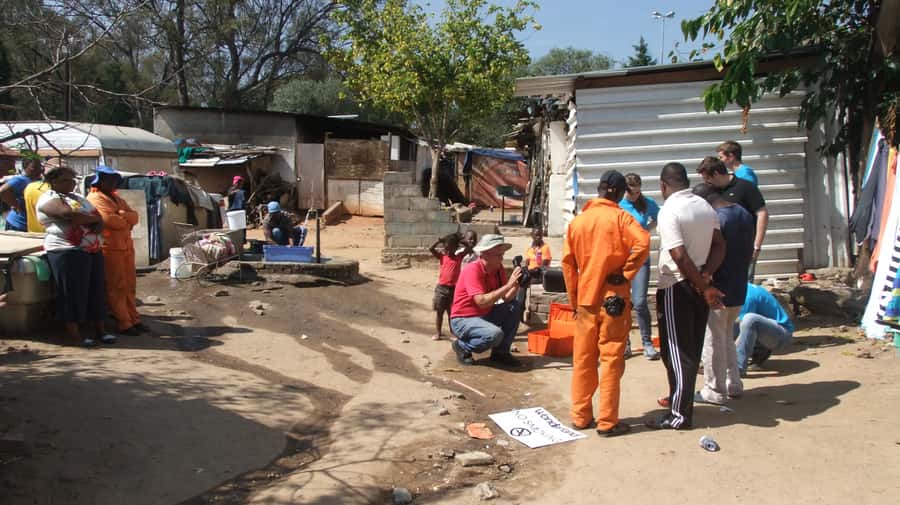
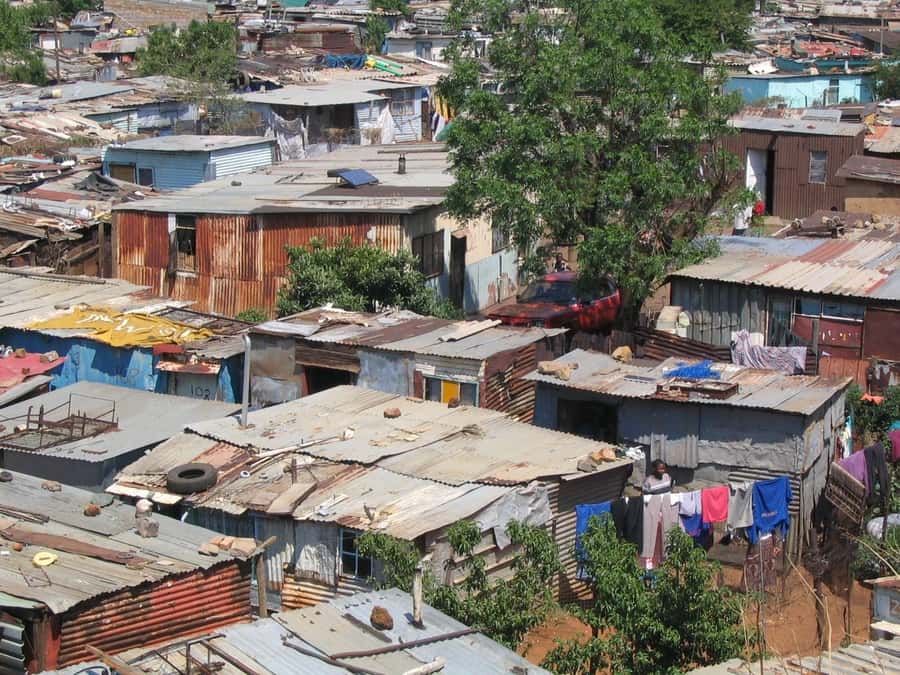
The tour includes views of an informal settlement and Baragwanath Hospital. It is important to understand what that means on the ground: you are not there for a long visit inside those places, but you do get to see what they look like from the roadside during the drive.
For your understanding, these stops do something different from the memorial and museum. They show daily systems: housing realities, healthcare, and the everyday infrastructure that keeps a community functioning.
If you are the kind of traveler who likes context beyond famous names, this is where the tour becomes especially useful. It is harder to reduce Soweto to one story once you see multiple kinds of places in one day.
FNB Stadium (Soccer City / The Calabash): a quick link to South Africa on the world stage
On the return route, you will pass FNB Stadium, also known as Soccer City or The Calabash, which hosted the opening and closing matches of the 2010 World Cup finals.
This is a lighter moment in the schedule, but it serves a purpose. It reminds you that Johannesburg and Soweto are not only about struggle and hardship. They are also part of major public events and national pride.
On a short tour, these quick roadside links help keep the day from feeling like one long emotional sequence. Just remember that even when the moment is lighter, your guide can still tie it back to broader themes.
What your guide does for you, and why it affects how you experience Soweto
A half-day tour can easily become a checklist. Here, the guide is the difference-maker.
The reviews you provided point to a strong pattern: guides like Samuel, James, Pascal, Vincent, and Marc are praised for being friendly, respectful, and consistently focused on helping you understand what you are seeing. Many people also mention feeling safe and comfortable in the vehicle, and some describe guides who act more like a protective presence than a distance lecturer.
Even if you have visited other cities, this kind of attention matters in Johannesburg and Soweto. It is not only about safety in the narrow sense. It is also about keeping you oriented, answering questions, and shaping how you interpret what you see.
You can also take advantage of the language options. The live guide is offered in English, French, and Portuguese, so you can choose the session that fits you best.
Food, bags, and timing: the practical stuff that makes or breaks your day
This tour is short, so you should plan like a strategist.
There is no lunch included, and bottled water is provided. I recommend you grab breakfast before pickup, and consider a light snack for later if you tend to get hungry mid-ride. If you wait until you are starving, you will feel the schedule more strongly.
Also, you are told not to carry any luggage. That usually means you should pack light, keep essentials minimal, and avoid dragging big bags into the car and between stops. Wear a comfortable outfit, bring your phone camera or a small day bag if allowed, and keep your hands free for photos.
This is also where a hotel pickup-and-drop-off schedule becomes a value. You skip the hassle of finding transport across a city that can swallow time.
The real value of paying $71 for five hours
$71 might look steep if you think only in terms of sightseeing stops. But you are really paying for four things that add value in Johannesburg:
- Pickup and drop-off from your hotel, which saves you time and stress.
- A driver/guide who connects the route to meaning, especially around major sites like Mandela House and Hector Pieterson Memorial.
- Entrance support: Mandela House Museum entrance is included, plus the tour builds the day around that stop.
- The convenience of covered viewpoints, including the cooling towers, Vilakazi Street sites, and FNB Stadium passing views.
If you tried to do this independently, you would still need transport, a guide for context, and tickets for at least the Mandela House stop. In that sense, the price is more reasonable than it first appears.
For short stays, it is one of those “pay for efficiency” tours, but it still aims at depth through storytelling.
Who should book this tour, and who should consider alternatives
This is a great fit if you:
have limited time in Gauteng and want a focused Johannesburg-to-Soweto overview
care about understanding apartheid-era history through specific locations
want a guided, safe-feeling way to see Soweto without trying to plan a route yourself
You might consider a different option if you:
need lots of free time at each major stop. This tour is structured to cover several viewpoints and two key learning sites within 5 hours.
- do not like emotional, historically heavy stops. The memorial is not a casual site.
If your travel style is “I want the highlights with real context,” this tour fits your pace.
Should you book this Johannesburg and Soweto half-day tour?
I would book it if you want a short, organized way to understand Johannesburg and Soweto as connected stories. The combination of Mandela House, Hector Pieterson Memorial, and the roadside views of places like the cooling towers and Baragwanath Hospital makes the day feel practical, not just symbolic.
Just go in prepared. Eat before you go, travel light since you should not carry luggage, and ask your guide questions. If you do that, you will get more than a drive through two neighborhoods. You will leave with a clearer sense of how history, geography, and daily life fit together in Soweto.
FAQ
How long is the Johannesburg and Soweto half-day tour?
The tour duration is 5 hours.
Is hotel pickup and drop-off included?
Yes. The tour includes pickup and drop-off from your Johannesburg hotel and surrounding areas.
What’s included in the tour price?
The tour includes entrance to Mandela House in Soweto, visits to Hector Pieterson Memorial, Vilakazi Street, views of Desmond Tutu House and Winnie Mandela house, an informal settlement view, Soweto cooling towers, Baragwanath Hospital, bottled water, and a map. A driver/guide is also included.
Is lunch included?
No. Lunch is not included.
What languages are the live guides offered in?
The live tour guide is available in English, French, and Portuguese.
Are there luggage restrictions?
Yes. You are asked not to carry any luggage.
Newest around Johannesburg
- Soweto Township Tour★ 4.4 · 4 reviews
- Soweto Tuk-Tuk Food & Beer Tour★ 5.0 · 9 reviews
- Soweto Tour; Mandela House; Vilakazi Street; Market Culture★ 5.0 · 6 reviews
- Private Soweto,Mandela House,Apartheid Museum,Constitution★ 4.6 · 15 reviews
- Soweto: Sip & Paint Walking Tour & Take Home a Canvas★ 4.8 · 7 reviews
- Soweto: Hector Pieterson Memorial, to Orlando Towers Tour★ 4.0 · 31 reviews
- Soweto & Johannesburg and Apartheid Museum★ 4.7 · 41 reviews
- Soweto and apartheid museum tour(Half-day)★ 5.0 · 4 reviews
Soweto & Township Tours, compared.


Soweto /Johannesburg and Apartheid Museum Guided Full Day Tour
Read our review →
Johannesburg Hop-On Hop-Off City Tour with Soweto Option
Read our review →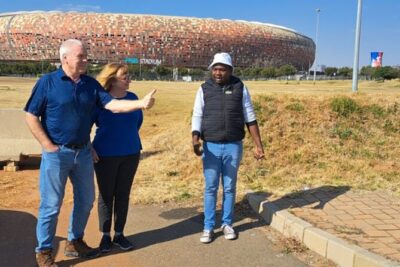

Jo’berg in 1 Day: Soweto, Apartheid Museum & City Tour
Read our review →Browse the lists this tour appears in