
Reviewed · APARTHEID HISTORY TOURS
Johannesburg: Half-Day Apartheid Museum Tour
Johannesburg remembers loudly, and this tour helps. I like how the guided 3-hour visit turns a museum floor into a storyline, with real coaching from guides such as Mark on the way in and out. You also get hotel pickup and drop-off, which makes an emotional subject feel less logistically messy.
Inside, you move through 22 exhibition areas in an order that tracks apartheid’s rise after 1948 and the hard road to 1994. I especially value how guides like Tshepo add context in plain language, rather than just sending you off to read labels. The only drawback is that three hours can feel tight for such heavy material, though guides can adjust if you want more time.
In This Review
- Key highlights to know before you go
- Why this half-day in Johannesburg feels like more than a museum visit
- The ride to the museum, and why the timing matters
- Inside the Apartheid Museum: how a guided route keeps the story straight
- What you will see: rise, control, resistance, and the 1994 turning point
- The one potential drawback: 3 hours can feel short
- Small-group comfort and accessibility you can count on
- Price and value: what you really get for $49
- How to make the most of your 3 hours inside
- If transport gets weird, the tour team tends to fix it fast
- Who this tour is best for
- Should you book this Johannesburg Apartheid Museum tour?
- FAQ
- How long is the full tour from pickup to drop-off?
- How long do I spend inside the Apartheid Museum?
- Does the tour include entrance tickets?
- Is hotel pickup and drop-off included in Johannesburg?
- Is there Wi-Fi on the vehicle?
- Is the tour wheelchair accessible?
- What is not included in the price?
- Can I skip the ticket line?
- Is free cancellation available?
Key highlights to know before you go
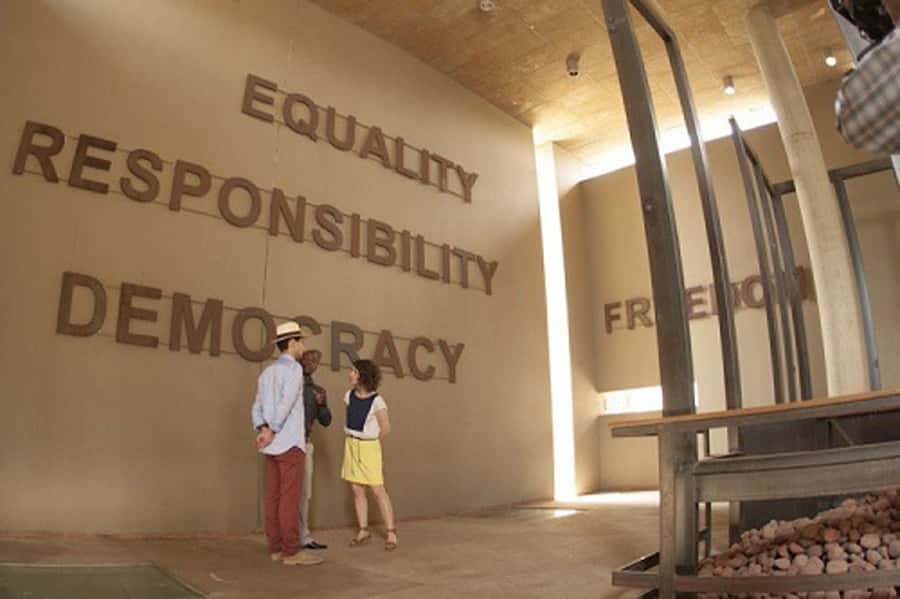
- 22 exhibition areas on a guided route, so you do not miss the big threads of the story
- Door-to-door convenience in Johannesburg, plus a comfortable vehicle and free uncapped Wi-Fi
- A guided museum pace built for real questions, with guides such as Bongani, Martin, Guy, and James reported as strong with timing
- Powerful storytelling tools, including film footage, photographs, text panels, and artifacts
- Wheelchair accessible, and guides can help you move through exhibits smoothly
- Skip the ticket line, so you spend more time inside and less time waiting
Why this half-day in Johannesburg feels like more than a museum visit
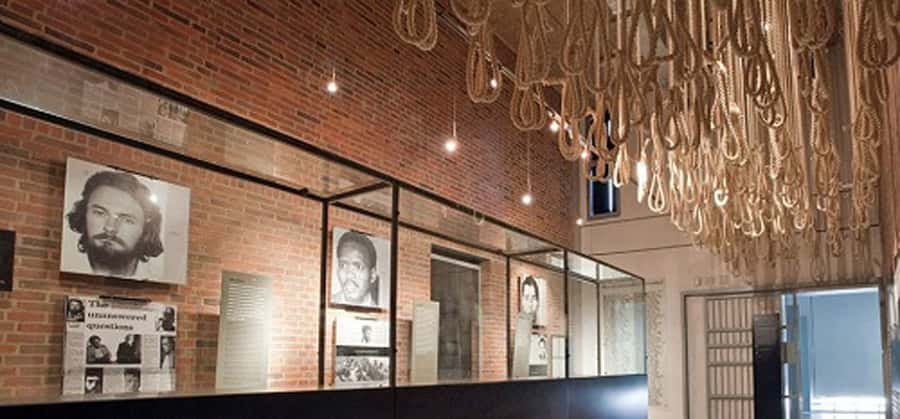
The Apartheid Museum is not the kind of place where you can skim and move on. It hits in layers, through images, documents, and the way the exhibitions are arranged to show how apartheid worked as a system. This tour makes that experience easier to follow, because you are not just reading, you are being guided through the meaning.
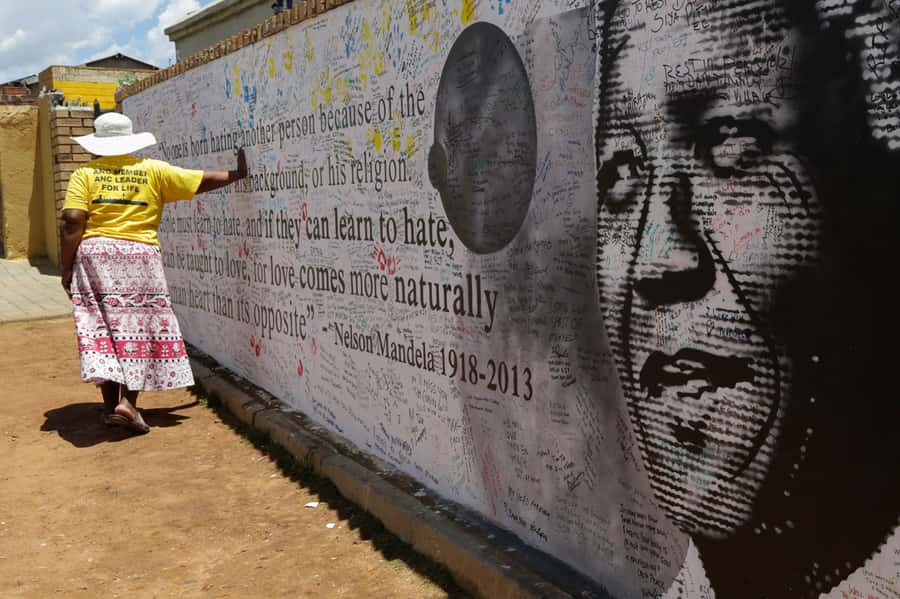
The best part is that you get an emotional storyline that does not flatten everything into slogans. You are walking through the rise and fall of apartheid, starting with how the National Party government implemented it in 1948 and ending with the 1994 election that brought Nelson Mandela to the presidency. Guides like Mark and Tshepo are repeatedly praised for making the connections clear, especially when you need someone to translate “what apartheid was” into “how it felt and what it did.”
One practical note: this experience is heavy. Even if you are prepared, you might find the 3-hour museum time feels quick for the amount of information. That said, the tour can often be adjusted if the schedule does not feel like enough for you.
More Museum Tours in Johannesburg
- Soweto /Johannesburg and Apartheid Museum Guided Full Day Tour
★ 5.0 · 932 reviews - Jo’berg in 1 Day: Soweto, Apartheid Museum & City Tour
★ 4.8 · 524 reviews - Johannesburg: Full-Day Tour with Soweto and Apartheid Museum
★ 4.8 · 478 reviews
The ride to the museum, and why the timing matters
You start with pickup in Johannesburg. The transfer takes about 45 minutes each way, and the vehicle comes with free uncapped Wi-Fi. In real terms, that means you can use the travel time to get oriented, map out what you want to focus on, or just settle in without worrying about data.
The value of pickup and drop-off is not only convenience. In Johannesburg, getting across town efficiently matters when you only have a half day. Instead of managing taxis, directions, and timing, you hand that off to a guide and driver, so your energy stays where it should: on the museum.
Also, the tour runs with small groups, limited to 13 participants. That smaller size tends to make the ride feel less like a cattle call and more like a controlled, calm setup for a serious visit. If you have questions, it is easier to get them answered.
Inside the Apartheid Museum: how a guided route keeps the story straight
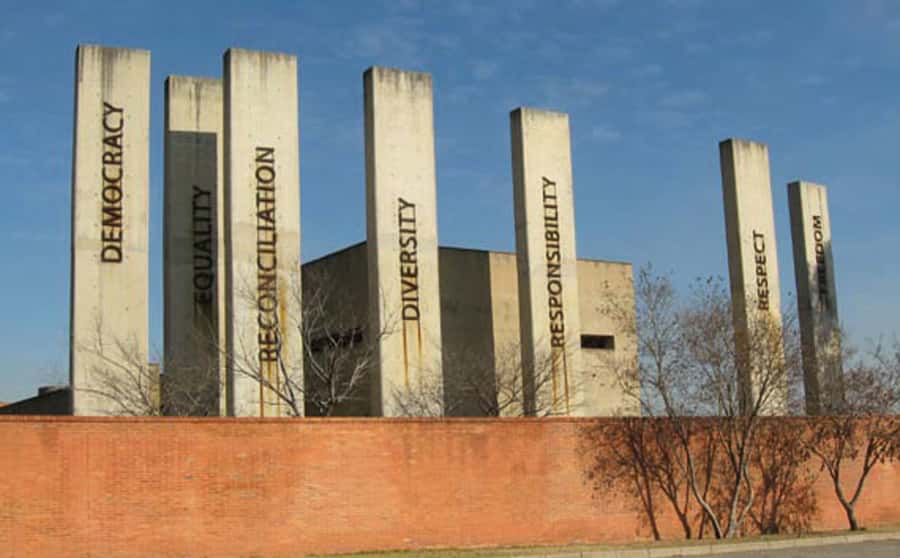
The museum visit is about 3 hours with a live English guide. The core reason I like a guided format here is simple: apartheid was a structured system, not just a series of bad events. Without context, it is easy to feel overwhelmed by details. With a guide, those details connect into a clear timeline.
You will see 22 individual exhibition areas, built and organized by a multi-disciplinary team of curators, filmmakers, historians, and designers. That is a hint that you are not walking past random displays. Each section is designed to build the next step of understanding, from policy to impact to resistance and change.
Guides are specifically praised for helping visitors follow the museum in a logical way. Alice, for example, is described as getting good pacing time to explore, while Guy stayed with the group throughout and answered questions. Sarah’s experience also highlights how a guide can keep things organized and accessible, including support for wheelchair access.
A key point for you: this is not just a “look and read” museum. It uses film footage, photographs, text panels, and artifacts to convey what apartheid did. The guide helps you interpret what you are seeing, and that interpretation is often what makes the museum stick in your mind.
What you will see: rise, control, resistance, and the 1994 turning point
The museum is structured around the rise and fall of apartheid. You start with how apartheid was implemented in 1948 by the white elected National Party government. The exhibitions explain how that system turned about 20 million people into second-class citizens, consigning many to servitude, humiliation, and abuse.
This matters because apartheid was not only about where people were allowed to live or whom they could vote for. It was about controlling daily life through laws, institutions, and enforcement. The museum’s organization helps you see the system thinking behind it.
As you move through the exhibitions, you also get human stories, not just political facts. That is where the film footage, photographs, and artifacts do heavy lifting. The emotional reaction you might feel is not random. It is built into the way the museum shows harm, but also shows courage and endurance.
Then the journey reaches the climax: the election of Nelson Mandela in 1994. The story of liberation is presented as resistance, courage, and fortitude, not as instant victory. If you leave feeling angry or heavy, that is normal. If you leave understanding more clearly how a system like this can be built and then dismantled, that is the point.
More apartheid history tours in Johannesburg:
- Full-Day Soweto, Apartheid Museum and Lunch Tour
★ 5.0 · 410 reviews - Half Guided Day Tour of Soweto And Apartheid Museum
★ 5.0 · 356 reviews - Ultimate Johannesburg Soweto Experience with Apartheid Museum
★ 5.0 · 313 reviews - Soweto: Hop-On Hop-Off Bus, City Tour and Apartheid Museum
★ 4.5 · 250 reviews
The one potential drawback: 3 hours can feel short
Here is my main caution. The museum is packed, and you only have about 3 hours inside. Even with a good guide, you might feel like you are moving too fast when an exhibit grabs you.
The good news is that the tour format allows for some flexibility. The local partners may adjust the schedule if you feel 3 hours is too short, so you can slow down where it matters. If you have a strong interest in history, photography, or film, you might plan to take advantage of that flexibility and ask your guide where you should spend extra time.
If you know you process slowly, or you are the type who reads every label, consider making peace with the idea that this tour focuses on structure and meaning more than absolute completeness. You can always come back later for a second, slower pass.
Small-group comfort and accessibility you can count on
This is a small group experience, limited to 13 participants. That matters because it keeps the guide from rushing 20 people through a complex story. In a museum like this, you want time to ask questions, and you want your guide to notice who needs a moment.
Accessibility is also part of the promise. The tour is wheelchair accessible, and guides have supported wheelchair users through the exhibits. Sarah’s account is a good reminder of how helpful real on-the-ground assistance can be, especially in a museum setting where you want the route to make sense.
If you are traveling with a parent or someone who uses a wheelchair, this tour can be a practical choice because pickup and drop-off reduce stress before you even reach the museum doors. You are not improvising logistics while managing fatigue.
Price and value: what you really get for $49
The price is about $49 per person, and it is worth looking at what is included. You get entrance to the museum, a 3-hour guided visit, pickup and drop-off in Johannesburg, transfers in a comfortable vehicle, and free uncapped Wi-Fi aboard the vehicle. You also skip the ticket line.
For a museum experience, that is the key value equation: you are paying not only for entry, but for interpretation. In a place this emotional and historically dense, a guide can turn reading into understanding. That is why guides are a standout part of the experience, with multiple names coming up for their warmth and clear explanations, including Bongani, Martin, Tshepo, James, and Mark.
What is not included is food and souvenirs. That is normal for many tours, but it does affect your planning. I suggest you think about when you will eat before or after the visit, since you will be away long enough that hunger can distract from the museum content.
Is it expensive? It depends on your travel style. If you are comfortable navigating on your own, you might spend less by arranging entry directly. If you want a guided framework, hotel pickup, and a smooth ride across Johannesburg, the $49 can feel like a fair trade for time and clarity.
How to make the most of your 3 hours inside
I like approaching this museum with a simple goal: understand the system, then understand how people resisted it. Your guide helps you follow that arc through 22 exhibition areas. So do not try to memorize everything. Try to connect ideas.
A few practical tips you can use without overthinking it:
- If an exhibit grabs you, tell your guide. There is flexibility if 3 hours feels short.
- Expect film footage, photos, and artifacts to land emotionally. Build in patience for that.
- If you have mobility needs, mention them during the pickup portion so the guide can help route your time.
- Since food is not included, you will enjoy the experience more if you handle meals before you go, not during the museum.
Also, the tour is in English. If that is your working language, great. If you are not fully comfortable, you might find a guide essential for clarity since the museum relies on text panels and historical context.
If transport gets weird, the tour team tends to fix it fast
Even well-run tours can hit snags with traffic or scheduling in a big city. One helpful sign in the tour’s track record is that when there was transport confusion beyond the company’s control, a replacement guide and driver were sent and the day stayed on track, almost like a private visit.
The takeaway for you: the tour format includes a live guide and a driver, and that can reduce the chance that minor problems derail your day. When things do go off-script, a quick repair is better than leaving you to sort it out alone.
Who this tour is best for
This is ideal if you want an organized, emotionally honest museum visit without the work of planning a route on your own. It is also a strong option for first-time visitors to Johannesburg, because it gives you a structured stop with pickup and drop-off.
You will likely enjoy it most if you:
- want a guided explanation of how apartheid functioned
- appreciate a clear timeline from 1948 to 1994
- prefer a small group format
- need help with access and logistics
It might be less ideal if you only want a quick overview and dislike guided structure. In that case, the museum could feel like more than you bargained for. But if you are here to understand, the guided approach is exactly what you are paying for.
Should you book this Johannesburg Apartheid Museum tour?
I think you should book it if you want a clear, guided path through a museum that can feel intense on your own. For about $49, you get a 3-hour guided visit across 22 exhibition areas plus the practical comfort of pickup and drop-off in Johannesburg, along with a vehicle that includes free uncapped Wi-Fi and a skip-the-line entry.
Choose a different option only if you know you need much more than 3 hours inside, or if you strongly prefer self-guided pacing. In that case, you could still visit, but you might plan on spending longer than this half-day format allows.
If you want a smart first visit that helps you understand what apartheid was, how it worked, and how it ended, this tour is a solid choice.
FAQ
How long is the full tour from pickup to drop-off?
The total experience is about 5 hours, including pickup, transfer time, the museum visit, and the return to Johannesburg.
How long do I spend inside the Apartheid Museum?
You get a guided visit of about 3 hours inside the Apartheid Museum.
Does the tour include entrance tickets?
Yes. Museum entrance is included, along with the 3-hour guided visit.
Is hotel pickup and drop-off included in Johannesburg?
Yes. You get pickup from your accommodation in Johannesburg and drop-off back at your hotel afterward.
Is there Wi-Fi on the vehicle?
Yes. There is free uncapped Wi-Fi aboard the vehicle.
Is the tour wheelchair accessible?
Yes. The tour is wheelchair accessible, and the guided format supports visitors through the exhibits.
What is not included in the price?
Food and souvenirs are not included. The tour covers entrance, the guided museum portion, and the transportation details listed in the inclusions.
Can I skip the ticket line?
Yes. You skip the ticket line for the museum.
Is free cancellation available?
Yes. You can cancel up to 24 hours in advance for a full refund.
More Museum Visits in Johannesburg
- Maropeng Cradle of Humankind Museum &Sterkfontein Cave Experience
★ 4.5 · 155 reviews - Johannesburg: Soweto & Apartheid Museum Half-Day Tour
★ 4.9 · 99 reviews - From Johannesburg: Pretoria, Soweto & Apartheid Museum Tour
★ 4.8 · 48 reviews - Soweto & Johannesburg and Apartheid Museum
★ 4.7 · 41 reviews
Newest around Johannesburg
- Soweto Township Tour★ 4.4 · 4 reviews
- Soweto Tuk-Tuk Food & Beer Tour★ 5.0 · 9 reviews
- Soweto Tour; Mandela House; Vilakazi Street; Market Culture★ 5.0 · 6 reviews
- Private Soweto,Mandela House,Apartheid Museum,Constitution★ 4.6 · 15 reviews
- Soweto: Sip & Paint Walking Tour & Take Home a Canvas★ 4.8 · 7 reviews
- Soweto: Hector Pieterson Memorial, to Orlando Towers Tour★ 4.0 · 31 reviews
- Soweto & Johannesburg and Apartheid Museum★ 4.7 · 41 reviews
- Soweto and apartheid museum tour(Half-day)★ 5.0 · 4 reviews
Apartheid History Tours, compared.

Soweto /Johannesburg and Apartheid Museum Guided Full Day Tour
Read our review →
Jo’berg in 1 Day: Soweto, Apartheid Museum & City Tour
Read our review →
Full-Day Tour with Soweto and Apartheid Museum
Read our review →
Full-Day Soweto, Apartheid Museum and Lunch Tour
Read our review →
Half Guided Day Tour of Soweto And Apartheid Museum
Read our review →
Ultimate Johannesburg Soweto Experience with Apartheid Museum
Read our review →
Hop-On Hop-Off Bus, City Tour and Apartheid Museum
Read our review →
Johannesburg and Soweto Apartheid Full Day Tour w/Lunch
Read our review →Browse the lists this tour appears in