

Reviewed · APARTHEID HISTORY TOURS
Johannesburg: Soweto Apartheid & Township Tour with Lunch
Soweto tells South Africa’s story in motion. This full-day outing takes you through the sights tied to Nelson Mandela and Archbishop Desmond Tutu, then layers in the meaning at two key museums. A local guide helps you read the streets, from Diepkloof vendors to Vilakazi Street.
I especially like the small group setup and the guided context. The visit to the Apartheid Museum turns what you saw outside into something you can actually explain. One thing to consider: it is a lot to fit into 7 hours, and the day can feel a bit fast if you like to linger.
In This Review
- Key points worth knowing before you go
- Getting from Johannesburg to Soweto, and why the route matters
- Vilakazi Street, Mandela House, and the June 16, 1976 thread
- Diepkloof walking time and meeting people in an informal settlement
- Chris Hani Baragwanath Hospital, Johannesburg University, and scale
- Traditional lunch in Soweto at Restaurant Vilakazi
- Apartheid Museum: why this stop locks the meaning together
- Guide quality, safety on the road, and what the small group changes
- Price and value: is $114 fair for a 7-hour day?
- Who should book this Soweto tour, and who might want a different pace?
- Should you book this Soweto Apartheid & Township tour with lunch?
- FAQ
- How long is the tour?
- What is included in the price?
- Is Mandela House included?
- Will I spend time walking?
- How big is the group?
- Is there any donation tied to the booking?
Key points worth knowing before you go
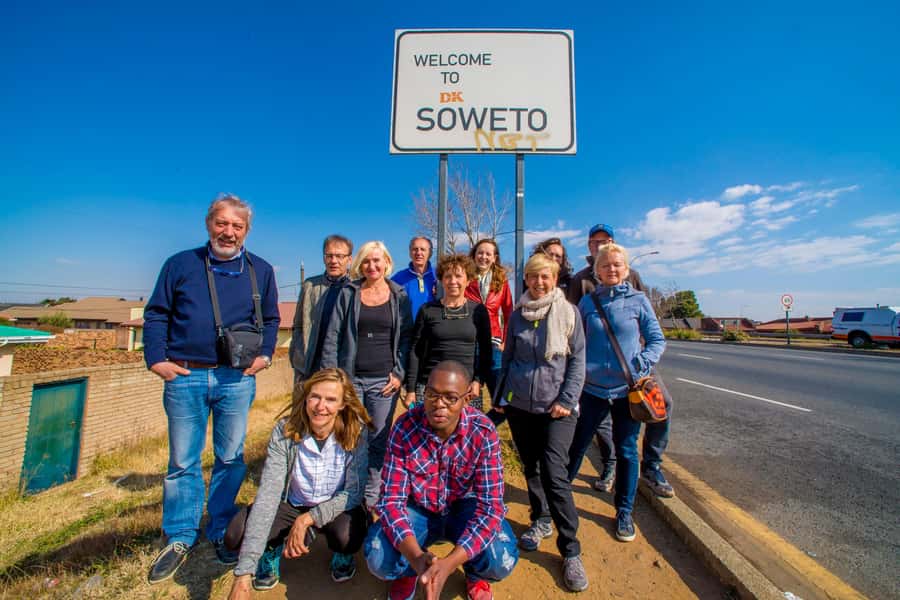
- Small group (max 13 people) keeps the conversation real and question-friendly
- Vilakazi Street drive-bys let you see Mandela and Tutu-linked places from the road
- Hector Pieterson Memorial stop connects directly to the June 16, 1976 Soweto uprising
- Informal settlement visit gives you time to interact with residents and learn from local voices
- Apartheid Museum included with around two hours inside for the bigger context
- Traditional lunch included, plus free onboard Wi-Fi to reset between stops
Getting from Johannesburg to Soweto, and why the route matters
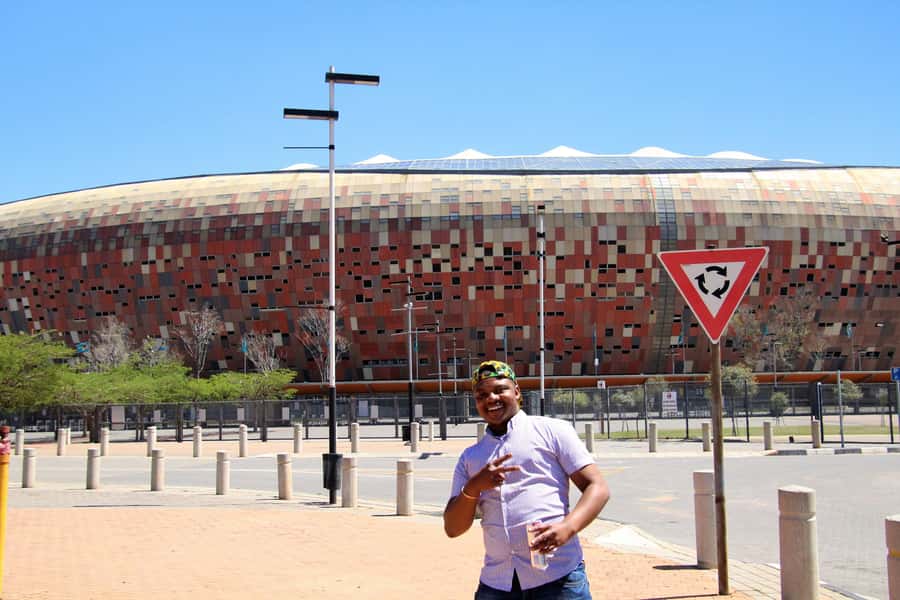
Your day starts with pickup in Johannesburg and a van ride into Soweto. Even before you get out of the vehicle, you get orientation for how the city is shaped. You pass the National Football Stadium, known for hosting the opening and closing ceremonies of the 2010 World Cup, then keep moving into areas that feel very much like everyday Johannesburg.
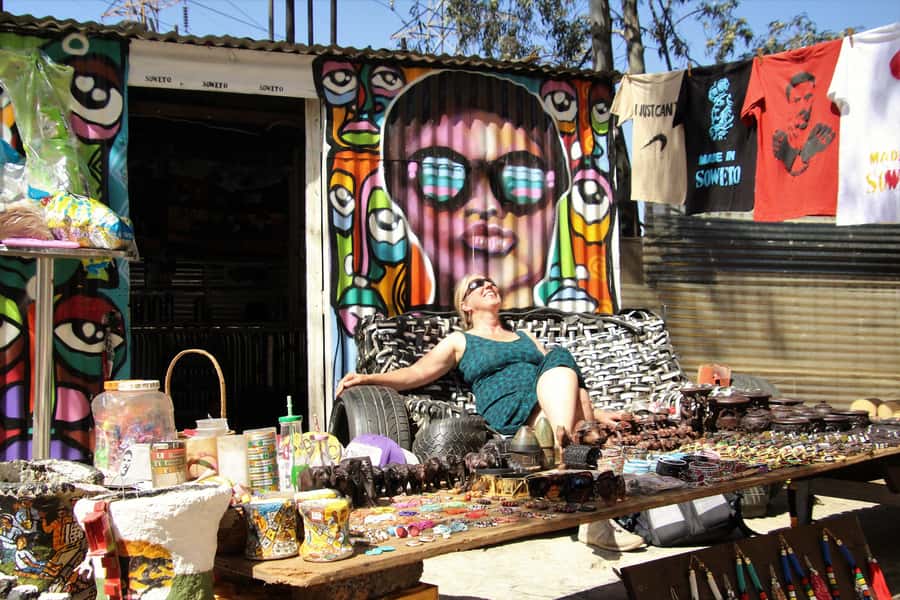
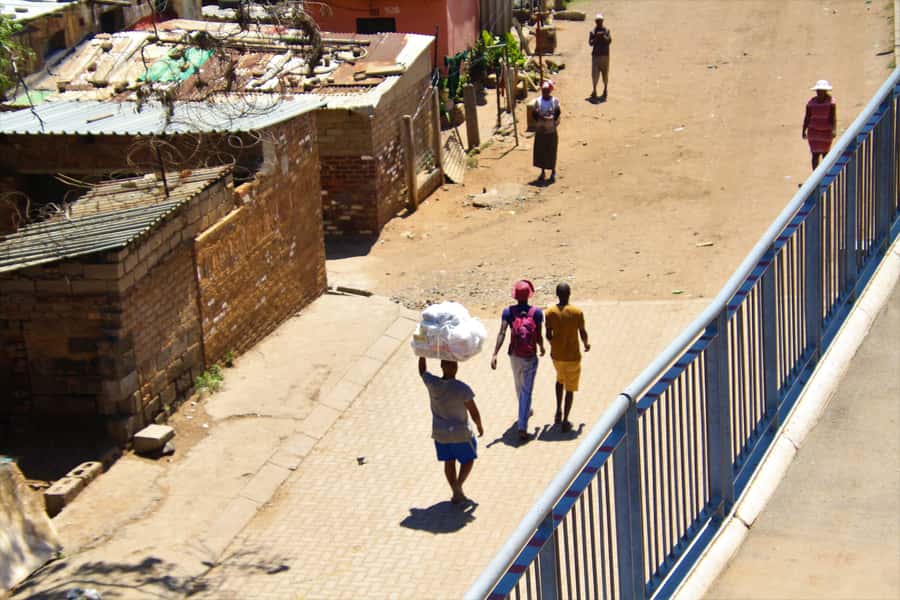
Once you enter Soweto, you get a sense of texture and rhythm. In Diepkloof, you walk for a short stretch with a guide while vendors sell all sorts of items. It is not a staged shopping moment. It is a reminder that this is a living, working place, not a museum set.
You will spend about a half hour walking on this part of the tour, so bring comfortable shoes. The pacing is designed to keep you moving, and that means you are doing more watching from the van than deep, long hikes on foot.
Also, you are not stuck in a huge crowd. This tour is limited to 13 participants, with a live guide in English. That matters because the guide’s job is not only to point, it is to explain what you are seeing in plain language.
More Township Tours in Johannesburg
- Johannesburg: Hop-On Hop-Off Bus with Optional Soweto Tour
★ 4.6 · 985 reviews - Soweto /Johannesburg and Apartheid Museum Guided Full Day Tour
★ 5.0 · 932 reviews - Johannesburg Hop-On Hop-Off City Tour with Soweto Option
★ 4.5 · 768 reviews
Vilakazi Street, Mandela House, and the June 16, 1976 thread
The heart of the day for many people is Vilakazi Street. It is famous because it ties together more than one legacy at once, including Nelson Mandela’s former home and the home of Archbishop Desmond Tutu. On this tour, you mainly see these linked sites from the road, which is a practical way to fit a lot into a single day without turning it into a traffic marathon.
Along the way, your guide connects what you see to what happened here. June 16, 1976 is the key date, when the Soweto uprising helped kick-start the liberation struggle. You will get explanations as you pass the relevant landmarks, so the memorial stop later makes more sense.
After Vilakazi Street, you go to the Hector Pieterson Memorial. The tour includes the entrance fee and sets aside about an hour. This is where the uprising stops being a headline and becomes a human story. You do not need special context coming in. The guide is there to help you follow the timeline and understand why this memorial matters to South Africa’s path toward change.
Mandela House is an important nearby option, but it is listed as optional, not included as part of the main flow. If you have a strong personal interest in Mandela’s life sites beyond what you already get from the drive-by context and the museum lessons, it could be worth considering.
Diepkloof walking time and meeting people in an informal settlement
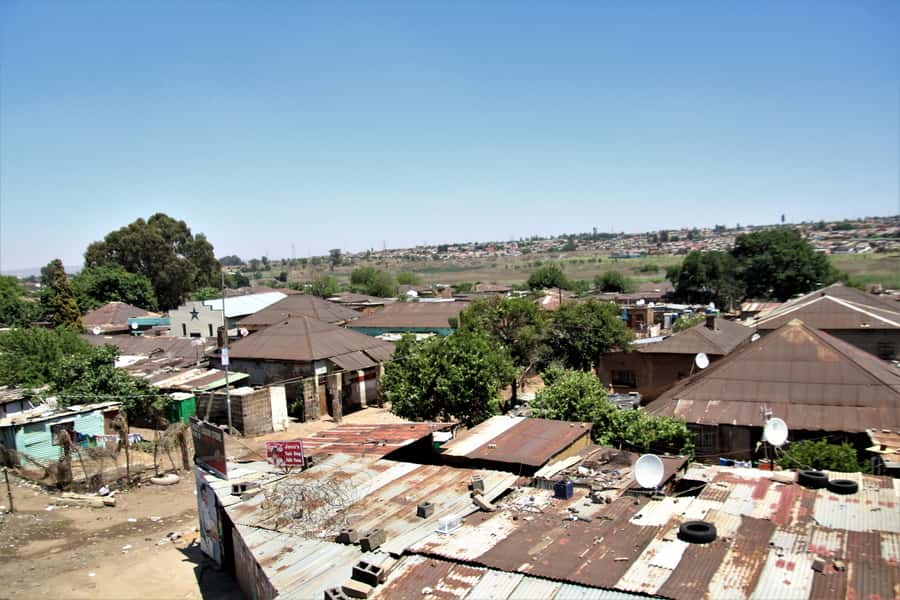
One of the most powerful parts of this day is the chance to meet people up close, in an area that is often misunderstood from afar. After you get oriented around the main sights, you head into an informal settlement for an interaction with locals.
This is not a photo safari stop where you zip in and out. You have time to meet residents and you can expect interaction with community members and younger voices. Some guides have a way of building a calm, respectful flow that makes the conversation feel human rather than performative. In past days, guides with names like Lebo, Prince, and Bobo have been singled out for keeping the tone thoughtful and for answering questions clearly in English.
Walking through places like Diepkloof and then shifting to an informal settlement visit can create an emotional contrast. That is not a flaw. It is the point of the tour: you see how different layers of the same city sit side by side, and you understand that Soweto is not one single story.
Practical tip: if you are the type who likes to plan your day around photography, keep your expectations flexible. Focus on listening first, and let the guide steer the moment. If you want photos, ask in the moment and follow the guide’s cues.
Chris Hani Baragwanath Hospital, Johannesburg University, and scale
After the human-focused stops, you shift into institutions and scale. The tour includes a drive past the Soweto Campus of Johannesburg University and a stop area connected to Chris Hani Baragwanath Academic Hospital.
You will get a view of this hospital, described in the tour details as the largest in the world. Even if you do not go down a rabbit hole about hospital rankings, it is a striking way to understand the real infrastructure that sits inside the broader Soweto picture. This stop helps balance the day. It reminds you that the area is not only defined by pain and poverty, but also by public services, education, and the everyday work of a large community.
This portion takes about 30 minutes. It is enough time to absorb what you are seeing and to let the guide explain how this fits into Johannesburg’s bigger system. Then you move on, with lunch already waiting.
More apartheid history tours in Johannesburg:
- Jo’berg in 1 Day: Soweto, Apartheid Museum & City Tour
★ 4.8 · 524 reviews - Johannesburg: Full-Day Tour with Soweto and Apartheid Museum
★ 4.8 · 478 reviews - Full-Day Soweto, Apartheid Museum and Lunch Tour
★ 5.0 · 410 reviews - Half Guided Day Tour of Soweto And Apartheid Museum
★ 5.0 · 356 reviews
Traditional lunch in Soweto at Restaurant Vilakazi
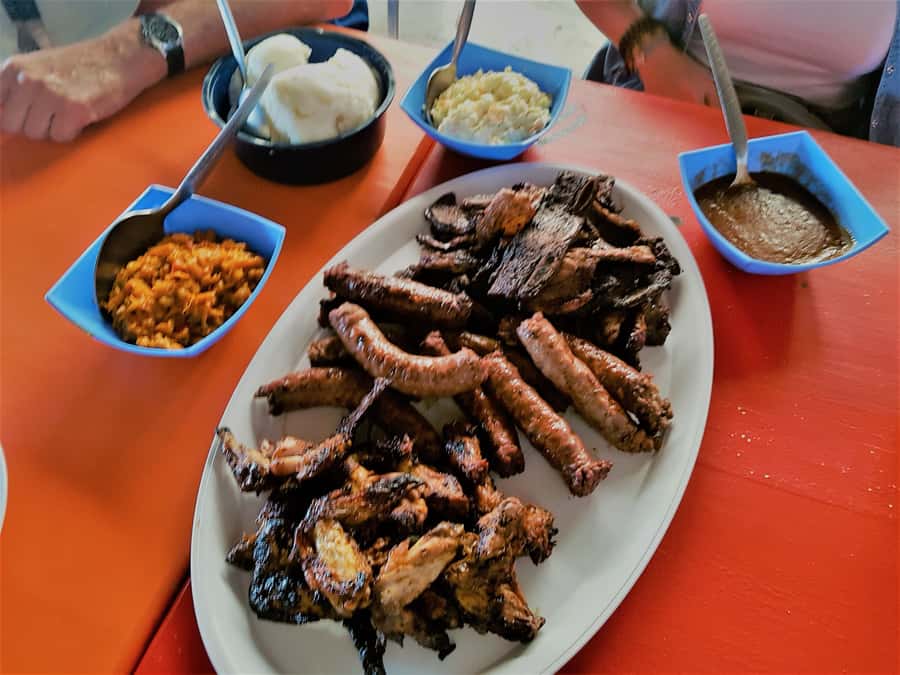
Lunch is included, and it is served at Restaurant Vilakazi, with about an hour set aside. This is a smart break. After memorials and street context, you need a pause that feels normal and grounded.
Food is often a deciding factor on full-day tours, and here the lunch gets positive attention for quality. Since the tour includes lunch but not additional drinks, keep that in mind if you want something specific to sip. If you are traveling with dietary restrictions, you might want to confirm in advance with the operator, because the tour data only guarantees a traditional lunch, not a choice menu.
The best part about this lunch stop is the timing. You are not eating randomly at a roadside place to check a box. You are eating in Soweto, in a calm slot within a planned itinerary, so the day still feels cohesive.
Apartheid Museum: why this stop locks the meaning together
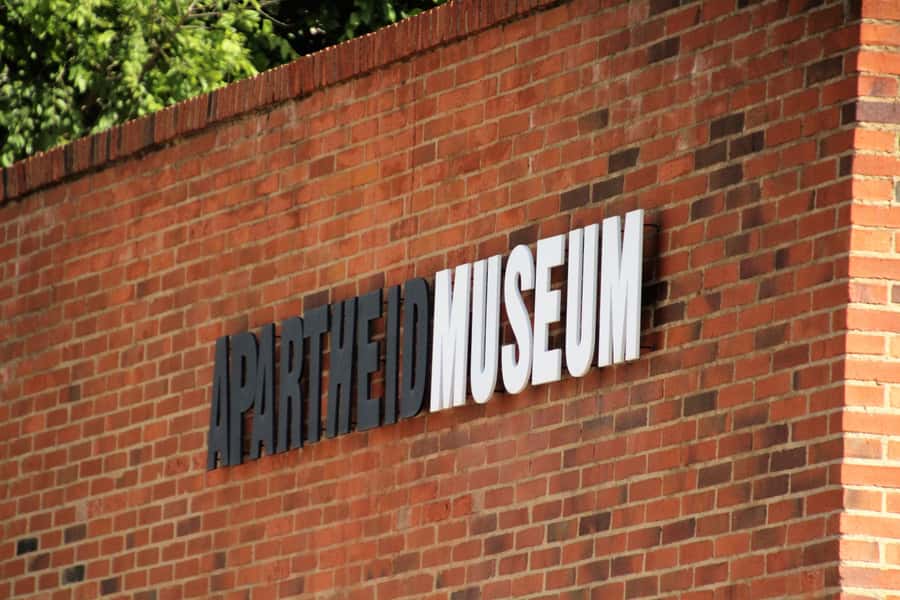
The Apartheid Museum is the grand anchor of the day. The entrance fee is included, and you get about two hours inside. There is also a helpful time saver: you skip the ticket line.
This is where you connect all the street-level stories to the system that shaped them. The museum covers apartheid and the South African liberation struggle, and it does it in a way that turns your earlier observations into something you can explain to friends back home.
If you only remember one thing from this day, make it this: the streets show you the lived effects of policy. The museum shows you the mechanics behind those effects. Together, they give you a clearer picture than either one alone.
Two hours is a solid chunk of time, but it is still a museum, so you will cover highlights more than every single gallery. If you are the kind of visitor who likes to read every label, consider bringing a little patience. If you want the biggest impact quickly, focus your attention on the sections your guide points out and take breaks when you need them.
Guide quality, safety on the road, and what the small group changes
A lot of this tour’s value comes from the guide. The best days depend on someone who can explain complicated topics in everyday language, without turning it into a lecture. In English, with real stories, the difference is huge.
Across past trips, guides like Thabang, Khutso, Emma, Lebo, Prince, and Bobo have been highlighted for their ability to keep things engaging and answer questions. More than that, many people praised the guide for making the history feel connected to the present, not stuck in the past.
The group size also changes how the day feels. With a max of 13 people, you are less likely to get ignored. You get a chance to ask something and get a straight answer, which is exactly what you want on a day centered around complex history.
The vehicle experience matters too. Pickup and drop-off are included, and the driving is part of the tour experience, not just transport between stops. Many people have commented that safe, careful driving helps you relax enough to take in what you came for.
One bonus that feels small but helps: free onboard Wi-Fi. It gives you a way to rest your brain between stops, especially when the day runs tight.
Price and value: is $114 fair for a 7-hour day?
At $114 per person for a 7-hour tour, you are paying for more than transportation. You are also paying for access and interpretation.
Here is what you get for the price, based on the tour inclusions:
- Hotel pickup and drop-off
- Guided sightseeing in Soweto, including a short walk
- Entrance fee to Hector Pieterson Memorial
- Entrance fee to Apartheid Museum
- An informal settlement visit for local interaction
- Traditional lunch
- Free onboard Wi-Fi
- Skip the ticket line at the museums
Add that up and it starts to make sense. Two museum entrances plus lunch plus guided context plus pickup and drop-off is not a bargain in the abstract, but it is a clear value when you want structure and someone local guiding the meaning.
There’s also a built-in social contribution. For each individual booking, an R50 donation goes to the Motsoaledi Day Care Centre. The funds are used for building upgrade projects and items from the centre’s wish list. That is the kind of detail you should feel good about, because it turns your tour choice into something tangible beyond the day itself.
If you are the type who is already planning to visit both museums anyway, then the included guide and lunch make the $114 feel more reasonable. If you were only thinking about one museum, you would likely spend time and money trying to stitch together the rest on your own.
Who should book this Soweto tour, and who might want a different pace?
This tour fits best if you:
- Want a first-time Soweto introduction with context you can actually carry home
- Like guided explanations more than reading alone
- Appreciate a mix of memorial sites and real-life neighborhood scenes
- Want the convenience of hotel pickup and a full-day plan that does not require planning
It might feel less ideal if you:
- Want a very slow, unhurried day with long museum wandering
- Dislike walking at all, since there is a short guided walk and you are on your feet part of the time
- Prefer to do informal settlement interactions with less structure. This tour is guided and planned, which is a good thing for many people, but it is still structured
If you are strongly interested in Mandela House beyond what you see from the road, remember that the visit is optional. That gives you flexibility without forcing a longer stop on everyone.
Should you book this Soweto Apartheid & Township tour with lunch?
If you want one day that connects Soweto’s present to South Africa’s past, I think this is a strong choice. The combination is what makes it work: street context, memorial context, and museum context all in one run, with a local guide in English and a traditional lunch to keep the day human.
Book it if you like learning through stories, photos, and conversation, and you want a plan that moves efficiently without turning the day into a blur. Also, you are likely to enjoy it more if you respect the setting and go in with curiosity, not shock. This is a place where history lives in everyday life.
Skip it only if you know you will struggle with a packed schedule. Seven hours is long, but it is still a full day with multiple stops, so you should be ready to take in a lot, then let the museum do the heavy lifting for meaning.
FAQ
How long is the tour?
The tour runs for 7 hours total.
What is included in the price?
Hotel pickup and drop-off, sightseeing in Soweto, entrance fees to the Hector Pieterson Memorial and the Apartheid Museum, a visit to an informal settlement, a traditional lunch, and free onboard Wi-Fi. It also includes English-speaking live tour guidance. Skip-the-ticket-line is listed as included.
Is Mandela House included?
Mandela House Museum is optional, and it is not included as part of the main tour.
Will I spend time walking?
Yes. There is a guided walk in Soweto for about 30 minutes, and you should wear comfortable shoes.
How big is the group?
This is a small group limited to 13 participants.
Is there any donation tied to the booking?
Yes. For each individual booking, an R50 donation is made to the Motsoaledi Day Care Centre, used for building upgrade projects and items from the wish list.
Newest around Johannesburg
- Soweto Township Tour★ 4.4 · 4 reviews
- Soweto Tuk-Tuk Food & Beer Tour★ 5.0 · 9 reviews
- Soweto Tour; Mandela House; Vilakazi Street; Market Culture★ 5.0 · 6 reviews
- Private Soweto,Mandela House,Apartheid Museum,Constitution★ 4.6 · 15 reviews
- Soweto: Sip & Paint Walking Tour & Take Home a Canvas★ 4.8 · 7 reviews
- Soweto & Johannesburg and Apartheid Museum★ 4.7 · 41 reviews
- Soweto: Hector Pieterson Memorial, to Orlando Towers Tour★ 4.0 · 31 reviews
- Soweto and apartheid museum tour(Half-day)★ 5.0 · 4 reviews
Apartheid History Tours, compared.

Soweto /Johannesburg and Apartheid Museum Guided Full Day Tour
Read our review →
Jo’berg in 1 Day: Soweto, Apartheid Museum & City Tour
Read our review →
Full-Day Tour with Soweto and Apartheid Museum
Read our review →
Full-Day Soweto, Apartheid Museum and Lunch Tour
Read our review →
Half Guided Day Tour of Soweto And Apartheid Museum
Read our review →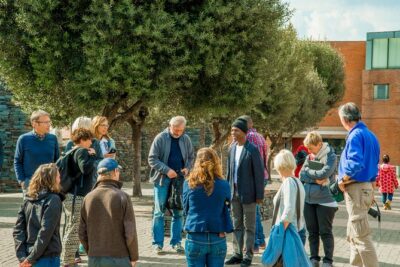
Ultimate Johannesburg Soweto Experience with Apartheid Museum
Read our review →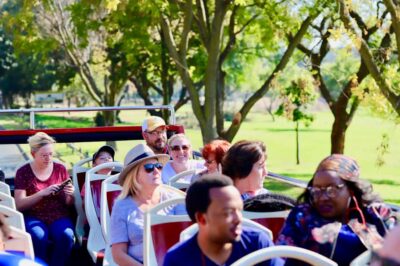
Hop-On Hop-Off Bus, City Tour and Apartheid Museum
Read our review →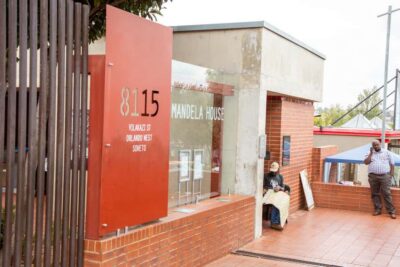
Johannesburg and Soweto Apartheid Full Day Tour w/Lunch
Read our review →Browse the lists this tour appears in