
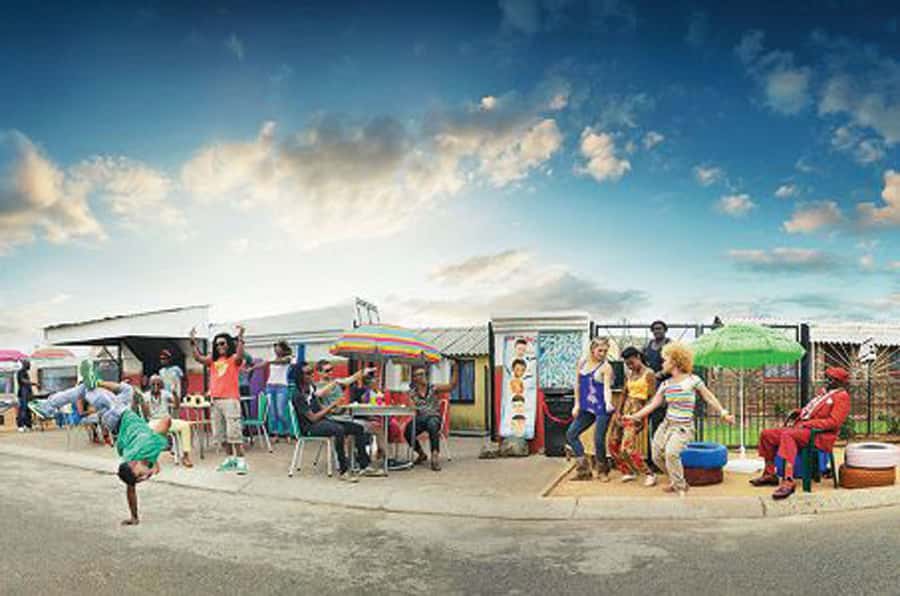
Reviewed · SOWETO & TOWNSHIP TOURS
Johannesburg: Soweto Half-Day Tour
Soweto hits harder than you expect. In a tight half-day format, I like how this tour pairs iconic places like Vilakazi Street with the emotional stop at the Hector Pieterson Museum. You get context, not just photos, and the drive-by landmarks help you connect names to real streets.
My other big win: the visit to an informal settlement is guided and purposeful, so you can understand everyday life in Soweto instead of treating it like a postcard. One possible drawback to plan for is that parts of the experience are intentionally direct and emotional, so it may feel intense if you prefer a lighter, purely sightseeing style.
In This Review
- Key highlights that make this tour worth your time
- First stop: Johannesburg pick-up and the road into Soweto
- Diepkloof walking time: street life in motion
- Vilakazi Street, Orlando West: Mandela and Tutu in one concentrated area
- Mandela House photo stop and the optional museum choice
- Hector Pieterson Museum and Regina Mundi Church: history you can feel
- Orlando West and beyond: understanding Soweto through contrast
- Informal settlement visit: respectful interaction, not a theme-park
- University campus and the big-city scale you can’t ignore
- Timing and pacing: what a 5-hour half-day really feels like
- Price, inclusions, and what you may want to budget
- Who this tour suits best
- Who should skip or adjust expectations
- Should you book the Johannesburg Soweto half-day tour?
Key highlights that make this tour worth your time
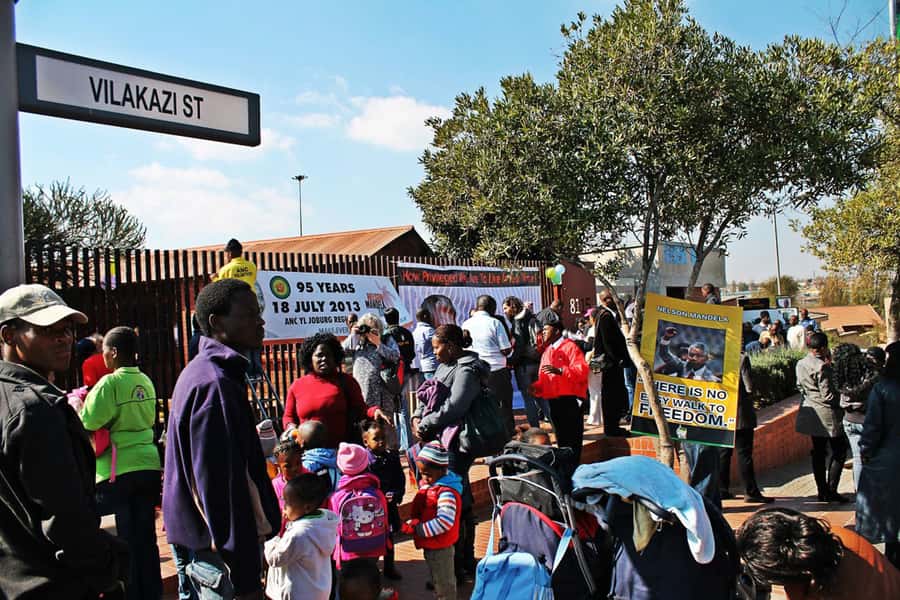
- Vilakazi Street drive-by: former Mandela home area, plus Desmond Tutu and Winnie Mandela residences
- Hector Pieterson Museum included: a focused look at the 16 June 1976 student uprising
- Regina Mundi Church included: an important Soweto landmark with strong historical weight
- Diepkloof market-area walk: you get a real sense of street life and vendors passing by
- Informal settlement visit: interaction with locals, explained through your guide
- Chris Hani Baragwanath Hospital viewpoint: the sheer scale of the hospital area
First stop: Johannesburg pick-up and the road into Soweto

This tour starts with a convenient pick-up from your Johannesburg accommodation. From there, you head out in a comfortable vehicle, and the drive time is part of the experience, not dead time. Expect roughly 45 minutes on the road before you’re walking in Soweto.
On the way in, you pass the National Football Stadium, known for the World Cup 2010 opening and closing ceremonies. Even if you are not a sports person, it helps set the stage. You see how global events land in this city, then you quickly shift into local reality once you turn into township areas.
I also like that the tour includes free onboard uncapped WiFi, which is handy when you want to look up terms your guide mentions or share a quick message without burning your data plan.
More Township Tours in Johannesburg
- Johannesburg: Hop-On Hop-Off Bus with Optional Soweto Tour
★ 4.6 · 985 reviews - Soweto /Johannesburg and Apartheid Museum Guided Full Day Tour
★ 5.0 · 932 reviews - Johannesburg Hop-On Hop-Off City Tour with Soweto Option
★ 4.5 · 768 reviews
Diepkloof walking time: street life in motion
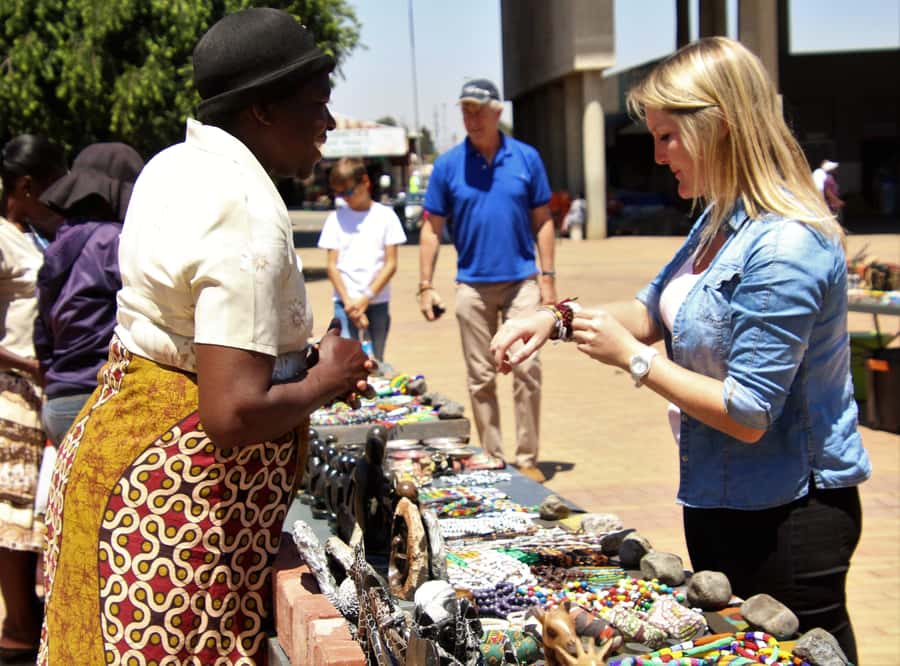
In Soweto’s Diepkloof area, you’ll take a short walk (around 30 minutes). This is not a polished market walk. It’s a practical one, geared toward showing how people live and trade day to day. You’ll pass vendors selling all kinds of items, and you’ll likely see how quickly the pace can change from one side street to the next.
What I like here is that it’s your first on-the-ground introduction. It helps you shake off the idea that Soweto is only museums and memorials. Your brain starts building a bigger map: history is here, but so is commerce, conversation, and everyday problem-solving.
What to consider: street time means you should wear comfortable shoes and plan to move at a local pace. Also, if you are someone who hates crowds or close contact, give yourself permission to keep your focus on your guide and your safety.
Vilakazi Street, Orlando West: Mandela and Tutu in one concentrated area
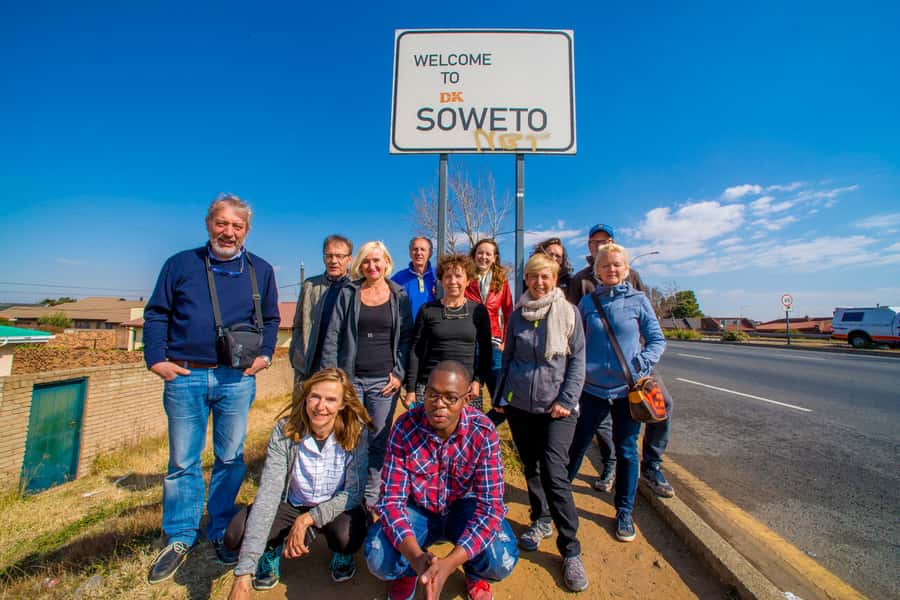
The centerpiece of the drive is Vilakazi Street in Orlando West. This is where Soweto packs a lot of meaning into one stretch of road. You’ll drive past the former home of Nelson Mandela and the current home of Archbishop Desmond Tutu. The tour also brings in the story of the struggle for freedom by referencing the 16 June 1976 Soweto uprising and the role of Hector Pieterson, a child whose death became a turning point in how the world understood the violence of apartheid-era oppression.
You get a street-level way to grasp the geography of political change. Instead of memorizing dates in a classroom, you’re learning them while watching where people actually walked, lived, and gathered.
A lot of the best tours make sure this section is not just name-dropping. Guides on this route tend to explain the context clearly and keep it respectful and human. I’ve seen guides called Mark, Lebo, Thapelo, Sello, and Cipho praised for being patient, funny in the right way, and quick to answer questions.
What to consider: Vilakazi Street is strongly symbolic. That means the mood can turn reflective fast. If you prefer to keep things upbeat the whole time, expect this to be emotional rather than light.
Mandela House photo stop and the optional museum choice
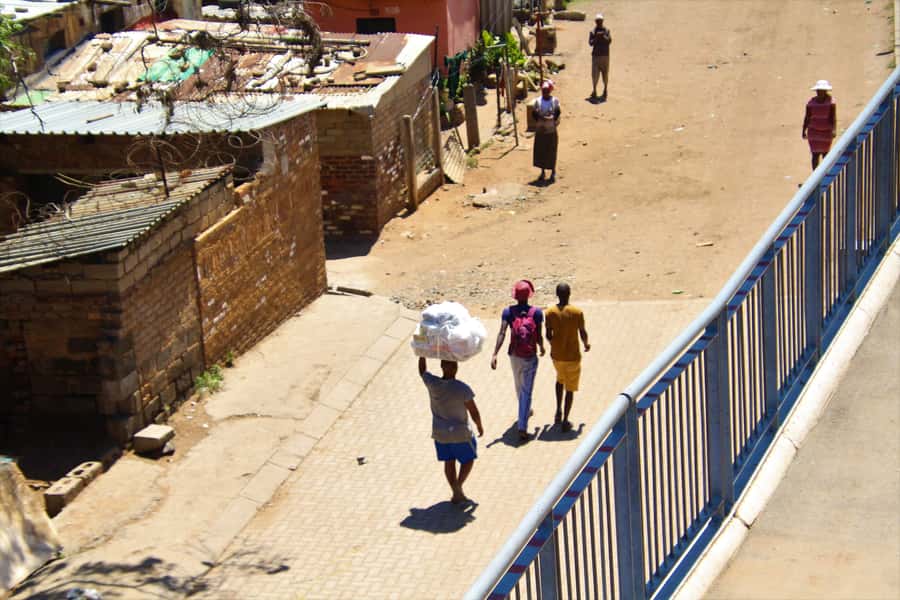
As you continue, you’ll pass by the Mandela House area, and you’ll have an opportunity to take photos. The tour also offers an optional stop at the Nelson Mandela House Museum, with an additional cost payable on arrival.
This is a smart choice for many people because it lets you control how much time you spend on the site. If you want the deeper connection to Mandela’s life, you can add it. If you’d rather focus on the uprising memorial and the local township experience, you can skip the museum interior and keep your energy for the next stops.
My practical tip: if you’re the kind of person who hates rushing through museum rooms, consider taking the optional museum time. But if you already feel museum fatigue building, don’t force it. This tour’s structure works either way.
Same province, a very different day:
- From Johannesburg: Pilanesberg Nature Reserve Game Safari
★ 4.8 · 1,327 reviews - Full Day Ultimate Pilanesberg National Park Safari from Johannesburg or Pretoria
★ 4.5 · 718 reviews - Half-Day Tour of Soweto Tour
★ 4.5 · 712 reviews - Soweto: Walking Tour with a Local Guide and Lunch
★ 4.9 · 648 reviews
Hector Pieterson Museum and Regina Mundi Church: history you can feel
The tour includes entrance to the Hector Pieterson Museum and the Regina Mundi Church. These two stops are the reason this half-day tour is not just sightseeing.
The Hector Pieterson Museum stop is especially important because it centers the 1976 uprising and how it changed the liberation story of South Africa. You’re not only hearing about violence in the abstract. You are seeing how one tragedy became a spark, and why it mattered then and still matters now.
Regina Mundi Church adds another layer. It’s a key place in Soweto’s history, tied to the community’s struggle and resilience. The church stop helps shift your view from protest to faith, community gathering, and the social backbone that sustained people through hard times.
What I love about this pairing: the tour doesn’t treat memory as a single moment. It treats it as a chain of events and spaces where people found courage and organization.
Orlando West and beyond: understanding Soweto through contrast
After the Mandela-era sights, the tour continues deeper into Soweto’s township feel. You’ll see the good, the bad, and the real, day-to-day texture that shapes the neighborhood.
This part matters because you leave with more than “what happened.” You also start understanding the conditions people navigate, including housing realities and the way infrastructure, distance, and public services shape daily routines.
Some tour experiences on this route are described as including school-related moments in the informal settlement setting, like youth-focused daycare spaces. That said, the core promise stays the same: you visit an informal settlement and you interact with locals, guided by someone who can explain what you’re seeing.
Informal settlement visit: respectful interaction, not a theme-park

A major included moment is the visit to an information settlement (your guide will frame it clearly as a place where locals live). This is where the tour becomes most personal and most sensitive.
Here’s how I’d advise you to approach it:
- Go in with respect. You are entering people’s reality, not a performance.
- Ask questions through your guide. This keeps the interaction grounded and prevents awkward, guessy conversations.
- Keep the vibe human. Smile, listen, and let your guide set the pace.
I’ve also seen practical advice from earlier visitors to bring small items for kids, like sweets, and a little cash in small denominations for tipping. The tour itself does not advertise tips as required, but guides in these kinds of experiences often work hard to translate history, manage timing, and keep everyone comfortable.
One consideration: if you have a low tolerance for seeing poverty firsthand, this stop can feel heavy. The tour is educational, but it won’t sanitize reality.
University campus and the big-city scale you can’t ignore
As the tour moves along, you’ll pass the Soweto Campus of the Johannesburg University. This is an important contrast point. It reminds you that Soweto is not frozen in history. Education and future-building are part of what happens there.
Then you finish with views of the Chris Hani Baragwanath Hospital, described as the largest hospital in the world. Even from a viewpoint, the scale is the point. This isn’t a corner clinic. It’s a major medical hub that speaks to the way Johannesburg’s needs get served and how far people may travel for care.
It’s a strong closer because it leaves you with a broader sense of systems, not only stories.
Timing and pacing: what a 5-hour half-day really feels like
On paper, this is 5 hours, including hotel pick-up and return. In practice, it’s tight but not chaotic, thanks to a structure that moves you through Soweto in clusters: walk, drive-by monuments, museum and church, then settlement time, then a final sweep past major institutions.
You’ll have some set sightseeing durations, including time in Soweto proper and another sightseeing window later in the neighborhood. You’ll also spend about 45 minutes on the return drive.
My take on value for time: at $74 per person, you’re paying for transportation, a live English guide, and a guided sequence that combines emotional history with everyday life. You’re not buying a long day, so you need to go in ready to absorb a lot in one sitting. If that sounds like your style, you’ll likely feel satisfied at the end.
Price, inclusions, and what you may want to budget
This tour is priced at about $74 per person and is structured so that the big-ticket “must-see” parts are covered.
Included items you can plan around:
- Transfers in a comfortable vehicle and hotel pick-up
- Entrance to the Hector Pieterson Museum
- Entrance to Regina Mundi Church
- Key drive-by views along Vilakazi Street
- Views of Mandela House, plus Desmond Tutu and Winnie Mandela residences
- Visit to an informal settlement
- Views of the Soweto cooling towers
- Views of Baragwanath Taxi Rank
- Views of Chris Hani Baragwanath Hospital
- Free onboard uncapped WiFi
- Live English guide
Not included:
- Food
- Personal purchases
- Entrance fees to the Nelson Mandela House Museum (optional)
Practical budgeting advice: since food is not included, eat something light before you go, or plan to grab a meal afterward. If you think you’ll want the Mandela House museum interior, set aside extra cash for that option.
Who this tour suits best
This is a great fit if you want a real sense of Soweto without losing an entire day to logistics. It also works well for people who enjoy guides that explain context, not just point at sights.
It’s especially well-suited to:
- First-time visitors to Johannesburg who want the core Soweto story fast
- Travelers who like history with real-world grounding
- Anyone who values respectful, guided interaction rather than DIY wandering
Who should skip or adjust expectations
If you mainly want postcard photos, this may feel too weighty. Likewise, if you dislike close contact or discomfort around inequality, the informal settlement visit is likely to be challenging. In that case, you may prefer a more strictly museum-based route or a route that avoids settlement visits.
Should you book the Johannesburg Soweto half-day tour?
Yes, if you want a smart introduction that combines Vilakazi Street, the Hector Pieterson Museum, and an informal settlement visit in one guided arc. I think it offers strong value because the included entrances and the structured sequence save you time and help you understand what you’re seeing.
Before you book, do one quick self-check: are you ready for an emotionally serious part of South African history, mixed with everyday life you might find hard to look at? If that sounds like the kind of learning you travel for, this half-day format is a good choice. If you prefer only light sightseeing, you might want a different kind of Johannesburg day.
Newest around Johannesburg
- Soweto Township Tour★ 4.4 · 4 reviews
- Soweto Tuk-Tuk Food & Beer Tour★ 5.0 · 9 reviews
- Soweto Tour; Mandela House; Vilakazi Street; Market Culture★ 5.0 · 6 reviews
- Private Soweto,Mandela House,Apartheid Museum,Constitution★ 4.6 · 15 reviews
- Soweto: Sip & Paint Walking Tour & Take Home a Canvas★ 4.8 · 7 reviews
- Soweto: Hector Pieterson Memorial, to Orlando Towers Tour★ 4.0 · 31 reviews
- Soweto & Johannesburg and Apartheid Museum★ 4.7 · 41 reviews
- Soweto and apartheid museum tour(Half-day)★ 5.0 · 4 reviews
Soweto & Township Tours, compared.


Soweto /Johannesburg and Apartheid Museum Guided Full Day Tour
Read our review →
Johannesburg Hop-On Hop-Off City Tour with Soweto Option
Read our review →


Jo’berg in 1 Day: Soweto, Apartheid Museum & City Tour
Read our review →Browse the lists this tour appears in