
Reviewed · APARTHEID HISTORY TOURS
Johannesburg,Soweto & Apartheid museum tour
Johannesburg hits you with big history fast. This guided loop links the Apartheid Museum area with Soweto and key Mandela and Desmond Tutu landmarks in one efficient day. You get private transport, WiFi on board, and a route built to reduce time wasted on driving and parking.
Two things I really like: the day’s variety of stops (from Constitutional Hill to Vilakazi Street and Hector Pieterson sites), and the chance to compare everyday life on the ground, not just read about it. One thing to consider: it is a full 8 hours, so expect a long day with lots of moving between neighborhoods.
In This Review
- Key points at a glance
- Entering Johannesburg with a plan, not a map scramble
- Price and what it really includes for $83.83
- Private transportation, pickup, and why it changes the day
- Constitutional Hill and the Constitutional Court area
- Chancellors House connections: Tambo and Mandela legal history
- Johannesburg neighborhoods by drive: Downtown, Hillbrow, and Mandela Bridge
- Maboneng and the shift in Johannesburg life
- Soweto first glance: informal settlements and Orlando Towers
- Vilakazi Street and the Mandela and Tutu home area
- Hector Pieterson Memorial Museum: the part you will remember
- Freedom Square and the deeper Soweto context
- Baraqwanath Hospital stop: why it matters in the bigger picture
- Lunch at local restaurants: plan for real food, not just fuel
- What the guide role really adds, especially with Pastor
- Who this tour fits best (and who might want something else)
- Should you book this Johannesburg, Soweto & Apartheid Museum tour?
- FAQ
- How long is the Johannesburg, Soweto & Apartheid Museum tour?
- Where does the tour operate from?
- How much does the tour cost?
- Is pickup offered?
- Is there WiFi on the vehicle?
- Is the Apartheid Museum admission included?
- What is the maximum group size?
- What is included in the price?
- Is lunch included?
- What is not included?
- What is the cancellation policy?
Key points at a glance
- Small group size (max 10) keeps the day feeling personal, not rushed.
- Private driver and air-conditioned vehicle save you from Johannesburg traffic and parking stress.
- WiFi on board helps on the go, especially if you rely on maps or translation apps.
- Apartheid Museum admission is included, so you are not juggling tickets.
- Mandela and Desmond Tutu connections show up in real places, not just general history.
- Local lunch stop time gives you a break, and a chance to try South African flavors.
Entering Johannesburg with a plan, not a map scramble
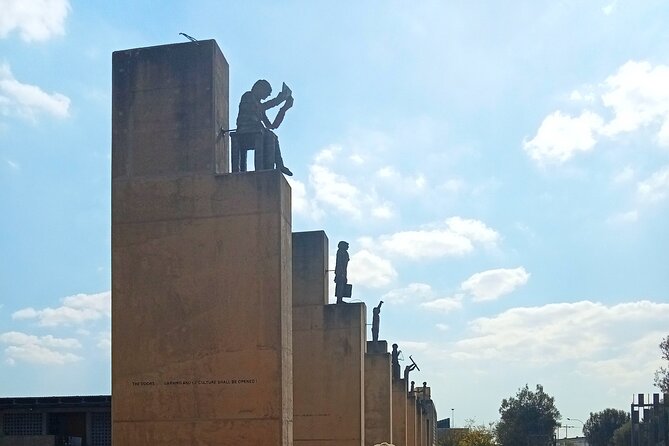
This is the kind of tour you want when you have limited time and you still want meaningful context. Instead of hopping between unrelated sights, the route builds a logical thread: the legal and political struggle shown around Constitutional Hill, the lived reality in Johannesburg neighborhoods, and then the Soweto side of the story, including the Hector Pieterson Memorial area.
What makes it feel more worthwhile is the way the day is organized. You are not just walking around one site. You get a guided drive through areas like Hillbrow and over Mandela Bridge, then you step into Soweto for landmarks tied to Nelson Mandela and Desmond Tutu.
Also, the vehicle setup matters more than you might think. With an air-conditioned car and bottled water, you can focus on the meaning of the places instead of thinking about logistics the whole time.
More Museum Tours in Pretoria
- Johannesburg Full-Day Tour(Soweto/Jo-Burg & Apartheid Museum)
★ 5.0 · 110 reviews - Soweto and Apartheid Museum Guided Tour
★ 5.0 · 38 reviews - Soweto & Apartheid Museum Tour
★ 5.0 · 20 reviews
Price and what it really includes for $83.83
At $83.83 per person for an 8-hour day, this is priced like a guided highlights tour with transportation included, not a bare-bones museum visit. The value comes from stacking several costs that would add up on your own: a guided route, private transport between Johannesburg and Soweto, and Apartheid Museum entrance fees.
You also get WiFi on board and bottled water. That is a small line item, but it makes the day smoother, especially if you want to look up key names, read background between stops, or just keep your phone useful when you are on the move.
What is not included is also clear: you should plan to pay for soda and alcohol if you want it. And while there is time for lunch at local restaurants during the day, the meal itself is not listed as part of the included package.
Private transportation, pickup, and why it changes the day
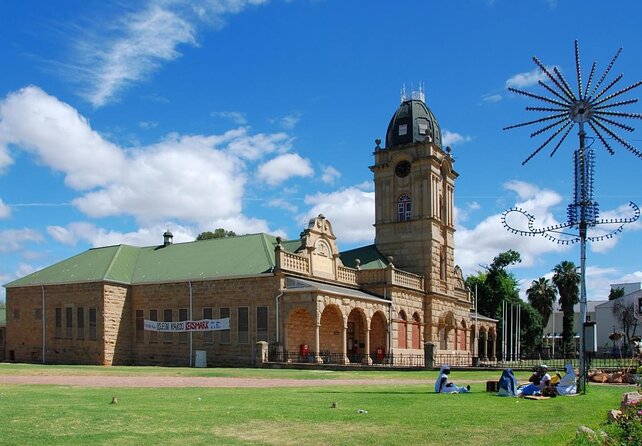
You are picked up (pickup is offered) and moved between stops in a vehicle, which means you spend less time figuring out where to park and more time actually seeing. In a place like Johannesburg, where distances can feel bigger than they look on a map, this matters.
The tour is also limited to a maximum of 10 travelers. That small group size helps the guide move at a pace where questions actually get answered. It also means fewer people crowd around during photo moments and museum talking points.
Then there is the onboard WiFi. When you are reading about apartheid history, it helps to confirm names, dates, and locations quickly. You do not have to rely only on memory once you are out of the museum halls.
Constitutional Hill and the Constitutional Court area
The day starts at the Apartheid Museum site area, and the route includes Constitutional Hill and the Constitutional Court. This is one of the best places in the region to understand that apartheid was not only a system of laws, it was also later confronted through a new legal and political framework.
Expect this section to feel more structured than the street-level stops later in the day. The atmosphere tends to make you slow down and listen. It is also a strong contrast point for what you see in Soweto, where the impact was immediate and personal.
If you like tours that explain how political change connects to daily life, this portion is a key reason to book. You are getting history in a place tied to the legal transformation, not just general narration.
More Township Tours in Pretoria
- Johannesburg and Soweto tour
★ 5.0 · 231 reviews - Soweto Half Day Tour
★ 5.0 · 231 reviews - Soweto walking tour with a taxi ride
★ 4.5 · 42 reviews - Soweto, Kliptown, Eldorado Park Tour
★ 5.0 · 41 reviews
Chancellors House connections: Tambo and Mandela legal history
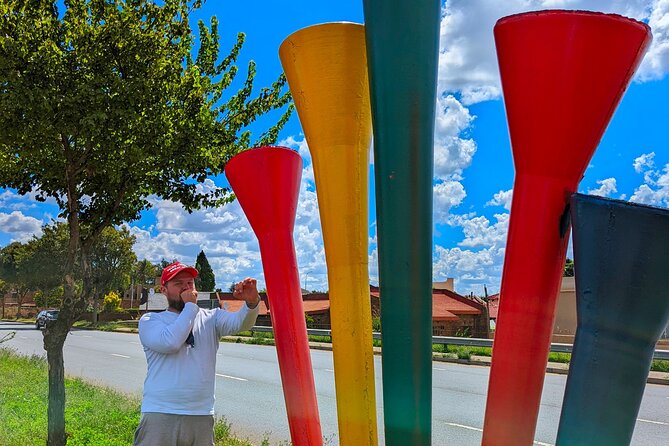
From the museum area, the tour includes Chancellors House, connected with Tambo and Mandela legal work. This is the kind of stop that makes the story feel less abstract. When you see places linked to legal leadership, you start to understand how apartheid was challenged through organized resistance, not only protests and speeches.
This is also where a good guide makes a big difference. In the reviews tied to this experience, the guide is described as extremely knowledgeable. One guide name mentioned is Pastor, and that matters because it suggests you are not just getting a route list. You are getting context that makes the sites connect.
If you like tours where you come away with clearer names and clearer timelines, this part is where that happens.
Johannesburg neighborhoods by drive: Downtown, Hillbrow, and Mandela Bridge
Between the more formal sites, you also get time in Johannesburg’s urban fabric. The itinerary includes a drive through Downtown Johannesburg and Hillbrow, plus crossing Mandela Bridge. These are not random photo stops. They are part of the contrast the tour wants you to notice.
You will likely notice how different parts of the city can feel like different worlds, even when they are connected by the same roads and the same skyline. That contrast is part of what makes a day like this powerful, because it sets up the next phase in Soweto.
One thing to keep in mind: because this section includes driving, you are seeing neighborhoods in movement. If you want long walks, you should focus your energy on the Soweto stops and memorial sites, where there is more time to slow down.
Maboneng and the shift in Johannesburg life
The tour summary also points to a visit to Maboneng, a neighborhood known for creativity and redevelopment. On a route like this, Maboneng is useful because it adds a layer beyond hardship and struggle. Johannesburg is not only about the past. It is also about how the city is changing and being reimagined.
Because the exact time spent there is not detailed in your provided outline, treat Maboneng as a part of the Johannesburg-side story rather than the main event. The main event still centers on Apartheid Museum area sites and the Soweto landmarks.
Soweto first glance: informal settlements and Orlando Towers
Then the day shifts into Soweto. The itinerary includes an informal settlement stop and Orlando Towers. This is where you start to see the lived reality that the earlier political and legal context points to.
Orlando Towers is a landmark that helps you orient yourself in the Soweto geography. These stops also help your brain do the mental work of comparison. It is one thing to read about inequality. It is another to ride the streets and notice the differences in housing, space, and everyday life.
Again, driving time matters here. You are not touring every block on foot. But you are getting enough structure to understand what you are seeing, instead of just passing by.
Vilakazi Street and the Mandela and Tutu home area
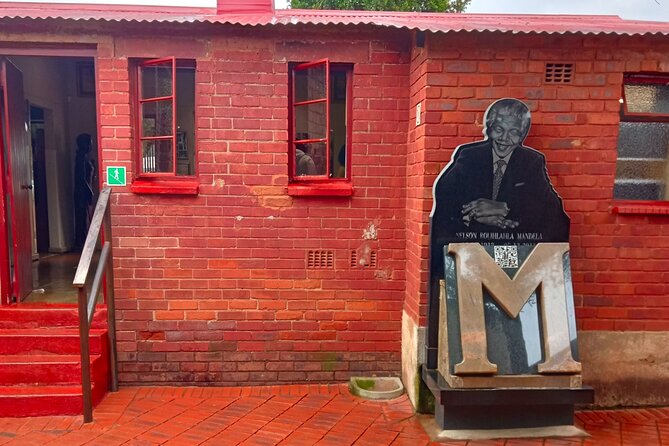
One of the most meaningful parts of the route is Vilakazi Street, tied to Nelson Mandela and Archbishop Desmond Tutu. Vilakazi Street is often discussed as a special place because of how both leaders are connected to it through their homes and community presence.
This stop is where the tour stops being only about systems and becomes personal. You can feel the connection between the history and real people who lived there.
A practical note: this is also a place where you may want to keep your phone handy for photos, but do it without turning the moment into a selfie sprint. The value here is in the story the guide attaches to the locations.
Hector Pieterson Memorial Museum: the part you will remember
The tour includes Hector Pieterson Memorial sites and the Museum. This is one of the most emotionally heavy parts of the day, and it is also one of the most important for understanding apartheid-era youth resistance and the human cost of violence and oppression.
If you want a tour that does not treat history like a checklist, this is where it shows. The museum area gives you time to absorb what you came for, and you should plan to spend your energy reading and listening.
Wear comfortable shoes. Even if the day is mostly guided and you are in a car between stops, you will still walk. Give yourself a little patience for the emotions that can hit when the stories turn specific.
Freedom Square and the deeper Soweto context
The route continues to Freedom Square. This is typically the kind of place where the meaning of the struggle becomes visible in the physical setting. You are often reminded of the idea of liberation and the long road required to reach it.
Paired with the Hector Pieterson sites and Vilakazi Street, Freedom Square helps you connect individual stories to broader community identity. It also gives the day a clearer arc, from oppression, to resistance, to the fight for freedom.
Baraqwanath Hospital stop: why it matters in the bigger picture
The itinerary includes a stop at Baraqwanath Hospital. While the details of what you see there are not spelled out in your tour outline, a healthcare stop can matter because it grounds history in daily survival.
When a tour includes a hospital, it signals that life under apartheid was not only about politics and marches. It was also about access to care, health, and the pressure on communities.
Treat this as a reflective stop. Even if you do not spend a long time there, it can add weight to everything you saw earlier in the day.
Lunch at local restaurants: plan for real food, not just fuel
There is time for lunch at local restaurants during the 8-hour schedule. Reviews associated with this experience mention a lunch buffet where you can try a variety of local dishes.
I like lunch stops that are not padded with tourist traps. When the tour builds in time for a local meal, you get a little breathing room and a more authentic taste of South African food. And because the tour is in Soweto and Johannesburg, you are not just eating in a convenient bubble.
Practical tip: if you are sensitive to spice, ask what is mild. If you want to try a range of dishes at a buffet, start with small portions first.
What the guide role really adds, especially with Pastor
The guide is part of the value here. In the feedback connected to this tour, the guide is described as outstanding and extremely knowledgeable, and the name Pastor comes up in particular.
A top guide helps you make sense of the contrasts. In this itinerary, you will move from legal landmark areas to neighborhood drives to memorial spaces. Without a good narrator, those stops can feel like separate points on a map. With a strong guide, they connect into a single story about power, resistance, and lived impact.
So when you think about whether this tour is worth it, do not only weigh sights. Weigh the guide’s ability to explain what you are looking at while you are looking at it.
Who this tour fits best (and who might want something else)
This experience is a strong match if you:
- want to cover multiple Johannesburg and Soweto highlights in one day
- prefer private transportation over public buses
- care about a guided explanation at the Apartheid Museum area
- like small group tours, with space to ask questions
It might be less ideal if you:
- hate long days with lots of short stops
- want a deep, slow walking tour where you stay in one area all day
- need a highly flexible schedule with lots of unscripted free time
But for most first-time visitors, this is a smart way to get oriented quickly and still end up at places that carry real meaning.
Should you book this Johannesburg, Soweto & Apartheid Museum tour?
I’d book it if your goal is one day that meaningfully connects Johannesburg’s political story with Soweto’s lived reality. The best reasons are practical and real: Apartheid Museum admission is included, you get private transport with onboard WiFi, and the route includes key Nelson Mandela and Archbishop Desmond Tutu connections through Vilakazi Street.
Be mindful of the day length and the emotional weight of the memorial stops. If you show up ready to listen, take breaks when you can, and treat the sites with care, you will get a complete, guided snapshot of the region that you cannot easily recreate on your own in a short timeframe.
If you want, tell me your travel month and whether you prefer walking or mainly vehicle time, and I can suggest the best way to pace the day with comfort and photo stops.
FAQ
How long is the Johannesburg, Soweto & Apartheid Museum tour?
The tour runs about 8 hours.
Where does the tour operate from?
The tour is listed as operating from Pretoria, South Africa, with stops in Johannesburg and Soweto.
How much does the tour cost?
The price is $83.83 per person.
Is pickup offered?
Yes, pickup is offered.
Is there WiFi on the vehicle?
Yes, WiFi is available on board.
Is the Apartheid Museum admission included?
Yes, Apartheid Museum entrance fees are included.
What is the maximum group size?
The group is capped at a maximum of 10 travelers.
What is included in the price?
Included items are bottled water, an air-conditioned vehicle, WiFi on board, all fees and taxes, and Apartheid Museum entrance fees.
Is lunch included?
Lunch time is included in the schedule at local restaurants, but lunch itself is not listed under included items.
What is not included?
Soda or pop and alcoholic beverages are not included.
What is the cancellation policy?
You can cancel for a full refund if you cancel at least 24 hours before the experience starts.
More Museum Visits in Pretoria
- Johannesburg & Apartheid Museum Tour
★ 5.0 · 9 reviews - Half Day Soweto and Apartheid Museum Guided Tour
★ 4.5 · 9 reviews - Full Day Johannesburg , Apartheid Museum and Soweto Tour – 8hrs
★ 4.5 · 7 reviews - Soweto and Apartheid Museum Day Tour
★ 5.0 · 7 reviews
More Apartheid History Tours in Pretoria
- Apartheid History of South Africa (Full day Experience with lunch
★ 4.5 · 24 reviews - Soweto & Apartheid Museum Guided Tour
★ 5.0 · 18 reviews - Soweto, Apartheid Museum & Constitution Hill Day Tour
★ 5.0 · 12 reviews - Soweto and Apartheid Museum
★ 4.5 · 11 reviews
Newest around Pretoria
- Half Day E-Biking with Wildlife Watching in Pretoria★ 5.0 · 23 reviews
- Traditional Tribal Village Tour★ 5.0 · 6 reviews
- Aha Lesedi Cultural Village tour★ 5.0 · 4 reviews
- Soweto, Kliptown, Eldorado Park Tour★ 5.0 · 41 reviews
- Daily Pilanesberg National Park Private Shuttle Services★ 5.0 · 10 reviews
- Apartheid museum, Soweto and Joburg highlights tour★ 5.0 · 6 reviews
- Full Day Johannesburg , Apartheid Museum and Soweto Tour – 8hrs★ 4.5 · 7 reviews
- Soweto and Johannesburg Fun Tours★ 5.0 · 3 reviews
Apartheid History Tours, compared.

Soweto /Johannesburg and Apartheid Museum Guided Full Day Tour
Read our review →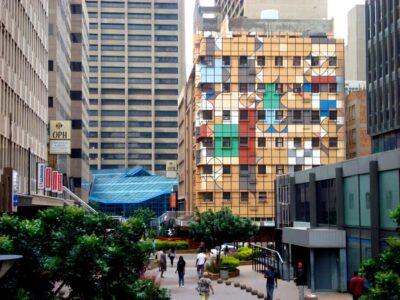
Jo’berg in 1 Day: Soweto, Apartheid Museum & City Tour
Read our review →
Full-Day Tour with Soweto and Apartheid Museum
Read our review →
Full-Day Soweto, Apartheid Museum and Lunch Tour
Read our review →
Half Guided Day Tour of Soweto And Apartheid Museum
Read our review →
Ultimate Johannesburg Soweto Experience with Apartheid Museum
Read our review →
Hop-On Hop-Off Bus, City Tour and Apartheid Museum
Read our review →
Johannesburg and Soweto Apartheid Full Day Tour w/Lunch
Read our review →Browse the lists this tour appears in