
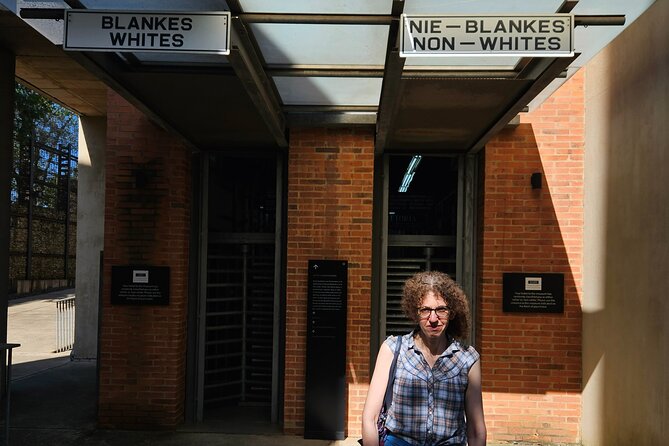
Reviewed · APARTHEID HISTORY TOURS
Soweto, Mandela House, Apartheid Musem, Constitutional Court
Johannesburg’s past is intense, but it is organized into a great day. This private tour strings together Soweto, Mandela House, the Apartheid Museum, and Constitution Hill so you spend less time figuring out routes and more time learning what these places mean.
I especially like the way the day is structured: you get guided context in transit on the way into Soweto, and you’re not left “on your own” between stops. I also like the comfort upgrades that matter in a long day, with an air-conditioned vehicle and Wi-Fi on board, plus a guide who can explain what you are seeing as you go.
One possible drawback is timing. The Apartheid Museum is only open Wednesday to Sunday, and entry fees are not included, so your total day cost will be a bit higher than the tour price once you add tickets.
In This Review
- Key highlights worth planning for
- Soweto’s tone-setting drive on Vilakazi Street
- Mandela House stop: what you see and what you should budget
- Apartheid Museum: timing rules and how the 3-hour limit helps
- Constitution Hill Human Rights Precinct for a jail-to-courtroom story
- Drives by Joburg landmarks: CBD, stock market, and gold mine dumps
- Getting between stops without bus-and-transfer stress
- Price and value: what $75.03 covers, and what tickets add
- What this day feels like on the ground
- Who should book this Soweto and apartheid history tour
- Practical tips to make the day smoother
- Should you book this private Johannesburg history tour?
- FAQ
- What does the tour price include?
- How long is the tour?
- Is this a private tour?
- Which places are visited?
- Are entrance fees included for Mandela House, the Apartheid Museum, and Constitution Hill?
- What days is the Apartheid Museum open?
- How much time do I get at the Apartheid Museum?
- What’s included for comfort during the drive?
- Does the tour offer translation?
- What is the cancellation policy?
Key highlights worth planning for

- Vilakazi Street intro on the way into Soweto, including the Mandela and Tutu house area
- Guided Mandela House visit after you drop in, with a guide accompanying you on site
- Apartheid Museum time cap of up to 3 hours, with guided background before you enter
- Constitution Hill walkthrough of Old Fort, Ladies Prison, and the Constitutional Court area
- Comfort and connection: air-conditioned vehicle with Wi-Fi, mobile ticket, and private group format
- Day-of flexibility with a focus: the guide builds a full plan but can adjust to how your group moves
Soweto’s tone-setting drive on Vilakazi Street
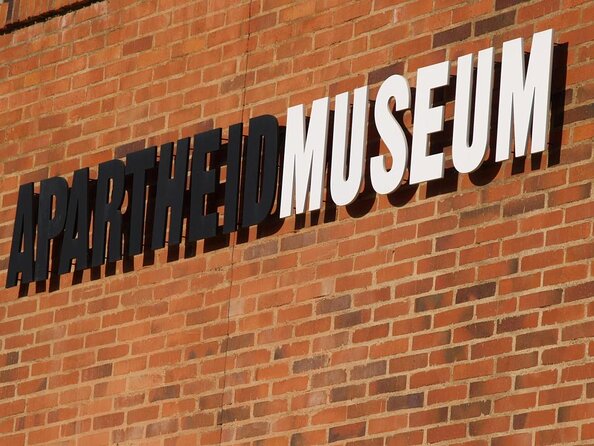
The day starts with a sense of place, not just a checklist. You go into Soweto via Vilakazi Street, the famous stretch where Nelson Mandela and Bishop Tutu have houses, and where you can also find restaurants. Even though you are not stopping here immediately, the drive is part of the experience, because your guide sets the background so the township does not feel like a blur of streets.
I like how this gets you oriented fast. You get context on township life, what people built and survived under apartheid, and how the area’s layout connects to that era. That matters because when you reach Mandela House later, you can look at it with a bit more understanding than the usual quick photo-and-go.
Also, this is one of those days where the “between stops” time becomes useful. Instead of waiting around for buses, you’re moving through the city with guided commentary and a comfortable ride.
More Township Tours in Johannesburg
- Johannesburg: Hop-On Hop-Off Bus with Optional Soweto Tour
★ 4.6 · 985 reviews - Soweto /Johannesburg and Apartheid Museum Guided Full Day Tour
★ 5.0 · 932 reviews - Johannesburg Hop-On Hop-Off City Tour with Soweto Option
★ 4.5 · 768 reviews
Mandela House stop: what you see and what you should budget
Mandela House is your first major stop inside Soweto. You are driven in, dropped off at the Mandela House, and then you handle the entry fee on the spot. After that, a guide accompanies you for the visit.
Here is the practical bit: the entry fee for the Mandela House tour is listed as R 100, and the time you spend inside depends on your pace. Your overall tour plan then moves you back to Vilakazi Street after you finish, so you are not stuck waiting for your group to catch up.
What makes this stop work well is that you are not treated like a passive visitor. Earlier in the day you get a general run-down about the township, including shanty towns and security. Then the Mandela House visit turns that context into something concrete.
If you like moments that feel personal and specific, this is where that happens. It is also a strong choice if you want a calmer entry point into Soweto’s story before you tackle larger, heavier sites.
Apartheid Museum: timing rules and how the 3-hour limit helps
Next up is the Apartheid Museum, and it is the kind of stop that can eat a whole day if you let it. This tour sets boundaries that keep your schedule realistic.
A big planning note: the museum is only open Wednesday to Sunday. If your dates fall outside that window, your tour will not align with museum hours, so it is worth double-checking before you lock anything in.
Once you arrive, you get a rundown on what to expect before you go in. The museum visit is allotted up to 3 hours, so you get enough time to walk at a meaningful pace without losing the rest of your day to one location. Admission for the Apartheid Museum is listed as R 150 and is not included in the tour price.
Why I think the 3-hour cap is smart: it balances depth with flow. This is a museum where themes repeat and concepts layer over time, so rushing can flatten the impact. At the same time, if you linger too long, you risk arriving at Constitution Hill when you’re already mentally tired. The structure here helps you keep your attention sharp.
This is also described as the most popular Johannesburg stop for this theme, so building it into a private, guided itinerary is a real value. You are not guessing what order to do things in, and you are not wasting time trying to piece together explanations on your own.
Constitution Hill Human Rights Precinct for a jail-to-courtroom story
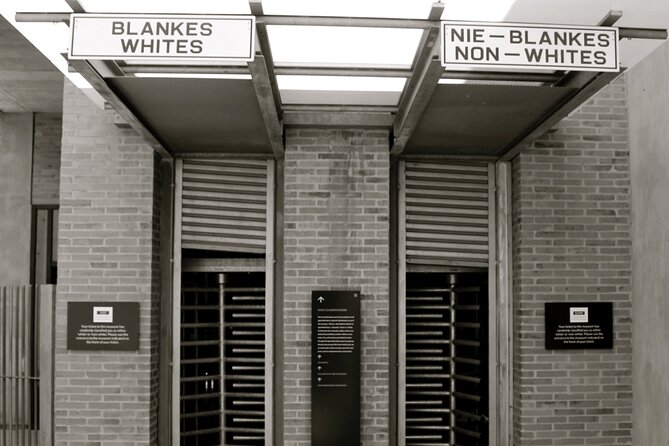
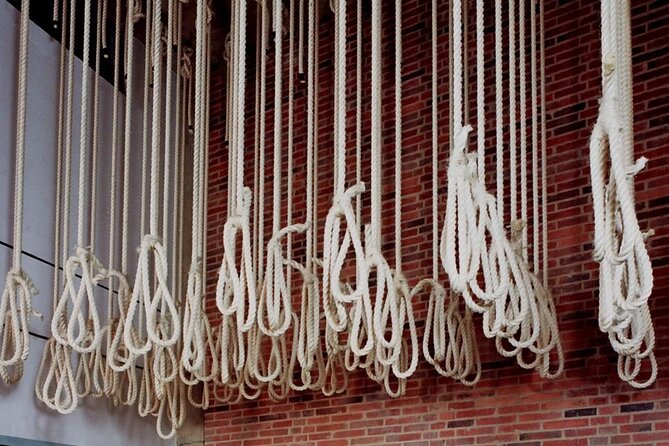
Constitution Hill is one of my favorite ways to end this kind of day, because it turns the past into a place where you can see how the future was fought for. Here you visit the prison that Mandela, Gandhi, and many famous politicians spent time in, plus key areas including the Old Fort, the Ladies Prison, and the new Constitutional Court.
The duration listed is about 1 hour, and the admission fee is R 90 per person. Like the other site stops, the entry fee is not included in your tour price.
What you should know going in is that this is a sad history. The tour guide frames it around how badly people were treated, and the hope that South Africa’s constitution will prevent those abuses from returning. That tone matters. You are not just ticking a famous building off a list, you are stepping into a human rights story where the spaces themselves do the talking.
If you are the type of visitor who likes to connect the dots across multiple sites, Constitution Hill is the glue. It links what happened under apartheid to the legal and civic changes that followed, even if those changes are still a work in progress in many ways.
More apartheid history tours in Johannesburg:
- Jo’berg in 1 Day: Soweto, Apartheid Museum & City Tour
★ 4.8 · 524 reviews - Johannesburg: Full-Day Tour with Soweto and Apartheid Museum
★ 4.8 · 478 reviews - Full-Day Soweto, Apartheid Museum and Lunch Tour
★ 5.0 · 410 reviews - Half Guided Day Tour of Soweto And Apartheid Museum
★ 5.0 · 356 reviews
Drives by Joburg landmarks: CBD, stock market, and gold mine dumps
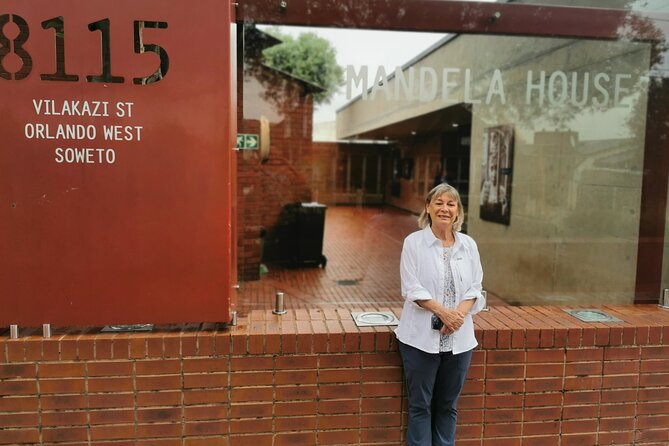
After Constitution Hill, you get a drive past some major Johannesburg areas. This portion is not about a single entrance ticket. It is about seeing scale and context.
You pass the Central Business District with many big business headquarters and the Johannesburg stock market. You also go by the huge gold mine dumps and Anglo American Gold head office areas.
This is a useful add-on because Soweto and apartheid-era sites can feel like separate worlds unless you understand what sits nearby, economically and geographically. The drive helps you connect the township story to the wider Johannesburg story, without forcing you to do extra stops.
Getting between stops without bus-and-transfer stress
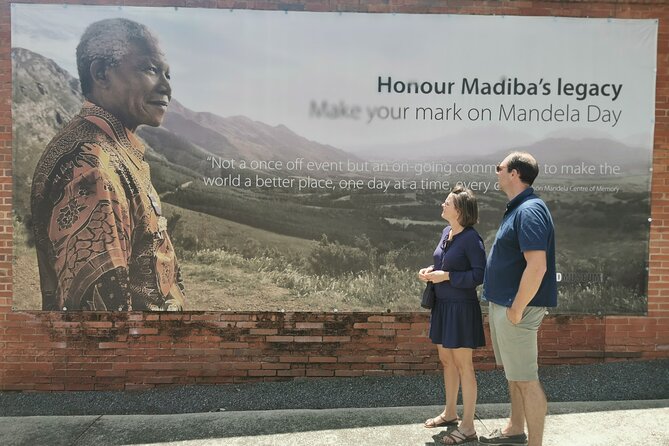
This tour is built around private transportation in an air-conditioned vehicle, with Wi-Fi on board. That combination sounds like comfort fluff until you remember what the day includes: multiple large sites, a museum with limited open days, and neighborhoods that are not practical to hop around on local buses if you do not already know the city.
You also get a guide who joins you to teach you about the landmarks you visit. In practice, that means your time in the car is not dead time. You are getting the “why” before you hit the “what.”
There is also a private format, meaning only your group participates. That matters for two reasons. One, you are not listening to a guide explain things while different people drift off at different speeds. Two, it gives the guide room to adjust based on how your group is moving.
If you have limited time in Johannesburg, this kind of planning is exactly where value shows up.
Price and value: what $75.03 covers, and what tickets add
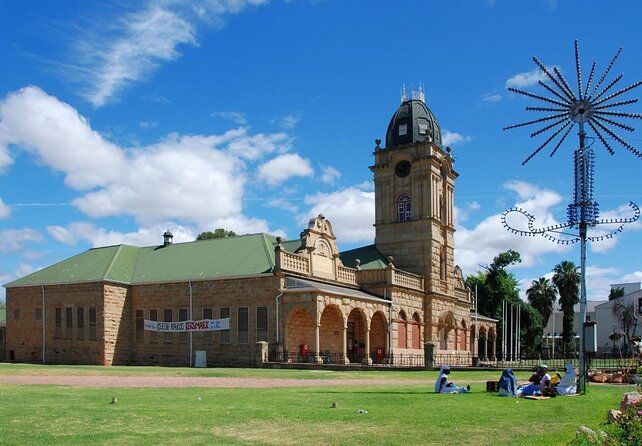
The tour price is listed as $75.03 per person, with a duration of 3 to 6 hours (approx.). It includes pickup offered, a guide, Wi-Fi on board, and an air-conditioned vehicle, plus translation into any language.
Group discounts and a mobile ticket are also listed as features, which can help if you are traveling with friends or family.
Now, the part many people miss: admission fees are not included. You’ll need to budget for tickets at each site:
- Mandela House: R 100
- Apartheid Museum: R 150
- Constitution Hill: R 90
So your day cost is tour price plus those entries. If you are comfortable paying entry fees at the sites anyway, this tour pricing starts to feel fair, because you are buying time saved, comfort, and guided explanations that connect the stops.
Where the “value math” lands best is when you would otherwise spend hours researching routes, waiting for transport, and trying to match museum hours and opening days. With a planned itinerary, you are paying to remove guesswork.
One timing caution from the real world: if you have a strict departure or flight deadline, treat pickup and return times like something you confirm twice. In at least one past scenario, timing confusion caused real frustration, so I would not assume the return will automatically work around a flight unless it is explicitly understood.
What this day feels like on the ground
This tour is not designed to be casual sightseeing. It is designed to be meaningful learning, with big stops that require your attention.
That also means pacing matters. The guide has a track record for being fun and flexible, and you can typically set the tone for how fast you want to move, especially around the museum where the time allowance is set at up to 3 hours. If your group wants extra walking inside the Apartheid Museum, this is where that request can have the most impact.
The day also tends to work best when you arrive ready to listen. Expect your guide to explain not just dates and buildings, but how the geography of Soweto and Johannesburg connect to apartheid and to the post-apartheid legal shift at Constitution Hill.
Who should book this Soweto and apartheid history tour
This is a strong fit if you:
- Want to see Soweto, Mandela House, the Apartheid Museum, and Constitution Hill in one half day to full day window
- Prefer private transportation so you are not building your own route across multiple neighborhoods
- Value guided interpretation, especially for places tied to apartheid-era policy and human rights history
- Appreciate added comfort like air-conditioning and Wi-Fi on longer drives
It may not be ideal if you:
- Have dates that fall outside Wednesday to Sunday for the Apartheid Museum, unless your schedule can shift
- Only want free-form walking time and do not care about guided context
- Are traveling on a shoestring and need your day to rely mostly on your own decisions rather than paying tickets at multiple sites
If you are a first-time visitor to Johannesburg, this tour is the kind of structure that keeps the day from becoming stressful.
Practical tips to make the day smoother
A few choices will make a big difference, even with a private guide and vehicle:
- Bring cash or a card for admission fees at Mandela House (R 100), Apartheid Museum (R 150), and Constitution Hill (R 90).
- Plan around the Apartheid Museum open days, Wednesday to Sunday, so you do not arrive on the wrong day.
- If you have a flight or appointment, tell the guide about the exact latest return time and confirm again close to the day.
- Wear comfortable shoes. Even with set time limits, these sites involve walking and standing.
- Expect a serious tone. Build in a little mental space between stops, especially after the museum.
Should you book this private Johannesburg history tour?
If you want one day that connects Soweto, Mandela House, apartheid-era context at the Apartheid Museum, and the human rights story at Constitution Hill, I think this is a smart booking. The big reasons are simple: private transport, a guide to keep meaning clear, and a planned schedule that saves you from day-of logistics stress.
Book it when your priority is guided order and you are okay paying admission tickets on top of the tour price. Skip it, or at least rework your plans, if your dates do not include Wednesday to Sunday for the Apartheid Museum or if your schedule is so tight you cannot absorb small timing changes.
FAQ
What does the tour price include?
The tour includes pickup offered, a guide, an air-conditioned vehicle, and Wi-Fi on board. Translation into any language is also included. Admission fees, meals, and drinks are not included.
How long is the tour?
The duration is listed as about 3 to 6 hours.
Is this a private tour?
Yes. It is private, meaning only your group will participate.
Which places are visited?
You will be in the Soweto area around Vilakazi Street, visit Mandela House, visit the Apartheid Museum, and visit Constitution Hill Human Rights Precinct. You also do driving passes through Johannesburg areas like the central business district and gold mine dumps.
Are entrance fees included for Mandela House, the Apartheid Museum, and Constitution Hill?
No. Entrance fees are not included. The listed costs are R 100 for Mandela House, R 150 for the Apartheid Museum, and R 90 per person for Constitution Hill.
What days is the Apartheid Museum open?
The Apartheid Museum is only open Wednesday to Sunday.
How much time do I get at the Apartheid Museum?
You are allowed a max of 3 hours to walk through the museum.
What’s included for comfort during the drive?
You travel in an air-conditioned vehicle with Wi-Fi on board.
Does the tour offer translation?
Yes. Translation into any language is included.
What is the cancellation policy?
You can cancel for a full refund if you cancel at least 24 hours in advance of the experience start time. If you cancel less than 24 hours before, the amount paid will not be refunded.
Newest around Johannesburg
- Zulu Food Cooking & Dining Experience with a local Chef★ 4.4 · 5 reviews
- Private Soweto Tour 5 hours approximately from Johannesburg or Pretoria.★ 4.5 · 9 reviews
- bicycle tour soweto★ 4.5 · 20 reviews
- Two day Kruger National Park Safari from Johannesburg★ 5.0 · 19 reviews
- Sun City Day Tour From Johannesburg★ 4.5 · 6 reviews
- Taste of Africa★ 5.0 · 9 reviews
- Full-day Johannesburg Bike Or Walking tour – With Transport★ 5.0 · 10 reviews
- Soweto Township Tours★ 4.5 · 6 reviews
Apartheid History Tours, compared.

Soweto /Johannesburg and Apartheid Museum Guided Full Day Tour
Read our review →
Jo’berg in 1 Day: Soweto, Apartheid Museum & City Tour
Read our review →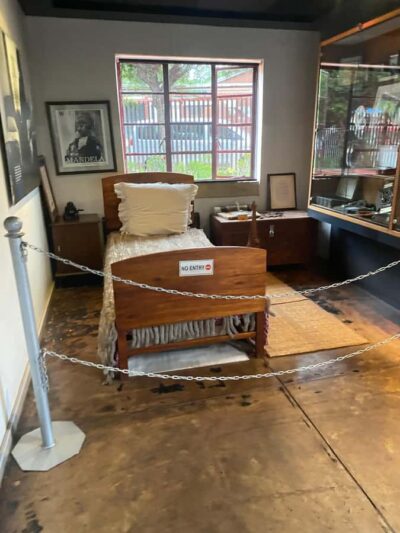
Full-Day Tour with Soweto and Apartheid Museum
Read our review →
Full-Day Soweto, Apartheid Museum and Lunch Tour
Read our review →
Half Guided Day Tour of Soweto And Apartheid Museum
Read our review →
Ultimate Johannesburg Soweto Experience with Apartheid Museum
Read our review →
Hop-On Hop-Off Bus, City Tour and Apartheid Museum
Read our review →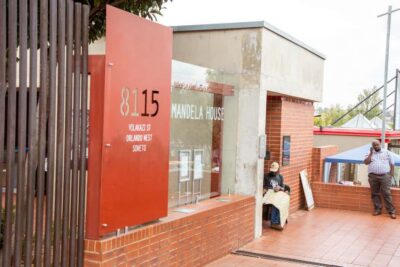
Johannesburg and Soweto Apartheid Full Day Tour w/Lunch
Read our review →Browse the lists this tour appears in