
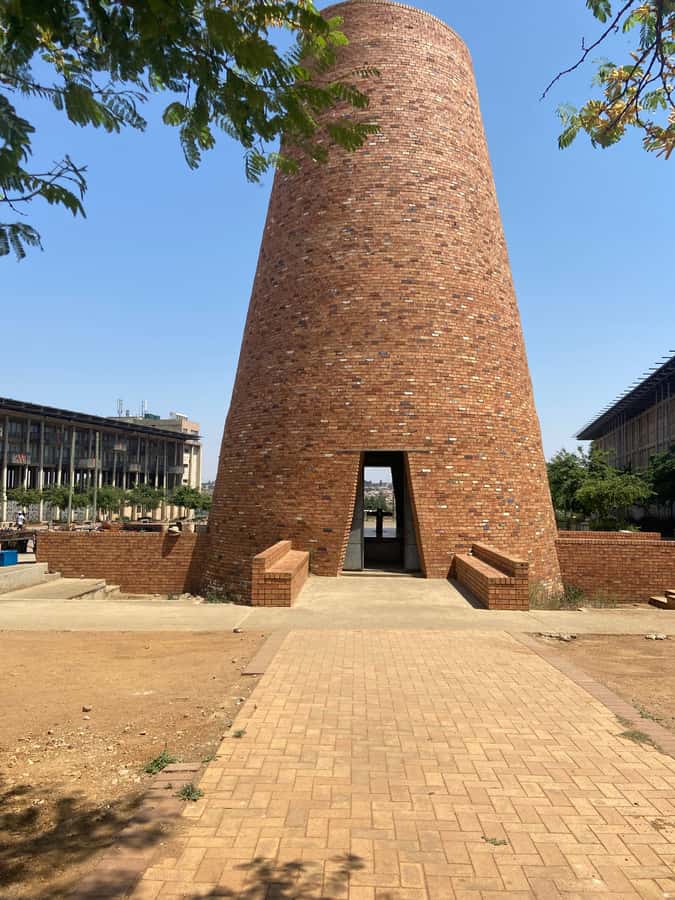
Reviewed · APARTHEID HISTORY TOURS
Soweto Tour; Mandela House; Vilakazi Street; Market Culture
Soweto hits fast, and in a good way. I love the panoramic stops from the Soweto Towers and the chance to walk Vilakazi Street with a live English guide who brings real context to the streets. The main drawback is the tight 4-hour window, so you will want comfortable shoes and a ready-to-move mindset.
This half-day route stitches together landmark sites and everyday township life, with picture time at the Hector Pietersen Memorial and a stop at the unforgettable Regina Mundi Cathedral. You also get a practical look at how the area works, from the taxi market stop to the local market culture where food and day-to-day routines take center stage.
In This Review
- Key things to know before you go
- A 4-hour route through Soweto, from Soccer City to Vilakazi Street
- Soweto Towers for quick panoramas and orientation
- Soccer City and the 2010 World Cup memory stop
- Bara hospital and taxi market culture, where daily life is the lesson
- Freedom Square in Kliptown: the place and the idea behind it
- Regina Mundi Cathedral, a game-changing gathering place
- Morris Isaacson High School and the power behind the uprisings
- Orlando Towers and the visual language of township life
- Mandela family house museum: turning names into place
- Hector Pietersen Memorial: where the story is painfully specific
- Vilakazi Street: walking Mandela footsteps and the Bishop Tutu connection
- Market culture and local cuisine, what to do with your time
- Price and what you actually get for $93
- The guide matters, and small-group size helps
- Timing, pickup, and how to avoid stress
- Who should book this Soweto, Mandela House, and Vilakazi Street tour?
- Should you book this tour? A practical verdict
- FAQ
- How long is the Soweto tour?
- How much does the tour cost?
- What does the tour include?
- Is lunch included?
- What is the tour language?
- What group size should I expect?
- Is the tour wheelchair accessible?
- What should I bring?
- Are high heels allowed?
- What is the cancellation policy and can I pay later?
Key things to know before you go
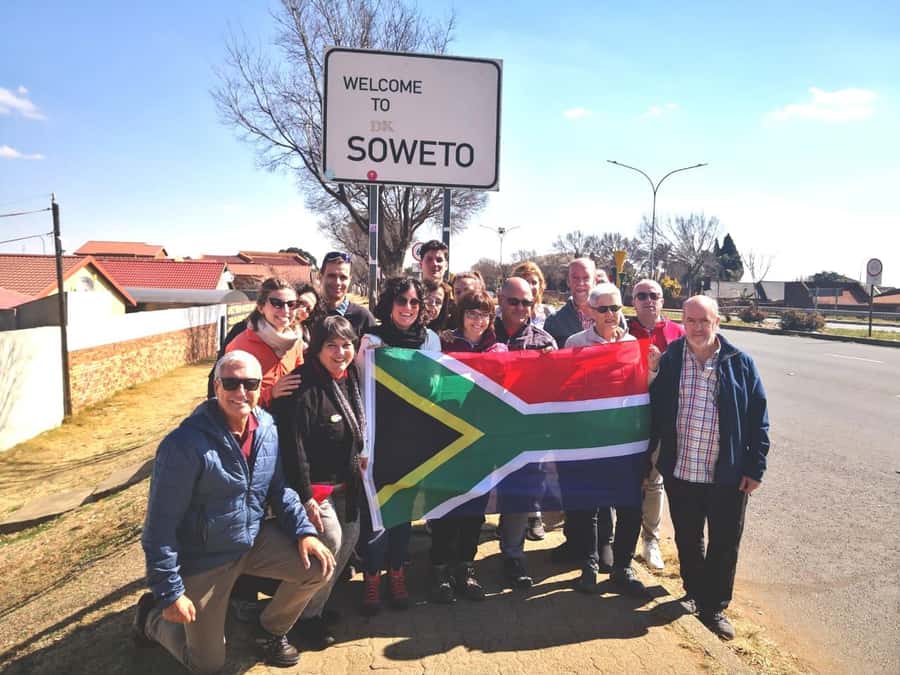
- Soweto Towers panoramas: a quick visual primer before you start walking and learning
- Freedom Square and Kliptown context: see key places tied to the struggle for freedom
- Regina Mundi Cathedral: a major 1970s-era gathering point that still feels powerful
- Mandela family house and Hector Pietersen Memorial: two stops that help you connect dates to people
- Vilakazi Street on foot: a short walk in the footsteps of Mandela and Desmond Tutu’s legacy
- Small group, limit of 7: easier questions, less waiting, more personal guide time
A 4-hour route through Soweto, from Soccer City to Vilakazi Street
This tour is built like a well-planned sprint: you get a range of Soweto experiences without spending the whole day in the car. It starts with big-picture orientation, then shifts into places where the past is tied to specific buildings, memorials, and street corners. By the time you reach Vilakazi Street, the history does not feel abstract. It feels specific.
The route also respects variety. You are not only doing museums and memorials. You are also stopping at everyday spots tied to local movement and food culture, plus a World Cup memory stop at Soccer City from the 2010 event. That mix matters because Soweto is not just a destination for remembrance. It is also a living township with its own rhythm right now.
The tour runs for about 4 hours, and you should expect a guided pace. You will likely spend time inside Mandela House with a guided entry, then move through outdoor stops where photos and short explanations are the main format.
More Township Tours in Johannesburg
- Johannesburg: Hop-On Hop-Off Bus with Optional Soweto Tour
★ 4.6 · 985 reviews - Soweto /Johannesburg and Apartheid Museum Guided Full Day Tour
★ 5.0 · 932 reviews - Johannesburg Hop-On Hop-Off City Tour with Soweto Option
★ 4.5 · 768 reviews
Soweto Towers for quick panoramas and orientation
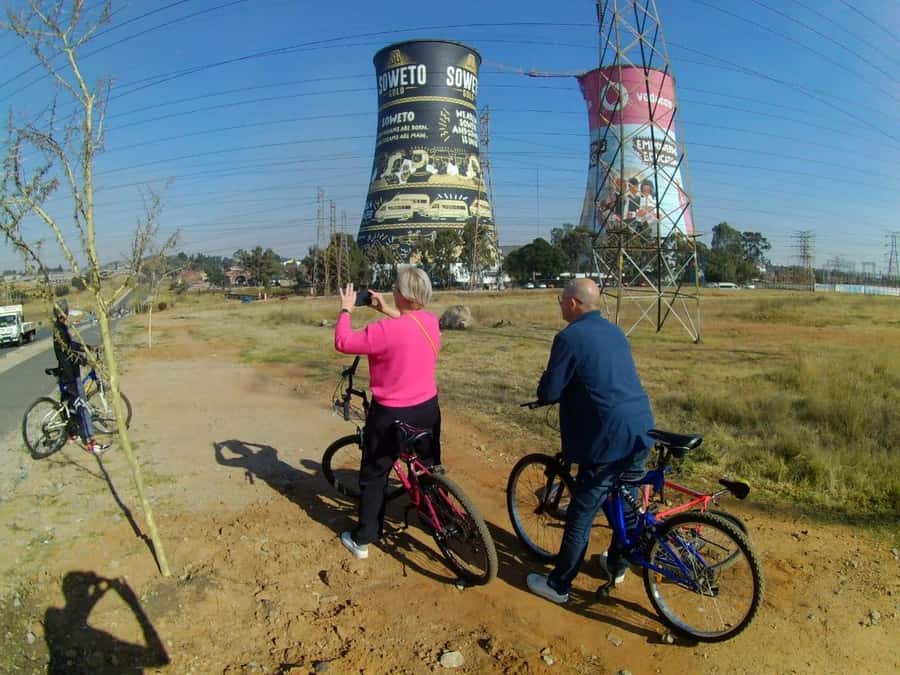
Early on, you reach the Soweto Towers area, which is where the tour gives you a useful foundation. From the viewpoint, you can get a sense of scale and layout, so later stops make more sense. Even if you do not love heights, this is one of those moments that helps you get your bearings fast.
Why I like this as a first major stop: you see the bigger picture first, then you learn the details. Without that, history sites can feel like separate islands. With the panorama, you start to connect them.
Practical tip: this is a great time to take a few wide photos before you start zooming in on memorial plaques and building exteriors. Those early shots will help you remember where you were later.
Soccer City and the 2010 World Cup memory stop
The tour includes a drive via Soccer City, the stadium complex associated with the 2010 World Cup. This is not presented as the main theme of the day, but it works as a cultural anchor. It reminds you that Soweto and Johannesburg do not only appear in news headlines about struggle and protest. They also show up in global moments and modern public life.
What to watch for here is the way your guide links the memory stop to wider change in the country. Even if your interest in football is low, the framing is useful: it helps you see that identity in South Africa is layered, not single-note.
Bara hospital and taxi market culture, where daily life is the lesson
Next comes a stop via the Diepkloof extension area, then toward the Bara hospital and taxi market. This part of the tour can be the most eye-opening, because it feels close to how things actually run. Markets and taxi ranks are not just places to shop or wait. They are social hubs, information channels, and the start of many daily routines.
Your guide keeps it respectful and grounded, and you should too. This is one of those moments where your best souvenir is observation: how people interact, how vendors present food and goods, and how the whole area moves with purpose.
If you are thinking about photos, ask your guide what feels appropriate. You will likely get more from the moment if you treat it like a cultural stop rather than a quick photo hunt.
More apartheid history tours in Johannesburg:
- Jo’berg in 1 Day: Soweto, Apartheid Museum & City Tour
★ 4.8 · 524 reviews - Johannesburg: Full-Day Tour with Soweto and Apartheid Museum
★ 4.8 · 478 reviews - Full-Day Soweto, Apartheid Museum and Lunch Tour
★ 5.0 · 410 reviews - Half Guided Day Tour of Soweto And Apartheid Museum
★ 5.0 · 356 reviews
Freedom Square in Kliptown: the place and the idea behind it
One of the tour highlights is Freedom Square in Kliptown. This is where the day shifts more fully into the story of apartheid resistance and the push for democratic change. Freedom Square matters because it is not just a building. It is a name that signals the goal, and you can feel that in how guides talk about the space.
When you are there, slow down for a minute. Focus on how the area is arranged and where people would gather. Your guide will connect the stop to broader uprisings and community organizing. That context is what turns the location into meaning.
If you tend to skim at memorial stops, give this one a bit more time. It is one of the strongest “you are standing where something mattered” moments in the whole route.
Regina Mundi Cathedral, a game-changing gathering place
Regina Mundi Cathedral is described as game changing, and that is not marketing fluff. It is a place tied to major events and community power. The tour route brings you here after Freedom Square, so the sequence does real work. You go from the open-space symbolism of Freedom Square to the grounded reality of a cathedral that functioned as a key site for organization and communication.
What I think you should pay attention to:
- How your guide explains the cathedral’s role during the 1976 uprisings period
- How places of worship can also become spaces of resistance and community strength
- The way the architecture and atmosphere make the story feel more human
This is also a good moment to ask any lingering question you have. Many people come into the tour with general knowledge about apartheid. Here, you can get the local specifics that make it real.
Morris Isaacson High School and the power behind the uprisings
After Regina Mundi, the route includes a stop via Morris Isaacson High School, mentioned as one of the power houses behind the 1976 uprisings. Even if you do not go inside (the tour information frames it as a stop along the route), the significance is in the framing.
Schools are where young people learned, organized, and raised voices. When your guide points to these places, it helps you understand how movements do not only happen in parliament or in official spaces. They happen in classrooms, youth spaces, and community leadership.
If you like political history, this part will feel especially relevant. If you prefer culture and street life, it still connects, because education and activism shaped the daily lives of families.
Orlando Towers and the visual language of township life
Orlando Towers is included in the route, and like the Soweto Towers stop, it helps you see the area’s scale. Towers are not just viewpoints here. They are landmarks that reflect the geography and density of the township.
This is also a good place for practical photos. Later, when you are looking at memorials and house museums, it helps to have one or two visual anchors that show where everything sits.
Mandela family house museum: turning names into place
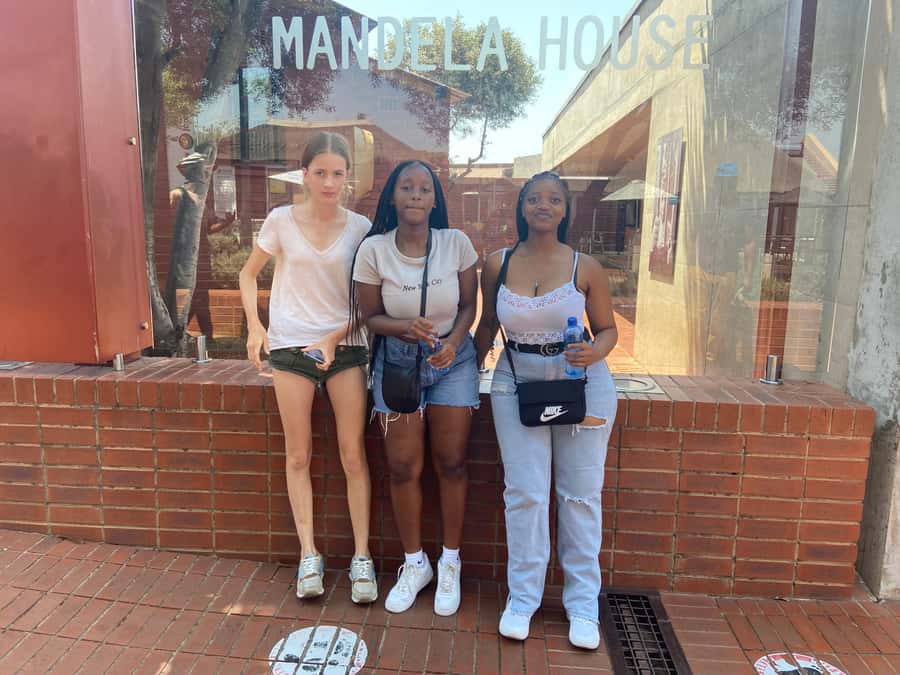
The tour includes entry tickets to Mandela House, with a guided tour. This is one of the core reasons to book. A house museum does something that textbooks cannot: it turns the story into rooms, everyday objects, and lived space.
I like that the tour does not treat Mandela House as a quick stop. The guided entry is included, so you get the chance to understand what you are seeing rather than just reading plaques.
What to do while you are inside:
- Focus on dates and family context, not just photographs
- Notice how guides connect personal life to national change
- Keep an eye out for details your guide brings up, since those are often the points that stick afterward
If you have visited other Mandela-related sites, this one still earns its place because it is set up as a guided house experience, not only a memorial.
Hector Pietersen Memorial: where the story is painfully specific
The tour includes picture time at the Hector Pietersen Memorial. This stop is emotionally direct, and it is one of the places where you will feel the weight of the 1976 uprisings story through a specific person.
Memorials work best when you treat them as a pause, not a checklist. Take a few minutes. Let your guide explain the significance. Then take a photo if you want, but try to balance photography with reading and listening.
This is also where your earlier viewpoint stops pay off. When you understand the layout of the area, and you connect it to dates and key places, the memorial becomes more than a name on a wall.
Vilakazi Street: walking Mandela footsteps and the Bishop Tutu connection
Vilakazi Street is one of the best-known reasons people come to Soweto. This tour includes walking in the Vilakazi precinct along Vilakazi Street and references Mandela’s footsteps, plus the Bishop Tutu connection.
Walking is the point here. It is slower than driving, and it lets your guide point out how the street sits inside the neighborhood. You can also see how daily life continues, with storefronts and people moving through the same spaces where major history unfolded.
What I recommend: do not rush. Even if the walking portion feels short, give yourself a moment to look up and around. Then use your guide’s explanations to connect what you see now with what happened then.
If you care about photography, take one or two photos at key spots and then put your camera away for a few minutes. You will hear more and remember more.
Market culture and local cuisine, what to do with your time
The tour’s description highlights markets and local cuisine. In practice, this is where your guide turns the day from “sites” into “life.” You may not have hours for deep shopping, but you get enough of a taste to understand the food culture and the way markets support everyday movement.
A big value of including market culture is that it counters the idea that Soweto is only for remembrance. You get to experience the normal energy of commerce and food, which helps your overall understanding feel more complete.
Practical approach:
- If you want lunch, the tour keeps it optional on your own account
- If you want a snack, stick to simple items and ask your guide what feels easy
- Bring cash planning and keep it simple, since the tour time is limited
Price and what you actually get for $93
At $93 per person for about 4 hours, the price looks reasonable once you break down what is included. You get transportation, pickup and drop off, and entry tickets to Mandela House with a guided tour. You also get a live English guide and a small group limited to 7 participants, which is a real quality factor when you want questions answered clearly.
Here is the practical value logic:
- Guided entry at Mandela House would cost you extra time and planning on your own
- Transportation saves you from managing multiple stops across Soweto in a short half-day
- A small group means you get more human interaction, not just a rush of photo stops
If you want a sampler course that hits the most important landmarks and also includes market culture, this is priced in a way that makes sense for a half-day format.
The guide matters, and small-group size helps
One theme you should care about is how the tour is guided. This is a live English guide experience, and small group size supports more back-and-forth. In past groups, guides described as local residents were praised for sharing personal history, staying fun and safe, and answering questions with care and tact.
Even if your guide is different, this setup usually translates into better explanations and less time waiting around.
Two more small details that help on a day like this:
- Comfortable shoes are a must, because you will be walking and standing in several places
- High-heeled shoes are not allowed, which tells you to plan for mobility rather than fashion
Timing, pickup, and how to avoid stress
The tour includes hotel pickup and drop off. You should plan to be ready in the lobby at least ten minutes before the scheduled pickup time. If you are staying in a private home, you will want to position yourself so you can clearly see the vehicle arriving.
Because the tour is only 4 hours, the key to enjoying it is being punctual. If you are late, your guide and driver likely have to adjust time for the rest of the route.
Also note that the tour is wheelchair accessible. That said, you will still be spending time on foot at certain stops, so bring realistic expectations about comfortable movement.
Who should book this Soweto, Mandela House, and Vilakazi Street tour?
This is a strong match if you:
- Want a half-day that covers major Soweto landmarks without planning four separate outings
- Prefer a guided route where someone connects the dots between places and events
- Like a blend of history and everyday township culture, including markets and local food
It may feel less ideal if you:
- Hate a structured itinerary and prefer to roam freely for hours
- Need long breaks at each stop, because the format is paced for coverage
Should you book this tour? A practical verdict
I’d book it if you want an efficient, guided way to see the landmarks that people associate with Soweto, including Mandela House, Freedom Square, Regina Mundi Cathedral, and the Hector Pietersen Memorial, plus a walk on Vilakazi Street. The $93 price feels fair because transportation and Mandela House entry with a guided tour are built in.
If you are the type who likes context and you appreciate small-group attention, this format is a good fit. Just show up with comfortable shoes, keep your questions ready, and expect a concentrated day that gives you real orientation fast.
FAQ
How long is the Soweto tour?
The tour lasts 4 hours.
How much does the tour cost?
The price is $93 per person.
What does the tour include?
It includes entry tickets to Mandela House with a guided tour, transportation, and hotel pickup and drop off.
Is lunch included?
Lunch is optional and is not included. You can buy it on your own account.
What is the tour language?
The live tour guide provides the tour in English.
What group size should I expect?
The group is small, limited to 7 participants.
Is the tour wheelchair accessible?
Yes, the tour is wheelchair accessible.
What should I bring?
Wear comfortable shoes.
Are high heels allowed?
No. High-heeled shoes are not allowed.
What is the cancellation policy and can I pay later?
You can cancel up to 24 hours in advance for a full refund. You can also reserve now and pay later.
More Markets in Johannesburg
- Steam Train to Elgin Railway Market
★ 5.0 · 375 reviews
Newest around Johannesburg
- Soweto Tuk-Tuk Food & Beer Tour★ 5.0 · 9 reviews
- Soweto Township Tour★ 4.4 · 4 reviews
- Private Soweto,Mandela House,Apartheid Museum,Constitution★ 4.6 · 15 reviews
- Soweto: Sip & Paint Walking Tour & Take Home a Canvas★ 4.8 · 7 reviews
- Soweto: Hector Pieterson Memorial, to Orlando Towers Tour★ 4.0 · 31 reviews
- Soweto & Johannesburg and Apartheid Museum★ 4.7 · 41 reviews
- Soweto and apartheid museum tour(Half-day)★ 5.0 · 4 reviews
- Soweto and Apartheid Museum day Tour★ 4.2 · 3 reviews
Apartheid History Tours, compared.
Soweto /Johannesburg and Apartheid Museum Guided Full Day Tour
Read our review →
Jo’berg in 1 Day: Soweto, Apartheid Museum & City Tour
Read our review →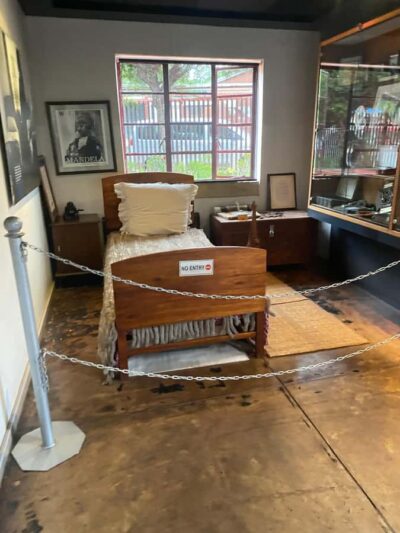
Full-Day Tour with Soweto and Apartheid Museum
Read our review →
Full-Day Soweto, Apartheid Museum and Lunch Tour
Read our review →
Half Guided Day Tour of Soweto And Apartheid Museum
Read our review →
Ultimate Johannesburg Soweto Experience with Apartheid Museum
Read our review →
Hop-On Hop-Off Bus, City Tour and Apartheid Museum
Read our review →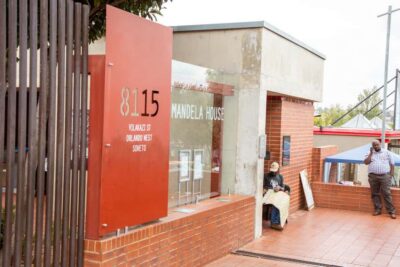
Johannesburg and Soweto Apartheid Full Day Tour w/Lunch
Read our review →Browse the lists this tour appears in