
Reviewed · BO-KAAP & CAPE MALAY TOURS
Bo-Kaap: Walk with a local
Follow the colors, then hear the hard story. This one-hour walk through Bo-Kaap in Cape Town, also called the Malay Quarter, is led by a local guide with deep family ties to the community. You get more than photos, you get context that turns the colorful streets into something you understand.
I love the visit to Auwal Mosque, described as one of the oldest mosques in South Africa, plus the included cup of rooibos tea or coffee and a tasty snack. I also love the focus on small, specific stops, like Atlas Trading Company, where you smell the spices behind Cape Malay cooking.
One consideration: this is a walking tour with hills and some uneven ground, so wear comfy, grippy shoes and plan for short stretches of uphill effort.
In This Review
- Key highlights you will actually feel on this walk
- Cape Town’s Bo-Kaap looks like art, but it reads like a story
- Meeting at 71 Wale Street, then walking a tight one-hour route
- Bo-Kaap at the foot of Signal Hill: the Malay Quarter in plain language
- Wale Street orientation: why Cape Town history shows up in this neighborhood
- Auwal Mosque: the Cape’s oldest faith landmark in a street-level visit
- Atlas Trading Company: the spice shop stop that turns smells into history
- Rooibos tea or coffee and a snack: the small pause that makes it enjoyable
- Photo-friendly streets: how to get the shots without rushing people or traffic
- Price and value: what $25.31 gets you in real terms
- Practical tips before you go: shoes, slopes, and staying comfortable
- Who this Bo-Kaap walk suits best, and who might want a different plan
- Should you book Bo-Kaap: Walk with a Local?
- FAQ
- How long is the Bo-Kaap walk?
- Where does the tour meet?
- What is included in the tour?
- Is there a group size limit?
- Is admission included for the stops?
- What should I wear or bring?
- Is the tour near public transportation?
- Does the experience require good weather?
- What is the cancellation window?
Key highlights you will actually feel on this walk
- Local resident guide who shares personal, family-rooted stories from inside Bo-Kaap
- Auwal Mosque visit to one of the oldest mosques in South Africa
- Rooibos tea or coffee plus a snack included, so you are not walking on empty
- Atlas Trading Company spice stop where aromas connect directly to Cape Malay cooking
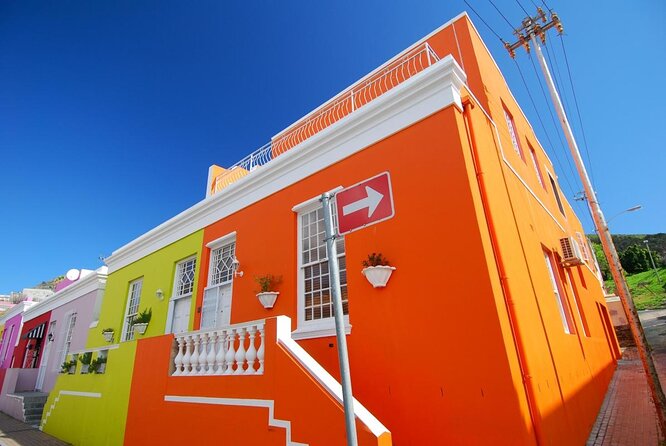
- Photo-focused street time in one of South Africa’s most photographed areas
- Small group size (up to 20) so it stays conversational, not chaotic
Cape Town’s Bo-Kaap looks like art, but it reads like a story
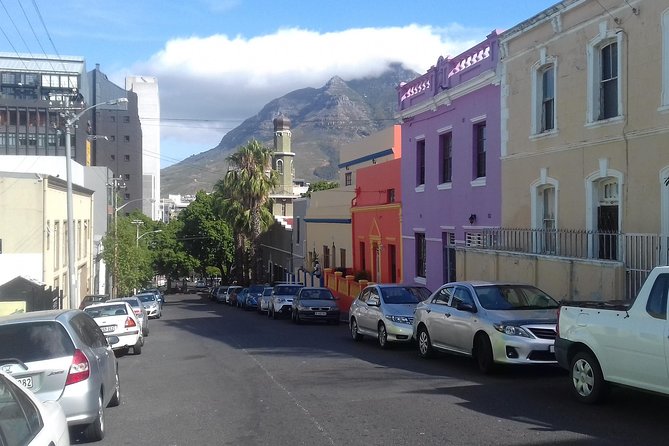
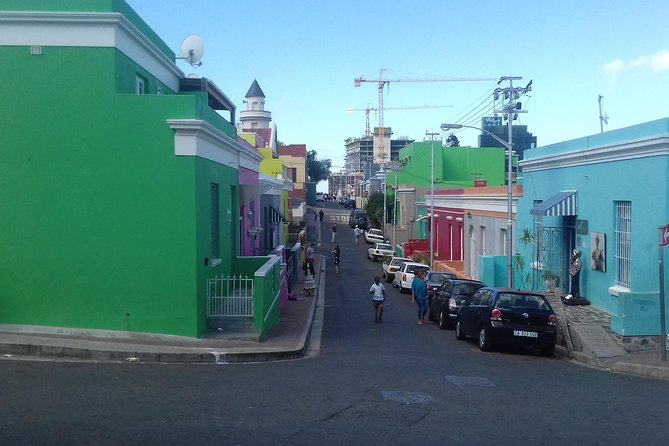
Bo-Kaap is the kind of place you notice before you understand it. At the foot of Signal Hill, those painted houses and bright streets can look like pure sightseeing at first glance. But this walk is built to connect the visuals with the people who shaped the neighborhood.
The heart of the experience is a guide who lives in Bo-Kaap and shares personal stories. In many cases, guides are descendants connected to the enslaved community brought to the area when early Dutch settlers arrived. That personal connection matters because it changes the tone, you are hearing lived experience, not just facts from a board.
And yes, the neighborhood is photogenic, with one of South Africa’s most photographed streets on the route. But your goal here is not just to take pictures, it is to understand why the colors, the buildings, and the shops exist the way they do.
More Walking Tours in Cape Town
- Cape Town: Nathi Langa Township Walking Tour
★ 4.9 · 493 reviews - Cape Town: Art, Culture & History Walking Tour
★ 4.9 · 392 reviews - Cape Town: Street Art Walking Tour in Woodstock
★ 4.8 · 293 reviews
Meeting at 71 Wale Street, then walking a tight one-hour route
You start at 71 Wale St, in the Schotsche Kloof area of Cape Town. The tour ends back at the same point, which makes it easier to slot into your day since you are not planning a complicated second transportation step.
The walk lasts about one hour, and the route is designed as a series of short stops rather than a long slog. Expect time for orientation, a neighborhood walk, and a few key destination moments, not a rushing marathon.
There is also a small-group cap of 20 travelers. That limit is a real quality factor here because your guide can slow down for questions. You are also less likely to get separated, which helps when you are navigating lanes, corners, and slopes.
If you like a plan that feels structured but still human, this one fits. It is the right length for first-timers who want a strong introduction without burning half a day.
Bo-Kaap at the foot of Signal Hill: the Malay Quarter in plain language
The first real stop puts you right into the character of Bo-Kaap. It is a quaint, colorful suburb tucked at the base of Signal Hill within Cape Town’s City Bowl area. You also learn that the neighborhood has deep roots in slavery and forced displacement, and it is widely known as the birthplace of Islam in the Cape.
This is where the tour’s story starts to click. Enslaved people, artisans, and political exiles were brought to Bo-Kaap from multiple regions, including Africa, India, Sri Lanka, Indonesia, and Malaysia. When your guide explains that, the spice shops and religious landmarks start making sense as parts of a larger cultural mix.
A big advantage of a guided walk here is pacing. The streets are easy to wander, but it is hard to know what you are looking at without someone putting the pieces together. You also get direction on what to notice on the next stretch, like how the built environment reflects community life.
If you are only visiting for pictures, you may miss the point. If you want to understand how Cape Town absorbed and reshaped people and traditions, this stop is worth your time.
Wale Street orientation: why Cape Town history shows up in this neighborhood
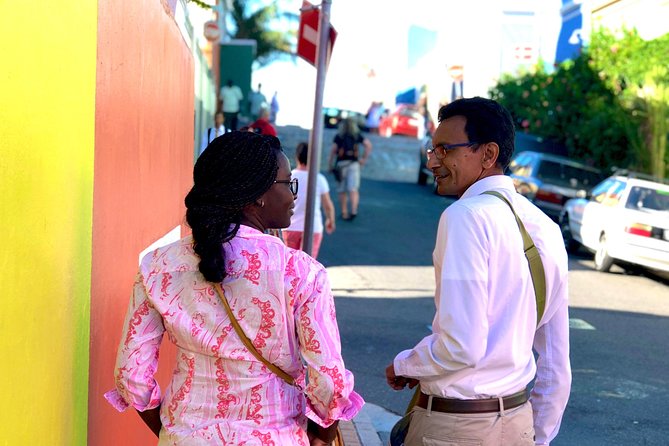
After you get your bearings in Bo-Kaap, you meet and begin an introduction connected to the area. The tour includes an orientation at Wale Street, starting at 71 Wale Street before you move through the neighborhood.
This part is not just reciting dates. It is presented as an overview of how Cape Town history connects to Bo-Kaap specifically. That matters because Bo-Kaap did not develop in a vacuum. It is part of the larger Cape story, shaped by settlement patterns, religion, and the social pressures that followed enslaved communities.
You will likely see why this neighborhood is so photogenic in the first place. Certain stretches are especially good for photos, and your guide will help you spot the right corners and viewpoints.
I like the fact that the guide keeps this section practical and question-friendly. If you have questions about anything from the name Bo-Kaap to what daily life looks like now, this is the moment to ask while the tour is still fresh.
More Bo-Kaap and Cape Malay tours:
- Cape Town: Malay Cooking Class and Lunch in Bo-Kaap
★ 4.8 · 515 reviews - Cape Town Walking Tour: Bo-Kaap & City Highlights
★ 4.8 · 161 reviews - Cape Town: Cape Malay Cooking Class in Bo-Kaap
★ 4.8 · 120 reviews - 1 Hour Cape Town Bo Kaap Photoshoot Experience
★ 5.0 · 61 reviews
Auwal Mosque: the Cape’s oldest faith landmark in a street-level visit
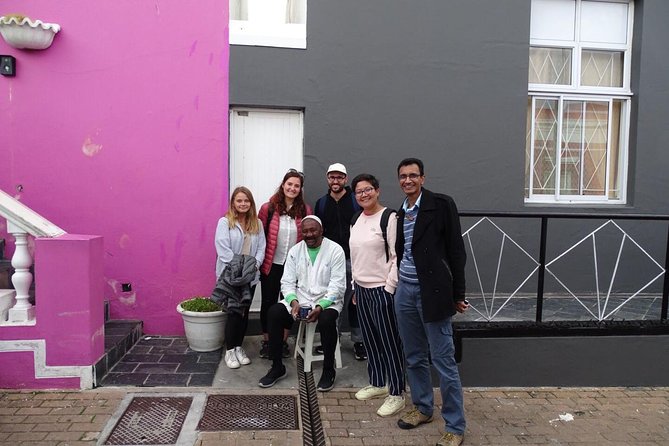
One of the standout features is a stop at Auwal Mosque, one of the oldest mosques in South Africa. Seeing it with a local guide adds context that you would not pick up just by walking past.
Why does that matter? Because religious buildings can look like backdrops to a photo. Here, the guide connects the mosque to the neighborhood’s identity, including the way Bo-Kaap is associated with the birthplace of Islam in the Cape. You are not only observing architecture, you are learning what the place represents for the community.
This stop also helps balance the tour. Bo-Kaap is colorful on the surface, but the story is serious underneath. The mosque visit gives the walk an anchor that feels respectful and real.
Timing-wise, the tour is only about an hour total. So the visit to Auwal Mosque functions as a focused highlight rather than a long museum stop. You leave with a sense of place, not fatigue.
Atlas Trading Company: the spice shop stop that turns smells into history
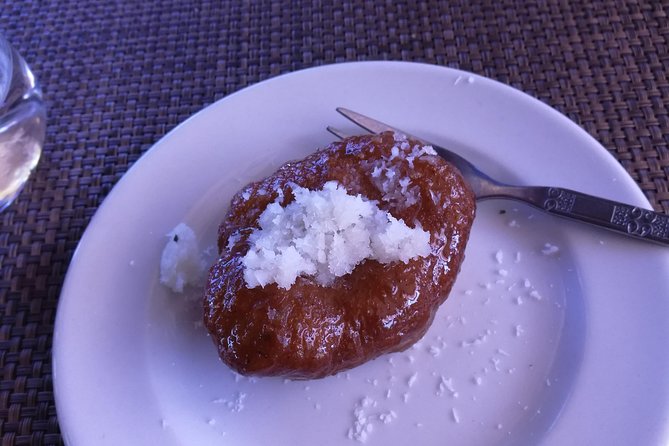
Next up is Atlas Trading Company, a famed spice shop. This is where the tour shifts from streets and stories into the sensory world of Cape Malay cooking.
You are encouraged to smell the spices, and the guide links those aromas to flavors used in everyday Cape Malay dishes. The tour also explains that some spices carry a history tied to slavery, including the idea that spices were part of what enslaved people used in the context of their masters’ kitchens.
That connection is powerful because it helps you understand food as history you can actually taste. Even if you do not eat a full meal on the walk, you get a clear flavor map for what to look for later in Cape Town.
This is also a nice break for your legs. Short stop, focused attention, then you are back into the street again. If you are the type who remembers best through senses, this stop will stick.
Rooibos tea or coffee and a snack: the small pause that makes it enjoyable
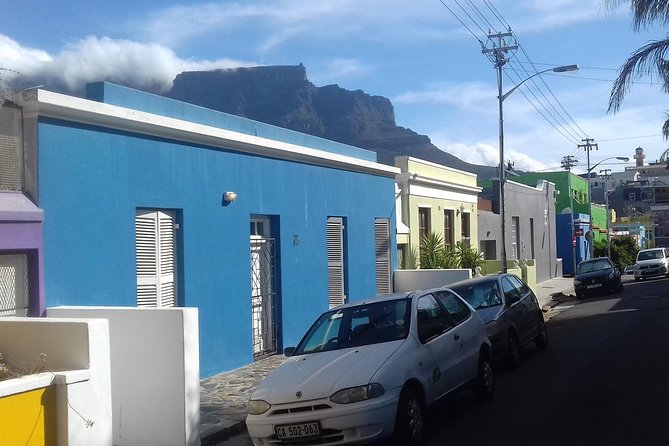
A great detail of this tour is that hydration and snacking are included. You get a cup of rooibos tea or coffee, plus a tasty snack. This matters more than it sounds, especially with hills and stop-and-start walking.
Rooibos is a classic South African drink, and having it during the walk creates a simple rhythm. It is not a separate restaurant detour, it is part of how the guide keeps the group comfortable.
The snack is described as tasty, and some guides have served local treats like koesisters. Expect something sweet and Cape Malay-flavored, enough to keep your energy steady without turning the tour into a full food experience.
Also, this pause is a natural moment to ask questions. Most guides use the break to answer curiosities, clarify what you just heard, and help you connect the neighborhood dots.
Photo-friendly streets: how to get the shots without rushing people or traffic
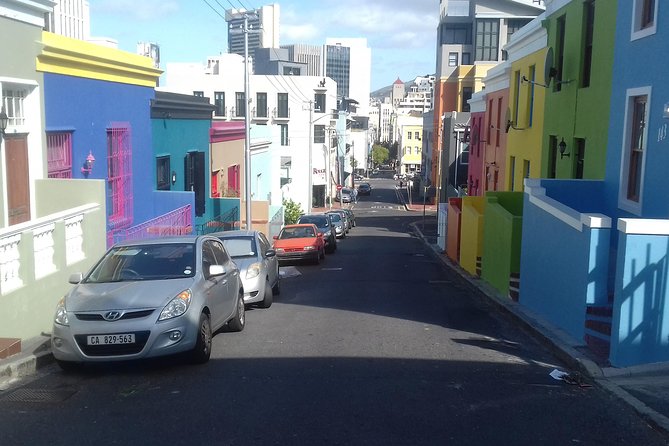
Bo-Kaap earns its reputation for photography. You see one of South Africa’s most photographed streets, and the color makes it easy to get striking images quickly.
But this tour is not designed to make you sprint from one angle to the next. With a small group and short stops, you can take pictures without blocking sidewalks or getting tangled in foot traffic.
Practical tip: keep your camera ready when your guide points out corners and viewpoints. If you wait until you think a shot is good, you will often miss the best moment of framing.
And remember, the guide is also sharing story beats. If you are focused only on photos, you might miss the meaning. The best photos come when you understand what you are photographing.
If you want a street you can both see and interpret, this is that kind of stop.
Price and value: what $25.31 gets you in real terms
The price is $25.31 per person, and the tour runs about one hour with a maximum group size of 20. For that length, you get multiple major elements packed together: a neighborhood walk, a visit to Auwal Mosque, and a spice shop stop at Atlas Trading Company, plus hydration and a snack.
You also get admission listed as free for the stops noted in the route. That means you are not paying extra entry fees on top of the tour ticket for the core sights.
Is it worth it? If you are the kind of traveler who hates stand-alone walking tours that only show colors, yes. The guide’s personal context is the main value driver here. It is not a huge ticket item for what you learn, and it is short enough to fit into a busy Cape Town itinerary.
If you are looking for a long, detailed museum-style experience, you might find the pace too quick. But for an introduction that gives you both visuals and meaning, the value is strong.
Practical tips before you go: shoes, slopes, and staying comfortable
Wear comfortable shoes. Even if you are not an athlete, you will be walking. The area includes hills, and parts of the ground can be uneven, so grippy soles help.
One thing I appreciate about this kind of tour is that it tends to feel safe with a local guide guiding you through streets. Still, keep your head up. In any popular neighborhood, you may encounter people who ask for money, including panhandling. The guide’s presence helps, but it is smart to stay alert.
Dress for real walking conditions. Cape Town weather can change quickly, and groups have mentioned cooler, overcast conditions in early October. A light layer is a simple hedge against that.
Finally, think about timing. The tour is near public transportation, and meeting at Wale Street is easy to reach. If you are using ride-share, plan your drop-off and pick-up at the start point so you do not waste time.
Who this Bo-Kaap walk suits best, and who might want a different plan
This walk is ideal if you want a fast, meaningful introduction to Bo-Kaap. It is a good fit for first-time visitors who want to understand slavery, Islam in the Cape, and Cape Malay culture through everyday places.
It is also a smart choice if you love food and senses. The spice shop stop connects smell to cooking, and the rooibos plus snack keeps the experience comfortable.
You might choose a different tour if you want a long deep-dive, or if hills and uneven ground are a problem for you. Also, if you want only wide open sightseeing from a vehicle, this is a walking experience, full stop.
Should you book Bo-Kaap: Walk with a Local?
I would book it if you want the real reason Bo-Kaap is famous. The combination of a local resident guide, a visit to Auwal Mosque, and a spice stop at Atlas Trading Company gives you a coherent story in just about an hour. Add rooibos tea or coffee and a snack, and you get a tour that feels worth the time even when your schedule is tight.
Skip it only if you are worried about walking slopes or you prefer pure sightseeing with minimal context. Otherwise, this is one of those small-group tours that turns Cape Town from a postcard city into a place with voices you can picture.
FAQ
How long is the Bo-Kaap walk?
It runs for about 1 hour.
Where does the tour meet?
The meeting point is 71 Wale Street, Schotsche Kloof, Cape Town, 8001, South Africa.
What is included in the tour?
You get a guided walk with stops including Bo-Kaap, one of the oldest mosques in South Africa (Auwal Mosque), and a stop at the spice shop Atlas Trading Company. Rooibos tea or coffee and a snack are included as well.
Is there a group size limit?
Yes. The tour has a maximum of 20 travelers.
Is admission included for the stops?
The itinerary notes free admission tickets for the stops listed.
What should I wear or bring?
Wear comfortable shoes. The route includes hills, and the walking is part of the experience.
Is the tour near public transportation?
Yes, the tour is near public transportation.
Does the experience require good weather?
Yes. It requires good weather, and if it is canceled due to poor weather you will be offered another date or a full refund.
What is the cancellation window?
Free cancellation is available up to 24 hours in advance for a full refund. Cut-off times are based on local time.
Newest around Cape Town
- Private E-Bike Cape Town MTB Trails with a Pro★ 5.0 · 3 reviews
- Taste of Cape Town – food and city tour★ 5.0 · 46 reviews
- Skip the Line: District Six Museum Admission Ticket★ 4.0 · 6 reviews
- E-Bike Cape Peninsula tour★ 5.0 · 7 reviews
- 1-3 Passenger Private Arrival & Departure Cape Town – Airport Transfers★ 4.5 · 17 reviews
- Private Cycling Tour of Constantia Winelands★ 4.5 · 10 reviews
- Private Tour To Stellenbosch Franschoek Wineries from Cape Town Price Per Group★ 5.0 · 4 reviews
- Catamaran Cruise and Sushi Experience in Cape Town★ 4.0 · 6 reviews
Bo-Kaap & Cape Malay Tours, compared.

Cape Town Walking Tour: Bo-Kaap & City Highlights
Read our review →


Cape Town Township Tour Including Langa Township and Bo-Kaap
Read our review →
Full-Day Kirstenbosch, Bo-Kaap, and Penguins Tour
Read our review →Browse the lists this tour appears in