
Reviewed · BO-KAAP & CAPE MALAY TOURS
Cape Town: Malay Cooking Class and Lunch in Bo-Kaap
Colorful Bo-Kaap meets a real-home kitchen. This Cape Town Malay cooking class puts you in Faldela’s home to learn Cape Malay dishes, then eat lunch made by your hands.
I love the hands-on style, where you actually make the food, even if you have zero cooking experience. I also love the spice focus, especially how turmeric, ginger, fennel, star anise, and tamarind show up in real recipes.
One consideration: you’re in a private home setting, so expect close, friendly group interaction and plan your own way to the meeting point.
In This Review
- Quick Hits Before You Go
- Entering Bo-Kaap with a Cooking Class Mindset
- Meeting Point at 109 Wale St, Then Straight into the Bo-Kaap Home Kitchen
- Cape Malay Cuisine: Why This Food Blends So Many Worlds
- The Cooking Part: Curries, Roasts, and Sauce-Making Skills
- Bo-Kaap Color Stops: Photos, Streets, and Getting Your Bearings
- Lunch: Eating the Food You Made in a Local Home
- What You Learn to Recreate: Recipes and Spice Wisdom
- Price and Value: Is $49 Worth It for 150 Minutes?
- Who This Class Fits Best in Your Cape Town Plan
- Should You Book the Cape Town Malay Cooking Class in Bo-Kaap?
- FAQ
- Where is the meeting point for the class?
- How long does the cooking class and lunch last?
- What is included in the price?
- Are alcoholic drinks included?
- Is the tour conducted in English?
- Is this experience wheelchair accessible?
- Are pets allowed?
- Can I cancel and get a refund?
Quick Hits Before You Go
- Private-home teaching in Bo-Kaap, not a demo kitchen
- Cape Malay spice lessons you can use at home (turmeric, tamarind, star anise)
- You eat what you cook, with soft drinks included
- Bo-Kaap color stops for photos among the houses near Signal Hill
- Recipes shared after the class, so you can recreate the meal later
Entering Bo-Kaap with a Cooking Class Mindset
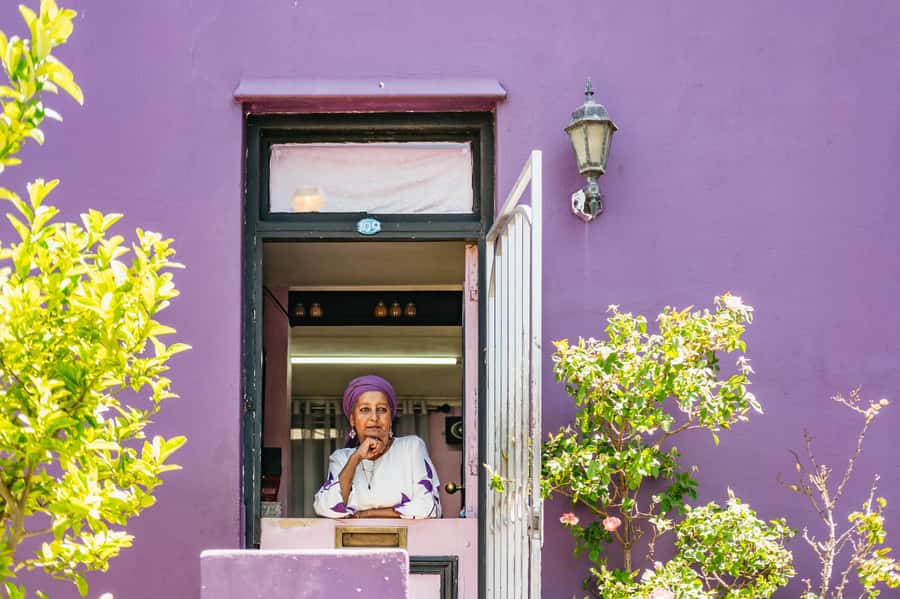
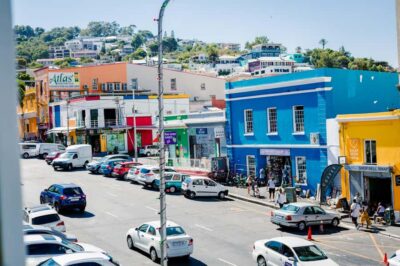
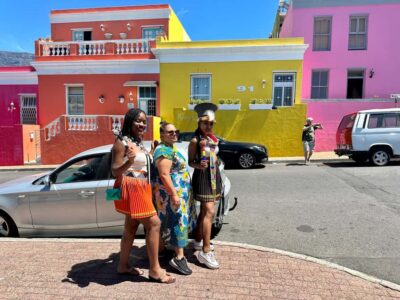
Bo-Kaap is the kind of neighborhood you notice fast. The houses are painted hot pink, burnt orange, and other bright colors as they climb the lower slopes of Signal Hill, with Table Mountain looming in the background. Walking in first helps you get why Cape Malay food tastes the way it does. It is not just a menu. It is identity, family, and tradition.
This class works because it treats cooking like a conversation. You are not watching someone perform. You are chopping, mixing, tasting, and asking questions as you go. That is what makes it a fun choice for couples, solo travelers, and groups who want more than a standard meal out.
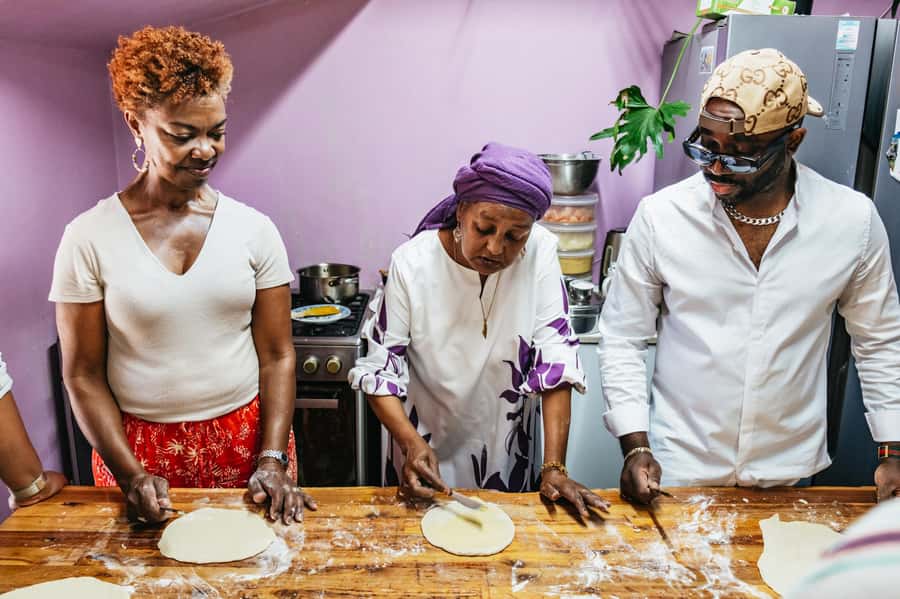
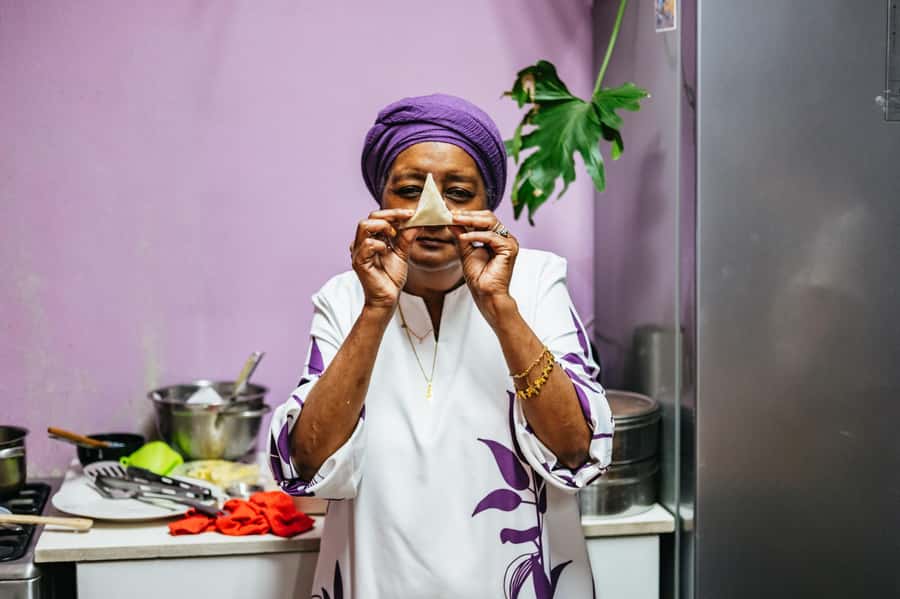
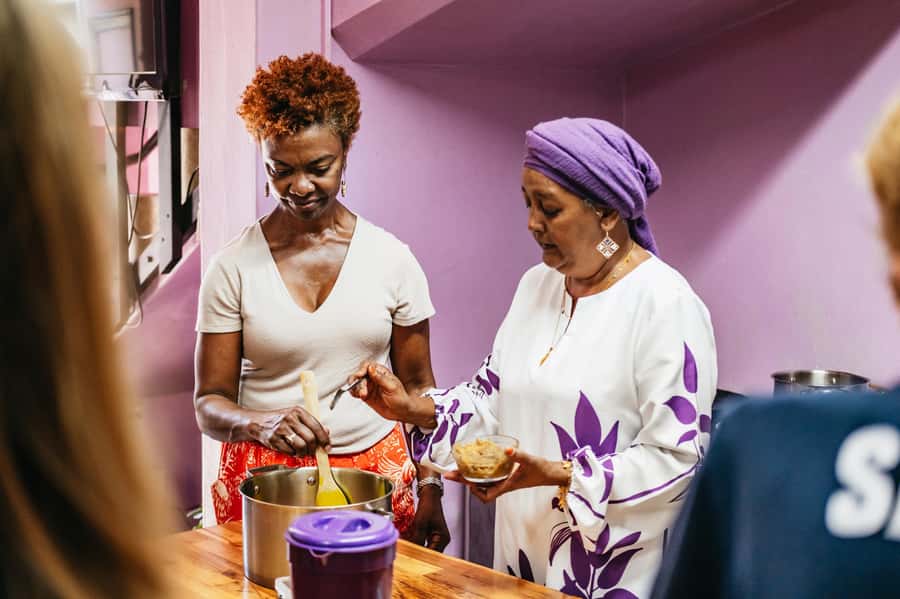
The host, Faldela, is a big part of the experience. Several people highlight her humor and the warm, family-like welcome. That matters, because a home kitchen can be intimidating if you feel like you are in the way. Here, the tone is relaxed and you are guided step by step.
More Bo-Kaap and Cape Malay tours:
- Cape Town Walking Tour: Bo-Kaap & City Highlights
★ 4.8 · 161 reviews - Bo-Kaap: Walk with a local
★ 5.0 · 131 reviews - Cape Town: Cape Malay Cooking Class in Bo-Kaap
★ 4.8 · 120 reviews
Meeting Point at 109 Wale St, Then Straight into the Bo-Kaap Home Kitchen
You start at 109 Wale St in Schotsche Kloof. It is the simple anchor point for your afternoon, and it helps you find the experience quickly before you head into Bo-Kaap.
From there, the focus becomes hands-on cooking in a local home. That is a key difference from a cooking class in a hotel or restaurant kitchen. In a home, you feel the rhythms. People move with less formality. Tools are familiar. You get practical instruction, like how to judge a spice mixture by smell and how to build flavor through timing.
Transportation is not included, so you should plan your own ride or walk timing. If you are pairing this with other things in Cape Town, give yourself a little buffer for the neighborhood streets and parking reality.
Cape Malay Cuisine: Why This Food Blends So Many Worlds
Cape Malay cuisine is shaped by movement and mixing. The course frames it clearly as a fusion of African traditions with Malay and Indonesian influences, brought by enslaved people transported by the Dutch in the 17th and 18th centuries. The result is food that feels both comforting and complex.
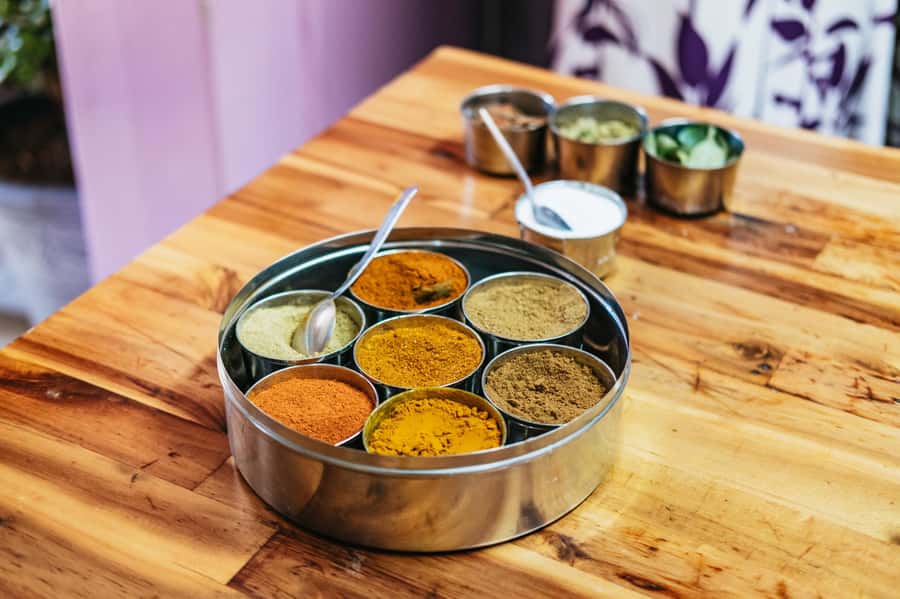
You will hear how the dishes use spices not just for heat, but for aroma and depth. Turmeric is called out as especially important for that signature character. Fennel and star anise bring an almost sweet, warm note that makes curries feel layered rather than one-dimensional. Ginger adds sharpness and lift. Tamarind brings tang, so sauces do not taste flat.
This is one reason the class feels more valuable than a typical food tour. You are not only learning recipes. You are learning how the flavor logic works. Afterward, you can recognize the role each spice plays, even when you cook from memory.
The Cooking Part: Curries, Roasts, and Sauce-Making Skills
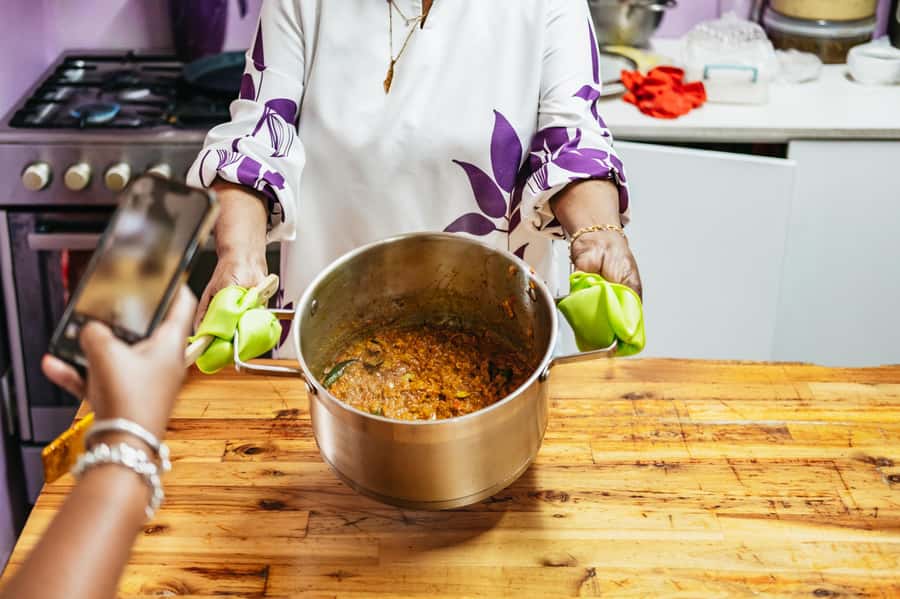
Expect a guided session that is interactive from the start. The class is set up around Cape Malay dishes that may include stews, roasts, and sauce-heavy curries. In plain terms, you are learning how to build a meal where the sauce is the center of the plate.
The course also teaches key techniques that show up across multiple dishes. You might work with spice combinations and fat, then layer liquids to create a sauce that clings to food instead of pooling. You might learn how to handle spice strength, since the same spices can taste different depending on how they are toasted, mixed, or timed.
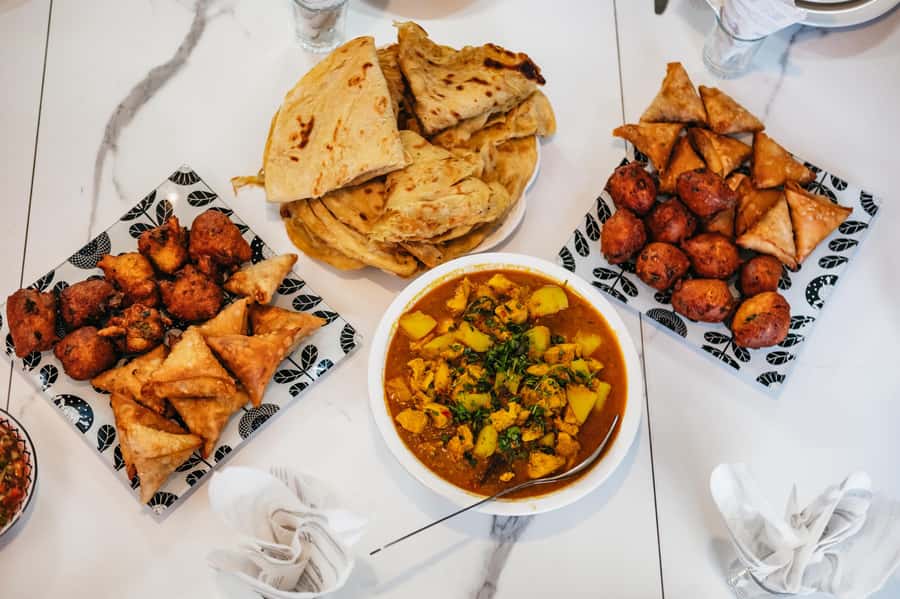
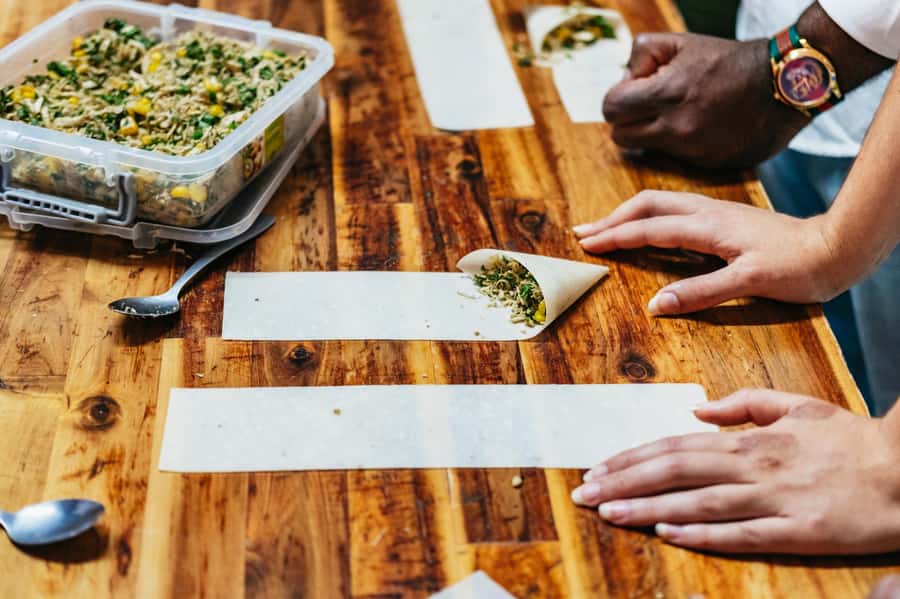
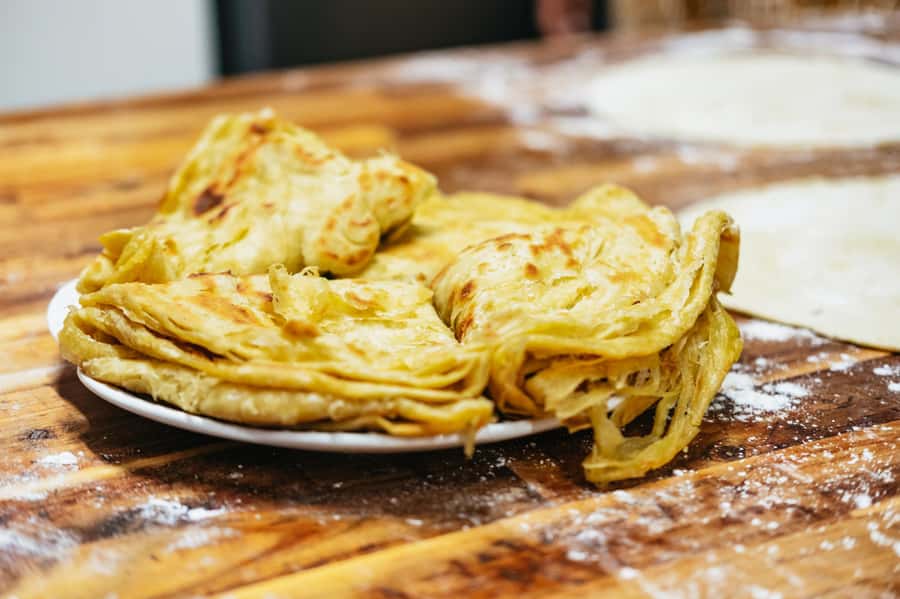
Several people mention making dishes like curry along with breads and small bites. Rotis and samosas show up in the experience, which makes the class useful if you like meals with texture. Rotis give you that tear-and-dip rhythm. Samosas add crunch and a satisfying bite.
If you are worried you will be stuck doing only one small task, you probably will not be. Many reviews stress that everyone gets involved, not just one or two people at the cutting board. The host keeps the flow friendly, with a light, funny vibe that helps you stay relaxed while you learn.
A few more Cape Town trips worth comparing
- Authentic African Cuisine Cooking Experience
★ 5.0 · 236 reviews - Cape Town: Bo-Kapp Walking Tour and Malay Cooking Class
★ 4.7 · 105 reviews - Cape Town: Authentic African Cuisine Cooking Experience
★ 4.9 · 31 reviews - Half-Day Small Group Cooking Experience in Franschhoek
★ 5.0 · 74 reviews
Bo-Kaap Color Stops: Photos, Streets, and Getting Your Bearings
Half the fun of Bo-Kaap is seeing it up close, and the class builds in a neighborhood moment. You explore the area and you get a photo stop among the colorful houses. It is tied to the reality of where the food culture lives.
This matters even if you think you know Cape Town already. You learn that the neighborhood is not a backdrop. It is part of the story. When you taste a Cape Malay curry later, you are tasting it in the same community context where families still share meals and recipes.
Also, the setting near Signal Hill helps you understand the geography of the area. Those slopes and views shape daily life here. They also create the visual energy that makes Bo-Kaap so memorable.
Lunch: Eating the Food You Made in a Local Home
When you sit down for lunch, it is not a quick plate-and-go. You eat the results of your work, and that changes how you taste everything. You notice what you adjusted. You recognize the balance between spice aroma and sauce tang.
Soft drinks are included, and alcoholic drinks are not included. The focus is on the meal itself, not turning it into a party. That is a good thing, especially if you want to keep attention on what you learned.
I like meals that end with a clear payoff. Here, the payoff is real. You leave not just full, but with an understanding of how the dishes come together. It feels more like finishing a project than buying dinner.
What You Learn to Recreate: Recipes and Spice Wisdom
A huge selling point is that people consistently report receiving recipes after the class. That is what turns the experience into something you can repeat, not just remember.
You also pick up practical spice knowledge. One review notes that health benefits of spices were shared, which gives the lesson extra depth beyond flavor alone. Even if you do not care about medicinal angles, you will care about the sensory details. Tamarind acidity and turmeric aroma are not abstract concepts once you smell and taste them in context.
You will also likely learn how spices behave in a sauce. For example, the goal is usually a flavor that feels warm and rounded, not harsh and separate. That is a technique lesson disguised as a cooking lesson.
If you cook at home, you will appreciate that this is not only about one dish. The way spices are combined and used tends to carry across multiple recipes. That makes your next curry night easier.
Price and Value: Is $49 Worth It for 150 Minutes?
At $49 per person for a 150-minute session, this is strong value if your definition of value includes more than food.
You get:
- The cooking class itself
- Ingredients and equipment
- A chef instructor
- Lunch with what you made
- Soft drinks
Think about the cost of just lunch in Cape Town. Then add the price of a cooking lesson, plus the guidance from someone living the food culture day to day. When you lay it out like that, $49 stops feeling like a bargain and starts feeling like a fair exchange for real instruction and a real meal.
This class also saves you money in a sneaky way: you are not paying for fancy dining. You are paying for learning and ingredients that turn into food. You finish full, and you have recipes to cook again later.
Who This Class Fits Best in Your Cape Town Plan
This is a great fit if you want an authentic, local-home experience without needing to be a confident cook. Multiple reviews call out that it works even for beginners. The vibe is interactive, so you are not stuck as an observer.
It is also a good match if you like cultural context. The class explains Cape Malay cuisine as a blend shaped by history, then immediately connects that story to the spices and flavors you are cooking with today.
A small group home setup can be less ideal if you want quiet or lots of space. If you prefer a hands-off tasting tour, you might find the cooking pace a bit more active than you like. But if you are the type who enjoys learning by doing, you will probably love it.
Also, check your needs around alcohol. Alcoholic drinks are not included, and alcohol and drugs are not allowed. If your idea of a fun meal includes wine or beer, you will need to plan another stop for that.
Should You Book the Cape Town Malay Cooking Class in Bo-Kaap?
I think you should book it if you want a Cape Town activity that feels personal, practical, and tied to a real neighborhood. The combo of home-kitchen instruction, spice-focused learning, and lunch you cook yourself is a rare mix in city sightseeing.
Book it especially if you care about taking something useful home. Recipes shared after the class, plus spice techniques explained clearly, make this more than an afternoon event.
Hold off if you dislike close group settings or you want a more purely sightseeing-heavy day. Since transportation is not included, also make sure you can comfortably get to 109 Wale St and back without stress.
If you want one “worth it” cultural experience in Cape Town that is different from another restaurant meal, this is a strong choice.
FAQ
Where is the meeting point for the class?
You meet at 109 Wale St, Schotsche Kloof, Cape Town.
How long does the cooking class and lunch last?
The experience lasts about 150 minutes.
What is included in the price?
It includes the cooking class, ingredients, equipment, chef instructor, lunch, and soft drinks.
Are alcoholic drinks included?
No. Alcoholic drinks are not included.
Is the tour conducted in English?
Yes, the live tour guide is English.
Is this experience wheelchair accessible?
Yes, it is wheelchair accessible.
Are pets allowed?
No, pets are not allowed.
Can I cancel and get a refund?
Yes. Free cancellation is available up to 24 hours in advance for a full refund.
More Workshops in Cape Town
- Private Surf Lesson
★ 5.0 · 53 reviews - Private Surf Lesson in Cape Town – Transport & Photos Included
★ 5.0 · 50 reviews - Muizenberg Cape Town: Private Surf Lesson
★ 5.0 · 37 reviews - Koeksister and Samoosa Class by the Malay Cook Up
★ 4.8 · 9 reviews
Newest around Cape Town
- Private E-Bike Cape Town MTB Trails with a Pro★ 5.0 · 3 reviews
- Taste of Cape Town – food and city tour★ 5.0 · 46 reviews
- Skip the Line: District Six Museum Admission Ticket★ 4.0 · 6 reviews
- E-Bike Cape Peninsula tour★ 5.0 · 7 reviews
- 1-3 Passenger Private Arrival & Departure Cape Town – Airport Transfers★ 4.5 · 17 reviews
- Private Cycling Tour of Constantia Winelands★ 4.5 · 10 reviews
- Private Tour To Stellenbosch Franschoek Wineries from Cape Town Price Per Group★ 5.0 · 4 reviews
- Catamaran Cruise and Sushi Experience in Cape Town★ 4.0 · 6 reviews
Bo-Kaap & Cape Malay Tours, compared.
Cape Town Walking Tour: Bo-Kaap & City Highlights
Read our review →


Cape Town Township Tour Including Langa Township and Bo-Kaap
Read our review →
Full-Day Kirstenbosch, Bo-Kaap, and Penguins Tour
Read our review →Browse the lists this tour appears in