
Reviewed · BO-KAAP & CAPE MALAY TOURS
Cape Town: Cape Malay Cooking Class in Bo-Kaap
A good meal is nice. A good meal with local stories is better. In Bo-Kaap, you cook a three-course Cape Malay meal from scratch, then sit down and talk with your host about the food, the community, and how the flavors got here.
Two things I really like: you get hands-on participation instead of watching, and you leave with technique and spice knowledge you can use again at home. One heads-up, though, is that getting to and from the home setup can involve walking on steep streets, which may be tough if you have mobility or back issues.
This is also not a big-factory “classroom cooking” experience. It’s in a real neighborhood home, where conversation matters as much as the meal. You might find it’s more communal than station-based, meaning everyone chips in on parts of the starters and main, then you all gather to eat what you made.
In This Review
- Key Highlights You Should Care About
- Bo-Kaap Cooking Class: Why This Tastes More Real Than Typical Food Tours
- Inside the 2 Hours: Your Three-Course Cape Malay Cooking Rhythm
- The Spice Lesson That Actually Helps You Cook Later
- Hands-On Techniques: Chopping, Folding, and Curry Building
- Learning Cape Malay Culture Through Conversation, Not Posters
- What You Actually Get for $52: Lunch, Soft Drinks, and a Real Skill
- Logistics in Bo-Kaap: Steep Streets and Home-Kitchen Reality
- Who This Cape Malay Class Is For (and Who Might Prefer Another Plan)
- Should You Book This Cape Town Cape Malay Cooking Class in Bo-Kaap?
- FAQ
- How long is the Cape Malay cooking class in Bo-Kaap?
- What meal will I cook and eat?
- Where does the experience take place?
- Is transportation included?
- What’s included in the price?
- Are alcohol or drugs allowed during the experience?
- What languages will the host or greeter speak?
- Is free cancellation available?
- Is there a reserve and pay later option?
Key Highlights You Should Care About
- Bo-Kaap home setting: You learn in a real household kitchen, not a demo studio.
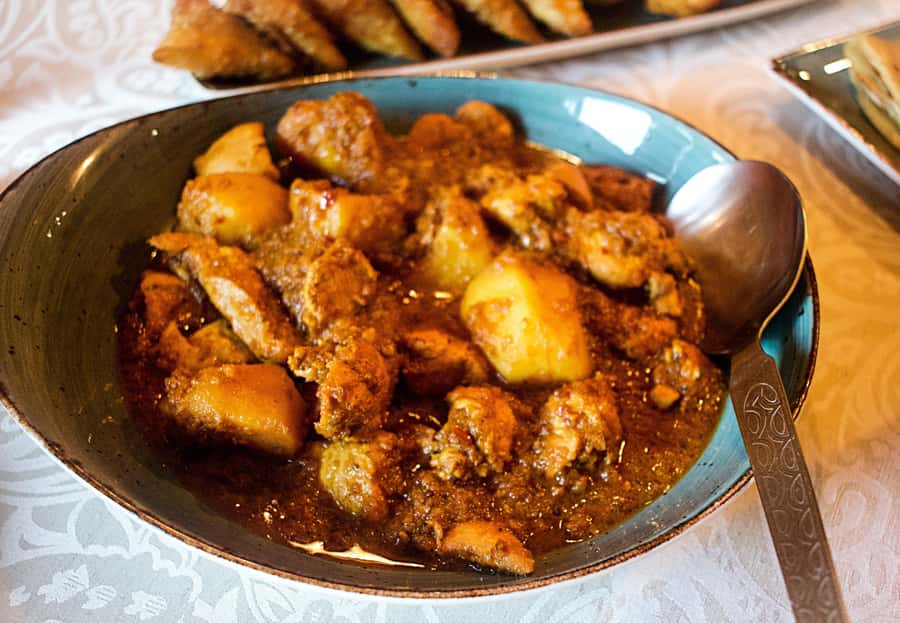
- 3-course meal, cooked by you: You prepare starter and main dishes yourself and enjoy the full lunch afterward.
- Local history lesson while you cook: Your host shares how Cape Malay cuisine connects to family and community.
- Spice technique with practical wins: You learn how to use spices and how to get dishes right, not just which ingredients to use.
- Warm group energy: Reviews repeatedly mention hosts who guide patiently and make participation feel easy.
Bo-Kaap Cooking Class: Why This Tastes More Real Than Typical Food Tours
Bo-Kaap is one of those Cape Town neighborhoods where you can feel the layers of culture. The cooking class fits that spirit. Instead of sampling Cape Malay dishes at a counter and moving on, you actually build the meal yourself, step by step, using authentic spices and fresh ingredients.
The best part is that you’re learning the logic behind the food. Cape Malay cuisine has its own fingerprint. You’ll notice the way spice blends show up, the balance between aromatic flavors and heat, and the comfort-food feel that makes the meal work as lunch, not just a culinary project. Even if you’re not a confident cook, the format is designed so you can participate without feeling rushed.
And because it’s hosted by a local resident, you also get the human side: talk about family traditions, local customs, and what it means to keep food culture alive. That matters in Cape Town, where food can otherwise feel like a souvenir. Here it feels like a living routine.
More Bo-Kaap and Cape Malay tours:
- Cape Town: Malay Cooking Class and Lunch in Bo-Kaap
★ 4.8 · 515 reviews - Cape Town Walking Tour: Bo-Kaap & City Highlights
★ 4.8 · 161 reviews - Bo-Kaap: Walk with a local
★ 5.0 · 131 reviews
Inside the 2 Hours: Your Three-Course Cape Malay Cooking Rhythm
The class runs about 2 hours, and it moves at a steady pace. You’ll start by cooking with your host in the heart of Bo-Kaap, then you’ll sit down and eat what you made.
Here’s the practical flow you can expect:
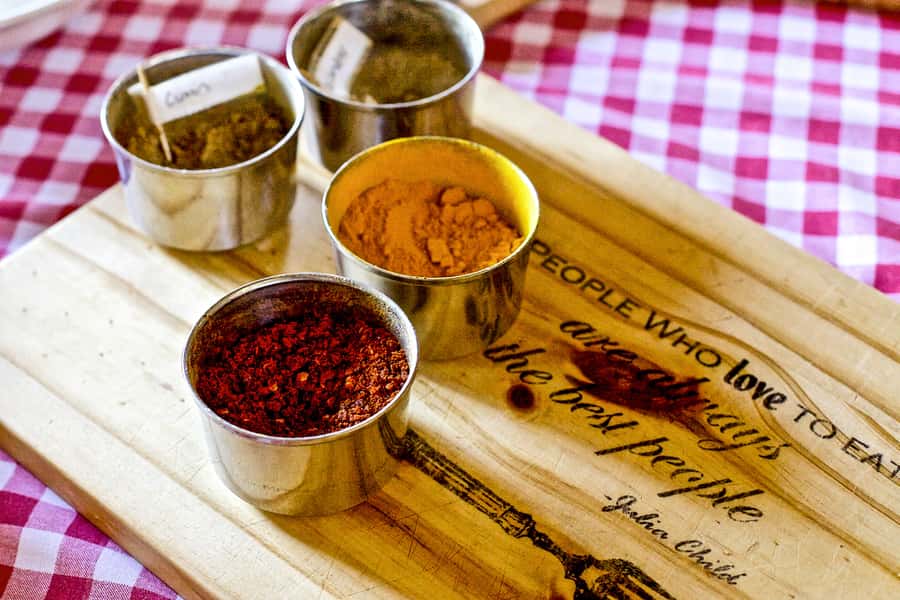
First, you set up your ingredients and spices. You’ll be shown how the spice mix and fresh ingredients fit together in Cape Malay cooking. You might also get tips on where key ingredients come from and how to choose them, which is useful if you want to recreate the dishes later.
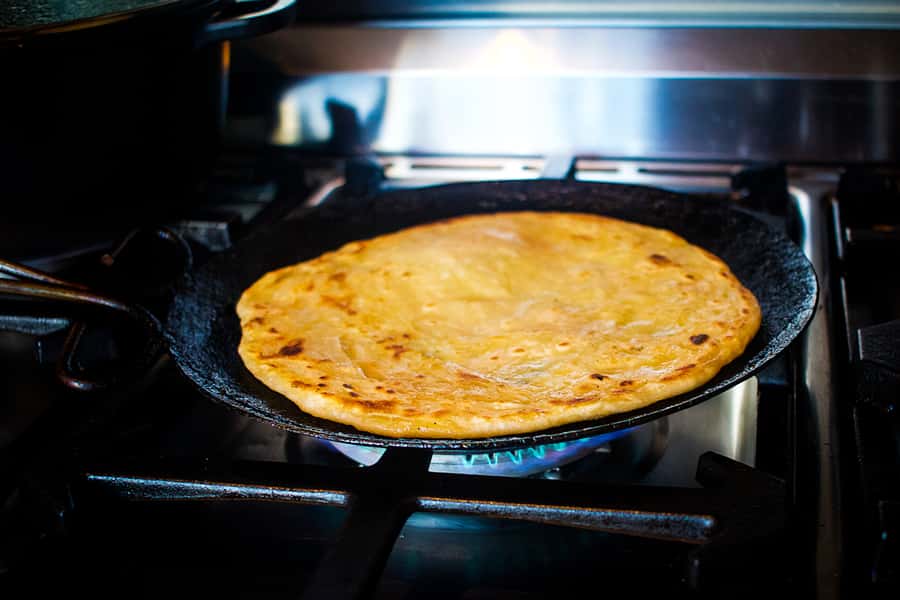
Next, you cook your starter and main. The class is interactive, and the goal is that you genuinely do parts of the work. Based on previous participants, starters can include items like spicy bites or samosa-style dishes, and you may also work on flatbreads. For the main, you can expect a curry approach, often with chicken or beef variations, plus the side elements that make it a full plate.
Then comes the eating time. Once your three-course meal is ready, you sit down with your host. This is when the class stops being only about cooking and becomes about conversation. You’ll talk over the meal with your host, learning more directly about Cape Malay culture and community life.
One more detail worth knowing: this experience may feel more like a shared kitchen process than a strict set of individual stations. You’ll likely help across multiple parts rather than working completely alone at a separate station.
The Spice Lesson That Actually Helps You Cook Later
Most cooking classes teach recipes. This one tries to teach the why, especially around spices.
Cape Malay cooking leans on warm spice layers, aromatic depth, and a comfort tone that doesn’t need fancy technique to taste right. In this class, you’ll learn how spices are used throughout the cooking process, not just sprinkled in at the end.
You’ll also pick up small, high-impact techniques. One example from past participants is the attention given to how to fold samosas so the structure holds during cooking. That’s the kind of detail you can’t get from a menu description, and it’s exactly where the class has value: you learn a skill, not only a dish.
If you’re the type who cares about flavor, this is your moment. You get to smell the spice blend building, understand when to apply heat, and see how the flavors change from raw to cooked.
Hands-On Techniques: Chopping, Folding, and Curry Building
This class is built around participation. You’re not just tasting and nodding.
From what’s been described by previous cooks, the experience can include:
- Chopping and prep work where your host shows the order and how much to do yourself.
- Samosa-style folding or similar pastry technique, with practical tips that help keep the filling inside.
- Working on curry components with a focus on how spice mixes behave in a hot pan and how to bring the dish together.
Even when you’re not a professional, the class format is friendly toward beginners. Multiple participants specifically called out that they were encouraged to do the work and that hosts patiently guided steps.
And since you eat what you cook, there’s real satisfaction here. You can taste the effect of your own effort. It turns the class into proof, not theory.
A few more Cape Town trips worth comparing
- Authentic African Cuisine Cooking Experience
★ 5.0 · 236 reviews - Cape Town: Bo-Kapp Walking Tour and Malay Cooking Class
★ 4.7 · 105 reviews - Cape Town: Authentic African Cuisine Cooking Experience
★ 4.9 · 31 reviews - Half-Day Small Group Cooking Experience in Franschhoek
★ 5.0 · 74 reviews
Learning Cape Malay Culture Through Conversation, Not Posters
The history lesson in this experience happens while you’re cooking, not after in a lecture format.
Because your host is a local resident, the stories tend to be personal: how family traditions shape cooking, how spices and recipes travel through generations, and how Bo-Kaap community life connects back to food. You might hear talk about family, local customs, and how Cape Malay identity shows up in everyday meals.
There’s also a social benefit. Cooking together naturally creates conversation, and many participants highlighted that the group dynamic stays easy and warm. People tend to chat while working, and that makes the time fly.
If you want Cape Town experiences that feel human rather than performative, this is a strong fit. You’re not just consuming culture, you’re working inside it.
What You Actually Get for $52: Lunch, Soft Drinks, and a Real Skill
At $52 per person for about 2 hours, this isn’t a cheap add-on. But it includes real value: the cooking class, plus lunch and soft drinks.
That package matters for two reasons:
- You’re not just eating, you’re learning cooking technique you can reuse.
- Your meal is part of the class cost, so you don’t need to budget extra for lunch.
In reviews, the food gets praised for being plentiful and tasty, and the kitchen setup gets positive remarks too, including comments about cleanliness and being well equipped. Hosts also get credit for patient teaching and for making sure participants can actually do tasks, not just watch.
One more note: alcohol is not allowed. That means you should go for soft drinks as included, and keep any alcohol plans separate.
Logistics in Bo-Kaap: Steep Streets and Home-Kitchen Reality
Bo-Kaap is charming, but the streets can be steep. One participant specifically mentioned a steep walk down when it was time to eat, and that it was difficult for someone with a severe back injury. If you have mobility constraints, plan for stairs or sloped streets, even if the actual kitchen work feels manageable.
Also remember that this is in a family home kitchen. That’s part of the authenticity. It also means:
- You may share work and space rather than having a personal station.
- You might move between prep areas and seating.
My practical advice: wear grippy shoes, keep your schedule light afterward, and if you have back or mobility concerns, confirm the exact route and what walking is involved before you go.
Who This Cape Malay Class Is For (and Who Might Prefer Another Plan)
This cooking class is ideal if you:
- Want a hands-on experience, not just a taste.
- Like food that comes with cultural context and real local conversation.
- Enjoy learning spice techniques, curry building, and pastry skills.
- Prefer smaller, home-based experiences over large tour groups.
It might be less ideal if you:
- Expect a traditional “everyone gets their own station” cooking setup.
- Have significant mobility limits and cannot handle steep neighborhood walking.
If you have dietary restrictions, the provided information doesn’t list specific accommodations. Still, at least one review mentioned understanding dietary restrictions, so it’s worth messaging ahead and making your needs clear before you book.
Should You Book This Cape Town Cape Malay Cooking Class in Bo-Kaap?
Book it if you want one of the more memorable “eat what you make” experiences in Cape Town. The strongest reasons are simple: you participate, you cook a three-course meal, and you get a local resident’s stories while the food is being prepared.
Skip or reconsider if steep streets are a deal-breaker for you, or if you need a rigid, station-based cooking format. And since alcohol and drugs aren’t allowed, plan on soft drinks and keep expectations aligned.
If you’re trying to choose between a meal-only option and a class with history and technique, this is the better pick. You’ll get lunch, yes, but you’ll also leave with spice knowledge and cooking skills you can use back home.
FAQ
How long is the Cape Malay cooking class in Bo-Kaap?
It lasts 2 hours.
What meal will I cook and eat?
You’ll prepare a popular three-course Cape Malay meal from scratch, then you’ll sit down with your host to enjoy it.
Where does the experience take place?
It’s in the Bo-Kaap neighborhood in Cape Town.
Is transportation included?
No, transportation is not included.
What’s included in the price?
The class includes the cooking class, lunch, and soft drinks.
Are alcohol or drugs allowed during the experience?
No. Alcohol and drugs are not allowed.
What languages will the host or greeter speak?
The host or greeter speaks English and Afrikaans.
Is free cancellation available?
Yes, you can cancel up to 24 hours in advance for a full refund.
Is there a reserve and pay later option?
Yes, you can reserve now & pay later, meaning you can book your spot and pay nothing today.
More Workshops in Cape Town
- Private Surf Lesson
★ 5.0 · 53 reviews - Private Surf Lesson in Cape Town – Transport & Photos Included
★ 5.0 · 50 reviews - Muizenberg Cape Town: Private Surf Lesson
★ 5.0 · 37 reviews - Koeksister and Samoosa Class by the Malay Cook Up
★ 4.8 · 9 reviews
Newest around Cape Town
- Private E-Bike Cape Town MTB Trails with a Pro★ 5.0 · 3 reviews
- Taste of Cape Town – food and city tour★ 5.0 · 46 reviews
- Skip the Line: District Six Museum Admission Ticket★ 4.0 · 6 reviews
- E-Bike Cape Peninsula tour★ 5.0 · 7 reviews
- 1-3 Passenger Private Arrival & Departure Cape Town – Airport Transfers★ 4.5 · 17 reviews
- Private Cycling Tour of Constantia Winelands★ 4.5 · 10 reviews
- Private Tour To Stellenbosch Franschoek Wineries from Cape Town Price Per Group★ 5.0 · 4 reviews
- Catamaran Cruise and Sushi Experience in Cape Town★ 4.0 · 6 reviews
Bo-Kaap & Cape Malay Tours, compared.

Cape Town Walking Tour: Bo-Kaap & City Highlights
Read our review →


Cape Town Township Tour Including Langa Township and Bo-Kaap
Read our review →
Full-Day Kirstenbosch, Bo-Kaap, and Penguins Tour
Read our review →Browse the lists this tour appears in