
Reviewed · CULTURAL VILLAGE TOURS
Cradle of Humankind and Lesedi Cultural Village
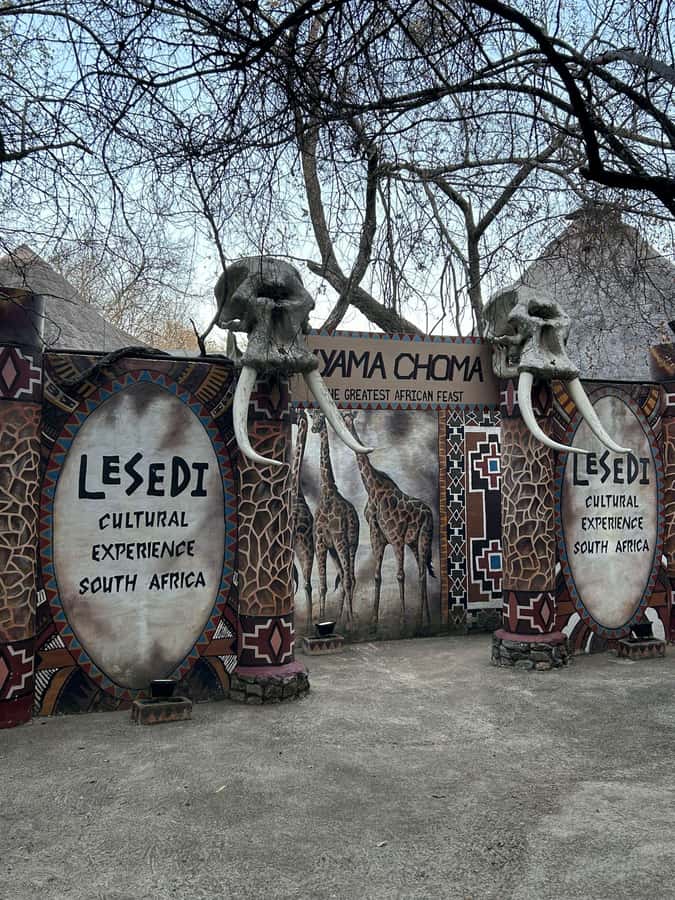
This day starts 3.8 billion years ago. You get the Cradle of Humankind, with stone tools and the story of early fire-making, plus Lesedi Cultural Village, where you watch dance performances from Ndebele, Zulu, Basotho, Xhosa, and Pedi, and you can eat at Nyama Choma. The main catch is simple: you’ll walk, and the meal details can be confusing, so wear comfortable shoes and confirm what’s included.
In 6 to 6.5 hours from Johannesburg, this is a very efficient “science plus culture” outing. Transport and entry tickets are part of the price, and there is bottled water in the mix. One more practical note: the tour guide language is listed in several options, but I recommend double-checking if Portuguese (or any specific language) is critical.
In This Review
- Key highlights worth centering your day on
- A half-day with deep time fossils and dance-floor culture
- Getting to the Cradle of Humankind from Johannesburg
- Cradle of Humankind: stone tools, fossils, and the fire breakthrough
- What the guided time is really for
- The best use of self-guided time
- A practical drawback to plan for
- The 35-minute transfer that keeps the day from dragging
- Lesedi Cultural Village: five tribes, dancing, and food culture
- The cultures you’ll see represented
- What you should expect from the dance show
- Nyama Choma and the food piece
- Guide language and the real-world factor: get what you paid for
- Price and value: why $218 can make sense
- Who this tour suits best
- The small checklist that keeps your day smooth
- Should you book this Cradle of Humankind and Lesedi combo?
Key highlights worth centering your day on
- Cradle of Humankind, with early stone tools and a fire story that goes back more than 1 million years
- A guided, partly self-led visit plus walking time, so you can pace it instead of rushing
- Lesedi Cultural Village dance shows representing Ndebele, Zulu, Basotho, Xhosa, and Pedi
- Nyama Choma food stop during the cultural village experience
- Skip-the-line entry using a separate entrance at the Cradle site
- Language variety, with a real-world check advised if you booked for Portuguese
A half-day with deep time fossils and dance-floor culture
If you like travel days that hit both your curiosity and your senses, this combo works. One stop anchors you in the long timeline of early human development. The other puts you in a live cultural setting with homes, music, and dancing that you can actually watch and take photos of.
The value here is the tight flow. You are not bouncing around Johannesburg for an entire day. Instead, you get a structured outing with built-in movement: a walking tour at the Cradle, then guided exploring and a longer dance program at Lesedi. At $218 per person, the price makes most sense if you want the guided parts and you do not want to figure out transport and admissions on your own.
The only downside is that the day is action-packed enough that comfort matters. Bring supportive footwear. If you have back issues or limited mobility, you should think twice, even though the tour is described as wheelchair accessible, because the program still involves walking.
More Cultural Village Tours in Johannesburg
- Lesedi Cultural Village and Cradle of Humankind Tour
★ 5.0 · 48 reviews - Lesedi Cultural Village Tour
★ 5.0 · 46 reviews - Lesedi Cultural Village
★ 5.0 · 45 reviews
Getting to the Cradle of Humankind from Johannesburg
You’ll start with pickup at your hotel or guesthouse reception in Johannesburg. Then it is about 65 minutes in the car to reach the Cradle of Humankind area. This is enough time to settle in, scan your camera settings, and get ready for a place that feels unlike anything else in South Africa.
On arrival, the logistics are designed to reduce waiting. You get a separate entrance so you can skip the line, which matters because the time on a half-day schedule is not huge. If you show up slightly late, that small buffer can disappear fast.
What I’d do on your end: use that drive time to set expectations. This site is not a quick photo-op only. You are there to understand deep time. Even if the details feel complex, the guided explanations are meant to translate those big ideas into something you can grasp in a single visit.
Cradle of Humankind: stone tools, fossils, and the fire breakthrough
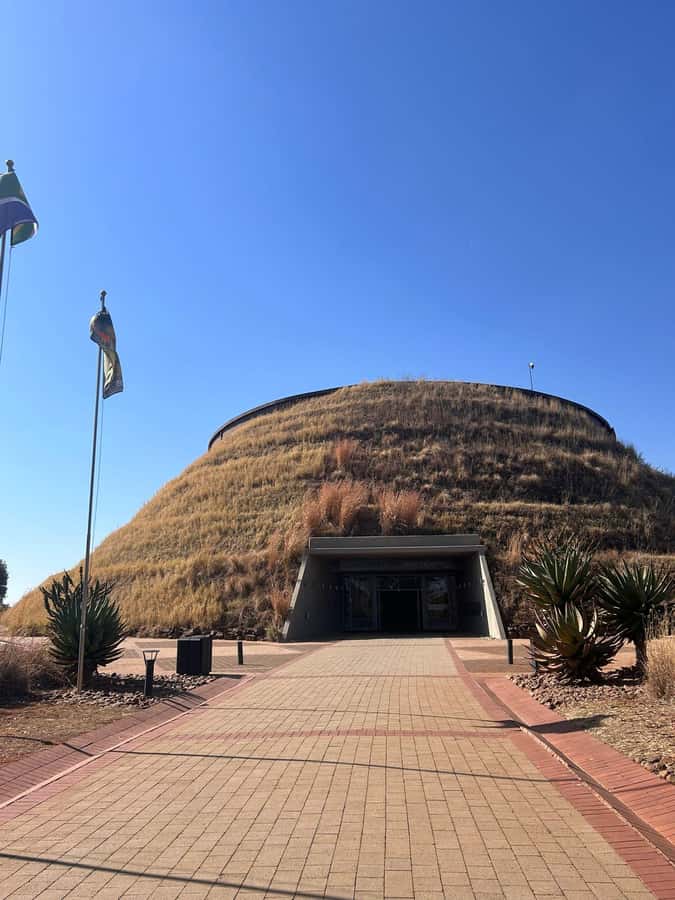
This is the “wow, that is ancient” part of the day. The Cradle of Humankind connects to life and human origins across extremely long timelines, with key references like life emerging about 3.8 billion years ago, plus fossils around 2 million years old and archaeological finds tied to early tool-making.
Here’s what to pay attention to during your visit:
What the guided time is really for
You’ll have a guided tour, a photo stop, and time for walking. This is where your guide helps you turn objects into a story. You are looking for evidence of early technology, not just display cases.
A big focus is on 2 million years old stone tools, showing how early ancestors shaped materials. You’ll also hear about Swartkrams and a collection of about 270 burt bones, which are tied to how ancestors learned to master fire more than 1 million years ago. That is an early technological innovation in human development, and it is the kind of concept that really clicks when it is explained clearly.
More cultural village visits in Johannesburg:
- Johannesburg: Lesedi Cultural Village Experience
★ 4.6 · 43 reviews - Johannesburg: Cradle of Human Kind & Lesedi Cultural Village
★ 4.6 · 31 reviews - Johannesburg: Lion Park Safari and Cultural Village Tour
★ 4.8 · 12 reviews - Cradle Of Humankind, Lesedi Cultural Village & Lion’s Park
★ 4.7 · 10 reviews
The best use of self-guided time
After the guided portion, you get around 1 hour for self-guided exploring. This is your chance to slow down. If you are the kind of person who likes to stand in front of something and read carefully, this block is valuable. If you prefer photos and broad understanding, it still gives you enough time to cover the highlights without feeling trapped on a fixed script.
A practical drawback to plan for
Comfort is key. The day includes walking at the Cradle, and the tour information specifically says to bring comfortable shoes. If you have back problems, you may find the terrain tiring even if you are not dealing with heavy climbs. You can love the archaeology and still want to keep your body fresh for the later dance portion.
The 35-minute transfer that keeps the day from dragging
Between the Cradle and Lesedi Cultural Village, you’ll spend about 35 minutes traveling. This is one of those sweet spots in a half-day plan: long enough to reset, short enough that you do not lose the momentum.
Use this transfer time wisely:
- Hydrate, since bottled water is included
- Use the break to think about what you want to photograph at the village
- If your guide language matters, this is where you can confirm quickly that you will get what you need
This is also where it becomes extra important to manage expectations around meals. Your program includes time for lunch or dinner and dessert, but meals are listed as not included. That means you should plan to pay on site unless your specific booking confirms otherwise.
Lesedi Cultural Village: five tribes, dancing, and food culture
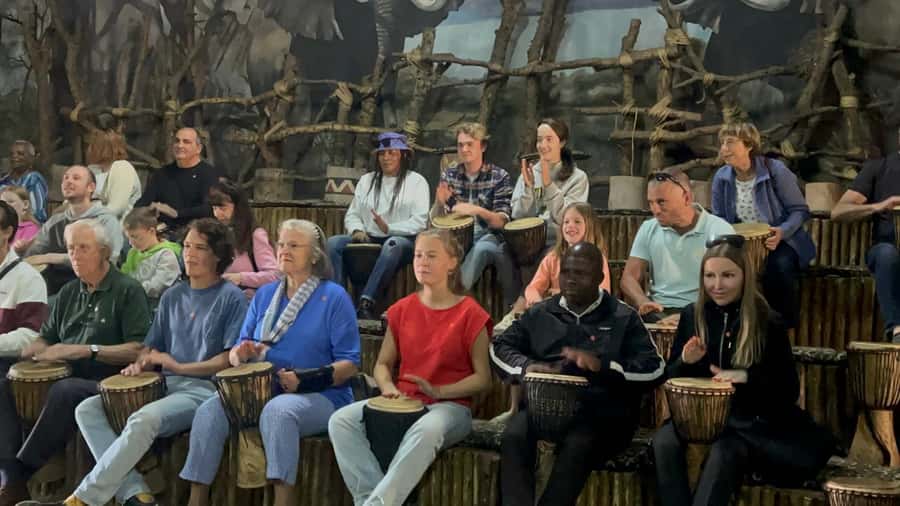
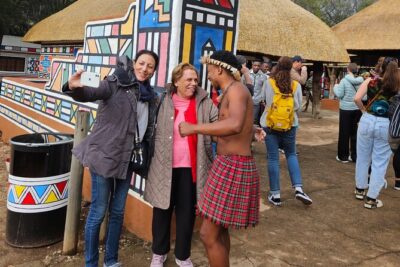
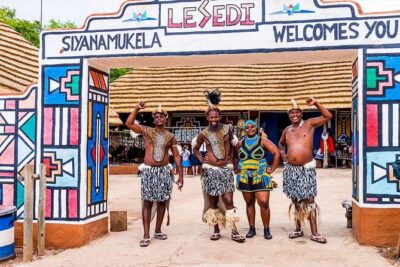
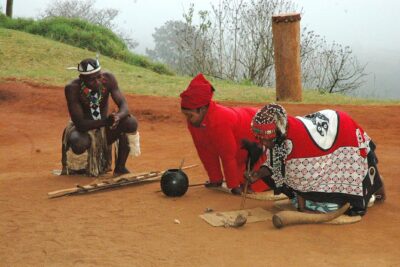
Lesedi Cultural Village is where the day shifts from scientific evidence to living tradition. You’ll do a guided tour and a walk through the cultural spaces, with plenty of photo opportunities and time breaks built in. Then there is a longer traditional dance show block that lasts about 2 hours.
The core idea is straightforward: you get an on-the-ground look at Southern Africa’s tribal heritage through presentation, song, and movement.
The cultures you’ll see represented
The program highlights five groups:
- Ndebele
- Zulu
- Basotho
- Xhosa
- Pedi
If you’ve only heard of these cultures as names on a map, this is the moment where you start sorting them out visually and experientially. The dancing is the strongest way to remember the distinctions, because rhythm and costume cues stick better than facts alone.
What you should expect from the dance show
This part is longer than a quick performance. The 2-hour format gives you time to notice patterns: how dances differ in energy, how call-and-response works, and how the pacing supports the rest of the cultural storytelling. If you want to be respectful and present, this is also where you should keep your phone use balanced. Take photos when allowed, but watch for cues from the guide and performers.
Nyama Choma and the food piece
Food is part of the experience. There’s a stop where you can save delicious ethnic cuisine at Nyama Choma restaurant. Even if meals are not fully included in your cost, this is the one place on the day where spending a bit extra can feel rewarding because it’s tied to the cultural setting rather than a random roadside meal.
One caution: your schedule includes lunch and dinner time, but meals are marked as not included. So treat food as pay-as-you-go unless your operator confirms otherwise in writing for your exact booking.
Guide language and the real-world factor: get what you paid for
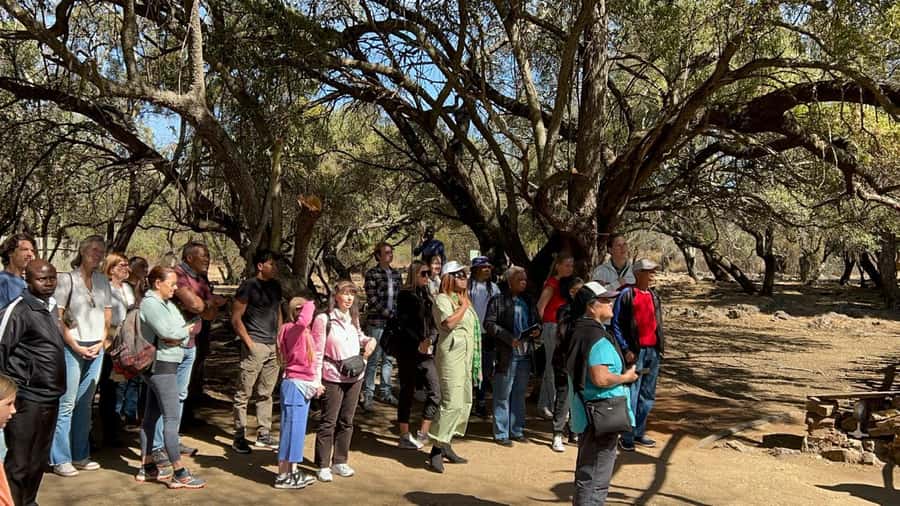
Your tour includes a live guide, and language options listed include French, English, Portuguese, German, and Afrikaans. In theory, that makes this outing accessible for a range of visitors.
But here’s the practical advice I’d give you: if Portuguese (or any non-English language) is why you booked, verify it before you go. In one real case tied to a booking, the guide was listed for Portuguese but did not speak Portuguese, and there was also unpleasant confusion around paying entry for Lesedi even though the ticket was supposed to cover entrances.
You cannot prevent every mismatch. What you can do is reduce your risk:
- Confirm the guide language in advance
- Ask what is included for Lesedi entry so you do not get surprised on the spot
- Keep your ticket details accessible on your phone and a screenshot of key inclusions
This is less about drama and more about protecting your day so you can focus on the fossils and the dancing, not on paperwork.
Price and value: why $218 can make sense
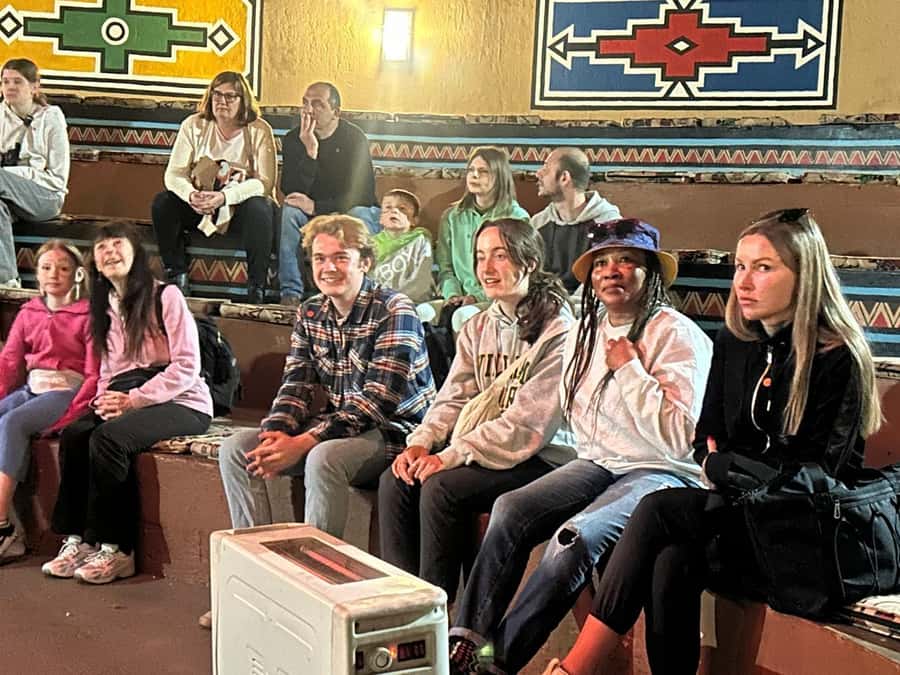
Let’s talk money in a practical way. At $218 per person for a 6 to 6.5 hour outing, you are paying for three big things:
- Transport from Johannesburg (and back)
You do not have to organize a ride, navigate to two separate attractions, or manage timing between them.
- Entry tickets
Admissions are included, which matters because you are paying for two sites.
- A live guide and structured pacing
The guide helps with the deep-time explanations at the Cradle and the cultural context at Lesedi.
What is not included is also important to budget:
- Meals are listed as not included
- Accommodation is not included (and even if you see an overnight reference in some schedules, your active tour length is under 7 hours, so clarify what you are actually booked for)
If you are traveling solo, this price can still feel fair when you compare it to buying admissions plus arranging private transport. If you are a couple or family, it can get even better if you were otherwise planning to hire a car and pay for guide time separately.
Who this tour suits best
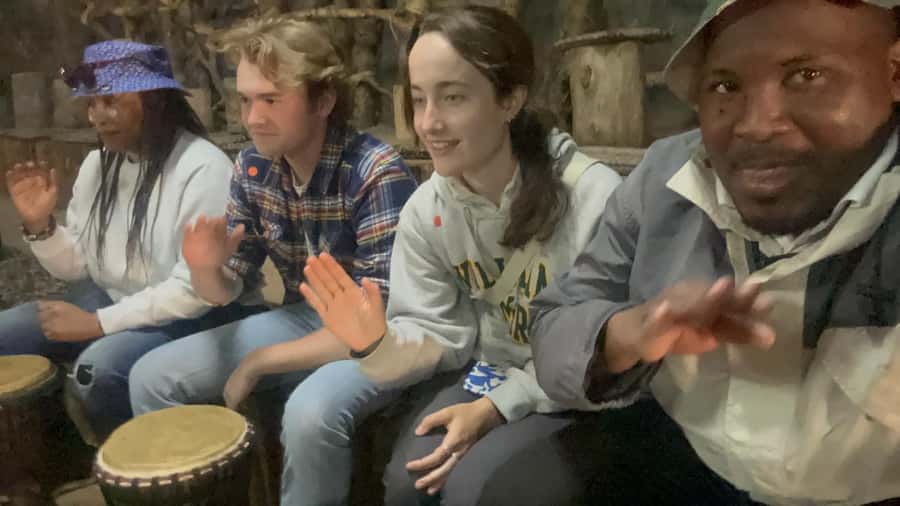
This is a great match if you:
- Like learning with a guide, not just reading signs
- Want a half-day that connects archaeology with present-day culture
- Enjoy photography, especially during the dance program and photo stops
- Prefer a planned schedule with pickup and transfers rather than self-driving
It may not be the best fit if you:
- Have back problems or struggle with walking
- Need a fully seated experience throughout
- Are extremely sensitive to language mismatches and want guaranteed Portuguese without any chance of clarification issues
Also think about your day style. If you like slow travel with unhurried stops, the timing might feel full. But if you want a focused “hit the highlights” outing, this works.
The small checklist that keeps your day smooth
Bring:
- Comfortable shoes (seriously, this is repeated for a reason)
- A camera or phone with enough storage for dance-show photos
- Money for food, just in case your specific booking does not cover meals on site
During the day:
- Drink water early since the day includes transfers and walking
- Keep your expectations clear about guide language and food inclusion
- Wear clothes you can move in for walking and shows
Should you book this Cradle of Humankind and Lesedi combo?
Book it if you want a single day that delivers two very different kinds of value. The Cradle gives you context for early human development, from ancient tools to the fire story. Lesedi gives you a live, watchable cultural experience with dancing and food culture.
Skip or think twice if you need a low-walking day, have mobility or back limitations, or you cannot tolerate any uncertainty around guide language and meals. Even though the tour lists wheelchair accessibility, the walking-heavy nature of the program is still a factor.
If you do book, send one quick message before you arrive asking two direct questions:
- What language will the guide actually use for my booking?
- Are Lesedi entry and meals included for my exact ticket, or should I plan to pay on site?
Do that, and you’ll spend your energy where it belongs: on the fossils and the performances.
Newest around Johannesburg
- Soweto Township Tour★ 4.4 · 4 reviews
- Soweto Tuk-Tuk Food & Beer Tour★ 5.0 · 9 reviews
- Soweto Tour; Mandela House; Vilakazi Street; Market Culture★ 5.0 · 6 reviews
- Private Soweto,Mandela House,Apartheid Museum,Constitution★ 4.6 · 15 reviews
- Soweto: Sip & Paint Walking Tour & Take Home a Canvas★ 4.8 · 7 reviews
- Soweto: Hector Pieterson Memorial, to Orlando Towers Tour★ 4.0 · 31 reviews
- Soweto & Johannesburg and Apartheid Museum★ 4.7 · 41 reviews
- Soweto and apartheid museum tour(Half-day)★ 5.0 · 4 reviews
Cultural Village Tours, compared.
Lesedi Cultural Village and Cradle of Humankind Tour
Read our review →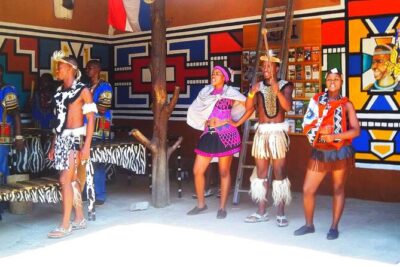

Durban City & PheZulu Cultural Village Day Tour from Durban
Read our review →
Phezulu Cultural Village & Reptile Park Day Tour from Durban
Read our review →
Browse the lists this tour appears in