
Reviewed · LION & WILDLIFE ENCOUNTERS
Drakenstein Lion Park Entry Ticket
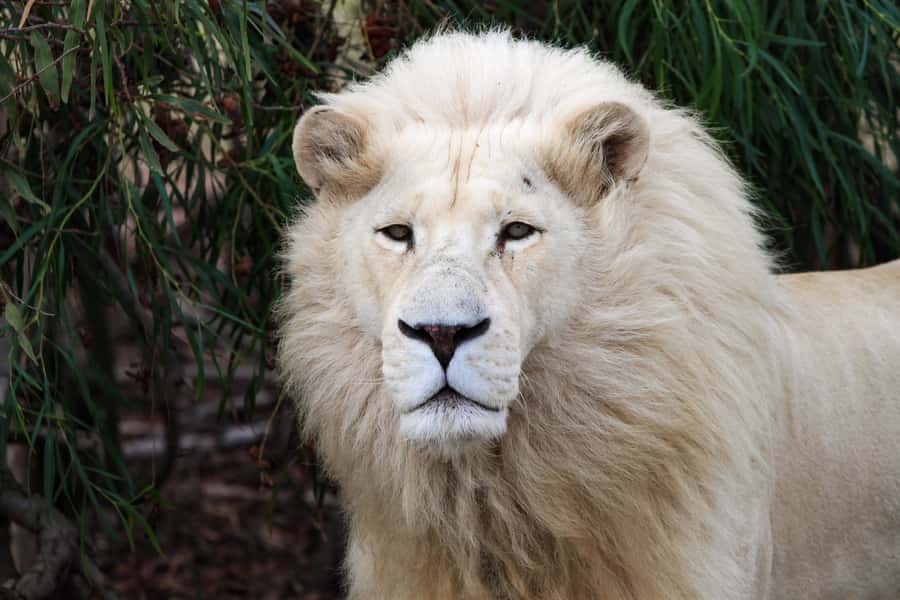
Big cats and real rescue, no showmanship required. At Drakenstein Lion Park in the Cape Winelands, you get a lion sanctuary experience focused on rescued animals and visitor-funded care, with ethical, non-exploitative viewing built into the day.
I love that the park is run by the Hart family, using decades of hands-on rescue and world-class care for big cats previously kept in abusive conditions. I also like that this is a serious, long-running operation, established in 1998 and operating for years with no reliance on government or grant money.
One heads up: it can be hard to spot every lion during your visit, because some are sleeping in cover or staying back in their compounds. That is not a problem with the sanctuary, it is just how animals behave.
In This Review
- Key things to know before you go
- Drakenstein Lion Park in the Cape Winelands: why this ticket feels different
- The rescue sanctuary model: what you should look for, and what Drakenstein does
- How your 1-day visit actually plays out on 60 acres
- Ethical viewing rules that shape your day (and your photos)
- Where your money goes: value in a park that gets no grants
- What you should wear and bring for a smoother visit
- Who this is for, and who should skip it
- City Pass Cape Town and what that means for your day
- A fair reality check: what could disappoint you
- Should you book Drakenstein Lion Park entry?
- FAQ
- How much is the Drakenstein Lion Park entry ticket?
- How long is the experience?
- What is included with the entry ticket?
- Is there any animal interaction or petting included?
- Are flash photos allowed?
- Is the park entry suitable for young children?
- Is the group small?
Key things to know before you go
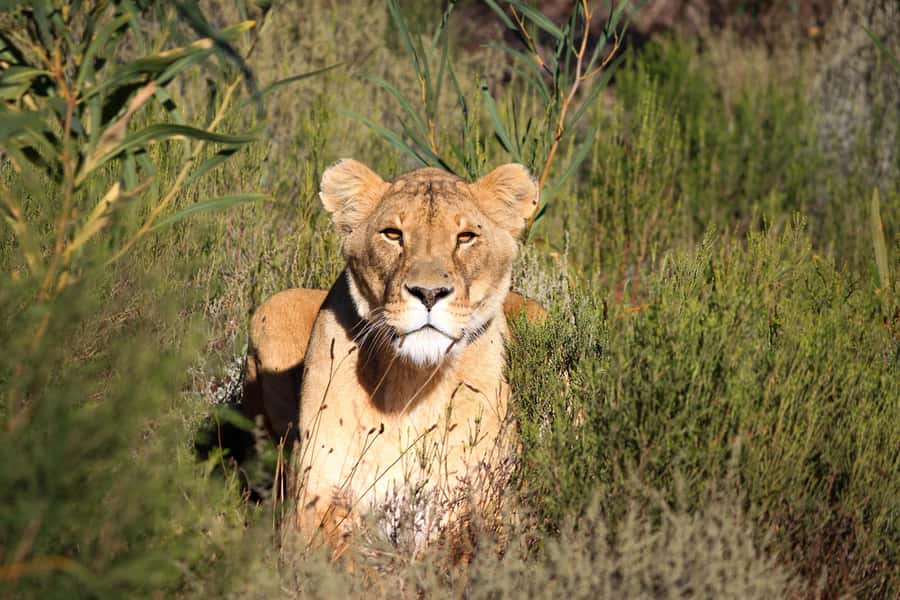
- It is a genuine sanctuary: no breeding, trade, or visitor-animal interaction, and lifetime care is the mission.
- 60 acres of fit-for-purpose habitat: you walk through a real viewing space, not a rushed lineup.
- Visitor-funded care: contributions from tickets help cover rescue and ongoing support, with no government or grant funding.
- Respect rules are part of the point: no flash photography and no smoking keeps the environment calm.
- Small group vibe: limited to 10 participants, so you can actually take your time.
- Expect typical lion behavior: sleeping, shade, and staying toward the back can affect what you see.
Drakenstein Lion Park in the Cape Winelands: why this ticket feels different
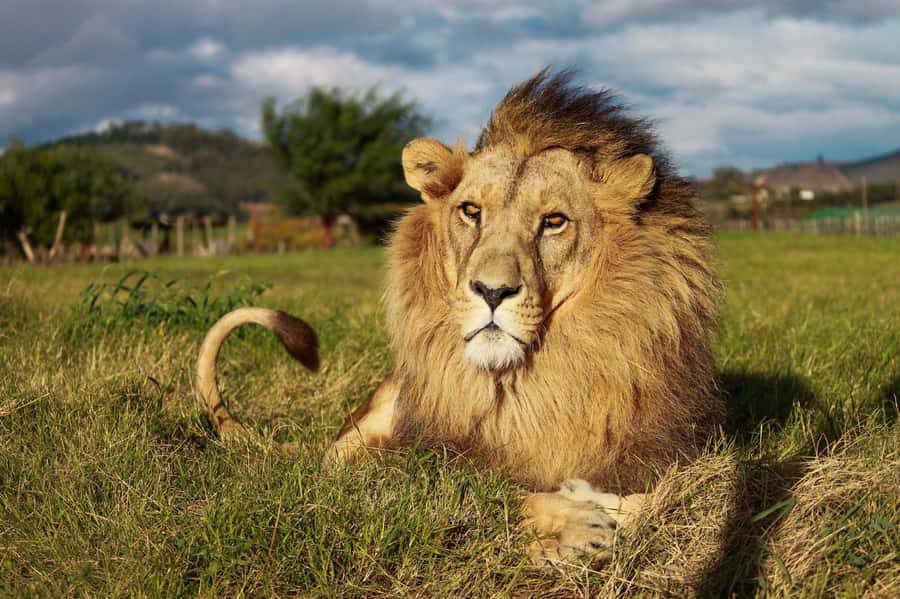
This is not a typical zoo outing where you are chasing movement and lining up for selfies. The Drakenstein Lion Park entry ticket is really about supporting a sanctuary model, where rescued lions are treated as sentient individuals with care tailored to their specific needs.
You are visiting in the Cape Winelands, which is already a nice setting for a day out. But the setting is not the whole story. The bigger value is what you are funding. The park is funded by visitors’ contributions and it receives no governmental or grant funding, so your ticket is not just admission. It is one of the direct pieces that keeps rescue and day-to-day care going.
And if you care about animal welfare standards, you will appreciate the emphasis on ethics. Drakenstein is built around an ethical, non-intrusive, non-exploitative environment, with the goal of letting visitors view without negatively impacting the lions.
More wildlife encounters near South Africa:
- Half Day Lion Park tour from Johannesburg or Pretoria
★ 5.0 · 274 reviews - Cheetah Outreach Tour Somerset West, Gordon’s Bay and Strand Beaches
★ 4.5 · 94 reviews - Cradle of Humankind, Caves or Maropeng, Rhino and Lion Park
★ 5.0 · 74 reviews
The rescue sanctuary model: what you should look for, and what Drakenstein does
South Africa has a lot of big-cat attractions. Some claim rescue and “rehabilitation,” but you cannot assume that every place using those words is doing the real work. Drakenstein Lion Park is described as one of a small handful of genuine lion sanctuaries in the country, and it has a clear set of rules that match what a serious sanctuary should do.
Here is what matters most for you as a visitor:
- No captive breeding and no trade.
- No visitor-animal interaction or petting.
- Lifetime care for resident animals.
- Each rescue handled as an individual, with attention to psychological and physiological well-being.
That last point is the one you feel while you are there. You are not seeing lions used as entertainment. You are seeing them living in a fit-for-purpose lion habitat, with the staff focused on welfare rather than performance. That is why rules like no flash photography matter. It is not just “because the park says so.” It is because light flashes and disturbances can stress animals.
Also, the park is built, owned, and run by the Hart family. They have decades of experience in rescue and provision of care. Established in 1998, Drakenstein is the longest-operating South African-owned big cat sanctuary, which you can take as a sign of stability. A sanctuary that survives for years tends to have better systems, better routines, and more consistency in animal welfare.
How your 1-day visit actually plays out on 60 acres
The experience is set up for a full day, with entry valid for 1 day. You will want to check starting times based on availability, because the exact schedule can vary. The activity is also described as a small group experience, limited to 10 participants, which helps you move at a calmer pace through the grounds.
When you arrive, you will get the basics from the host or greeter, with English support. There is no personal guide included as part of the ticket, so you should plan to rely on the on-site information and signage to understand what you are seeing. That is not a downside, it just means you will get the most from the visit if you come with a curious mindset.
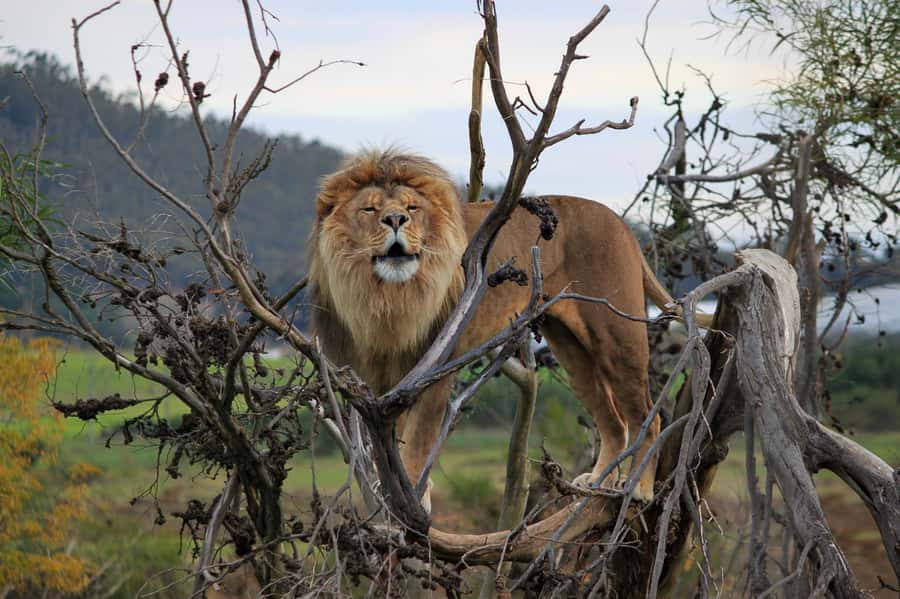
Then the main event becomes your walk-through and viewing time across the grounds. The park is on 60 sprawling acres, and that space matters. Lions are not meant to live in tiny viewing boxes, and animals also need room to choose what they do. That is why you can see them resting in shade, staying back in their compounds, or moving only when they decide it is worth it.
What you will likely notice:
- Some lions are active, and some are not. Resting and sleeping are common.
- Because the park is designed for welfare, you might not be able to spot every animal at once.
- Your best views often come with patience, and by changing your viewing angle as you walk.
The main drawback people can run into is exactly this: visibility. In one verified booking, the visitor noted it was difficult to see all lions because several were at the back of their compounds or sleeping in the bushes. That experience is frustrating if you came expecting a guaranteed sighting of every animal, but it is also a normal reality for sanctuary living.
Ethical viewing rules that shape your day (and your photos)
A sanctuary visit is only enjoyable when it stays calm. That is why there are clear do-not-do rules listed for the park: no smoking, and flash photography is not allowed.
For you, the big practical takeaway is camera behavior. If you are used to shooting with your flash on, you will need to adapt. Bring a camera you can use in lower light, or be ready for non-flash photos and patience while animals are in shade. If you are trying to photograph sleeping lions, know that they may barely move, so sharp timing and good light handling are more useful than flashy tricks.
Also, there is no animal interaction or petting. That rule changes the whole feel of the visit. You are not trying to get close for a touch, and you are not waiting for a performer moment. Instead, you focus on respectful observation, which is exactly what an ethical sanctuary aims to create.
A few more South Africa trips worth comparing
- Cape Town: Robben Island Ferry Ticket and Guided Prison Tour
★ 4.1 · 1,792 reviews - Cape Town: 2 Oceans Helicopter Flight with Boat Tour Ticket
★ 4.9 · 417 reviews - Cape Town: Robben Island Ferry Ticket and Townships Tour
★ 4.5 · 400 reviews - Cape Town: The Cape Wheel Ticket
★ 4.6 · 350 reviews
Where your money goes: value in a park that gets no grants
The ticket price is $10 per person, which is surprisingly low for a full-day sanctuary visit. The value makes sense when you understand the funding model. The park receives no governmental or grant funding. That means the day-to-day costs of rescue support, housing, and ongoing care are tied directly to visitor contributions.
So when you pay this entry ticket, you are helping with more than “keeping the lights on.” You are supporting:
- rescue from abusive circumstances,
- long-term housing in a fit-for-purpose habitat,
- and lifetime care for resident animals.
You also benefit indirectly from the sanctuary standards themselves. Ethical, non-intrusive environments often require more work from staff, more careful management, and more attention to welfare. The ticket helps keep that approach steady, instead of turning the animals into revenue targets.
If you are budgeting, think of it this way: even if you catch only a portion of the lions visible at a given time, your ticket still funds the core mission. You are buying part of the rescue system, not a guaranteed animal-viewing checklist.
What you should wear and bring for a smoother visit
This is a walk-around kind of day. You should wear comfortable walking shoes, because the park covers 60 acres of habitat and viewing areas. Bring your camera, since that is part of what makes the visit meaningful, but do so with the expectation that flash is not allowed.
If you plan to take photos, give yourself time. Lions can be in bushes, shade, or farther back in their compounds. You will get better results by slowing down and waiting rather than constantly rushing.
If you have sensitivities, plan carefully. People with animal allergies are listed as not suitable for the experience. That matters because being around animals, even without interaction, can still trigger reactions for some people.
Who this is for, and who should skip it
This is a good match if you:
- care about animal welfare and want to support ethical rescue,
- like quiet, nature-forward visits where animals behave normally,
- want a short trip from the Cape Town area or the Cape Winelands that is meaningful, not just scenic.
It may not be a good match if you:
- want guaranteed close-up views of every lion,
- need a guaranteed “active animal” experience,
- are looking for a hands-on encounter, because there is no interaction or petting.
There are also clear “not suitable for” notes: children under 2 years, pregnant women, wheelchair users, and people with animal allergies. At the same time, wheelchair accessibility is listed as a feature. That contradiction is exactly why you should check ahead if you use a wheelchair. Don’t assume one line cancels out the other. Confirm with your booking host or the park directly before you plan.
City Pass Cape Town and what that means for your day
Your ticket experience is connected to City Pass Cape Town as the experience provider. In practice, that is often helpful if you are already planning other activities around Cape Town and you want to keep booking streamlined.
The experience description also tells you the host or greeter is English-speaking, and that the group is small, up to 10 participants. That usually means fewer crowds and less time wasted waiting.
Just remember: there is no personal guide included. So do not count on a guided talk replacing your own attention. If you want to understand what you are seeing, arrive ready to read signs and ask questions if staff are available on site.
A fair reality check: what could disappoint you
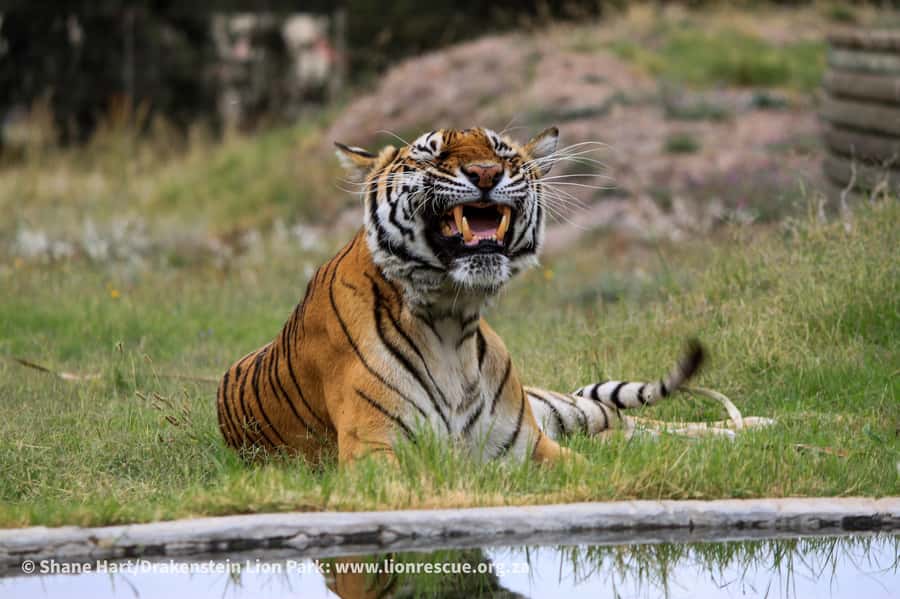
The biggest potential disappointment is visibility. Lions can choose to rest in cover or remain farther back. If you go in thinking every lion will be easy to find at all times, you may feel let down. That is not because the sanctuary is doing anything wrong. It is because the animals are living like animals, not props.
Another consideration is the lack of interaction. Some visitors arrive hoping for a petting moment. Drakenstein does not offer that, and that is part of what makes it a sanctuary rather than entertainment.
Finally, if you are sensitive to animal presence or have allergies, this may not be a good day for you. The park explicitly lists animal allergies as not suitable, so take that seriously.
Should you book Drakenstein Lion Park entry?
I think this is a solid booking if you want an ethical big-cat experience with real rescue credibility. Drakenstein Lion Park is presented as a genuine sanctuary with no breeding, no trade, and no visitor-animal interaction, and it has been operating since 1998 under the Hart family with decades of experience. That combination tends to correlate with better welfare systems.
Book it if:
- you are motivated by rescue and lifelong care,
- you want a calm, rules-based viewing experience,
- you can accept that some lions will be resting or harder to spot.
Consider skipping or changing plans if:
- you need guaranteed sightings of every animal,
- you are counting on a petting or close-contact experience (it is not offered),
- you fit a listed not-suitable category and have not confirmed what that means for your situation.
If you do book, go in with realistic expectations. Plan your day around walking and observing, not chasing. You will still get the main reward, a chance to support rescued lions in a place designed around their well-being, not your entertainment checklist.
FAQ
How much is the Drakenstein Lion Park entry ticket?
The price is listed as $10 per person.
How long is the experience?
The ticket is valid for 1 day.
What is included with the entry ticket?
Included are entrance to Drakenstein Lion Park, access to view rescued big cats, and the opportunity to support big cat care and rescue.
Is there any animal interaction or petting included?
No. Animal interaction or petting is not included, and no visitor-animal interaction takes place.
Are flash photos allowed?
No. Flash photography is not allowed.
Is the park entry suitable for young children?
Children under 2 years are listed as not suitable.
Is the group small?
Yes. The experience is limited to 10 participants, and a host or greeter is provided in English.
Newest around South Africa
- Private E-Bike Cape Town MTB Trails with a Pro★ 5.0 · 3 reviews
- Taste of Cape Town – food and city tour★ 5.0 · 46 reviews
- Skip the Line: District Six Museum Admission Ticket★ 4.0 · 6 reviews
- E-Bike Cape Peninsula tour★ 5.0 · 7 reviews
- 1-3 Passenger Private Arrival & Departure Cape Town – Airport Transfers★ 4.5 · 17 reviews
- Private Cycling Tour of Constantia Winelands★ 4.5 · 10 reviews
- Private Tour To Stellenbosch Franschoek Wineries from Cape Town Price Per Group★ 5.0 · 4 reviews
- Catamaran Cruise and Sushi Experience in Cape Town★ 4.0 · 6 reviews
Lion & Wildlife Encounters, compared.
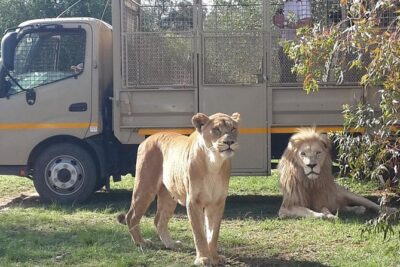
Half Day Lion Park tour from Johannesburg or Pretoria
Read our review →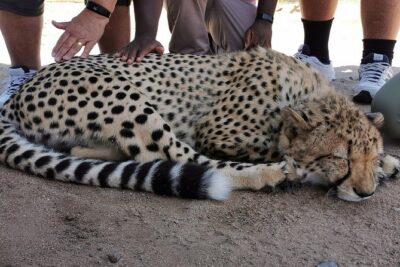
Cheetah Outreach Tour Somerset West, Gordon’s Bay and Strand Beaches
Read our review →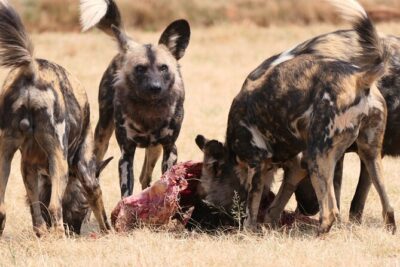
Cradle of Humankind, Caves or Maropeng, Rhino and Lion Park
Read our review →
Captivating Safari Lion Park Experience (Half Day Guided Tour)
Read our review →
Private Rhino and Lion Park, Cradle Caves or Maropeng Museum
Read our review →
Full Day -Tala Game Reserve, Natal Lion Park, Phezulu From Durban
Read our review →
Half Day Tala Game Reserve & Natal Lion Park from Durban
Read our review →Browse the lists this tour appears in