
Reviewed · CULTURAL VILLAGE TOURS
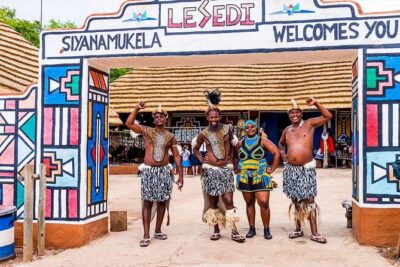
Lesedi cultural village:
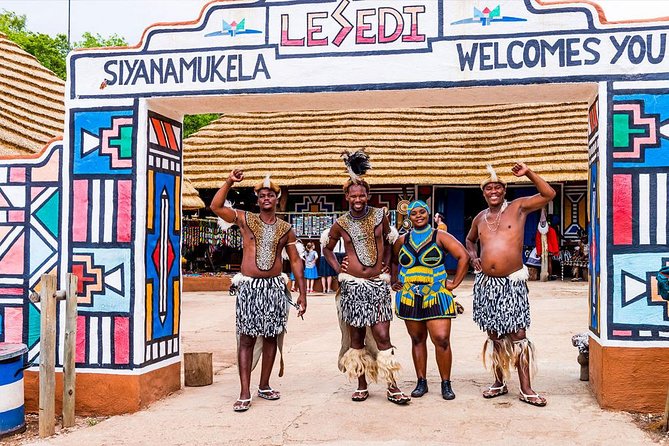
Tribal homesteads, big stories. Lesedi Cultural Village turns South Africa’s lived traditions into a hands-on day, with guided explanations, songs, and dance.
I especially love the homestead walk across different tribal sections, because you can actually see how homes are built and how daily life is organized. The second thing I like is the energy of the traditional dance show, where music and participation make it more than a slideshow.
One possible drawback to plan for is that food and drinks are not included, so you may pay extra if you want the full meal at the end.
In This Review
- Key Highlights to Know Before You Go
- Lesedi Cultural Village in One Day, What You Actually Get
- Pickup, Private Transport, and Your Driver Guide
- The Intro Session That Sets the Tone
- Easy Walking Through Tribal Homesteads and Homes
- Dressing Codes, Outfits by Occasion, and What Details Mean
- Daily Life, Family Upbringing, and Community Routines
- Food Market Visit, Arts and Crafts Stops
- The Traditional Dance Show, Drums, and Participation
- Food and Local Drinks: Budgeting for What Is Extra
- Price and Value: Is $84 Worth It?
- What to Bring and How to Be a Great Visitor
- Who This Tour Fits Best
- Should You Book Lesedi Cultural Village?
- FAQ
- Is the tour in English?
- How long is the Lesedi Cultural Village experience?
- Is food included in the price?
- What is the walking like?
- Does the tour include pickup?
- Is the tour wheelchair accessible?
- What should I bring?
- Are alcohol or drugs allowed?
Key Highlights to Know Before You Go
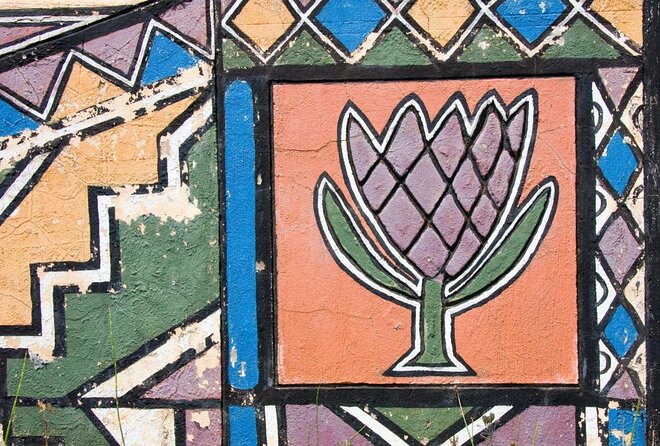
- Homestead walk with real examples of different tribal home styles and layouts
- Dressing code explanations, including how outfits differ by occasion
- Food market and arts and crafts stops that help you connect culture to everyday life
- Songs, drumming, and dance with interactive moments
- Small group size (max 6) so questions do not get lost in the crowd
Lesedi Cultural Village in One Day, What You Actually Get
Lesedi Cultural Village is built for one thing: helping you understand culture as something people practice, not something you only watch. In a single day, you get an intro session, an easy walking route through different village sections, and a performance that ties it together with music and dance.
You are there for stories about daily routines, family life, and celebrations. You also get the chance to see how people prepare food and what different traditional outfits look like for various occasions. It is part education, part cultural stage show, and part sensory experience, since you will be surrounded by sound, movement, and food smells.
I like that the day is organized so you do not just sit. The “walk and learn” format keeps it moving, and it also gives you time to ask questions when something is unclear. You are not forced into rushing, either, because the walking is described as light.
More Cultural Village Tours in Johannesburg
- Lesedi Cultural Village and Cradle of Humankind Tour
★ 5.0 · 48 reviews - Lesedi Cultural Village Tour
★ 5.0 · 46 reviews - Lesedi Cultural Village
★ 5.0 · 45 reviews
Pickup, Private Transport, and Your Driver Guide
This is a no-stress way to do it if you are staying in the Johannesburg area. You get private transport with a driver guide, plus entry included. That matters, because the day has enough moving parts without you needing to manage directions, parking, or ticket queues yourself.
The group stays small, limited to 6 participants, so your guide can actually respond to questions instead of giving generic answers. English is the main language, and you should expect a guided explanation throughout the ride and at the village itself.
A detail I really appreciate from real experiences is the way a good driver guide can set the context before you even arrive. One guide named Thabelo is specifically mentioned for giving an in-depth explanation on the history of Johannesburg and South Africa during the drive. If you get someone like that, you will start the visit with your bearings fast.
The Intro Session That Sets the Tone
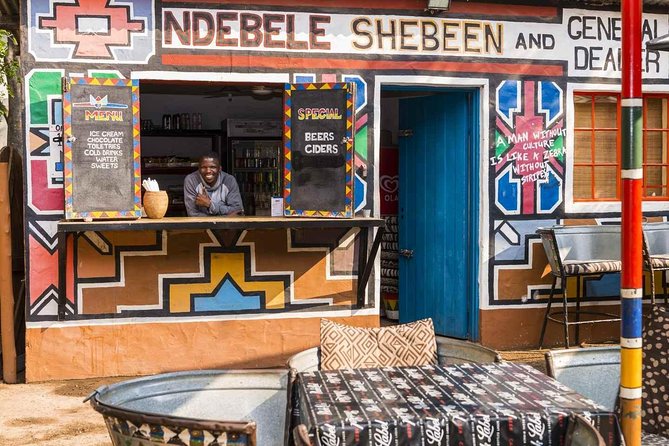
Before you wander, you get an introductory session that acts like a quick guide to how different cultural groups are presented in the village. The goal is to get you oriented, because you are walking through sections that represent different traditions.
This is the part that helps the rest of the visit click. When the guide explains what you are about to see, you start noticing the details that you might otherwise miss, like why certain homes are built the way they are or why specific clothing matters.
Expect it to feel like learning through story rather than facts on a board. You may hear how people live day to day, how children are raised, and how community life is structured. That context makes the later performance and food parts feel connected, not separate.
Easy Walking Through Tribal Homesteads and Homes
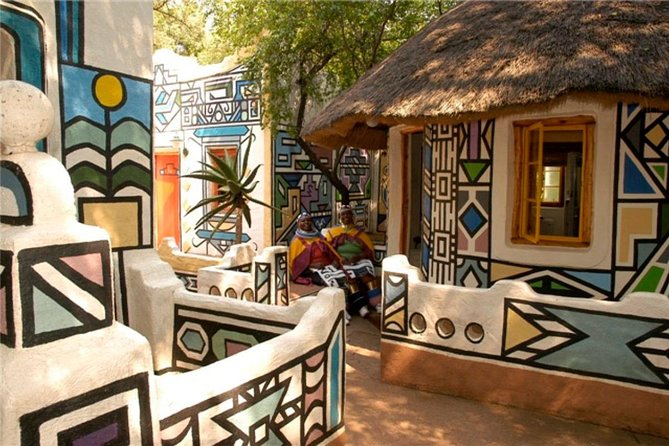
Next comes the best “see it with your eyes” part: a joyful, easy walk through the village sections. You will spend time moving between different tribal home areas, observing how homes are built and how each section is arranged.
The walk is described as about 45 minutes of light walking. That is helpful because it sets expectations. You will be on your feet, but you are not doing a long hike. Also, the site is described as wheelchair accessible, so this is set up to accommodate visitors with mobility needs.
What I like most here is that the village does not treat architecture like decoration. You learn how people conduct daily life within these homesteads, and you see how families structure their days around home and community space.
If you like travel that is visual and practical, this section is for you. Bring your camera, but also keep your eyes open for the “why” behind what you see. The guide explanations are what make the walking stop feel worthwhile instead of just pretty.
More cultural village visits in Johannesburg:
- Johannesburg: Lesedi Cultural Village Experience
★ 4.6 · 43 reviews - Johannesburg: Cradle of Human Kind & Lesedi Cultural Village
★ 4.6 · 31 reviews - Johannesburg: Lion Park Safari and Cultural Village Tour
★ 4.8 · 12 reviews - Cradle Of Humankind, Lesedi Cultural Village & Lion’s Park
★ 4.7 · 10 reviews
Dressing Codes, Outfits by Occasion, and What Details Mean
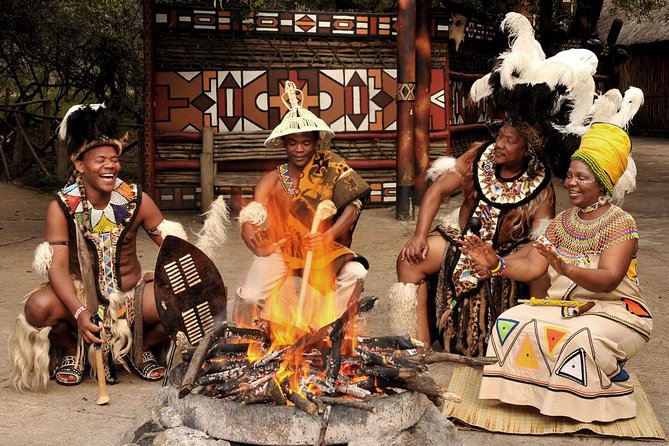
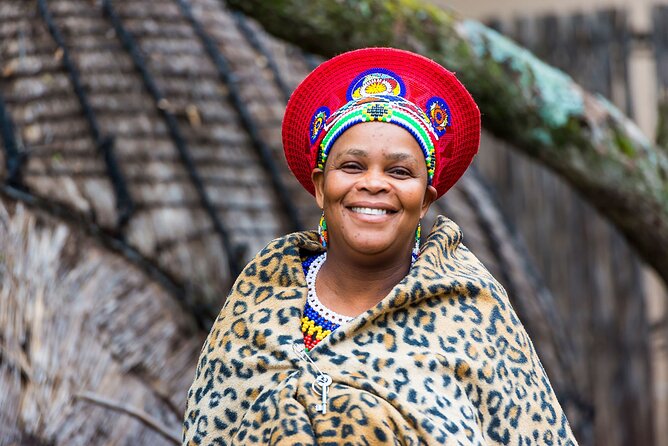
One standout part of the visit is learning about clothing. You will be introduced to code of dressing, and you will also learn how outfits differ for various occasions within each cultural group.
This is more than “traditional clothing for photos.” It helps you understand the social signals built into clothing choices, like what is worn for special events and what the meaning can be behind those styles. When you know what the guide is pointing out, your photos become more than snapshots. They become a record of explanation.
I also find this section surprisingly useful if you are planning other cultural visits. Clothing is often one of the first things you notice when you travel, but it can be easy to misunderstand. Here, the village helps you approach it with more respect and clarity.
Daily Life, Family Upbringing, and Community Routines
As you move through the different sections, you learn how people conduct their day-to-day lives. Expect discussion about routines, family structure, and how children are brought up and looked after.
This part is valuable because it helps you connect culture to ordinary moments. You are not only hearing about ceremonies and celebrations. You are also hearing about what life looks like on a typical day and how community support works.
If you tend to prefer human-scale explanations, you will probably appreciate this. It is the difference between seeing culture as a performance and understanding culture as something that shapes everyday choices, relationships, and responsibilities.
Food Market Visit, Arts and Crafts Stops
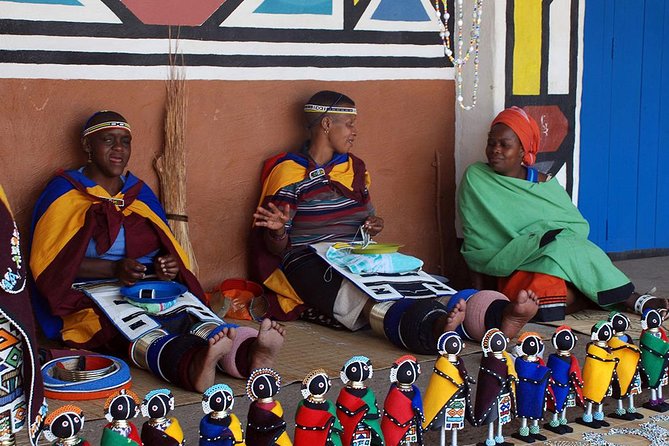
The experience includes a food market visit and an arts and crafts market visit. This is where culture becomes tangible, because you get to see how food preparation and craft work fit into daily life and local identity.
I like that the day does not treat food as an afterthought. You learn how different dishes are prepared, and you get the option to taste a meal and local drink. If you are curious, tasting is where the information becomes real in your mouth, not just in your head.
The arts and crafts stop is also worth your attention. Even if you do not plan to buy much, it is a chance to slow down and see the work behind the objects. Ask questions. Guides often explain what materials or designs mean, and that turns a shopping stop into a learning stop.
Do keep your shopping mindset calm. Prices and value are not provided in the data you shared, so focus on choosing what feels meaningful to you rather than rushing to grab something because it is there.
The Traditional Dance Show, Drums, and Participation
The day ends with a traditional dance show lasting about 2.5 hours. This is not just sitting and watching. Many visitors report interactive moments, including drumming and participation.
That matters because movement is how many cultures communicate. When you experience it, even as an observer, you start understanding rhythm, energy, and social connection. The show also functions like a cultural “summary,” pulling together themes from earlier sections, like celebration after a good hunt or victory after a war.
Songs and dance are the heart of the performance, and the explanations help you understand what you are seeing. If you enjoy live shows, this is the part of the day you will likely remember most clearly.
One more reason it lands well: the guide keeps the mood friendly. The area is described as secure and friendly, so you are not stressed while you watch and listen.
Food and Local Drinks: Budgeting for What Is Extra
Food and drinks are not included in the base price. If you decide to have lunch, the meal costs about $16 per person.
This matters for value. The tour price includes private transport, a driver guide, one bottle of water per guest, and entry fees. So you are paying for the structure and the access. Then you pay extra if you want the full food experience.
At the same time, the experience includes time connected to food. You can taste the meal and try a local drink as part of the program. Some experiences end with a simple but varied dinner, though the clean rule to follow is this: expect options, and expect to pay if you want the full meal.
If you want to maximize value, I suggest you set aside some cash or card limit for food and drinks ahead of time, and do not wait until you are hungry. Decision making is easier when you are not making it between performances.
Price and Value: Is $84 Worth It?
At $84 per person for a one-day experience, the value depends on what you want from your visit. If your goal is a guided, structured cultural day with entry included and someone handling the driving, then the price starts to make sense quickly.
You are also getting the small group format, limited to 6 people. In practice, that means more attention from your guide and less time losing questions in a crowd. That is one of the best “value multipliers” on tours.
The main cost you should anticipate is food and drinks. Since lunch can cost about $16 per person if you choose it, add that to your mental budget if food is important to you. If you are planning to only do tastes, you can keep costs closer to the advertised price.
Also note that the experience says there is light walking. If you are comfortable with short walking and you want a cultural visit that is more guided and structured, $84 is a fair deal.
What to Bring and How to Be a Great Visitor
Bring a camera. If you care about photos, also remember to leave time for listening. The best images happen when you are present, not when you are rushing to shoot.
The rules also matter. Alcohol and drugs are not allowed. That helps keep the experience respectful and focused, and it also supports a comfortable environment for the performance.
Also, plan for the walking time. Even though it is light, you will be moving around sections of the village. Wear comfortable shoes, and keep hydration in mind. You get one bottle of water per guest, but if you sweat easily, you might want to bring a little extra too.
Who This Tour Fits Best
This tour is a great fit if you want more than a quick cultural photo stop. You like guided explanations, and you enjoy watching live culture with context. The structure supports that, from homestead walks to the dress code education and then the dance show.
It also works well for people who prefer small groups. With max 6 participants, you can ask questions and get direct answers. If you are visiting Johannesburg and want a one-day cultural outing that does not require heavy planning, it is a smart choice.
If you have mobility needs, it is described as wheelchair accessible. The day includes about 45 minutes of light walking, so you should still plan based on your own stamina, but the site aims to be manageable.
And if you like travel stories with humor, you will probably like this part: the guides often make the ride informative. One guide, Thabelo, is highlighted for being helpful even when someone felt unwell, including arranging a detour so medicine could be found. That kind of quick care makes a difference on a long travel day.
Should You Book Lesedi Cultural Village?
If you want a structured, guided cultural day where you walk through homesteads, learn about clothing and daily life, and end with a long dance show, then yes, you should book. This is exactly the kind of experience that works when you want context, not just entertainment.
Book it if you value small-group attention and you are comfortable with light walking. Also book it if food and music matter to you, since you will get food-related learning and the option to taste meals and local drinks.
Skip it only if you are strictly trying to keep everything included and you hate the idea of paying extra for food and drinks. The base price covers entry and transport, but not meals. If that does not fit your budget style, look for an option where meals are included.
If your travel time is limited and you want one place that connects people, homes, clothing, and performance, Lesedi Cultural Village is a strong pick for a day trip.
FAQ
Is the tour in English?
Yes. The live tour guide language is English.
How long is the Lesedi Cultural Village experience?
The duration is listed as 1 day, with the traditional dance show taking about 2.5 hours within that day.
Is food included in the price?
Food and drinks are not included. If you decide to have lunch, the meal costs $16 per person.
What is the walking like?
The walking is described as 45 minutes of light walking.
Does the tour include pickup?
Yes. Pickup is included, with multiple pickup locations offered.
Is the tour wheelchair accessible?
Yes. The place is described as suitable for wheelchairs.
What should I bring?
You should bring a camera.
Are alcohol or drugs allowed?
No. Alcohol and drugs are not allowed.
Newest around Johannesburg
- Soweto Township Tour★ 4.4 · 4 reviews
- Soweto Tuk-Tuk Food & Beer Tour★ 5.0 · 9 reviews
- Soweto Tour; Mandela House; Vilakazi Street; Market Culture★ 5.0 · 6 reviews
- Private Soweto,Mandela House,Apartheid Museum,Constitution★ 4.6 · 15 reviews
- Soweto: Sip & Paint Walking Tour & Take Home a Canvas★ 4.8 · 7 reviews
- Soweto: Hector Pieterson Memorial, to Orlando Towers Tour★ 4.0 · 31 reviews
- Soweto & Johannesburg and Apartheid Museum★ 4.7 · 41 reviews
- Soweto and apartheid museum tour(Half-day)★ 5.0 · 4 reviews
Cultural Village Tours, compared.
Lesedi Cultural Village and Cradle of Humankind Tour
Read our review →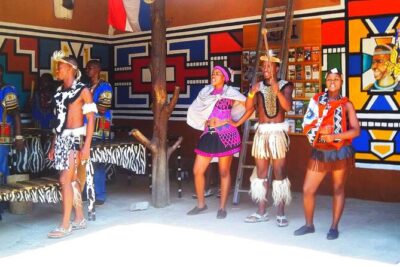


Durban City & PheZulu Cultural Village Day Tour from Durban
Read our review →
Phezulu Cultural Village & Reptile Park Day Tour from Durban
Read our review →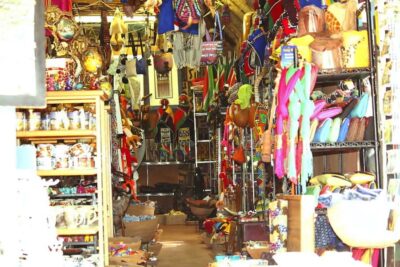
Browse the lists this tour appears in