
Reviewed · CULTURAL VILLAGE TOURS
Lesedi Cultural Village Half-Day Tour
Lesedi Cultural Village turns South African tribes into something you can see, hear, and understand fast, without needing days to plan. I like that the tour keeps its focus on daily traditions and living culture, not just facts on a board. I also appreciate the chance to watch a traditional Zulu dance as part of a guided visit.
In This Review
- What you’ll enjoy, and one thing to plan for
- Key highlights to know before you go
- Lesedi Cultural Village: culture you can understand in 5 hours
- Getting there from Johannesburg: pickup, drive time, and expectations
- Arrival at Lesedi: how the village visit is organized
- Tribal traditions you’ll recognize quickly: Zulu, Xhosa, and Pedi
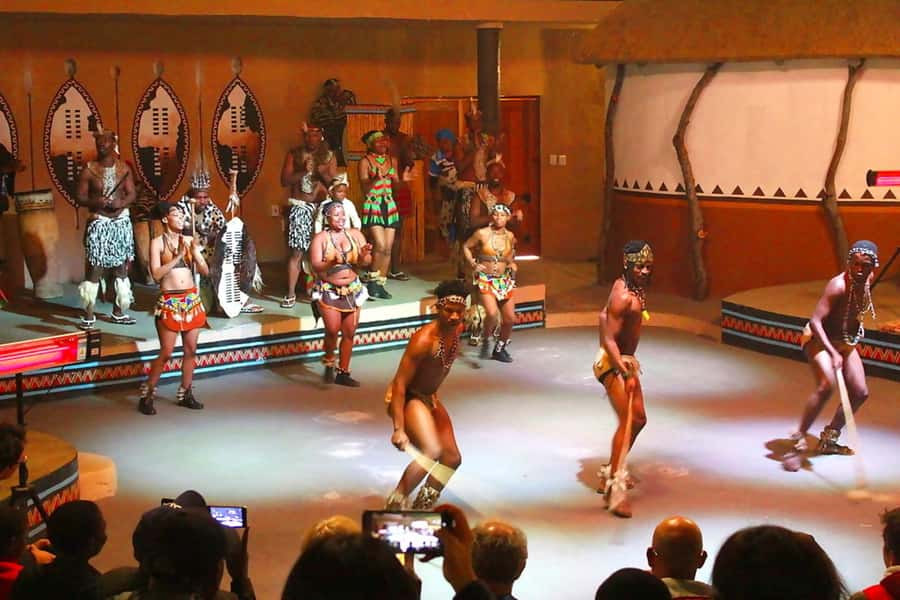
- The Zulu dance experience: performance with meaning
- Homesteads and customs: the parts people remember later
- Traditional cuisine: tasting culture before you head back
- Price and value: what $183 buys you (and why it adds up)
- How long is it, really? The 5-hour rhythm you should plan around
- Who should book this tour, and who might not?
- What to bring and how to get the best experience
- Should you book Lesedi Cultural Village Half-Day Tour?
- FAQ
- How long is the Lesedi Cultural Village half-day tour?
- How long is the drive from Johannesburg to Lesedi Cultural Village?
- Is hotel pickup and drop-off included?
- What is included in the tour price?
- Is the tour guide provided in English?
- How large is the group?
- What cultural experiences are part of the tour?
- Is traditional food included?
- Are alcoholic drinks included?
What you’ll enjoy, and one thing to plan for
You’ll get a structured experience inside the village, with groups designed to give you maximum time with the different traditions, including the look of homesteads and the cultural meanings behind things like fighting sticks and trademark textiles. The only consideration is time: it is a 5-hour half-day format, so you will spend a fair chunk of that on the road from Johannesburg, not wandering freely on your own.
Key highlights to know before you go
- Small group setup (max 15) so the guide can actually explain things clearly
- Zulu dance performance that is part entertainment, part culture lesson
- Tribal homesteads and guided sightseeing that help you visualize how communities lived
- Xhosa blankets, Pedi drums and whistles giving you quick visual and sound cues
- Traditional African cuisine so you taste culture, not just watch it
- Hotel pickup and drop-off from Johannesburg, so you do not fight with local transport
More Cultural Village Tours in Johannesburg
- Lesedi Cultural Village and Cradle of Humankind Tour
★ 5.0 · 48 reviews - Lesedi Cultural Village Tour
★ 5.0 · 46 reviews - Lesedi Cultural Village
★ 5.0 · 45 reviews
Lesedi Cultural Village: culture you can understand in 5 hours
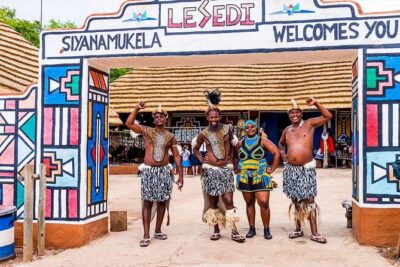
If you want South African culture in a single block of time, Lesedi Cultural Village is built for that. This is not a museum-style visit where you read quietly and move on. Instead, you get a guided, structured experience that helps you connect tribal traditions to everyday life, from the look of homesteads to performance, food, and cultural customs.
One of the smartest things about this tour is the pacing. You are not asked to cram everything in with no guidance. You start with a ride out of Johannesburg, then you get a focused 2.5-hour guided visit that keeps moving at a human speed. And because it is a small group, the guide can keep answers flowing without turning the day into a lecture you cannot follow.
That matters for value. At $183 per person, you are paying for more than an entrance ticket. You are paying for transport, a trained guide, and a tight schedule that saves you planning time and gets you into the experience quickly.
Getting there from Johannesburg: pickup, drive time, and expectations
This tour runs from Johannesburg with hotel pickup and drop-off. You are asked to wait about five minutes in the lobby before the scheduled pickup, which is a helpful detail because it keeps everyone on time and reduces the usual “what door are we meeting at?” stress.
Then comes the reality of South Africa driving times. You spend roughly 80 minutes on the coach each way, heading out into greener, more rural surroundings as you leave the city north of Johannesburg. You can think of this as a transition period. It is long enough to settle in, but not so long that the day feels wasted.
What I recommend you do:
- Wear comfortable shoes. You will be walking around the village during the guided portion.
- Bring sunglasses, because outdoor parts of the visit can get bright.
- Plan for a warm day if you visit in summer, and bring a light layer if mornings or evenings feel cool.
Also, reconfirm the pickup time with the provider the day before. That single step avoids most last-minute surprises with any Johannesburg pickup.
Arrival at Lesedi: how the village visit is organized
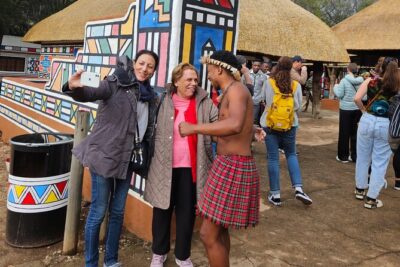
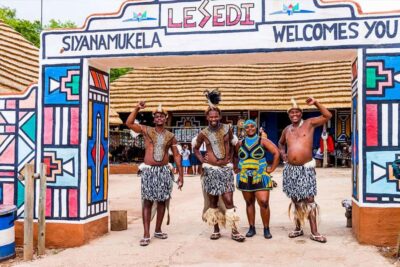
Once you reach Lesedi Cultural Village, the atmosphere changes quickly. The setting feels arranged for visitors, but the point is still education through experience. You get guided sightseeing and a chance to see the homesteads in historical designs, which helps you understand how communities organized daily life.
A key detail is the group format. You are split into groups, and each group gets maximum exposure to the traditions. In practice, that means you are not just passing one area and hoping you catch everything. You get structured time with different cultural elements, so you spend less time wandering around without context.
This also affects your expectations. If you are the type who wants to pick exactly what you see, a guided structure can feel limiting. But if you want the cultural “who, what, and why” explained, the split-group format is a big plus. It keeps the visit from turning into a generic circuit.
More cultural village visits in Johannesburg:
- Johannesburg: Lesedi Cultural Village Experience
★ 4.6 · 43 reviews - Johannesburg: Cradle of Human Kind & Lesedi Cultural Village
★ 4.6 · 31 reviews - Johannesburg: Lion Park Safari and Cultural Village Tour
★ 4.8 · 12 reviews - Cradle Of Humankind, Lesedi Cultural Village & Lion’s Park
★ 4.7 · 10 reviews
Tribal traditions you’ll recognize quickly: Zulu, Xhosa, and Pedi
Lesedi is designed so you can grasp key cultural differences without needing a background course. On this tour, you will learn about multiple tribes and what they value, including the Zulu, Xhosa, and Pedi, plus more.
Here are the specific kinds of details you can look for during the visit:
- Zulu traditions, including why fighting sticks matter in cultural symbolism and identity
- Xhosa trademarks, especially the visual language of blankets and how textiles connect to culture
- Pedi musical cues, like drums and whistles, which create a stronger sense of place than words alone
What I like about this approach is how fast it makes comparisons possible. Once you see the homestead style, the performance, and the cultural markers side by side, the differences stop being abstract.
It is also a reminder that tribal culture is not a single costume or song. It is a whole system of meaning, carried through daily practices, celebration, and community life. You may not agree with every explanation you hear, and that is okay. The value is that you leave with a clearer picture of what traditions represent.
The Zulu dance experience: performance with meaning
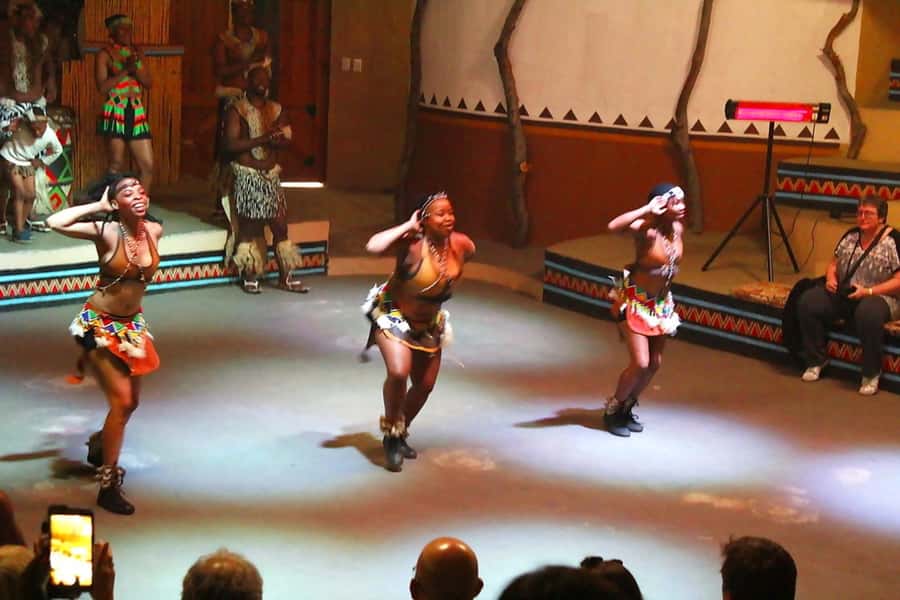
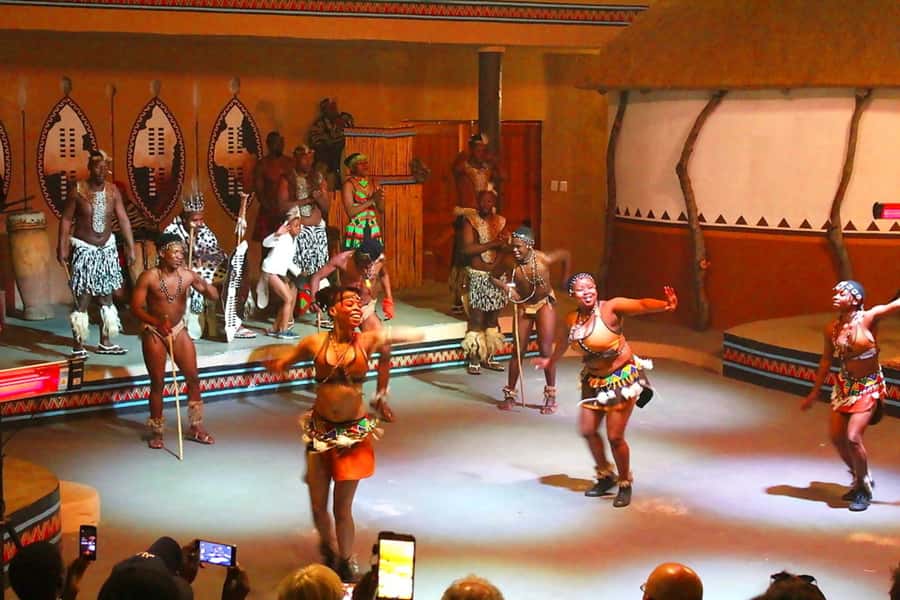
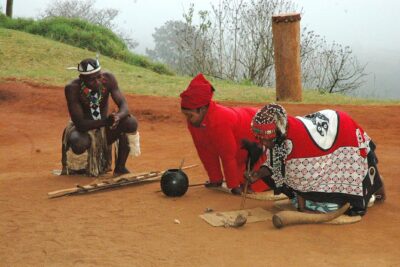
The highlight many people want is the traditional Zulu dance, and it is included here. Watching dance in a cultural village setting is more than a photo moment. You are getting the choreography, energy, and rhythm as part of what the guide explains about identity and community expression.
This is where the small group setup helps. If you are in a large crowd, performances can feel distant. In a limited group of up to 15 participants, you typically get a better view and more space to take in what the guide is pointing out.
If you want to get the most out of the dance moment, do two simple things:
- Watch first, without trying to film immediately. It helps you understand the pattern and purpose.
- Then listen for what the guide connects the performance to, especially the cultural symbolism behind movement and instruments.
Even if you cannot tell every detail of a rhythm, you will feel the structure. That is often the point of cultural performance, and it works well for first-time visitors.
Homesteads and customs: the parts people remember later
A big chunk of the guided time is spent with the homesteads. You see traditional setups with historical designs, and you are not just looking at buildings. The guide connects physical space to how people organize family and community life.
Another custom you may hear about is dowry, explained as part of tribal traditions and described as being paid in cows. This is one of those topics that can sound surprising if you only know South Africa through stereotypes. When it is explained within context, it helps you understand how marriage, alliances, and community values connect.
My honest take: customs like these can feel heavy for a short tour. You are only there for a few hours, and a guide has limited time to cover complex topics. So, if you are the kind of person who needs time to process, take a quiet moment during the guided walk to reset. You are not rushing because the schedule is tight, but you are still moving.
Traditional cuisine: tasting culture before you head back
You also get to enjoy African cuisine as part of the tour. Food is one of the best shortcuts to understanding culture because it is practical and shared. Even when you cannot identify every ingredient, the meal helps you connect the village experience to something everyday people actually do.
Because the tour format is time-limited, the cuisine stop is likely not a long dining event. That can be a positive. You get the tasting part, you get a cultural explanation, then you move on while the day is still energized.
One practical note: the tour does not include alcoholic drinks. If you want a drink with your meal, plan for that separately.
Price and value: what $183 buys you (and why it adds up)
At $183 per person, this is not a budget activity. But when you break it down, the value makes more sense. You are paying for:
- Hotel pickup and drop-off in Johannesburg
- A tour guide
- Entrance fees
- Bottled water
- A coordinated half-day schedule with transport time, plus a guided visit and sightseeing
The most important value factor for me is the small group cap of 15 participants. In many destinations, cultural experiences become less useful when the group is huge, because questions get lost. Here, the group size supports clearer explanations and more attention during performance and homestead viewing.
Also, think about your alternatives. If you try to build your own trip from Johannesburg, you still need transport, you may still need a guide to get context, and you will spend time figuring it out. This tour buys you that coordination.
If you are short on time but want a real taste of culture, this pricing can feel fair.
How long is it, really? The 5-hour rhythm you should plan around
The duration is listed as 5 hours, with about 80 minutes each way by coach and 2.5 hours at Lesedi Cultural Village. That means your on-site time is substantial, but not endless.
This timing works best if you want:
- A concentrated cultural visit
- A day that does not chew up your whole afternoon
- Clear guidance rather than self-exploration
It can be less ideal if you hate fixed schedules or you want to linger at every stop. You will have time to see key elements, but the day is designed to be efficient.
A good strategy is to keep your expectations aligned. You are not signing up for a multi-day deep study of every tribe. You are signing up for a guided snapshot that helps you connect the dots quickly.
Who should book this tour, and who might not?
This tour fits best if you:
- Want South African culture explained in plain language
- Like guided sightseeing and structured experiences
- Enjoy live performance elements like the Zulu dance
- Prefer a small group with up to 15 participants
- Want a convenient Johannesburg pickup and return
You might hesitate if you:
- Have a strong preference for fully independent exploring
- Want lots of free time for photos without guide timing
- Are sensitive to spending time in transit, since the schedule includes the full coach ride
For first-time visitors to South Africa or first-time visitors to Johannesburg, it is a strong “starter culture” day. For repeat travelers, it can still work well if you want a guided overview without planning chaos.
What to bring and how to get the best experience
You do not need a special packing list, but you do need sensible basics:
- Comfortable shoes for walking around the village
- Sunglasses for brighter outdoor sections
- A bottle of water is covered with bottled water, but bring a refill plan if you are prone to thirst
Also, plan your day. This tour ends back in Johannesburg after the drive, so avoid scheduling something that requires punctual arrival right after pickup return.
Should you book Lesedi Cultural Village Half-Day Tour?
If you want a high-impact cultural stop from Johannesburg, I would book it, especially if you care about guided context. The combination of small group size, a strong performance component like the Zulu dance, homestead sightseeing, and a shared traditional meal makes it more than a quick photo outing.
Choose it when:
- You have limited time in Johannesburg
- You want culture explained with clear structure
- You appreciate experiences that mix visual, musical, and everyday elements
Skip it or look for another option if:
- You strongly dislike group schedules
- You need lots of downtime on your afternoon
- You are trying to do the absolute cheapest option with no guide value
My bottom line: this is a compact way to understand South African cultural traditions with enough guidance to make it meaningful, and enough performance to keep it fun.
FAQ
How long is the Lesedi Cultural Village half-day tour?
The tour duration is 5 hours total.
How long is the drive from Johannesburg to Lesedi Cultural Village?
The coach ride is about 80 minutes each way.
Is hotel pickup and drop-off included?
Yes, hotel pickup and drop-off in Johannesburg are included.
What is included in the tour price?
Included are entrance fees, a tour guide, hotel pickup and drop-off, and bottled water.
Is the tour guide provided in English?
Yes, the live tour guide is English, and an audio guide is also included in English.
How large is the group?
This is a small group limited to 15 participants.
What cultural experiences are part of the tour?
You will experience traditional Zulu dance and learn about different tribes’ traditions, including elements associated with Zulu, Xhosa, and Pedi culture.
Is traditional food included?
Yes, you will enjoy African cuisine during the visit.
Are alcoholic drinks included?
No, alcoholic drinks are not included.
If you want, tell me your travel dates and what you care about most (dance, food, homesteads, or explanations). I can suggest the best way to plan your day around the 5-hour schedule.
Newest around Johannesburg
- Soweto Township Tour★ 4.4 · 4 reviews
- Soweto Tuk-Tuk Food & Beer Tour★ 5.0 · 9 reviews
- Soweto Tour; Mandela House; Vilakazi Street; Market Culture★ 5.0 · 6 reviews
- Private Soweto,Mandela House,Apartheid Museum,Constitution★ 4.6 · 15 reviews
- Soweto: Sip & Paint Walking Tour & Take Home a Canvas★ 4.8 · 7 reviews
- Soweto: Hector Pieterson Memorial, to Orlando Towers Tour★ 4.0 · 31 reviews
- Soweto & Johannesburg and Apartheid Museum★ 4.7 · 41 reviews
- Soweto and apartheid museum tour(Half-day)★ 5.0 · 4 reviews
Cultural Village Tours, compared.
Lesedi Cultural Village and Cradle of Humankind Tour
Read our review →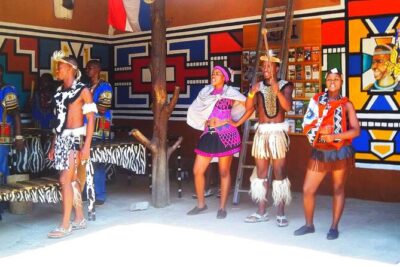

Durban City & PheZulu Cultural Village Day Tour from Durban
Read our review →
Phezulu Cultural Village & Reptile Park Day Tour from Durban
Read our review →
Browse the lists this tour appears in