
Reviewed · WALKING TOURS
Durban: Local Markets and Culture Guided Walking Tour
Durban markets are a lesson you can walk. I love how guide Johnny turns Durban history into something you can see, not just read, as you head from the city streets into real market lanes.
You’ll also get a satisfying payoff with Bunny Chow lunch at North Beach after the morning’s shopping and walking. The main consideration is that this is a true walk day, about 8,000 steps, plus minibus rides, so it is less ideal if you want lots of downtime.
In This Review
- Key things to look forward to
- Meeting in Morningside, then getting Durban’s lay of the land
- The minibus combi experience, why it feels like the real Durban
- Warwick markets by morning, where shopping meets everyday life
- Bridge market and the in-between neighborhoods
- Indian markets, Durban’s culinary and cultural mix
- Muti (traditional medicine) market, what you see and how to approach it
- Victoria Street Market, the shopping sweet spot for real prices
- From markets to the beachfront, moving Durban end to end
- Bunny Chow at North Beach, Durban’s signature comfort food
- Price and value: why $68 can make sense here
- What to bring (and what to do with your energy)
- Who this tour suits best, and who should rethink it
- Should you book this Durban local markets tour?
- FAQ
- How long is the Durban markets and culture guided walking tour?
- Where do I meet the guide?
- How does the tour handle transportation?
- Is lunch included, and what kind of lunch is it?
- Are beverages included with lunch?
- How much walking is involved?
- Is the tour suitable for wheelchair users or very elderly travelers?
- What are the cancellation and payment options?
Key things to look forward to
- Minibus combi rides that show how Durban actually moves
- Johnny’s market context, so stalls feel meaningful, not random
- Multiple market areas including Indian markets and Warwick/Bridge area stops
- Muti (traditional medicine) market with traditional healers and remedies for sale
- Victoria Street Market shopping for spices, crafts, and souvenirs
- North Beach lunch with Durban’s signature Bunny Chow
Meeting in Morningside, then getting Durban’s lay of the land
The tour starts at Tekweni Backpackers, 169 Ninth Avenue, just off Florida Road in Morningside. It is a good setup for people staying around Durban’s central area, and there is safe parking if you’re arriving by car or rental.
Right at the beginning, you get a quick orientation. That first bit matters because Durban’s neighborhoods can feel different street to street. Once you understand what you are looking at, the markets stop being a “shopping detour” and start feeling like the city in miniature.
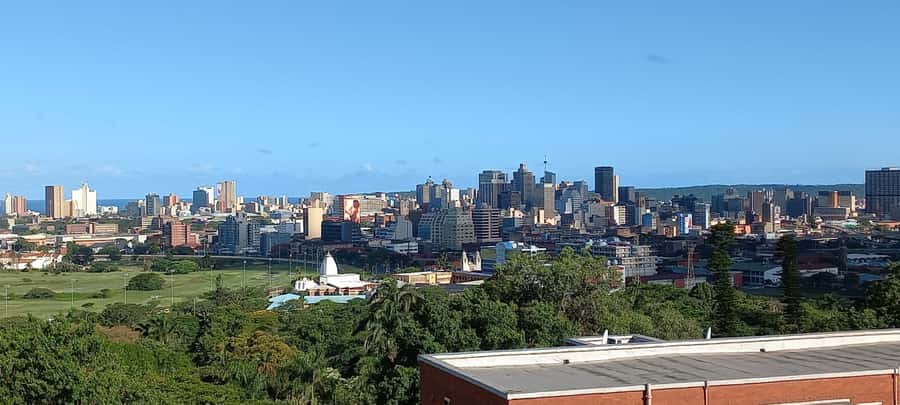
You’ll also do an early viewpoint/photo stop before heading out. It helps you get your bearings fast, and it gives you a simple visual reference point for the rest of the day.
More walking tours in Durban:
- Culture Walking Tour of Durban
★ 5.0 · 110 reviews - Durban: City Sightseeing and Walking Tour
★ 4.6 · 98 reviews - Durban: Top 10 City Sights and Walking Tour
★ 4.1 · 69 reviews
The minibus combi experience, why it feels like the real Durban
A big part of the value here is transport by local minibus taxis (combis). You are not stuck in a tourist bubble bus loop. Instead, you ride like a local passenger, with the guide explaining how things work as you go.
That does two things for you. First, you learn the rhythm of everyday travel in Durban. Second, the group moves efficiently between market zones without turning the day into nonstop walking.
Practical tip: keep an eye on your belongings and be ready to move when it is time to board. Combi taxis are friendly, but they are also busy and practical by nature.
Warwick markets by morning, where shopping meets everyday life
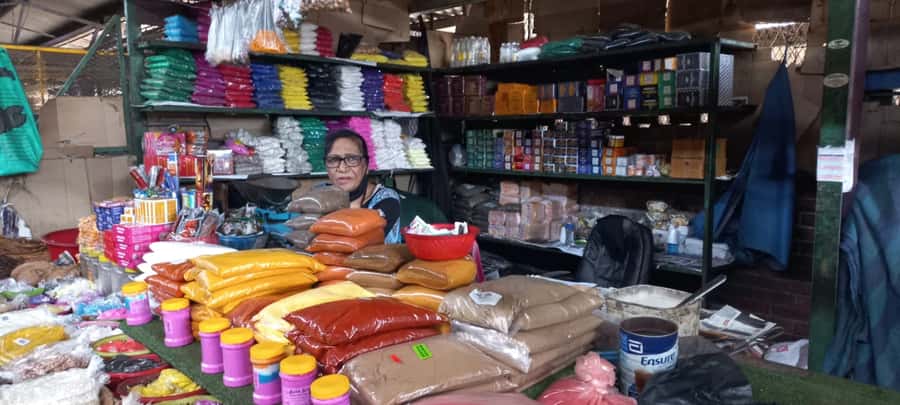
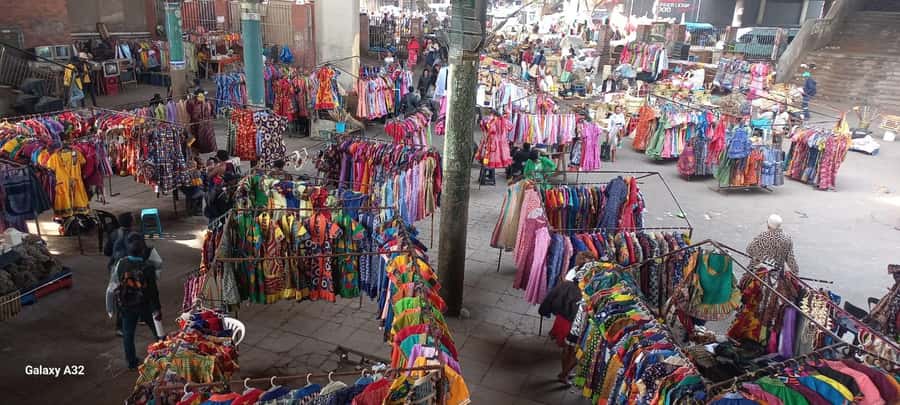
The morning begins with the Markets of Warwick. This is the start of your guided walk through several market areas, and Warwick sets the tone: tight lanes, lots of conversation, and plenty of everyday commerce.
If you like markets, you’ll notice something right away. These stalls are not built for tourists first. They are built for locals who need ingredients, supplies, and household goods. That means the “sales pitch” feels more like a neighborhood exchange than a performance.
Keep your cash handy. Bring small bills if you can, because market shopping tends to be easiest when you can pay quickly.
Bridge market and the in-between neighborhoods

After the Warwick stop, you shift to the next cluster via public transport, then return to walking around the bridge market area. This part feels like a connector between zones. You get to see how people flow between market spaces and how different streets serve different purposes.
It is also where you’ll start appreciating the logic of the tour. Rather than hitting one giant market and rushing through it, you are moving through Durban’s market “map,” which makes shopping feel more intentional.
If you get overwhelmed in crowds, take it in steps. Literally. The pace is slow, but the environment is still active. Think of it as a moving classroom, not a museum.
A few more Durban trips worth comparing
- Durban: 30-Minute Harbor Boat Cruise
★ 4.7 · 665 reviews - Durban: 1-Hour Boat Cruise from Wilson’s Wharf
★ 4.7 · 496 reviews - Durban Point Waterfront: Luxury Canal Boat Cruise
★ 4.4 · 298 reviews - Durban: Pontoon Boat Harbor Cruise
★ 4.4 · 182 reviews
Indian markets, Durban’s culinary and cultural mix

Next come the Indian markets. Durban is known for strong Indian cultural influence, and these stalls make that visible through spices, food items, and the everyday business of cooking and home preparation.
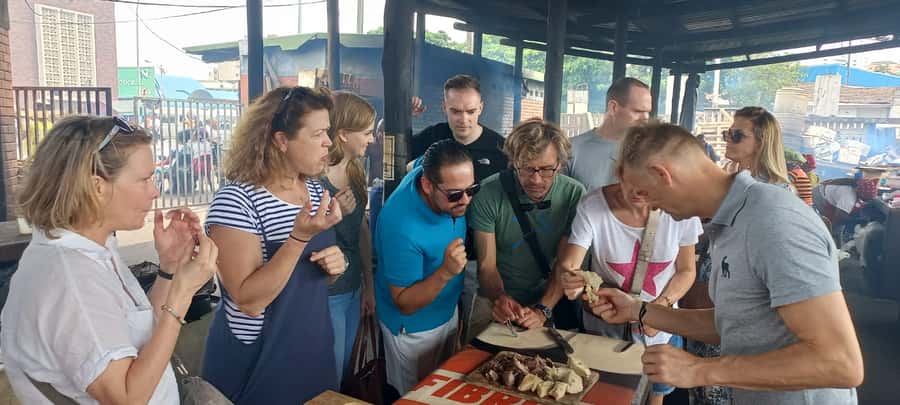
I like that this stop is guided. Without context, market shopping can turn into random browsing. With the guide’s explanations, you start seeing what each section is for, which also helps you spot good buys.
Also, if you care about food, you’ll feel the thread connecting markets to your lunch later. Durban’s food culture is not separate from its markets, and the tour quietly shows you that.
Muti (traditional medicine) market, what you see and how to approach it
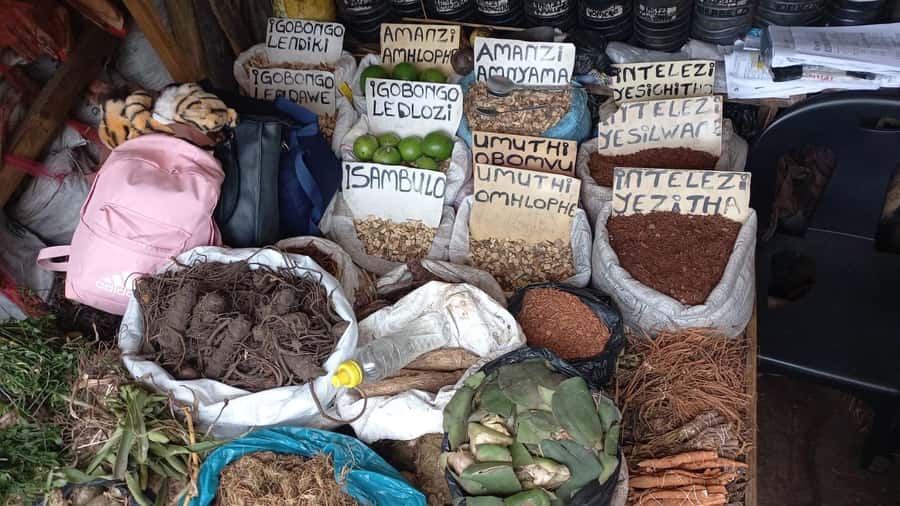
One of the most talked-about stops is the African medicine (Muti) market. The stalls here are tied to traditional healing practices, with remedies and products sold alongside explanations by people who practice or advise within that system.
This stop can be surprising if you expect only spices and souvenirs. It is also one of the most important cultural moments on the tour because it shows how traditional knowledge still plays a real role in daily life.
How to handle this respectfully:
- Approach calmly and ask questions if your guide says it is appropriate.
- Don’t treat it like a science lab. These are traditions with their own meaning and context.
- If you don’t want to shop, just watch and listen. You’ll still learn.
You’ll also likely feel that the guide’s local standing helps. People interact more naturally when they recognize the person leading the walk, and that can make a difference in comfort and flow.
Victoria Street Market, the shopping sweet spot for real prices
By the time you reach Victoria Street Market, you’re ready. You’ve already seen multiple market zones, you understand the vibe, and you have a clearer sense of what you want to bring home.
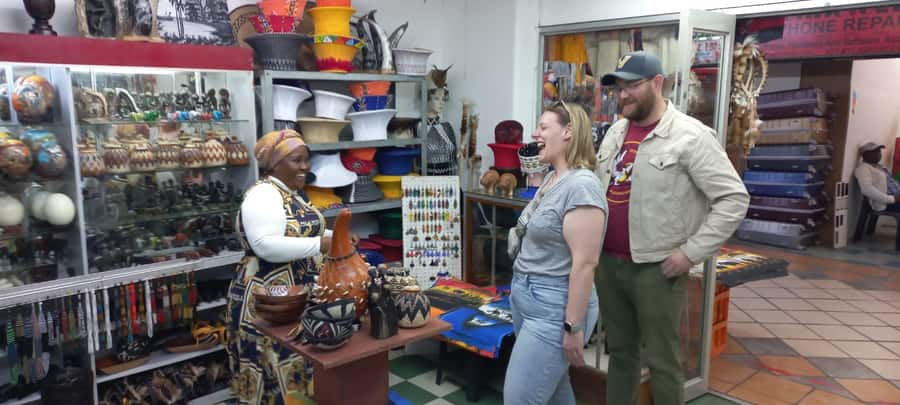
This is where the shopping payoff often happens. You’ll see spices, local goods, and souvenir-style items, and the guide can help point you toward places that tend to be better value than you might assume from purely tourist-oriented shopping.
Quick strategy that works well:
- Decide what category you want first (spices, gifts, small crafts).
- Compare within the same market area instead of buying the first thing you like.
- Keep your bag organized so you can grab items quickly and avoid handling everything repeatedly.
Also, if you’re photo-friendly, this is a great stop for pictures. The key is to ask first and stay polite. Markets are social spaces, not just photo sets.
From markets to the beachfront, moving Durban end to end
After the morning and early afternoon market rounds, the tour keeps going through the city on foot and by local transport, ending at the North Beach area. This is where the day shifts from shopping intensity to a slower, more scenic pace.
I like the logic of the pacing here. You burn energy early, you absorb a lot of street-level context, and then you land by the sea. It feels like a complete loop, city to culture to coast.
You will want to keep hydration in mind. You are walking about 8,000 steps at a slow pace, and Durban sun is not the kind you ignore.
Bunny Chow at North Beach, Durban’s signature comfort food
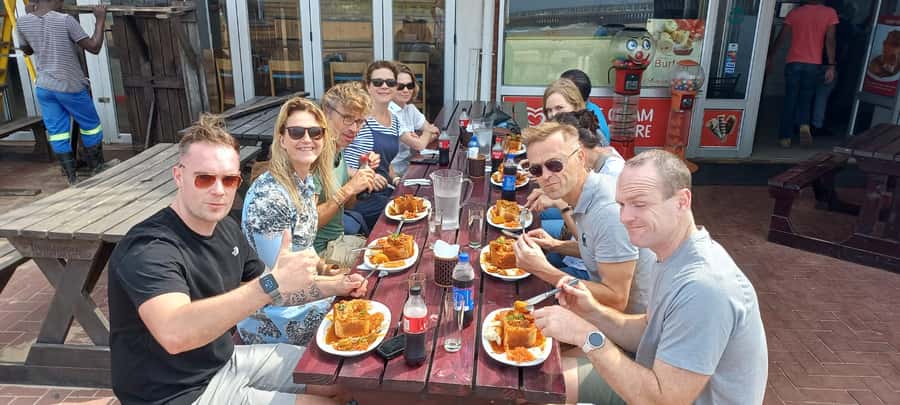
Lunch is included, and it happens at the North Beach promenade. The star is Bunny Chow, Durban’s speciality: bread filled with meat-based curry, eaten straight from the portion like it is street food because, in practice, it is.
The real value of lunch on this tour is not just the meal. It is the timing and the setting. You finish a morning of markets, then you sit down with sea air and a view that makes the whole day feel like a story with an ending.
What to expect at lunch:
- The meal is part of the tour, so you can focus on enjoying it.
- Beverages are not included, so plan for water or soft drinks if you need them.
- You’ll likely feel ready for a pause, even if you love shopping.
If you’re cautious about spice, tell your guide before ordering. The guide can help you match the meal to your comfort level without turning lunch into a negotiation.
Price and value: why $68 can make sense here
At $68 per person for about 330 minutes (about 5.5 hours), this is not a low-cost “walk and go” activity. But the value comes from three specific things you would otherwise pay for or miss:
First, you get guide-led access across several market areas, not just one stop. Second, you ride local transport included in the tour, which is usually the part that feels confusing when you’re on your own. Third, lunch is included, and Bunny Chow is not just an Instagram plate, it is a proper local food tradition.
So even if you shop lightly, you are still getting a guided cultural route plus transport plus lunch. That bundle is what makes the price feel more reasonable than a simple walking tour.
What to bring (and what to do with your energy)
This tour asks you to be comfortable outdoors and on your feet. Bring:
- Comfortable shoes (non-negotiable)
- Sunglasses, sun hat, sunscreen
- Water
- Comfortable clothes
- Cash for market purchases
The tour is walkable but not delicate. This is why I recommend it for people who like to move, talk, and ask questions.
One more practical note: the day can run with a bit of flexibility depending on the weather and the flow of the markets. If you hit rain, you might get extra time for stories while you wait and adjust.
Who this tour suits best, and who should rethink it
This works well for you if:
- You enjoy markets and want them explained, not just photographed
- You like food culture and want to connect it to the streets
- You are comfortable with a mix of walking and public transport
- You want to shop with a guide who can help you compare value
It is less ideal if:
- You need lots of sitting breaks and long pauses
- You use a wheelchair (it is not suitable)
- You are over 95 years old (it is not suitable)
If you are the type who wants a quiet, air-conditioned sightseeing day, this will probably feel like hard work. If you like street life, it is one of the best ways to understand Durban fast.
Should you book this Durban local markets tour?
If you want the Durban that locals live in, I’d book it. The combination of market variety, Johnny’s local guidance, combi taxi transport, and a proper North Beach Bunny Chow lunch makes it feel more complete than a standard city walk.
Book it especially if you plan to do more than window-shop. You’ll get a better sense of what to buy, where, and why, and you’ll spend the day with someone who knows the city’s rhythms.
If you can’t handle walking distances or you want a very calm day, consider a more relaxed beach-focused plan instead. This one rewards curiosity and good shoes.
FAQ
How long is the Durban markets and culture guided walking tour?
The tour duration is listed as 330 minutes (about 5.5 hours).
Where do I meet the guide?
Meet at Tekweni Backpackers, 169 Ninth Avenue, just off Florida Road in Morningside. The guide will be waiting inside the premises.
How does the tour handle transportation?
The tour includes public transportation by local minibus combi from the meeting point, and public transportation from the markets to the beachfront.
Is lunch included, and what kind of lunch is it?
Yes, lunch is included. It is Bunny Chow, Durban’s speciality, served at the end of the tour at the North Beach area.
Are beverages included with lunch?
No, beverages with lunch are not included.
How much walking is involved?
The walk is about 8,000 steps at a slow pace.
Is the tour suitable for wheelchair users or very elderly travelers?
No. It is listed as not suitable for wheelchair users and people over 95 years.
What are the cancellation and payment options?
The tour offers free cancellation up to 24 hours in advance for a full refund, and it also supports reserve now & pay later (you can book without paying immediately).
Newest around Durban
- Tala Game Reserve & Natal Lion Park 1/2 Day Tour from Durban★ 3.0 · 13 reviews
- Shakaland and Zulu Culture Full-Day Trip★ 4.5 · 7 reviews
- From Durban: Oribi Gorge & Lake Eland Adventure Tour★ 5.0 · 5 reviews
- From Durban: Safari & PheZulu Village Day Tour★ 4.4 · 24 reviews
- From Durban: Hluhluwe Imfolozi Game Reserve Day Trip★ 4.5 · 13 reviews
- Durban: Hluhluwe Imfolozi Safari & iSimangaliso Tour★ 5.0 · 22 reviews
- Half Day Tala Game Reserve & Natal Lion Park from Durban★ 3.3 · 16 reviews
- Half Day Durban City Tour and Phezulu Safari Park★ 4.3 · 4 reviews
Walking Tours, compared.



Browse the lists this tour appears in