
Reviewed · WALKING TOURS
Guided Marine Walk: – Sardinia Bay (Marine Protected Area) – 3 hours
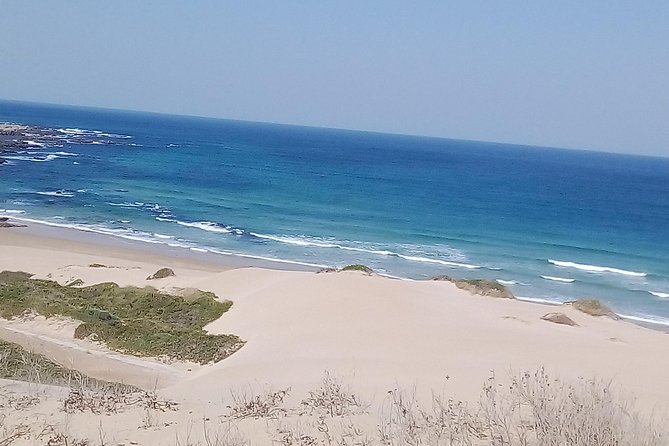
Sardinia Bay looks wild even before you learn its secrets. This guided marine walk in the Sardinia Bay Marine Protected Area is built around close observation, from how dunes form to what animal signs and tidal pools reveal about the coast’s living world. You get a simple, hands-on way to read a shoreline that many people just walk past.
Two things I really like about this experience are the focus on native flora and fauna and the guided skills that help you spot life indirectly, like animal tracks and marine leftovers tucked in tidal pools. You also get real time out on the beach and rocky edges, so the lesson sticks because you can see what the guide is talking about.
One drawback to plan for is that this is weather-dependent, and if conditions are poor you may need to reschedule. The provider asks you to contact them first to check conditions, and that matters for avoiding wasted trips.
In This Review
- Key highlights worth knowing before you go
- Sardinia Bay Marine Protected Area, Why This Walk Feels Different
- What a 3.5 Hour Guided Marine Walk Looks Like From the Sand
- The Beach Stop: Tracks, Tidal Pools, and Signs You Can Actually Read
- Dune Rock and the Geology Lesson You Will Notice Immediately
- Snorkeling Equipment for a Closer Look at the Marine World
- Private Tour Time: Why Only Your Group Matters
- Price and Value: Is $34.17 Good for What You Get?
- Practical Tips That Make the Walk More Enjoyable
- When to Go and What to Expect From Seasonal Conditions
- Should You Book the Sardinia Bay Guided Marine Walk?
- FAQ
- How long is the guided marine walk?
- Where does the tour start?
- Is this a private tour?
- How much does it cost?
- Is snorkeling equipment included?
- What kinds of things will you learn and look for?
- What marine life might you see?
- What are the operating hours?
- What weather conditions does the tour require?
- What is the cancellation policy?
Key highlights worth knowing before you go
- Marine Protected Area rules mean you are watching intact habitats, not collecting from them
- Learn to read animal tracks, not just spot animals when they happen to show up
- Dune formation and Dune Rock geology add context to what you see along the shore
- Tidal pool viewing helps you notice small marine life that hides in plain sight
- Snorkeling equipment is available to hire for a closer look where it is safe
- Private tour format, so you are not squeezed in with strangers
Sardinia Bay Marine Protected Area, Why This Walk Feels Different
This tour is not about rushing to a checklist of big sights. It is about learning how a coastal system works, then using that knowledge while you are standing right there on Sardinia Bay’s sand dunes and rocky shore.
The big reason it feels different is the Marine Protected Area approach. In a protected zone, the rules are about keeping organisms in place, preventing litter, and reducing human disturbance. That means your viewing is grounded in a healthier habitat, and your guide can point out details without the “someone grabbed it already” feeling.
You also get a calm, respectful pace. The experience notes restrictions like no removing dead or alive organisms, no littering, no alcohol or drugs, no loud music, and no fires. It sounds like a list, but in practice it is what makes the place feel cleaner, quieter, and more natural.
More Walking Tours in Port Elizabeth & Addo
- Full-Day Addo Elephant Park & Giraffe Walk
★ 5.0 · 20 reviews - Private Full-Day Addo Elephant Park & Giraffe Walk
★ 5.0 · 16 reviews - Addo Elephant National Park and Giraffe Walk Tracking Safari
★ 5.0 · 4 reviews
What a 3.5 Hour Guided Marine Walk Looks Like From the Sand
You are looking at about 3.5 hours out in the field, and it can run close to 4 hours depending on conditions. The tour meets at Sardinia Bay Road in Gqeberha and returns to the same meeting point.
Expect the time to split into “learn, look, check, repeat” moments. You start at the beach area and work along viewpoints where the guide can teach you what to look for, then you slow down to actually observe it. In a place like this, the difference between seeing and understanding is all in the guide’s timing.
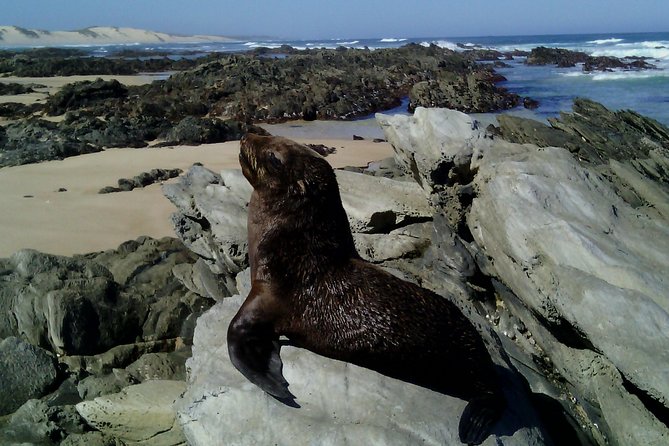
A good sign here is that the tour includes viewing and education focused on marine life and shore ecology. The experience description points to possibilities such as whales, dolphins, seals, otters, sea birds, fish, and rock pool life. You should treat these as sightings you might spot, not guaranteed encounters, because nature is still nature.
If you want your trip to Port Elizabeth to feel more grounded in place and less like a photo drive, this structure helps. You are not just getting a view, you are getting the meaning behind it.
The Beach Stop: Tracks, Tidal Pools, and Signs You Can Actually Read
The main stop is Sardinia Bay Beach, and this is where the guide’s teaching style matters most. Instead of saying “look for animals,” you learn how to read clues. That means you can understand the coast even when the animals are not putting on a show.
You will spend time looking for animal tracks and signs, and also checking tidal pools for marine life left behind by the tide. Tidal pools are perfect for a guided walk because they turn “where did that go?” into “here it is, right here, in miniature form.”
You will also hear about local natural habitats and how seasonal patterns and the moon can change the shape of the shore features. Even if you do not remember every detail, the practical takeaway is powerful: the ocean is reshaping what you see on a daily and monthly rhythm.
One extra plus from the descriptions is the emphasis on learning rare local plants and flowers. That matters because many people only look at the rocks and water. Here you are trained to notice the land-based life too, especially where dunes, wind, and sand create specific conditions.
Dune Rock and the Geology Lesson You Will Notice Immediately
The guide focuses on big geological change, including Dune Rock. That matters because the coast is not static. Sand movement, wind patterns, and long-term shifts in geology shape what looks like a simple beach from a distance.
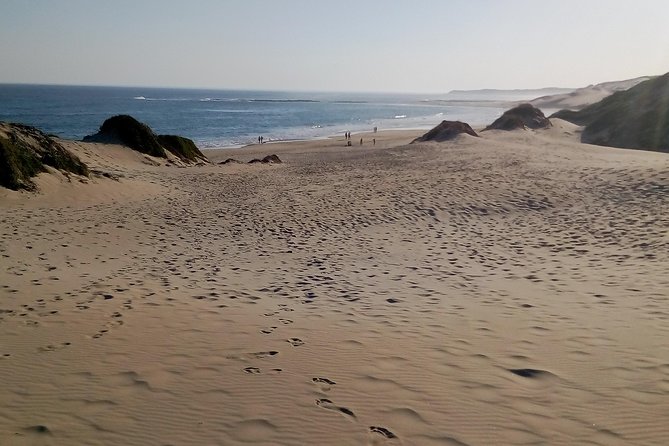
When you understand dune formation, you start seeing why the dunes are shaped the way they are, and why different parts of the coastline feel different under your feet. The experience even mentions how dunes are formed and how changing seasons and moon phases influence the look of the shoreline over time.
If you like science that actually connects to what you can see, this is a strong match. You are not stuck with abstract talk. The geology lesson is there so your eyes get sharper: you begin to map the coast in your mind while you walk.
And yes, it also helps with photography. Rugged rocky edges plus sand dunes give you strong textures, and the guide’s explanations help you frame shots beyond the obvious wide view.
More walking tours in Port Elizabeth:
- Soweto: Walking Tour with a Local Guide and Lunch
★ 4.9 · 648 reviews - Plettenberg Bay: Bungee Jumping with Zipline and Sky Walk
★ 5.0 · 506 reviews - Cape Town: Nathi Langa Township Walking Tour
★ 4.9 · 493 reviews - Cape Town: Art, Culture & History Walking Tour
★ 4.9 · 392 reviews
Snorkeling Equipment for a Closer Look at the Marine World
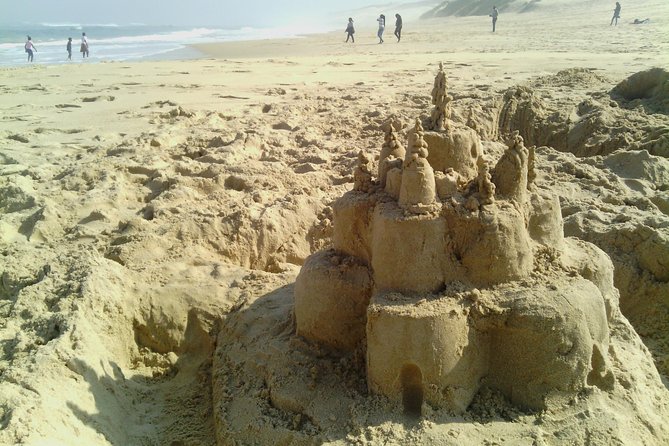
Snorkeling is not the only activity here, but it is part of the package. The experience notes that snorkeling equipment is available to hire, which is useful if you do not want to travel with gear.
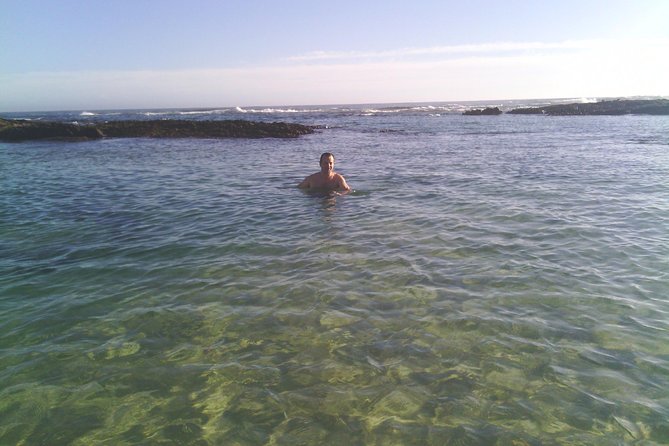
When it is safe and conditions allow, you can use snorkeling or rock pool snorkeling to get closer to the marine environment. The tour also mentions safe swimming in appropriate situations, and the tour setting includes rock pool life and fish, which are exactly the things a snorkeler can investigate more closely.
The key idea for you is to treat the snorkeling as part of observation, not an excuse to swim harder. In a protected area, the goal is viewing responsibly, so you keep your distance from sensitive zones and focus on what the guide directs your attention to.
Also, if you are not a confident swimmer, you can still enjoy a lot of the walk through shore-level viewing and tidal pool observation. You do not need to plan your day around being in the water the whole time.
Private Tour Time: Why Only Your Group Matters
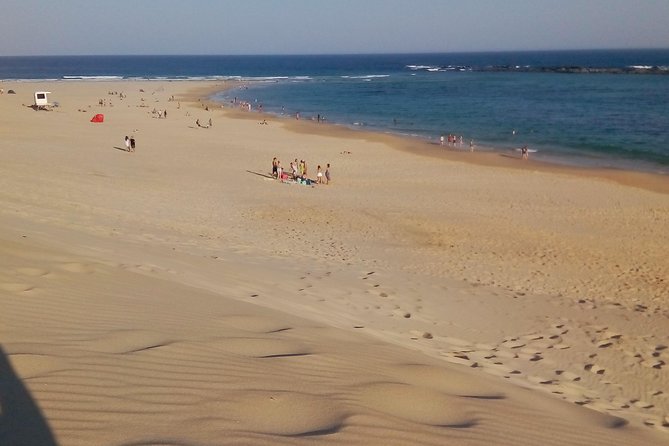
This is listed as a private tour/activity, with only your group taking part. That changes the feel. Questions are easier, pace is more flexible, and the guide can slow down for you if you want extra time at tide pools or on rockier sections.
The tour description also calls out multiple interests, including viewing, education, rock pool snorkeling, surfing (as referenced), and kids playing in rock pools. That suggests the guide is used to balancing different levels of interest, from hands-on curiosity to calmer observation.
There is also a social value here. If you are traveling with family or friends and want a shared learning moment, a private format often makes it easier to keep everyone engaged without waiting for the pace of a larger group.
If you prefer quiet nature time, private also helps reduce the “crowd noise” factor. Even the site rules reinforce that focus, since loud music and fires are not allowed.
Price and Value: Is $34.17 Good for What You Get?
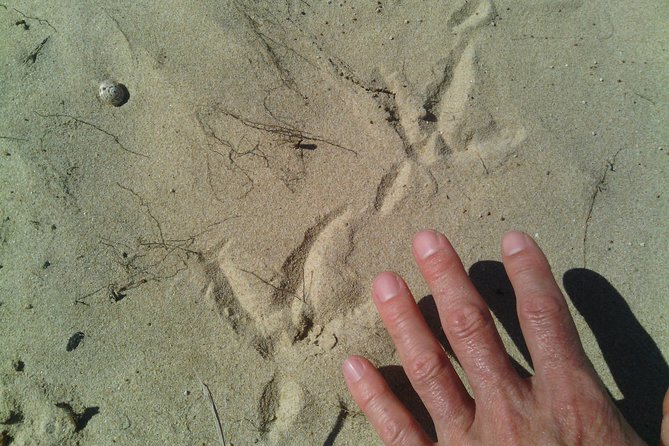
At $34.17 per person, this is not a splurge item. For the value, the biggest factors are the protected-area setting and the guided interpretation you get along the way.
You are paying for three things that are hard to recreate on your own:
- Guided reading of animal tracks and shore signs
- Teaching on dune formation, the role of geology like Dune Rock, and how time affects what you see
- Structured time for tidal pool observation, where a guide can tell you what is worth looking at
You also get a private tour format. Even though the price sounds modest, the experience is not being treated like a crowded bus tour. That means more of your time is spent looking and less is spent waiting.
There is also a practical value angle. The tour has snorkeling gear available to hire, which can save you from buying gear or lugging it with you from home. If you are traveling light, that matters.
I would treat it as a solid value if you care about environment, learning, and careful nature viewing more than big-ticket attractions.
Practical Tips That Make the Walk More Enjoyable
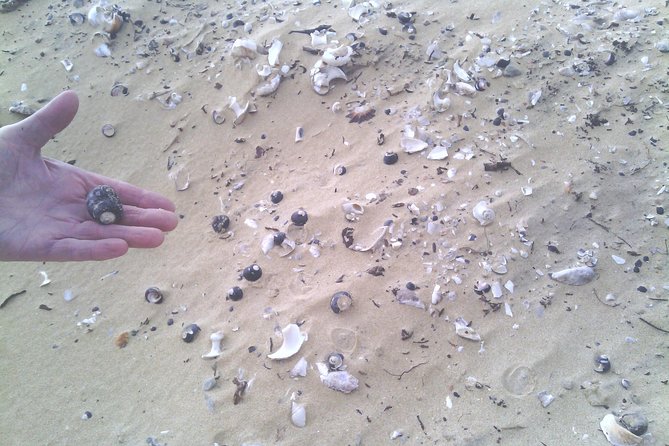
This tour requires good weather. The experience description specifically asks you to contact the provider first to check conditions before booking, so do not treat it like a “set it and forget it” plan. If the weather is adverse, cancellations can happen, and it is better to verify conditions so your day stays smooth.
Here are smart, low-effort things you can do to set yourself up:
- Wear grippy shoes for sand and rocky edges
- Bring sun protection, since beach time can get bright fast
- Bring a small bottle of water
- Use a towel plan if you expect any water activity, especially around rock pools
- If you have kids, plan for curiosity time at rock pools, not just straight-line walking
One more practical point: the tour rules include no alcohol or drugs and no fires, and they also note not to remove organisms. That is a good reminder to keep your mindset aligned with observation. If you go in expecting to treat it like a typical beach stop, the experience will feel more confusing. If you go in expecting to look closely and follow the site rules, it will feel rewarding.
Also, the tour has mobile ticketing. That is convenient, but still keep your phone charged for the check-in moment.
When to Go and What to Expect From Seasonal Conditions
The description hints that summer can be ideal for swimming, and that the beach and dunes offer scenic, romantic sunset views. It also notes a wind-swept, rugged shoreline feeling, so some days can have strong coastal wind.
That wind and weather variability are part of why the “contact us first” guidance exists. If the wind is high or conditions are rough, you may end up focusing more on shore-level viewing and tidal pools rather than longer water time.
The lesson about seasons and moon changes ties into this. You are not just visiting a static photo spot. The coast is moving and changing, and your guide uses that timing to explain what you are seeing in that moment.
So for your planning, pick a day when you can be flexible, especially if you are juggling other Port Elizabeth activities. If you are on a tight schedule with no backup time, you should think twice and coordinate with the provider.
Should You Book the Sardinia Bay Guided Marine Walk?
Book it if you want a nature experience with structure and meaning. This is especially worth it for environmentally-conscious travelers who like learning how to spot life through tracks, tidal pools, and plant observation, not just scanning for animals from a distance.
It is also a good pick if you like private guide attention. The format is built for your group, so it works well for couples, small families, and anyone who wants questions answered in real time.
Skip it or think carefully if you cannot handle the weather variability. Since the tour depends on conditions and the provider asks you to check first, it is not the best choice if you are locking in a schedule with zero wiggle room.
If you do book, I think you will enjoy the best moments when you slow down. Let the guide point out the small stuff, then look again. That is where the Sardinia Bay experience rewards you most. And if you get a guide like Roscoe, expect a friendly, flexible style that takes weather reality seriously.
FAQ
How long is the guided marine walk?
It runs for about 3 hours 30 minutes (approximately), and it can run up to around 4 hours.
Where does the tour start?
The meeting point is on Sardinia Bay Road, Gqeberha, 6011, South Africa. The tour ends back at the same meeting point.
Is this a private tour?
Yes. It is listed as a private tour/activity, so only your group will participate.
How much does it cost?
The price is $34.17 per person.
Is snorkeling equipment included?
Snorkeling equipment is available to hire, so you can get gear for a closer look.
What kinds of things will you learn and look for?
You will meet native flora and fauna, learn about natural habitats, dunes and their formation, and how seasons and the moon can change the shape of the shoreline. You will also look for animal tracks and marine life left behind in tidal pools.
What marine life might you see?
The experience description includes the possibility of whales, dolphins, seals, otters, sea birds, fish, and rock pool life.
What are the operating hours?
The opening hours shown are daily from 8:30 AM to 6:00 PM.
What weather conditions does the tour require?
It requires good weather. The provider asks you to contact them first to check the weather before booking to avoid unnecessary cancellations.
What is the cancellation policy?
You can cancel for free up to 24 hours in advance for a full refund. If you cancel less than 24 hours before the start time, the amount paid is not refunded.
More National Parks in Port Elizabeth
- Addo Elephant National Park All Inclusive Full-Day Safari
★ 5.0 · 256 reviews - Addo Elephant National Park Full Day Safari
★ 5.0 · 110 reviews - Addo Elephant National Park from Port Elizabeth – FD01
★ 5.0 · 78 reviews - Addo Elephant National Park Tour – Full day of Wildlife Wonders
★ 5.0 · 34 reviews
Newest around Port Elizabeth
- Addo Elephant National Park Tour – Full day of Wildlife Wonders★ 5.0 · 34 reviews
- Full Day Addo Elephant National Park Safari wit BBQ:Thentic Tours★ 5.0 · 4 reviews
- Schotia Private Game African Safari Guided Tour★ 5.0 · 5 reviews
- Township Experience – Port Elizabeth★ 5.0 · 5 reviews
- 15-Day All Inclusive Sibuya Wilderness Guided Tour★ 5.0 · 3 reviews
- Port Elizabeth Shore Excursion: Addo Elephant Full Day Safari &”Braai”Lunch(BBQ)★ 5.0 · 34 reviews
- Sandboarding in Jeffreys Bay, South Africa★ 4.5 · 11 reviews
- Kragga Kamma Game Drive and Scenic Coastal Tour in Port Elizabeth★ 5.0 · 8 reviews
Walking Tours, compared.






Browse the lists this tour appears in