
Reviewed · COOKING CLASSES
Cape Town: Authentic African Cuisine Cooking Experience
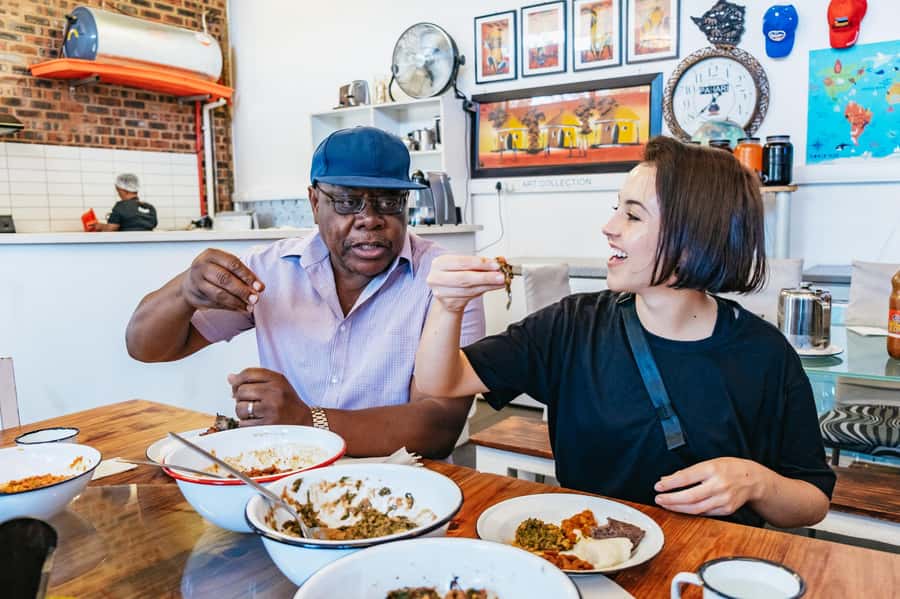
Watching food turn into a shared meal is a great way to understand a place fast, and this Cape Town cooking experience is built around exactly that. You spend 150 minutes cooking classic dishes, hearing how African cuisine and ingredients evolved over time, then sitting down to eat together in a way that feels like a home dinner.
I especially like the step-by-step cooking that stays practical, not just inspirational. I also like that you get a real mix of dishes you can taste and cook, including sadza, stews, and sides, plus drinks like African tea/coffee, juice, and beer.
One consideration: there is no hotel pickup, so you’ll need to make your own way to Pahari African Restaurant and find the host on site, asking for Florence.
In This Review
- Key Things That Make This Class Worth Your Time
- Meeting Florence at Pahari African Restaurant
- What Happens in 150 Minutes, From Drinks to Dinner
- Welcome drinks and starter snacks
- A guided look at African cuisine and ingredients
- Cooking the main dishes, with hands-on time
- Cooking together like it’s a home dinner
- The Dish Lineup, What Each One Teaches You
- Sadza (ground mealie meal): the anchor
- Beef bones with green veggies: hearty and grounded
- Chicken stew: where spice and comfort meet
- Chakalaka: the punchy side
- Sugar beans: satisfying, not fussy
- Drinks That Belong With the Food, Not Just the Occasion
- Communal Eating: Why the Finish Matters
- Vegetarian and Vegan Options, How to Think About Them
- Price and Value: Is $71 Worth It?
- Who This Experience Is Best For
- Practical Tips So You Start Comfortable
- Should You Book This Cooking Experience?
- FAQ
- Where is this cooking experience in Cape Town?
- How long is the experience?
- How much does it cost?
- What dishes will we cook?
- Are there vegan or vegetarian options?
- What drinks and food are included?
- Is the instructor speaking English?
- Where do I meet the host?
- Is hotel pickup included?
- Is free cancellation available?
Key Things That Make This Class Worth Your Time
- Florence and Caleb guide the session, with a family-style approach to both cooking and food history
- Small group size (up to 10) means you actually get hands-on time
- Cook a full meal, not just one dish, including sadza and hearty mains
- Communal eating at the end, so you finish with a real shared dinner feeling
- Vegetarian and vegan options are available, not just a token swap
- Ask for a recipe you can recreate later at home
Meeting Florence at Pahari African Restaurant
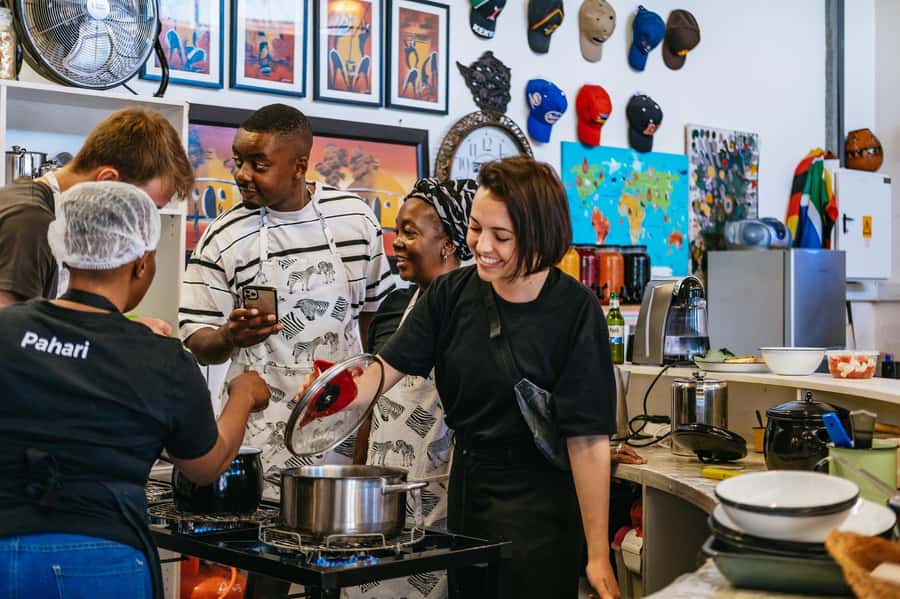
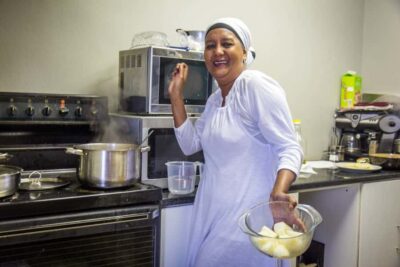
This experience starts at Pahari African Restaurant in Cape Town, in the Western Cape. You’ll arrive and ask for Florence, the co-owner who learned cooking from her mother and has carried those recipes forward through generations. The cooking happens in a separate room next to the restaurant, so you get the comfort of a real local spot without feeling like you’re stuck in a classroom.
One smart thing about this setup: you’re not just watching someone cook. You’re working alongside the hosts in the same setting where the food is already loved. Since the dishes are described as best-selling at the restaurant, you can expect flavors that are built to be enjoyed, not just “instructional.”
A few more Cape Town trips worth comparing
- Cape Town: Malay Cooking Class and Lunch in Bo-Kaap
★ 4.8 · 515 reviews - Authentic African Cuisine Cooking Experience
★ 5.0 · 236 reviews - Cape Town: Cape Malay Cooking Class in Bo-Kaap
★ 4.8 · 120 reviews
What Happens in 150 Minutes, From Drinks to Dinner
The schedule is simple, and that’s why it works. You’ll move through a sequence that mirrors a real home cooking night: drinks and snacks, some context on ingredients and tradition, cooking together, then eating as a group.
Welcome drinks and starter snacks
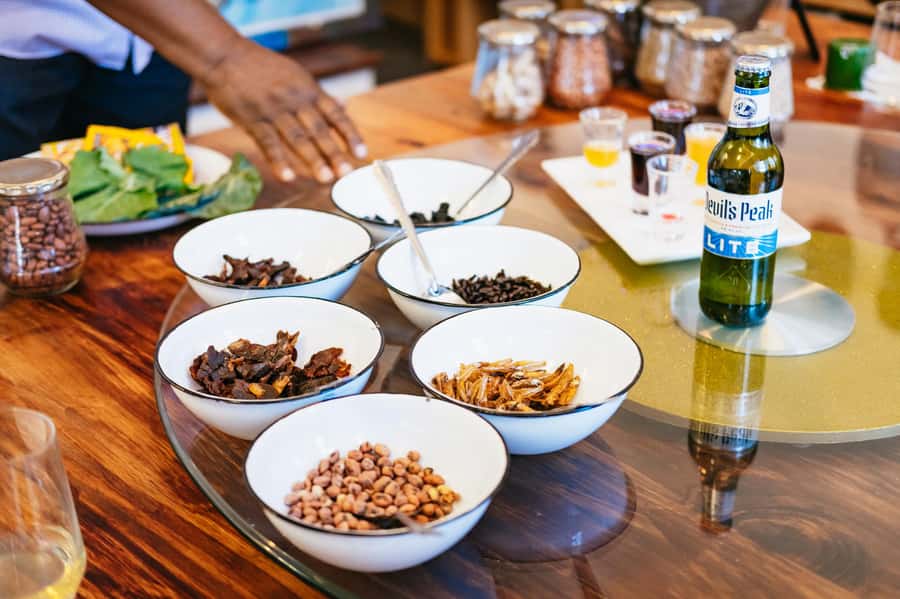
You begin with a welcome set that includes African juice, African beer, and African tea or coffee. Along with that, you’ll get tasty African starter snacks. This is a great moment to settle in and get comfortable with the flavors before the cooking starts.
You might also get a more adventurous starter depending on the day. One past guest described starters that included items like raupen and termiten, and they were surprised at how good they tasted. Even if your menu differs, the key point is that you’re not just sipping politely, you’re sampling.
A guided look at African cuisine and ingredients
Before anyone grabs a spoon, the host explains the history of African cuisine, with a focus on ingredients and how recipes have evolved and been passed down. This part matters, because it gives the dishes meaning. When you understand why a dish is built the way it is, you cook with more intention and you taste more confidently.
English is the language used, so you can follow along clearly. And because the group stays small, you’re more likely to ask the kind of practical questions that pop up while you’re cooking.
Same province, a very different day:
- Wine Tour: Paarl, Franschhoek & Stellenbosch incl 3 wineries
★ 5.0 · 3,940 reviews - Cape Town: Hop-On Hop-Off Bus Tour with Optional Cruise
★ 4.8 · 3,929 reviews - Cape Town: Cape of Good Hope & Penguins Day Tour with Pickup
★ 4.7 · 3,362 reviews - Zipline Cape Town – From Foot of Table Mountain Reserve
★ 5.0 · 3,179 reviews
Cooking the main dishes, with hands-on time
On the day described, you’ll work on several dishes, including:
- Sadza (ground mealie meal)
- Meaty beef bones mixed with green veggies
- Chicken stew
- Chakalaka
- Sugar beans
The class is structured so each person gets a chance to contribute. That turns the experience from a “watch and hope” tour into something you can actually use later. If you like learning by doing, this is the right kind of activity.
You’ll also have vegan and vegetarian options, which is helpful if you’re traveling with dietary needs. The dishes listed above are the main lineup, but the experience is clearly designed to accommodate alternatives rather than leaving non-meat eaters with only sides.
Cooking together like it’s a home dinner
After the cooking steps, you sit down to enjoy the meal together in a communal way, like it’s typically done in an African home. This changes the tone of the whole night. It becomes less about performance and more about eating, talking, and sharing.
The Dish Lineup, What Each One Teaches You
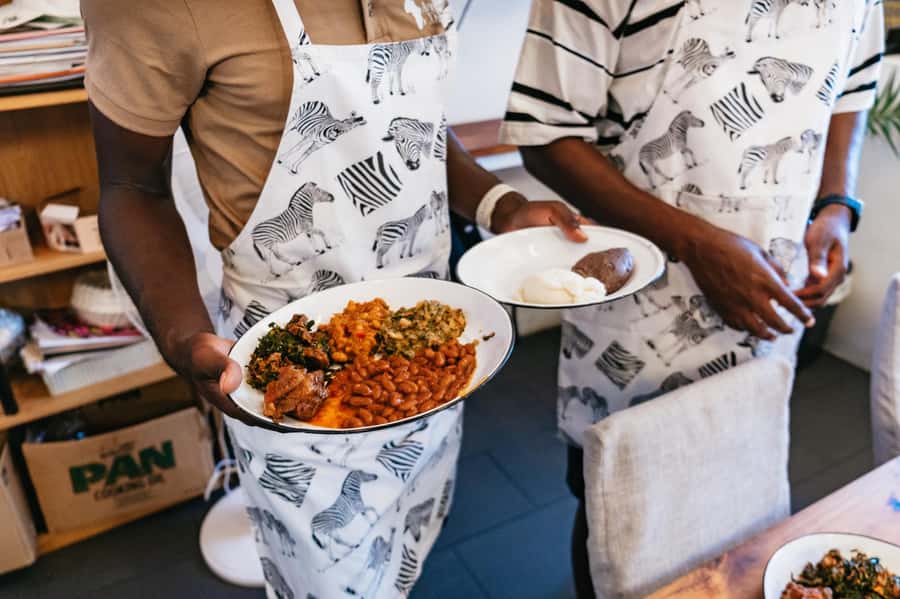
What I like about this menu is that it covers the core building blocks of a satisfying meal: a staple, a vegetable-forward component, a saucy main, and bold condiments or sides.
Sadza (ground mealie meal): the anchor
Sadza is described as one of the main dishes, and it makes sense as an anchor for the meal. It’s not just “something starchy.” It’s the foundation that helps the stews and beans feel complete. When you cook it yourself, you learn how a staple food can carry flavor by absorbing what’s around it.
Beef bones with green veggies: hearty and grounded
The meaty beef bones mixed with green veggies teaches a different lesson than the staple. You’re working with a style of comfort cooking that feels practical, filling, and built to feed people. You’ll also get a sense of how greens can be more than garnish, they can be part of the main flavor structure.
Chicken stew: where spice and comfort meet
Chicken stew is the crowd-pleaser category for a reason. It’s usually forgiving for beginners, yet still takes technique and timing. Cooking it helps you understand how stews become rich through the combination of ingredients and heat management.
Chakalaka: the punchy side
Chakalaka is the dish that brings energy to the plate. It’s the kind of side that can make simple staples feel exciting. If you’re someone who loves sauces or relish-style flavors, you’ll likely enjoy how chakalaka adds contrast and bite.
Sugar beans: satisfying, not fussy
Sugar beans round out the meal with a gentle, filling presence. They also help balance the plate, because the meal isn’t only about one texture. Cooking beans gives you a feel for patience and seasoning that shows up in many African home-style meals.
Drinks That Belong With the Food, Not Just the Occasion
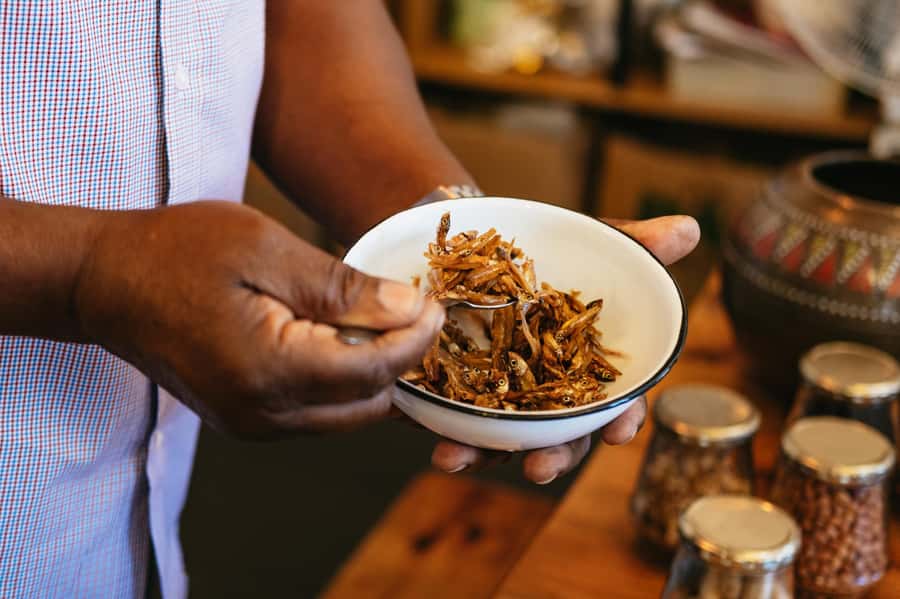
This isn’t a BYOB situation where drinks feel like an afterthought. Drinks are part of the experience, and the lineup is practical:
- African juice
- African beer
- African tea or coffee
I like that tea or coffee comes at the end. It gives the night a clean finish after you eat, and it helps the whole experience feel like a complete evening rather than a cooking demo with snacks.
Communal Eating: Why the Finish Matters
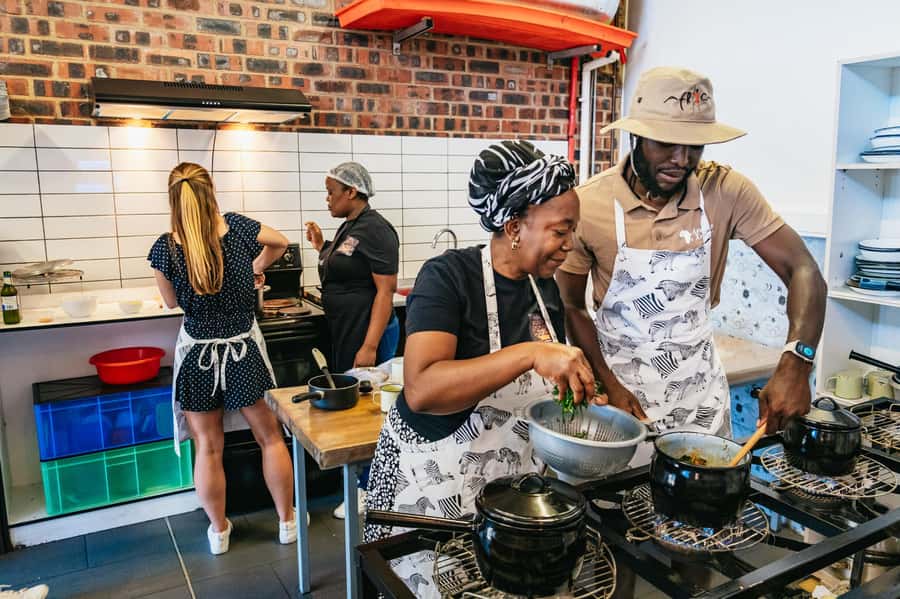
The meal is meant to be shared communally, like you’d experience at home. That means you’re not just plating and leaving. You’re staying, talking, and eating together.
One past guest noted that it can be tricky to eat without the usual fork-and-knife habits, because the meal is often eaten with your hands in a traditional home setup. If you want to participate fully, bring an open mind. If you feel nervous, you can still watch, learn, and join in at your pace.
This is also where the small group format helps. With up to 10 people, the dinner conversation doesn’t feel like forced mingling. It feels natural.
Vegetarian and Vegan Options, How to Think About Them
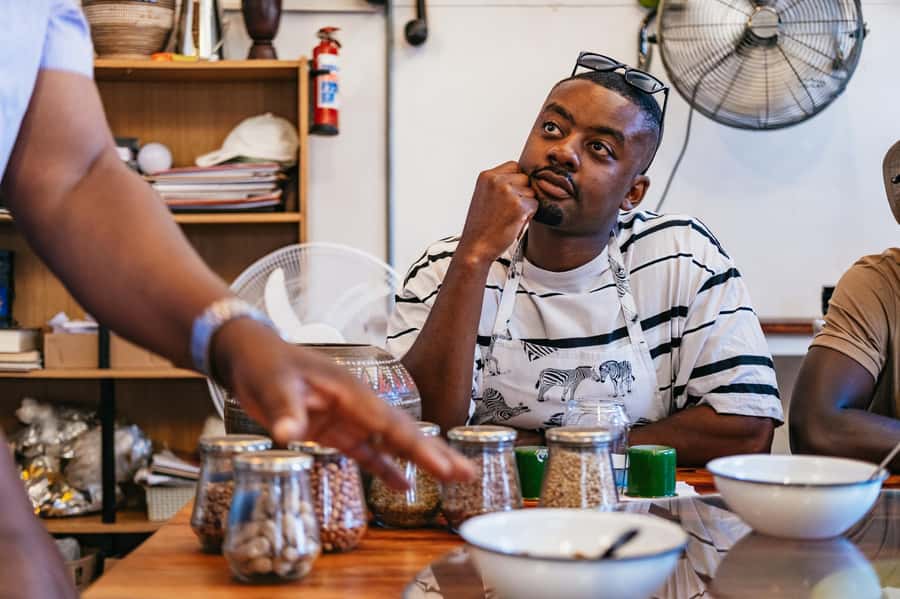
Vegan and vegetarian options are explicitly available, which is a huge plus. Still, keep expectations grounded: you’ll likely be cooking the best-selling dishes of the restaurant style, and the swaps may be designed around that menu logic.
If you have strict dietary needs, I’d treat this as a practical food discussion. Before the first cooking step, clarify what’s safe for you and what ingredients are involved. That way you can relax and focus on learning.
Price and Value: Is $71 Worth It?
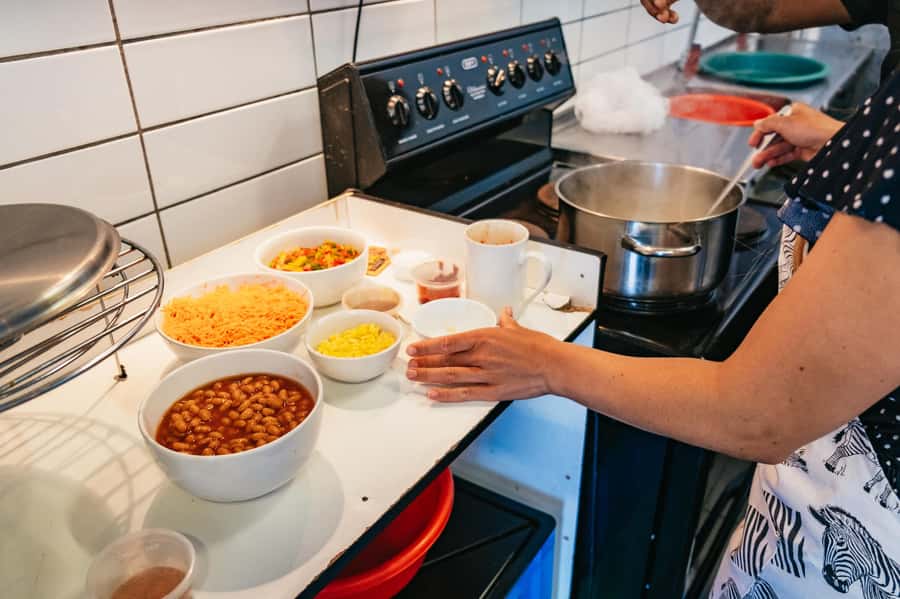
At $71 per person for 150 minutes, you’re paying for more than a meal. You’re paying for:
- Hands-on cooking time with multiple dishes
- A guided explanation of cuisine history and ingredients
- Food and drinks included, including African tea/coffee
- A communal meal you sit down to enjoy
- The chance to request an easy-to-follow recipe afterward
Is it “cheap”? No. But it’s also not just a casual dinner. When you price out a typical meal plus a cooking workshop and factor in the included drinks, this is a solid value for an activity that feels authentic rather than generic.
Who This Experience Is Best For
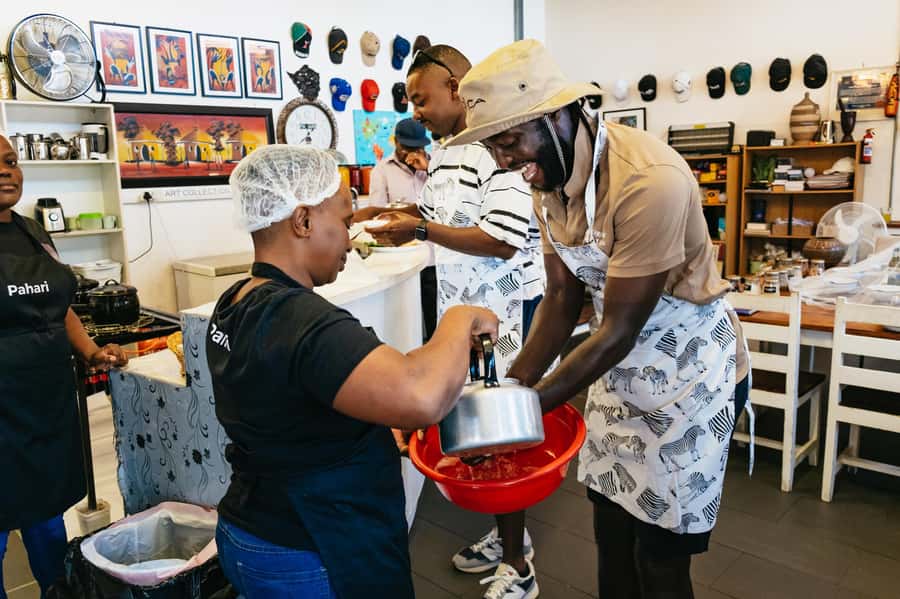
This cooking class fits best if you want more than photos. You’ll enjoy it if you like:
- Learning by doing, not just watching
- Food that’s tied to culture and family tradition
- A small group setting where you can ask questions
- A complete dinner experience, not a short tasting
It also works well for solo travelers, because the communal meal and group cooking create natural conversation without awkward icebreakers.
If you want hotel pickup or a “big bus, big stops” tour style, this is not that. You’ll be on your own to reach the meeting point, and the experience stays tightly focused on cooking and eating.
Practical Tips So You Start Comfortable
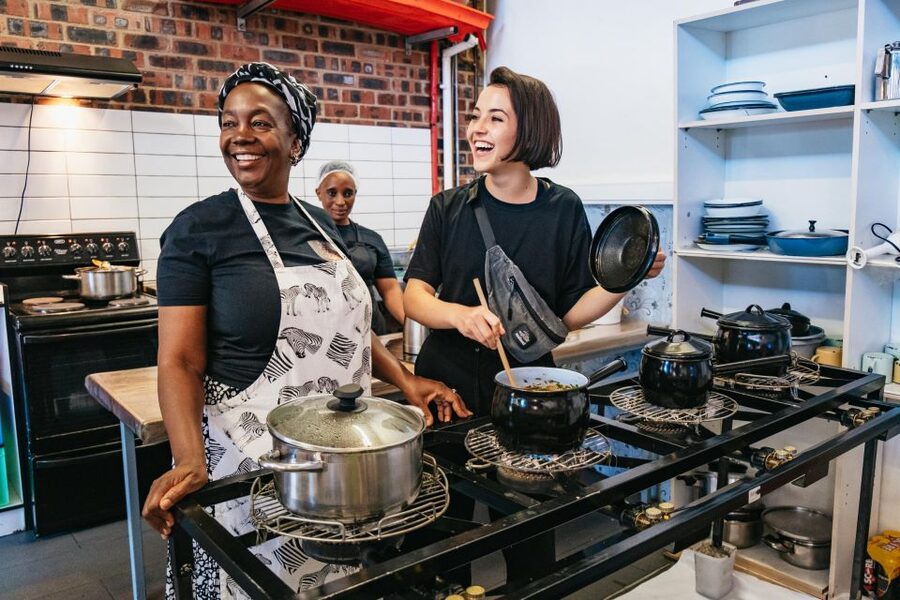
A few small things will help you get the most out of the night:
- Wear clothes you’re comfortable getting a little messy in, since you’ll be cooking and handling ingredients.
- Arrive ready to taste. You’ll be offered starter snacks and drinks before the main cooking work starts.
- Bring questions about what you’re cooking. The history and ingredient talk is part of the fun, especially if you care about how flavors are built.
- Plan to stay for the full dinner. The communal eating and the ending hot beverage are part of why the class feels complete.
Should You Book This Cooking Experience?
Yes, you should book if you want a hands-on, small-group African food experience in Cape Town with real hosts, real cooking, and a dinner you get to enjoy together. The strongest reasons to choose it are the guided food history context, the multiple dishes you’ll learn, and the fact that you finish by sharing the meal.
Skip it if you need hotel pickup, or if you only want a light snack experience instead of a full cooking-and-eating session. Also think about how you feel about cooking time and getting your hands dirty. This isn’t a sit back and taste option.
If you’re happy to lean in, this is one of those nights that teaches you more than just flavor. It gives you a practical recipe path plus a better understanding of why these dishes are cooked the way they are.
FAQ
Where is this cooking experience in Cape Town?
It takes place in the Western Cape, South Africa, at Pahari African Restaurant. The cooking happens in a separate room adjacent to the restaurant.
How long is the experience?
The duration is 150 minutes.
How much does it cost?
The price is $71 per person.
What dishes will we cook?
On the day of the experience, you’ll learn to cook sadza (ground mealie meal), meaty beef bones with green veggies, chicken stew, chakalaka, and sugar beans.
Are there vegan or vegetarian options?
Yes, vegan and vegetarian options are available.
What drinks and food are included?
Included are African juice, African beer, and African tea or coffee, along with the dishes listed for the meal (sadza, beef bones with green veggies, chicken stew, chakalaka, and sugar beans), plus starter snacks.
Is the instructor speaking English?
Yes, the instructor is listed as English.
Where do I meet the host?
Meet at Pahari African Restaurant, and ask for Florence.
Is hotel pickup included?
No. Hotel pickup and drop-off are not included.
Is free cancellation available?
Yes. You can cancel up to 24 hours in advance for a full refund.
Newest around Cape Town
- Private E-Bike Cape Town MTB Trails with a Pro★ 5.0 · 3 reviews
- Taste of Cape Town – food and city tour★ 5.0 · 46 reviews
- Skip the Line: District Six Museum Admission Ticket★ 4.0 · 6 reviews
- E-Bike Cape Peninsula tour★ 5.0 · 7 reviews
- 1-3 Passenger Private Arrival & Departure Cape Town – Airport Transfers★ 4.5 · 17 reviews
- Private Cycling Tour of Constantia Winelands★ 4.5 · 10 reviews
- Private Tour To Stellenbosch Franschoek Wineries from Cape Town Price Per Group★ 5.0 · 4 reviews
- Catamaran Cruise and Sushi Experience in Cape Town★ 4.0 · 6 reviews
Cooking Classes, compared.


Half-Day Small Group Cooking Experience in Franschhoek
Read our review →
GQ: City Walking Tour & African Cuisine Cooking Class
Read our review →
Browse the lists this tour appears in