
Reviewed · WORKSHOPS
Jeffreys Bay: Learn to Surf Group Lesson
That first wobble toward standing is addicting. This Jeffreys Bay learn-to-surf group lesson pairs small groups with a five-step progression so beginners get real coaching, not just instructions from afar. The one catch is that the lesson depends on ocean and weather, so conditions can mean rescheduling or cancellation.
I also like the practical setup. You’re equipped with the essentials right there, board and wetsuit included, and you work from beach practice into waist-deep water, then back for the final push to ride toward the shore. The lesson is suitable for all ages, which makes it a solid pick for families, but it also means you’ll want to be patient if your group has different skill levels.
If you’ve been meaning to try surfing in one of South Africa’s most famous surf towns, this is one of the easiest ways to start. For $28 per person, you get a guided path to your first wave, plus the confidence basics you can use later.
In This Review
- Key points before you go
- Why Jeffreys Bay works so well for your first surf lesson
- How the five-step surf progression actually plays out
- Beach setup: steps 1 to 3
- Ocean practice: waist-deep water for steps 1 to 3
- Back to the beach: steps 4 and 5
- Final ocean practice: paddle, stand, and ride toward shore
- Coaches, group size, and what makes stand-up happen
- Gear and facilities: what you do not have to figure out
- Price and value: is $28 per person a good deal?
- What to bring (and what you can leave at home)
- The reality check: weather, ocean conditions, and your best plan
- Who should book this surf lesson, and who might want a different style
- Should you book this Jeffreys Bay Learn to Surf Group Lesson?
- FAQ
- Where do I meet for the surf lesson?
- What’s included in the lesson price?
- What should I bring with me?
- Do I need to arrange hotel pickup?
- Is this lesson only for adults?
- How long is the lesson?
- What language is the instruction in?
- What if the ocean conditions are bad?
- What’s the cancellation policy?
Key points before you go
- Jeffreys Bay’s oldest surf school (since 2000) means a lot of local experience teaching beginners.
- Small groups for real attention helps you correct your paddling and stance early.
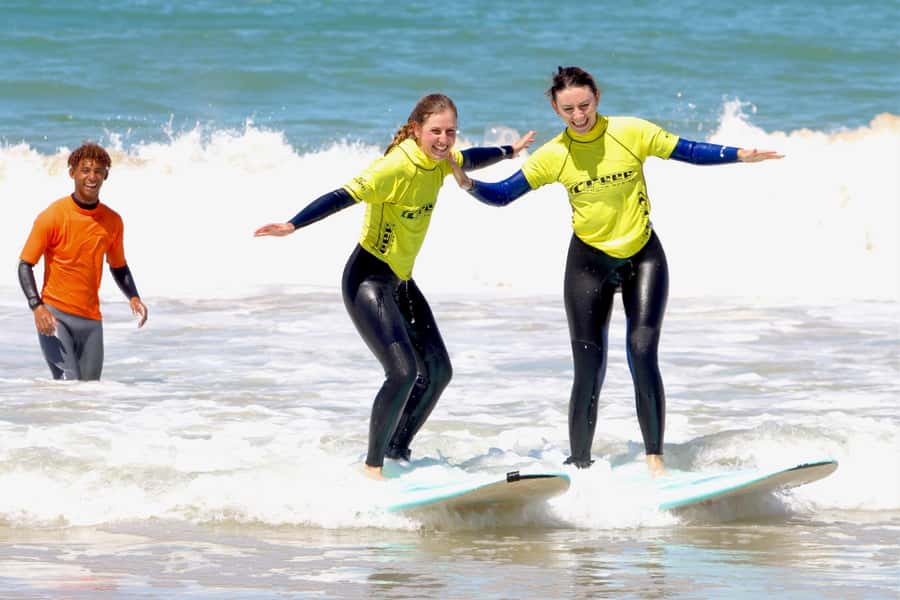
- A clear five-step method takes you from beach basics to ocean practice, then to standing and riding.
- Qualified, professional coaching is hands-on and focused on what you need next.
- All ages welcome, so it works for kids, adults, and mixed groups.
- Gear included (board and wetsuit) plus changing rooms makes it smoother than doing it on your own.
Why Jeffreys Bay works so well for your first surf lesson
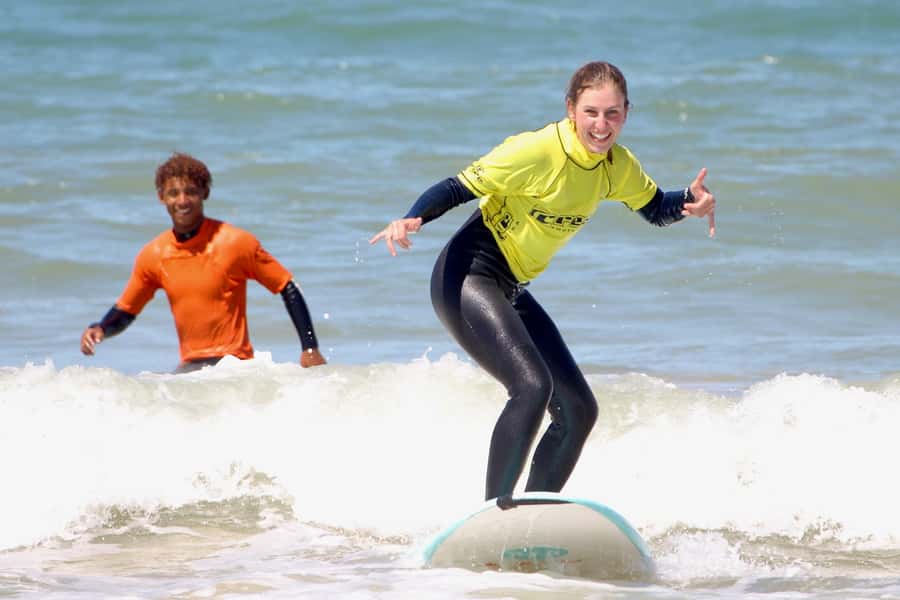
Jeffreys Bay has a reputation that draws surfers from everywhere, but you do not need to be a surfer to enjoy learning here. The lesson is designed for beginners, and that matters because first-time surfing is not about fancy tricks. It’s about learning how to move, where to look, and how to stay calm when a wave is about to do what waves do.
One smart part of this lesson is that it is built around repetition in the right places. You start on the beach with steps explained and shown, which helps you build the sequence in your head before your body has to do it in the water. Then you practice in the ocean in waist-deep conditions, which keeps the experience approachable while still feeling like real surfing.
You’ll also appreciate the “start simple, then add the next skill” pacing. Many beginner lessons jump straight to paddling hard and hoping for the best. Here, the goal is clear: paddle, catch the wave, stand, and ride toward the beach. That goal gives you something concrete to chase, instead of feeling lost in the waves.
A few more Port Elizabeth & Addo trips worth comparing
- Jeffreys Bay: Private Surfing Lesson for Beginners
★ 4.8 · 43 reviews - GQ: City Walking Tour & African Cuisine Cooking Class
★ 4.6 · 11 reviews - 2 Hour Surf Lesson Jeffreys Bay
★ 4.6 · 4 reviews
How the five-step surf progression actually plays out
This is a structured lesson, and the structure is what makes it work. You follow a five-step plan designed to move you forward in phases, with check-ins along the way so you do not repeat the same mistake too long.
Here’s the rhythm you can expect:
Beach setup: steps 1 to 3
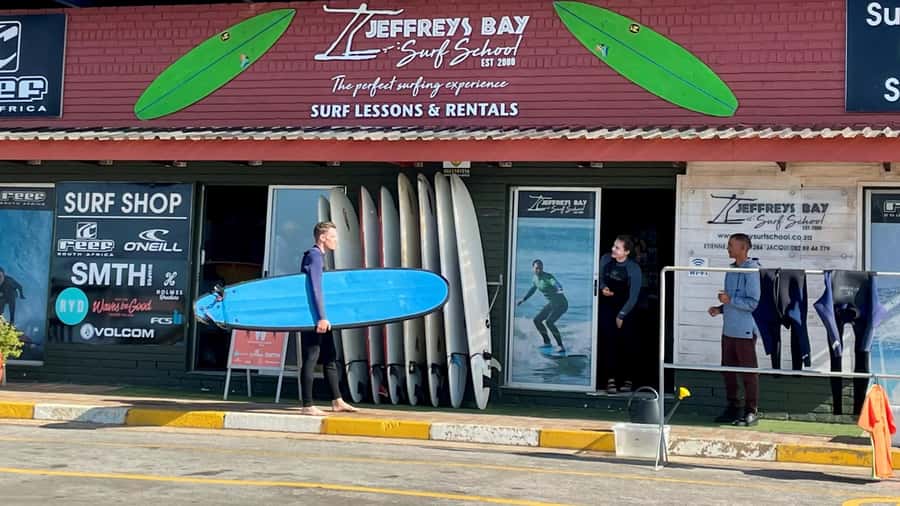
You begin at the meeting point at the Jeffrey’s Bay Surf School, then you get ready with your coach and gear. The instructor explains and demonstrates steps one through three right on the beach first. That beach time is where you learn the basics you’ll need later in the water, like how to handle your board, how to position yourself, and what you should be trying to do when a wave comes.
This is also where you’ll find out what matters most for you personally. You can expect guidance that translates the technique into cues you can remember in motion, which is huge for first-timers.
Ocean practice: waist-deep water for steps 1 to 3
Once those first steps make sense, you head into the ocean and practice them in waist-deep water. This part matters because it reduces the fear factor. You still deal with waves and movement, but you can focus on timing and control rather than full-on survival mode.
Your coach keeps the group moving and helps you correct things while you practice, instead of saving feedback for the end.
Same province, a very different day:
- Addo Elephant National Park All Inclusive Full-Day Safari
★ 4.8 · 872 reviews - Whale, Dolphin & Penguin Island Cruise
★ 5.0 · 687 reviews - Full-Day All Inclusive Safari with Traditional Braai Lunch
★ 4.8 · 345 reviews - Port Elizabeth: Schotia Game Reserve Safari with Port Pickup
★ 4.5 · 263 reviews
Back to the beach: steps 4 and 5
After you’ve shown you can manage the earlier steps, you return to the beach. Here you go over the final two steps with instruction and demonstration again. This stage usually feels like a mental gear shift. You’re not just practicing paddling and positioning now. You’re learning how to transition into standing and getting your body set for riding.
Final ocean practice: paddle, stand, and ride toward shore
Then it is back to the ocean for steps four and five. This is the moment you’ve been building toward. The lesson aims for you to paddle, catch the wave, stand up, and ride the wave toward the beach for your first time.
The instructor’s job here is not just excitement. It’s timing you to the right waves and helping you hold your stance long enough to get that “I’m actually surfing” feeling.
Coaches, group size, and what makes stand-up happen
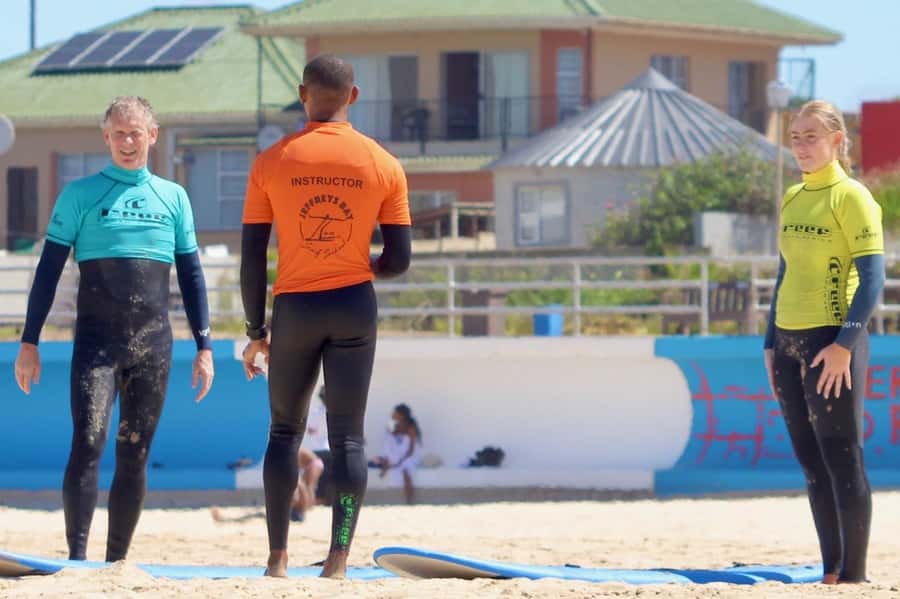
In beginner surfing, your biggest enemy is waiting too long for feedback. If a class is too big, you might catch one wave, then spend the next hour wondering what to fix. This lesson keeps groups small so each learner gets the attention they need.
That attention is exactly what shows up in the way the instructors teach. Many lessons credit the coach, and this one does too. Coaches like Lorenzo and Angelo have been praised for being friendly and focused, with clear instructions that helped learners get up and go faster. One standout detail from an experience: a learner was able to stand on the surfboard after about an hour, which gives you an idea of the payoff when the instruction is specific.
You also get support in the moment, which is where technique becomes reality. The coach can spot whether you’re looking the wrong way, pushing at the wrong time, or losing balance as you rise. Those small fixes are often the difference between wobbling for five seconds and riding the wave all the way toward the beach.
And if you’re surfing with kids, that matters even more. A first lesson has to be engaging and encouraging, not stressful. The group format here is suitable for all ages, and that makes it a practical option when you want everyone learning together.
Gear and facilities: what you do not have to figure out
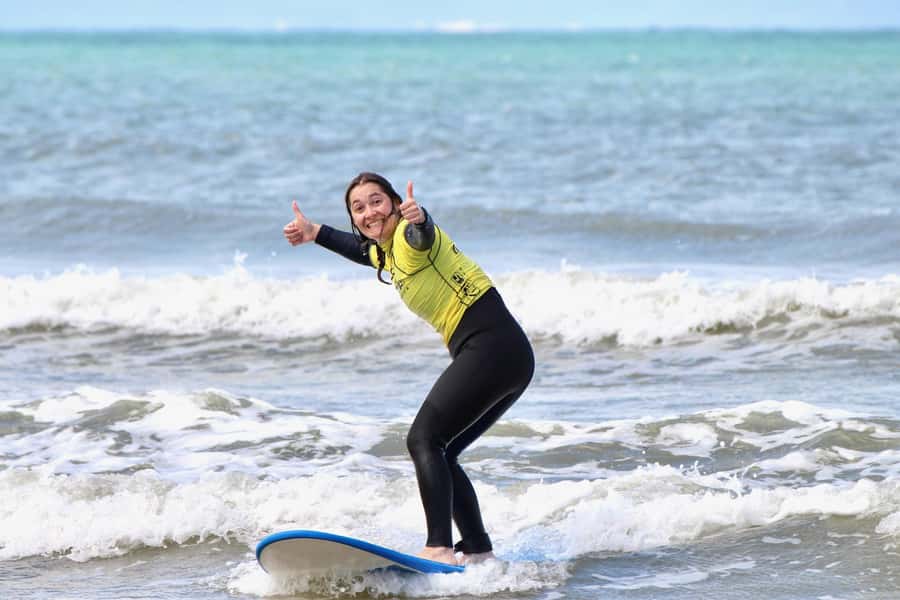
The logistics of learning to surf can be the annoying part, especially if you are traveling. Here, you get a lot of the heavy lifting done for you.
Included in your lesson:
- Board and wetsuit
- Qualified instructor
- Changing rooms
- Storage for belongings
- Card facilities available
That means you can travel light. You can show up in swimwear, get fitted with a wetsuit, and focus on the lesson instead of hunting for equipment or trying to guess the right wetsuit size.
The changing rooms and storage are more important than they sound. Beach days are half comfort, half convenience. Knowing you can change easily and keep your things together makes it easier to stay relaxed during the session.
Price and value: is $28 per person a good deal?
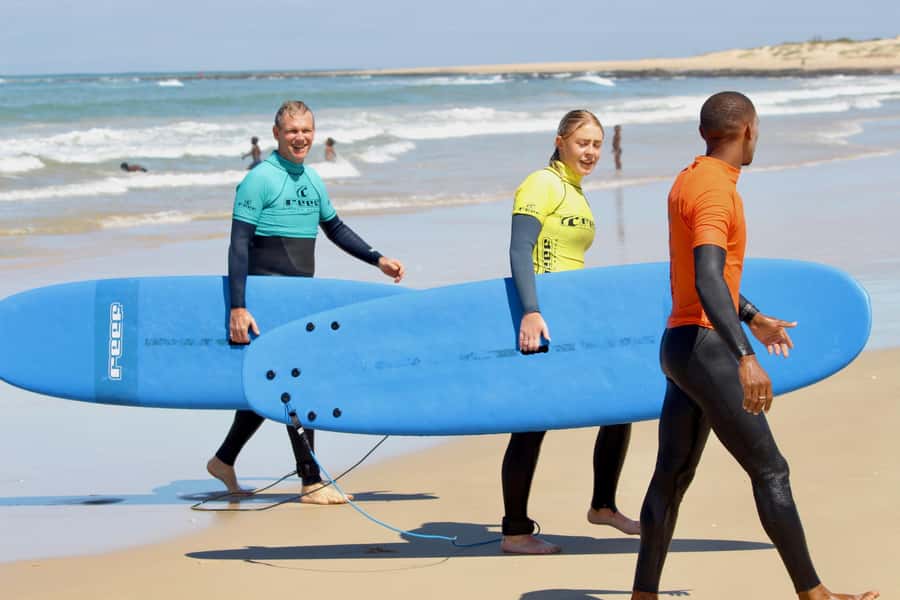
At $28 per person, this lesson is priced like a genuine entry point, not a premium “maybe you’ll learn” experience. The value comes from what’s included and how the instruction is structured.
You’re not paying extra for:
- The board and wetsuit
- A qualified coach
- A guided, step-based progression from beach practice to ocean riding
If you’ve tried to self-learn before, you know how fast costs add up. Even renting gear plus paying for casual instruction can start looking pricey once you include the extras you need to make it work. Here, you get the core tools and the coaching in one package.
The other part of the value is time. The lesson is designed so you are not just watching. You learn, practice, then learn the next piece, then practice again, ending with the goal of riding toward the beach.
Bottom line: if you want your first surfing success without spending a fortune or doing trial-and-error, the $28 price point is hard to beat.
What to bring (and what you can leave at home)
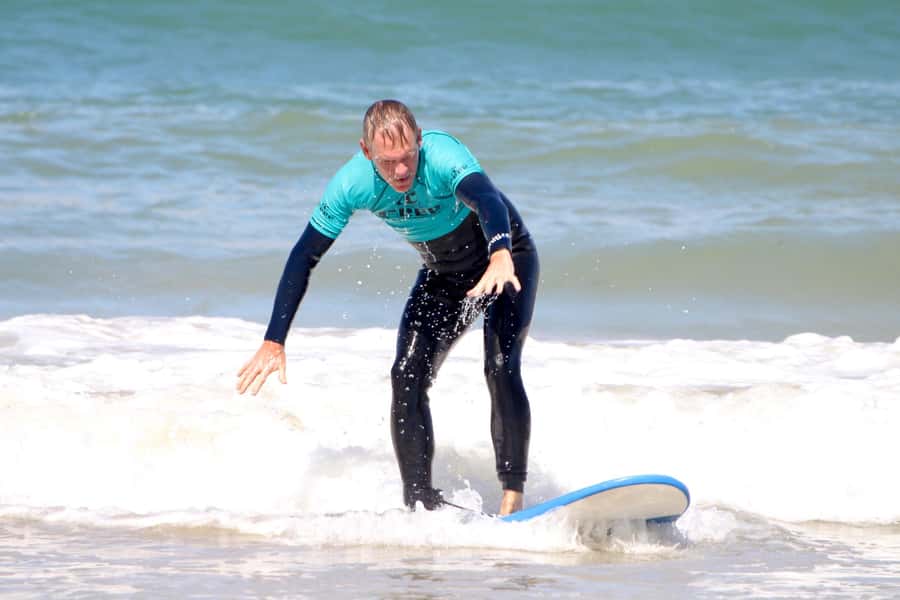
You only need a few basics, and most of the “hard parts” are handled by the lesson.
Bring:
- Swimwear
- Towel
- Sunscreen
That’s it for the essentials you control. The wetsuit and surfboard are included, so you do not need to buy or rent those separately.
A practical tip: sunscreen is not optional even if the water cools you down. Surf lessons often involve time outside getting sun from angles you might not expect.
The reality check: weather, ocean conditions, and your best plan
Surfing is weather and ocean dependent. That means the lesson can be rescheduled or canceled if conditions are extreme.
So build your day with breathing room. If you only have one afternoon in Jeffreys Bay, you might still manage it, but you’ll have less flexibility if the ocean is not cooperating. If you have two or more days, you give yourself a better shot at catching a good window.
Also, do not treat the rescheduling risk as a deal breaker. It’s part of the activity. A lesson that is safe and rideable is better than a forced session that does not teach anything.
Who should book this surf lesson, and who might want a different style
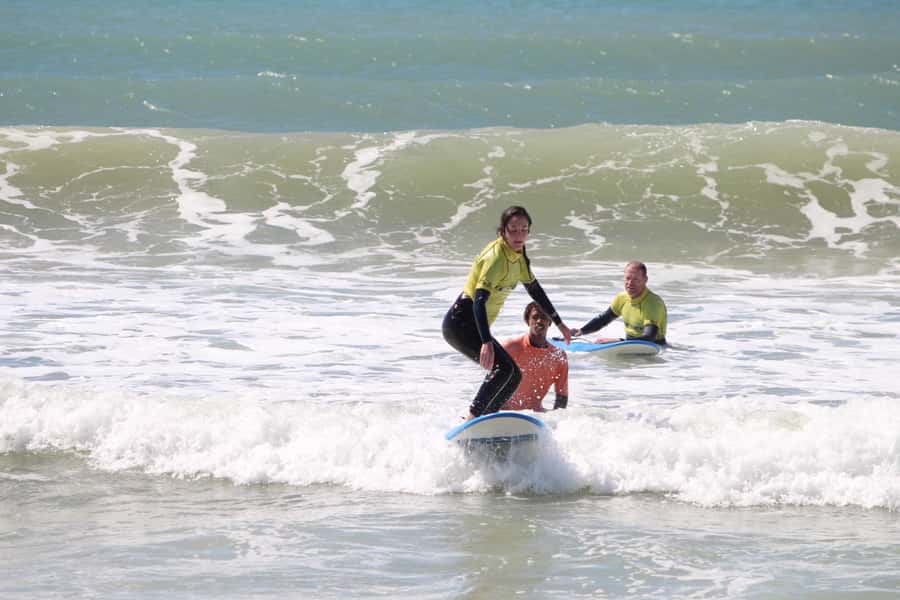
This lesson fits a wide range of beginners. It is suitable for all ages, it starts with beach basics, and it uses small groups to keep the coaching close.
You’ll love it if:
- You’ve never surfed and want a real path to standing
- You care more about instruction than about fancy equipment
- You are traveling with kids or mixed-age family members and want one activity that works for everyone
You might consider a different option if:
- You want a super advanced session focused on technique refinement. This lesson is built for first rides and foundational skills.
- Your schedule is ultra tight and you cannot handle a reschedule if conditions change.
But for first-timers, this is one of the most practical ways to turn Jeffreys Bay into a hands-on memory.
Should you book this Jeffreys Bay Learn to Surf Group Lesson?
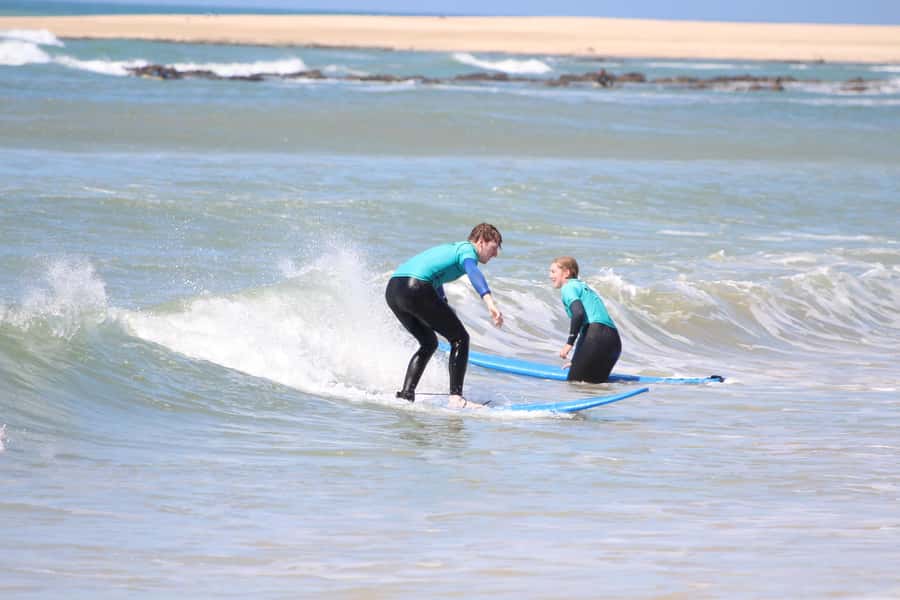
If your goal is simple, learn-to-surf basics that lead to your first standing ride, I’d book it. The structure is clear, the group size is kept small for real coaching, and you get the key gear included, board and wetsuit. At $28 per person, it’s also a straightforward way to try surfing without betting your whole trip on expensive trial and error.
I’d book it especially if you want confidence from a qualified coach and you like the idea of practicing in waist-deep water before you chase waves. Just give yourself a little flexibility for weather, because the ocean decides the final timetable here.
FAQ
Where do I meet for the surf lesson?
Meet at the Jeffrey’s Bay Surf School. The activity ends back at the meeting point.
What’s included in the lesson price?
The lesson includes a surfboard, a wetsuit, a qualified instructor, changing rooms, storage for belongings, and card facilities.
What should I bring with me?
Bring swimwear, a towel, and sunscreen.
Do I need to arrange hotel pickup?
Hotel pickup and drop-off are not included, so you should plan to get to the meeting point yourself.
Is this lesson only for adults?
No. The lesson is suitable for all ages.
How long is the lesson?
The exact duration is not stated in the provided details, but one example noted a two-hour lesson.
What language is the instruction in?
The lesson is offered in English.
What if the ocean conditions are bad?
Surfing lessons are weather and ocean dependent. They can be rescheduled or canceled due to extreme weather or ocean conditions.
What’s the cancellation policy?
You can cancel up to 24 hours in advance for a full refund.
Newest around Port Elizabeth & Addo
- Sunrise Safari – through Addo Park to Schotia reserve★ 4.5 · 6 reviews
- Schotia Private Game Reserve Safari★ 4.7 · 35 reviews
- Schotia: Open Safari Jeep – Full Day Safari with Lunch★ 5.0 · 5 reviews
- Safari into Schotia Full Day Tour★ 4.3 · 3 reviews
- Sandboarding Jeffreys Bay★ 4.0 · 19 reviews
- Safari into Schotia Half Day Tour★ 4.9 · 13 reviews
- Private Addo Elephant National Park Half Day Tour★ 5.0 · 4 reviews
- Private Addo & Schotia Full Day Tour★ 5.0 · 3 reviews
Workshops, compared.



Private Surf Lesson in Cape Town – Transport & Photos Included
Read our review →
Jeffreys Bay: Private Surfing Lesson for Beginners
Read our review →

GQ: City Walking Tour & African Cuisine Cooking Class
Read our review →Browse the lists this tour appears in