
Reviewed · HISTORY TOURS IN JOHANNESBURG
Johannesburg’s Migration History with a local lunch
Hillbrow has stories you can walk into. This 3-hour Johannesburg experience connects the neighborhood’s shift from early residential suburb to post gold-rush magnet, and explains how apartheid-era zoning shaped where people could live. I love the Windybrow Victorian house and arts space and the chance to share a local lunch while the guide ties the streets to real events. One thing to consider is that Hillbrow is urban and active, so wear proper walking shoes and stay close to your guide in busier vendor areas.
What makes this tour work is the way the information is delivered on the ground, not from a screen. The guide, Franck, is the kind of person who turns details into human stories, and that matters because Johannesburg can feel edgy when you are new. You still get to move at a comfortable pace, with stops that mix architecture, performance, and everyday street life, all within a morning you can realistically fit into a trip.
If you are staying nearby, the meeting point in Maboneng is a practical start. The tour ends back at the same place, so you are not stuck figuring out transit after. You do it as a small group, up to 30 people, with a mobile ticket, and there is no private transportation included, so getting to Kruger Street is on you.
In This Review
- Key highlights you will actually care about
- Hillbrow in 3 hours: migration history you can see
- A note on pace and comfort
- Windybrow (1896): a Victorian house visit with artists in the rooms
- Why Windybrow matters to the migration story
- The meal connection at this stop
- Walking Hillbrow: from planned suburb to blocks of flats
- Apartheid-era zoning: how it shaped everyday life
- The street contrast that makes the tour worth it
- Local lunch and bottled water: why this is good planning
- If you have dietary needs
- Group size, ticket type, and the practical setup
- Meeting point: Maboneng on Kruger Street
- Getting there and getting back
- Safety and comfort: why a guide changes everything in Joburg
- Who should do this tour
- Price and value: what $25.63 really includes
- The other value: better questions, better understanding
- Should you book this Hillbrow migration history tour?
- FAQ
- How long is the tour?
- What time does the experience start?
- Where is the meeting point?
- Is private transportation included?
- What is included in the price?
- Do I get a ticket on my phone?
- What is the group size?
- Is the meeting area near public transportation?
- Is this tour suitable for most travelers?
- Can I cancel and get a refund?
Key highlights you will actually care about
- Windybrow (1896) tour inside a Victorian-era house and arts setting
- Room-by-room artist performances like poetry, fashion, and song during the visit
- Hillbrow migration storytelling from gold-rush arrivals to modern Afro-cosmopolitan life
- Street-level contrast between busy vendor areas and calmer parks nearby
- Local lunch included, plus bottled water, so you are not guessing where to eat
Hillbrow in 3 hours: migration history you can see

Hillbrow is one of those Johannesburg neighborhoods where you stop thinking of it as a single place and start seeing it as a flow. Early on, the area was planned like a residential suburb, with stands auctioned in the 1890s and later pulled into Johannesburg’s sanitary administration. Then the post-World War Two building boom changed the math, with developers buying up land and converting it into blocks of flats.
That shift is the key to why this tour feels different. Instead of treating migration as an abstract topic, you watch how the built environment nudges people in and out. When the gold discovery drew visitors and workers from around the world, Hillbrow welcomed them, and the neighborhood kept adding layers over time. It also lived under strict racial zoning rules, including designation linked to white-only areas under the Group Areas Act, which shaped who could stay and who had to move.
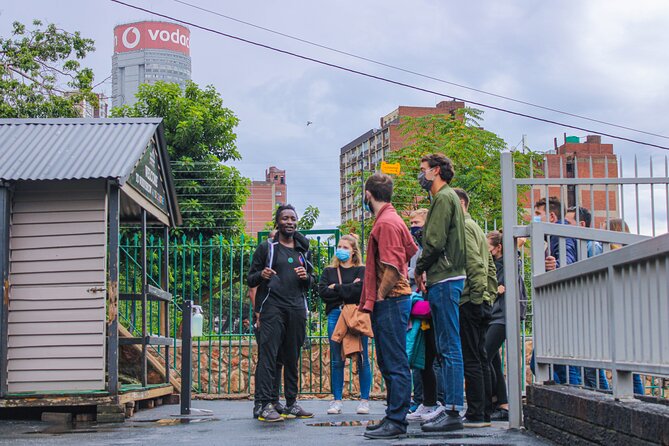
You walk this story through an active neighborhood, and that is where the experience becomes practical. You will learn the language of the place, like why crowd energy exists in certain blocks and why you might find calmer spaces just a short distance away. You also get a sense of today’s identity as more Afro-cosmopolitan, not a museum label stuck on top of real people’s lives.
More History Tours in Johannesburg
- Soweto Township Cultural Tour incl Apartheid Museum and Nelson Mandela House
★ 5.0 · 30 reviews - Cradle of Humankind World Heritage Site
★ 5.0 · 15 reviews - Johannesburg: Soweto History Tour with Hotel Pickup
★ 4.8 · 14 reviews
A note on pace and comfort
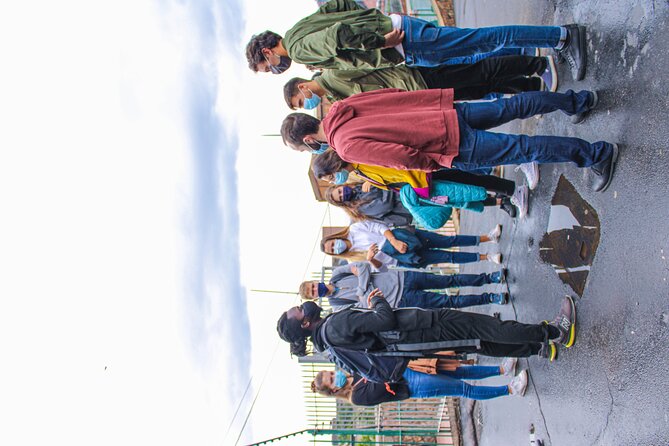
This is a walking tour, and Hillbrow is not a quiet suburb. Plan on being outside, moving through busy areas, and adjusting your expectations for street noise and vendor activity. Comfortable shoes help a lot, and it is smart to keep your phone away unless you are ready to move with the group.
Windybrow (1896): a Victorian house visit with artists in the rooms
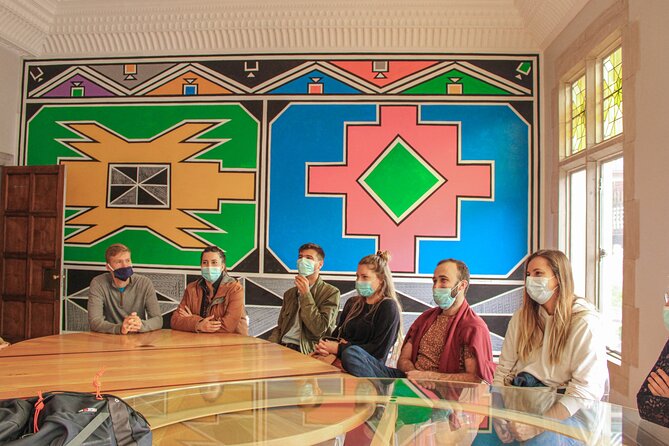
The tour’s anchor stop is Windybrow, a Victorian-era property tied to 1896. On paper, it is a heritage building and an arts center, but what makes it memorable is how the experience turns interactive once you enter. You get a guided tour of the house, and then artists are present in the rooms.
The best part here is the feel of being in a creative space that is not trying to look staged. The performances you might encounter range from poetry to fashion and song, with local artists waiting in different rooms so the house becomes a stage in multiple directions. If you like your cultural stops to have a little spontaneity, this one delivers.
Why Windybrow matters to the migration story
It is easy to treat historic buildings like backdrops, but Windybrow fits the neighborhood theme in a more useful way. A house like this stands as proof that Hillbrow was built and reworked in layers, not frozen in time. When you combine that with artist programming inside, you get a sense of continuity, creativity, and adaptation.
Also, if you are trying to understand Johannesburg beyond headlines, the arts angle helps. Politics and migration can feel heavy, so the performance portion gives your mind a break while still teaching you what the area is doing right now.
Same province, a very different day:
- From Johannesburg: Pilanesberg Nature Reserve Game Safari
★ 4.8 · 1,327 reviews - Johannesburg: Hop-On Hop-Off Bus with Optional Soweto Tour
★ 4.6 · 985 reviews - Soweto /Johannesburg and Apartheid Museum Guided Full Day Tour
★ 5.0 · 932 reviews - Johannesburg Hop-On Hop-Off City Tour with Soweto Option
★ 4.5 · 768 reviews
The meal connection at this stop
Food is part of the Windybrow experience. The package includes lunch and bottled water, and the stop description also notes a hearty dinner with local wine after the house visit. Because those details can vary in practice, I suggest you confirm what is served on your specific date when you receive your confirmation. Either way, you are not doing this on an empty stomach.
Walking Hillbrow: from planned suburb to blocks of flats
Once you step away from the Windybrow setting, the tour turns into a street-level explanation. Hillbrow’s timeline is not just dates, it is a change in density, housing style, and who could access different parts of the city.
You start with the early days, when the neighborhood was laid out as residential stands in the 1890s. Then the shift to a sanitary-board context in 1897 helps you understand how the city organized itself as it grew. After that, the post-World War Two conversion into blocks of flats explains why people could arrive, settle, and move through the neighborhood faster than in a typical single-family suburb.
Apartheid-era zoning: how it shaped everyday life
The Group Areas Act matters here because it shaped more than maps. It determined where different groups were allowed to be, and it changed the character of streets block by block. In this area, it was meant to be a white area during the period of political classification tied to that act, which is why the story includes forced separations and long-term consequences.
You do not need a textbook to follow it. The guide’s job is to connect those policies to what you can actually see and feel in the street. You will likely notice how the area keeps mixing people, because migration and city life do not stop just because laws say they should.
The street contrast that makes the tour worth it
One of the most useful parts of this experience is the way the neighborhood varies over short distances. You may pass through busy areas with street vendors, then look toward parks that feel calmer just a block away. That contrast helps you understand Hillbrow as lived reality, not a single vibe.
For you, that means better context. If you have only seen Johannesburg from a distance, it is easy to label a place as one thing. Walking it with a guide makes it harder to reduce. You see why it is mixed and why it still moves.
Local lunch and bottled water: why this is good planning
Including food in a short, guided morning tour is not a small detail. It is smart for two reasons. First, it prevents the common mistake of starting a neighborhood walk and then wasting half your afternoon searching for something safe and close. Second, lunch keeps energy steady so you can absorb stories without getting tired.
In this experience, lunch and bottled water are included. That also helps if you are traveling with limited time and you do not want to add an extra booking. You can focus on the neighborhood instead of juggling plans.
If you have dietary needs
The tour info does not specify dietary options. So if you have allergies or strict preferences, treat this as a confirm-first situation with the provider or on your booking message. That way you avoid a common travel frustration that ruins a good morning.
Group size, ticket type, and the practical setup
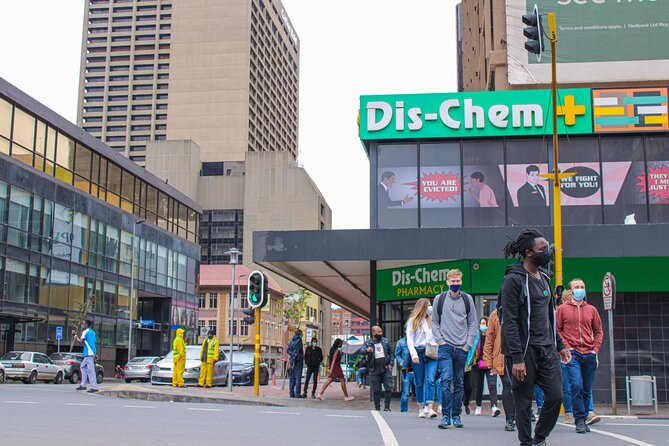
This is structured for ease. You get a mobile ticket, you join a group with a maximum of 30 travelers, and you start at 10:00 am. The experience runs about 3 hours, so it works for a first visit day when you want context without committing to a long tour.
Meeting point: Maboneng on Kruger Street
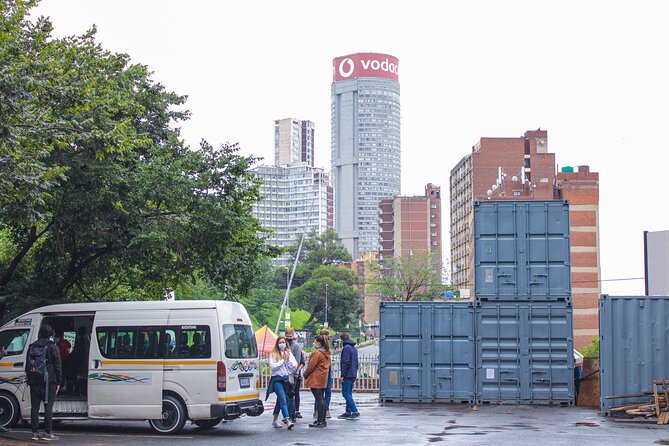
You meet at Honest Corporate Travel, 20 Kruger St, in Maboneng, Johannesburg. That is helpful because it gives you a clear target that is not hidden on a side street far from transit. The tour is also near public transportation, which matters in Johannesburg where transit planning can make or break your day.
Getting there and getting back
Private transportation is not included. So you should plan to reach the meeting point using local transit or your own arrangements, then return to the same place at the end. This round-trip structure is great for peace of mind, especially if you are not using a car.
Safety and comfort: why a guide changes everything in Joburg
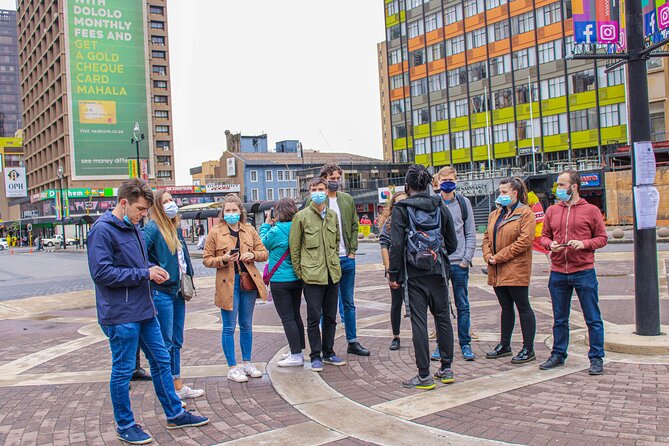
Johannesburg can feel intense at ground level, and a neighborhood like Hillbrow brings that into focus quickly. The good news is that the tour is guided, and the guide you are working with, Franck, is described as inspiring and very attentive.
You do not need a guarantee to be smart, but you do need a strategy. Stay with the group, listen when the guide points things out, and don’t wander off for photos. If you are new to Johannesburg, this kind of guided introduction helps you read the area without taking unnecessary risks.
Who should do this tour
This is a strong fit if you:
- Want a first-time orientation to Hillbrow and what migration looks like on the ground
- Like city stories tied to architecture and everyday street scenes
- Enjoy arts spaces and don’t mind that the experience is not a quiet museum visit
- Prefer a short walking format that still covers big themes
It might be less ideal if you hate walking, dislike dense urban environments, or want a totally sedate pace with minimal street activity.
Price and value: what $25.63 really includes
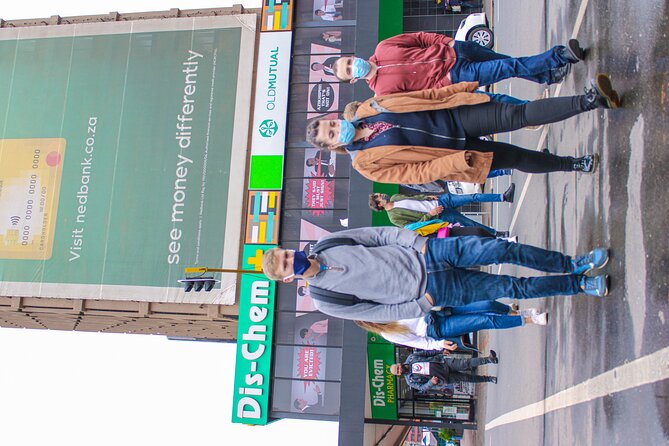
At $25.63 per person, this tour is priced like a compact cultural walking experience. The value angle is in what is included. You get lunch, bottled water, and an admission ticket tied to the Windybrow house visit.
That combination adds up fast. If you were to tour a heritage site plus find a nearby lunch on your own, you would likely pay similar money once you factor in time and logistics. Here, you trade the stress of planning for guided context, plus the artist performance element you might encounter inside the house.
The other value: better questions, better understanding
This tour is not just about seeing places. It helps you ask the right questions when you look at Hillbrow afterward. Once you understand how the neighborhood was planned, built, and regulated, you will notice patterns in the city that you might otherwise miss.
For me, that is the best kind of value. The story sticks because you saw it in motion, not just on a map.
Should you book this Hillbrow migration history tour?
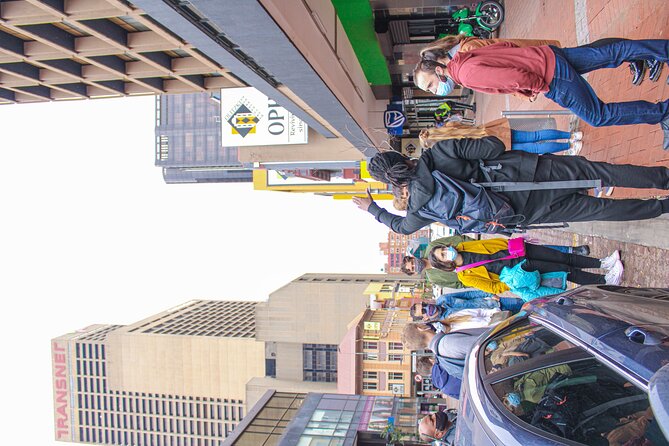
Book it if you want a short, high-context morning in Johannesburg that blends heritage, performance, and street-level migration storytelling. The Windybrow house visit is the standout structure, and the lunch makes it a realistic use of your time. If you are new to the city and want to feel guided rather than thrown into the deep end, this is a smart first step.
Skip it or choose another option if you are extremely sensitive to busy urban street life or you strongly dislike walking. Also, double-check what the meal looks like on your specific date, since one part of the description mentions dinner and local wine while the inclusions list focuses on lunch and bottled water.
If you can handle a lively neighborhood and want real context, you will likely leave with a clearer sense of why Hillbrow is what it is today.
FAQ
How long is the tour?
It runs for about 3 hours.
What time does the experience start?
The start time is 10:00 am.
Where is the meeting point?
You meet at Honest Corporate Travel, 20 Kruger St, Maboneng, Johannesburg, 2094, South Africa.
Is private transportation included?
No. Private transportation is not included.
What is included in the price?
Lunch and bottled water are included, and the admission ticket is included for the Windybrow portion.
Do I get a ticket on my phone?
Yes. You receive a mobile ticket.
What is the group size?
There is a maximum of 30 travelers.
Is the meeting area near public transportation?
Yes, it is near public transportation.
Is this tour suitable for most travelers?
Most travelers can participate.
Can I cancel and get a refund?
This experience is non-refundable and cannot be changed for any reason. If it is canceled because the minimum number of travelers is not met, you will be offered a different date or a full refund.
Newest around Johannesburg
- Zulu Food Cooking & Dining Experience with a local Chef★ 4.4 · 5 reviews
- Private Soweto Tour 5 hours approximately from Johannesburg or Pretoria.★ 4.5 · 9 reviews
- bicycle tour soweto★ 4.5 · 20 reviews
- Two day Kruger National Park Safari from Johannesburg★ 5.0 · 19 reviews
- Sun City Day Tour From Johannesburg★ 4.5 · 6 reviews
- Taste of Africa★ 5.0 · 9 reviews
- Full-day Johannesburg Bike Or Walking tour – With Transport★ 5.0 · 10 reviews
- Pilanesberg National Park Safari, BIG 5 Full Day★ 5.0 · 4 reviews
History Tours in Johannesburg, compared.
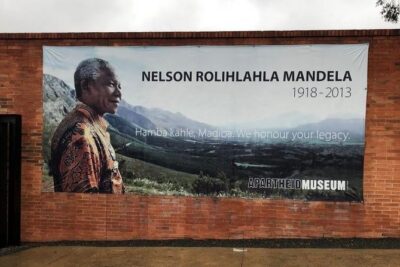
Soweto Township Cultural Tour incl Apartheid Museum and Nelson Mandela House
Read our review →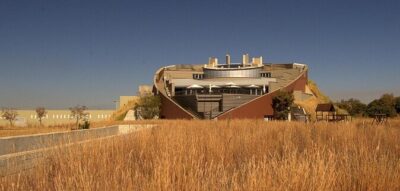
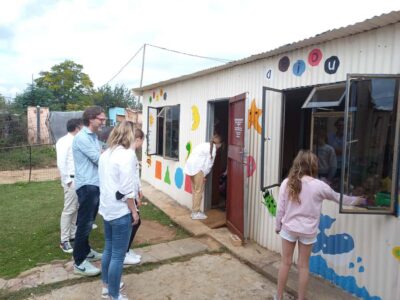
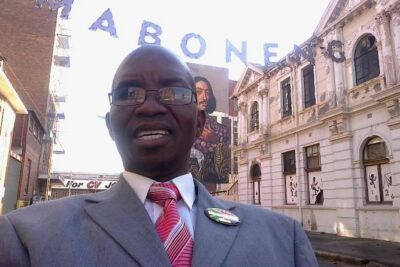
Johannesburg Historical, Apartheid Museum & Soweto
Read our review →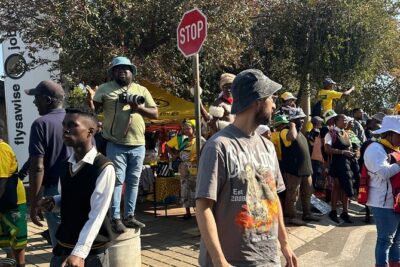
Historical and Cultural Interactive Experience of Soweto
Read our review →
Browse the lists this tour appears in