

Reviewed · COOKING CLASSES
Johannesburg: Pan-African Cooking & Dinning Experience
Dinner starts with a spice hunt in Johannesburg. This Pan-African cooking and dining experience is interesting because you go from a local market to a real home kitchen, then end at the table with stories. I love the hands-on cooking (you are not just watching) and the market-to-dining flow that makes ingredients feel personal. One thing to consider: timing can be unpredictable, and in at least one account the pickup and market stop ran late, so it helps to plan with a little flexibility.
I also like that you can choose a vegan (organic) menu or a meat option, so the class can match how you like to eat. The chef leads in English or French, and the evening is set up for small-group conversation, not a lecture hall.
Finally, logistics matter here. You get pickup from Sandton, with city-center pickup coverage within 10k, and you come back to Sandton after about 210 minutes (around 4 hours). If you are the kind of person who hates waiting, message ahead and ask for an exact pickup window when you book.
In This Review
- Key things to know before you go
- What You’re Really Buying: Food, Stories, and a Real Home Kitchen
- Sandton Pickup and Timing: Build in Flex Time for a 4-Hour Evening
- Part 1 in the Food Market: Finding Ingredients That Explain the Meal
- Part 2 at the Chef’s Home: Welcome Drinks and Team Assignments
- Part 3 Cooking Together: Step-by-Step Pan-African Flavors
- Part 4 Dinner and Storytelling: Eating Together, Not Just Finishing a Class
- Nutrition and Home-Grown Food: What You Can Carry Home
- Price and Value at About $102 per Person
- Who Should Book, and Who Should Set Expectations
- Should You Book This Johannesburg Pan-African Cooking Experience?
- FAQ
- How long is the Johannesburg Pan-African cooking and dining experience?
- Where does pickup happen?
- Can I choose between vegan and meat options?
- What is included in the price?
- Is extra alcohol included?
- What languages are supported, and is the tour wheelchair accessible?
Key things to know before you go
- Market tour first, so you learn what you are cooking with before you touch a knife.
- Cook in a real home, which changes the vibe compared with classroom-style cooking.
- Two menu paths, vegan (organic) or meat, so you can choose what fits your diet.
- Starter plus main-course cooking, with step-by-step guidance from the chef.
- Dinner with storytelling, where the chef shares a personal culinary journey.
- Small group setting, plus English and French support for smoother conversation.
What You’re Really Buying: Food, Stories, and a Real Home Kitchen
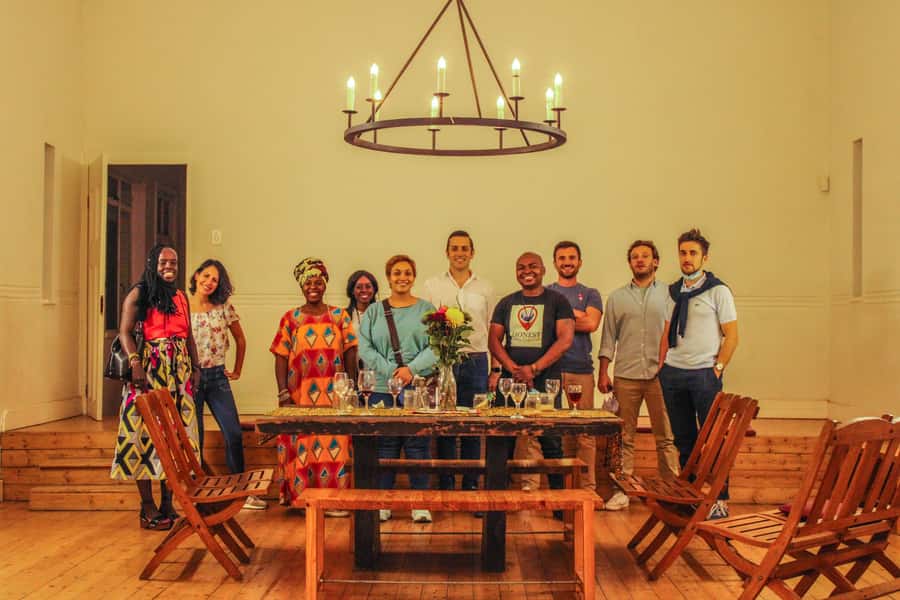
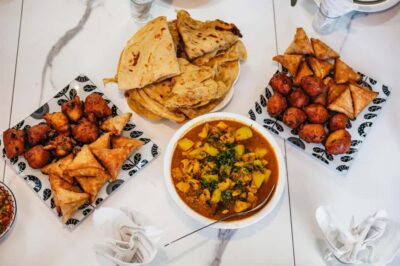
This is not a sit-and-snack demo. You shop for ingredients, cook together, and then eat what you made as a shared meal. That structure matters, because it turns “African food” from a concept into specific flavors, techniques, and everyday habits you can actually remember.
The best part is how the day connects kitchen work to human stories. You cook, you talk, you taste, and then your chef talks about his own path through food. In African food culture, storytelling is how knowledge travels. Here, it is built into the meal, not stapled on at the end.
A few more Johannesburg trips worth comparing
- Cape Town: Malay Cooking Class and Lunch in Bo-Kaap
★ 4.8 · 515 reviews - Authentic African Cuisine Cooking Experience
★ 5.0 · 236 reviews - Cape Town: Cape Malay Cooking Class in Bo-Kaap
★ 4.8 · 120 reviews
Sandton Pickup and Timing: Build in Flex Time for a 4-Hour Evening
The total time is about 210 minutes, so it is a half-day experience without being a full-day commitment. Pickup is from Sandton, with service also listed for 10k within the city center, and you return to Sandton afterward.
Here is the practical consideration: one verified booking described a late pickup and weak communication, which caused the market stop to feel rushed and less planned than expected. You can reduce frustration by doing two simple things: confirm your pickup timing the day before, and be ready for a later start if Johannesburg traffic or routing gets messy. If you arrive with patience, the rest of the evening has a good chance of feeling smooth.
Part 1 in the Food Market: Finding Ingredients That Explain the Meal
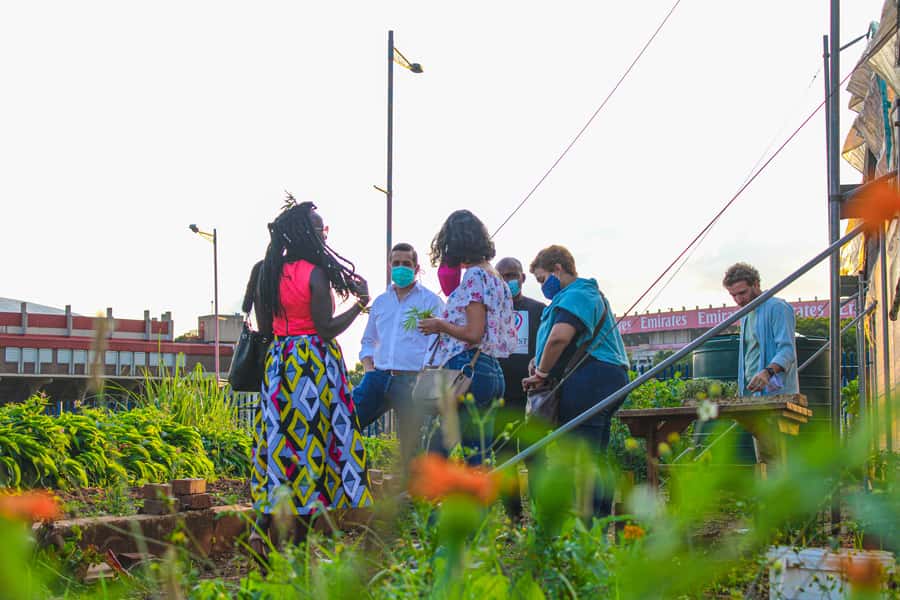
Your first stop is a guided food market or supermarket, depending on the day. You walk with the chef and focus on ingredients like spices, local produce, and pantry staples that give African dishes their character. The chef also explains how those ingredients connect to daily life and local history.
This is where you learn to cook beyond a recipe. Instead of memorizing one flavor list, you start to understand the logic behind the dish: what gives the sauce body, what adds heat, what balances tang, and what keeps food comforting rather than heavy.
One tip for getting more out of this part: ask how each key ingredient is used. If you only ask what it is, you will remember the name. If you ask how it behaves in cooking, you will remember how to reproduce it later at home.
Part 2 at the Chef’s Home: Welcome Drinks and Team Assignments
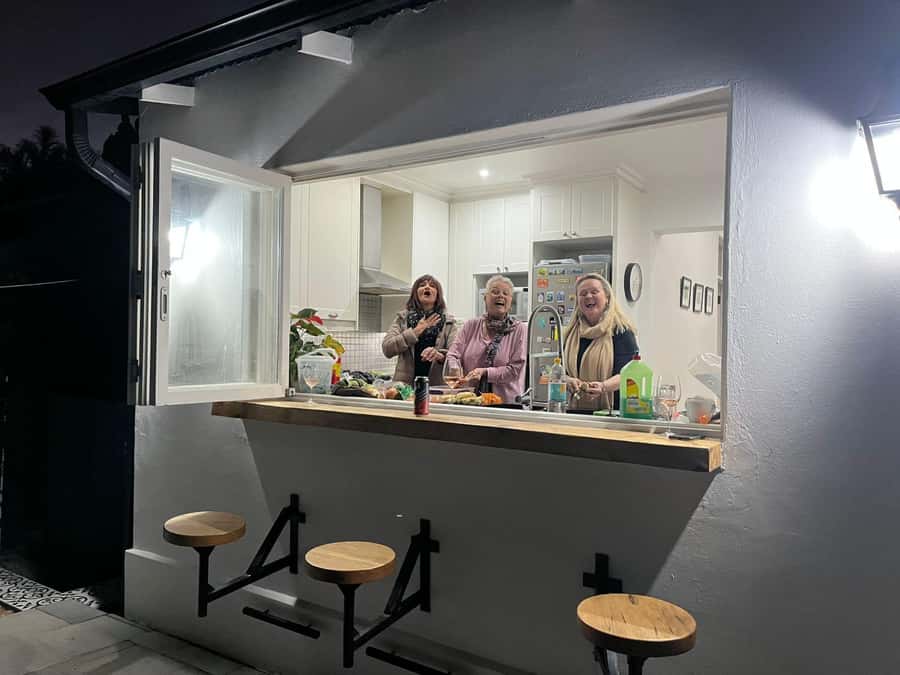
After shopping, the group heads to a local home where the cooking happens. You get a welcome drink, listed as either locally produced wine or juice. A real-life example from a past participant describes a mix like water infused with lemon and papaya, plus homemade hibiscus tea with ginger, which sounds like a thoughtful way to start before heat, chopping, and stove work.
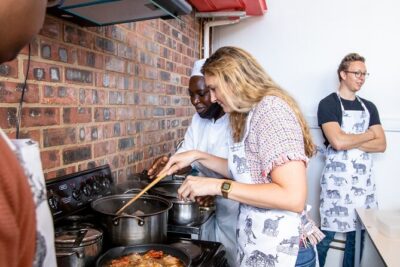
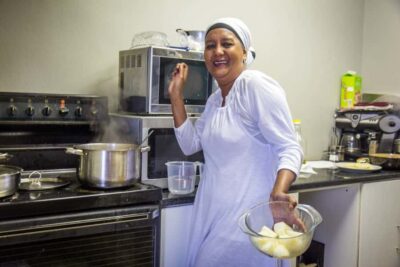
You also get a short home tour and quick house rules. Then the fun part starts: the chef assigns hands-on tasks so you are not stuck waiting for someone else to do the work. That matters because many cooking classes fail at one thing: they do not actually involve you. This one aims to.
If you have dietary questions, this is the moment to raise them. The experience offers a vegan (organic) option and a meat option, but you still want to confirm what gets cooked for your specific menu.
Same province, a very different day:
- From Johannesburg: Pilanesberg Nature Reserve Game Safari
★ 4.8 · 1,327 reviews - Johannesburg: Hop-On Hop-Off Bus with Optional Soweto Tour
★ 4.6 · 985 reviews - Soweto /Johannesburg and Apartheid Museum Guided Full Day Tour
★ 5.0 · 932 reviews - Johannesburg Hop-On Hop-Off City Tour with Soweto Option
★ 4.5 · 768 reviews
Part 3 Cooking Together: Step-by-Step Pan-African Flavors
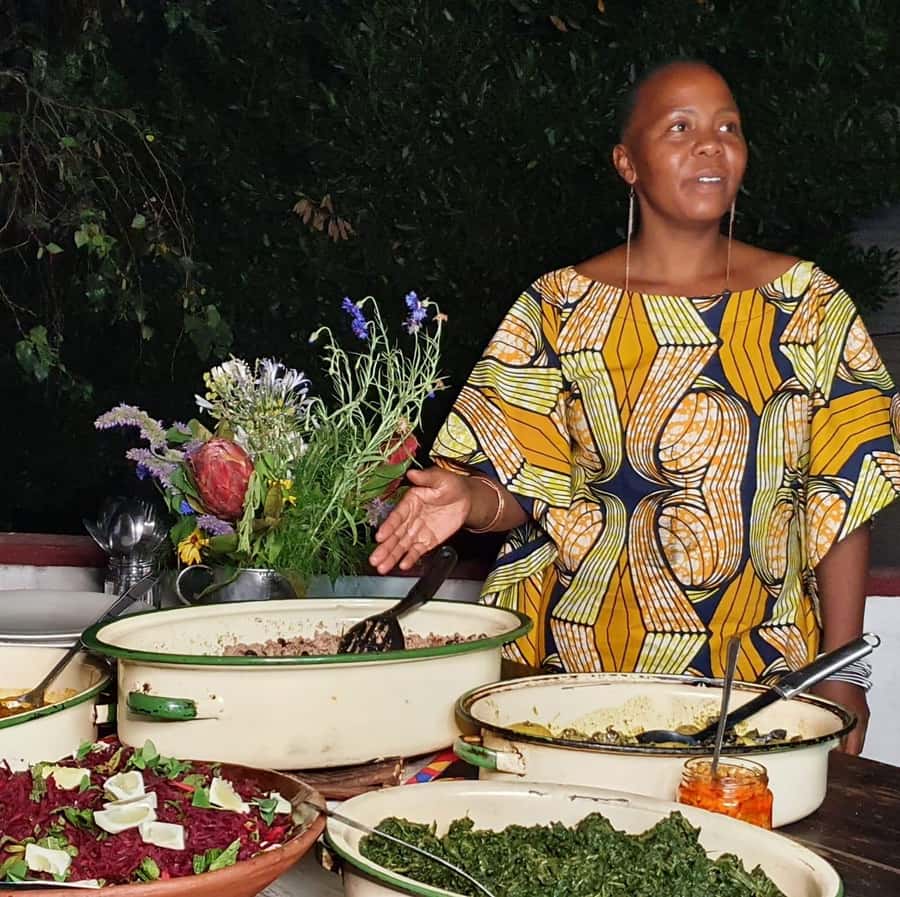
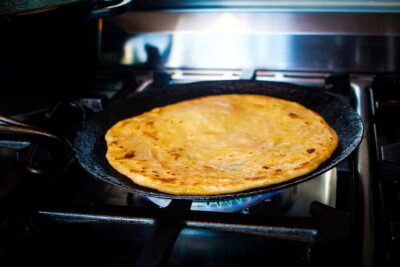
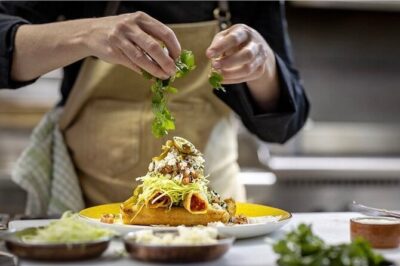
Cooking is the main event, and it is built for active participation. You prepare an African starter and main course with step-by-step guidance, learning techniques and flavors from across the continent.
In several accounts, the grilling and outdoor cooking component shows up strongly. One past participant described grilled meat dishes cooked outdoors, while another mentioned cooking outdoors over wood fires with multiple pots going at once. That style is more than theatre, it changes flavor. Smoke, heat control, and timing all become part of the lesson.
You may also notice variation in how spice knowledge is taught. One participant felt the meal leaned on store-bought curry mix powder and wished for more detail about what spices were actually going into the food. That does not mean spice expertise is missing, but it does mean you should approach this with the mindset that the chef’s teaching style may differ. If spice breakdown is your top priority, ask direct questions about which spices are fresh, which are ground, and how they are combined.
Part 4 Dinner and Storytelling: Eating Together, Not Just Finishing a Class
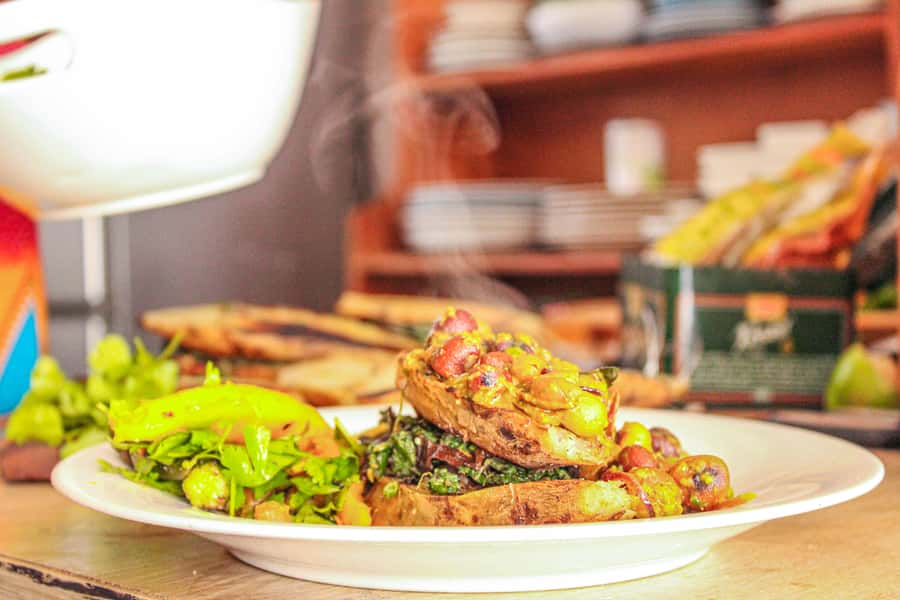
Once the cooking is done, the group gathers for the meal. The experience includes local wines and beers with dinner, and there is also a welcome bottle of wine to share as part of what is included. Extra alcoholic drinks are not included, and the activity rules also state alcohol and drugs are not allowed, so it is smart to stick to what the host provides.
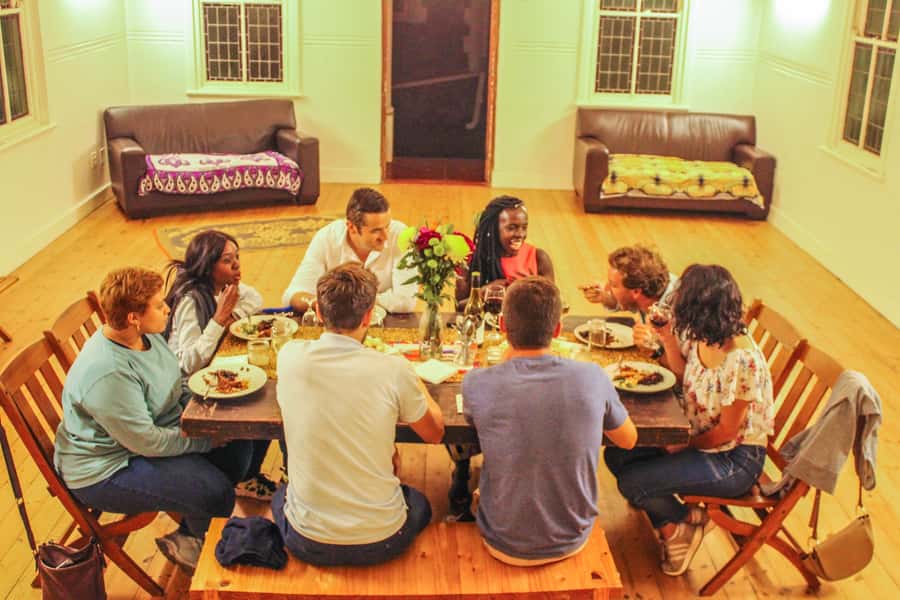
This is the part that tends to make people remember the evening. One participant described eating around the kitchen table by candlelight, with relaxed conversation and the feeling of being welcomed like family. Another described warmth, laughter, and a comfort level that made the whole experience feel more like a new friendship than a ticketed activity.
And yes, storytelling is part of the schedule. The chef shares his personal story and culinary journey, and guests are welcome, but not required, to share too. If you are shy, you can listen. If you are chatty, you can contribute. Either way, the meal is built to keep conversation flowing.
Nutrition and Home-Grown Food: What You Can Carry Home
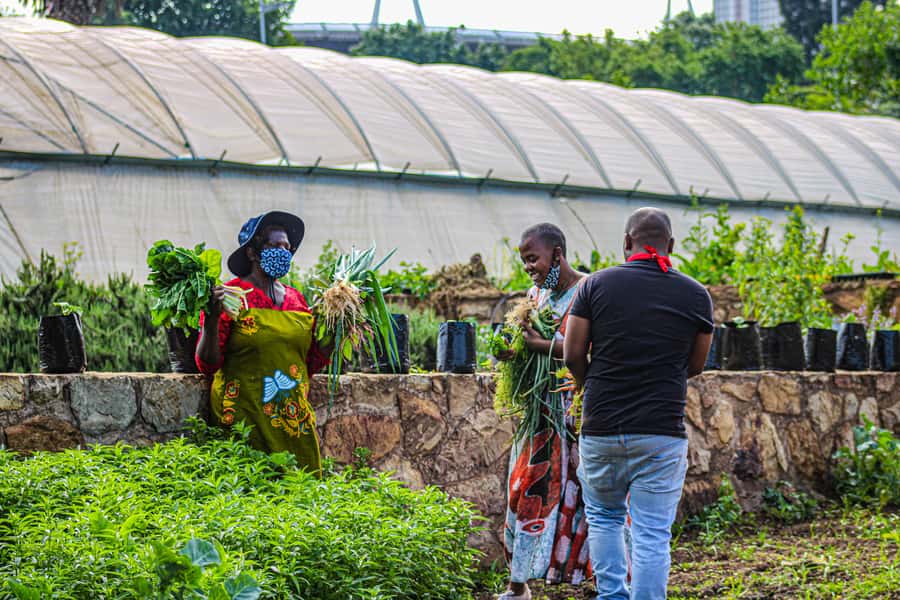
One of the highlights you are promised is discussion around nutrition, healthy eating, and home-grown food. Even if you do not leave with a new fitness plan, you should leave with practical cooking instincts: how to balance ingredients, how to use vegetables and protein in satisfying ways, and how everyday African dishes can be both filling and grounded.
In a place like Johannesburg, food is often tied to what is available, what is seasonal, and what families actually cook. That is why a market stop matters. It teaches you what people reach for, not just what a menu predicts.
If you want to use this day as a real skill builder, take notes on the method rather than only the ingredients. For example: what happens first in the pot, when aromatics go in, and how the dish gets its final texture.
Price and Value at About $102 per Person
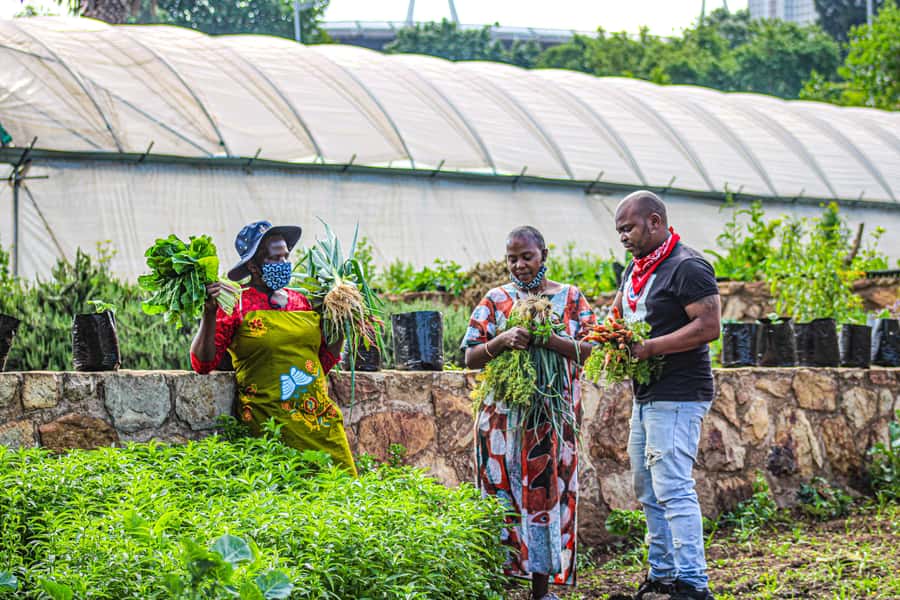
At around $102 per person, you are paying for more than dinner. This is a multi-part experience: pickup and drop-off, market time, chef instruction, cooking materials, and a full dining moment with drinks included. For four hours, that can be decent value, especially if you compare it to paying for a guided market tour plus a separate meal.
Here is how I judge value for this kind of class:
- If you will actually cook with the group, it is worth it. Waiting around for pictures is the fastest way to feel disappointed.
- If you want the cultural layer and not just the food, the storytelling component adds meaning.
- If you are very strict about spice chemistry and ingredient sourcing, you might want to ask the chef more questions up front.
The one expense to plan around is that extra alcoholic drinks are not included. If you drink wine or beer with meals, decide ahead of time if you want just the provided options or if you expect to buy more.
Who Should Book, and Who Should Set Expectations
This experience fits best if you:
- Want a home-cooked Pan-African meal that teaches you technique, not just taste.
- Like conversation and cultural storytelling at the table.
- Travel solo and want an easy way to connect with people without forcing small talk in restaurants.
- Are a couple looking for a date that feels different from dinner and a movie.
It is also listed as wheelchair accessible, and it runs as a small-group experience, which usually means less crowding and more attention.
Who might want to set expectations carefully:
- If you are extremely sensitive to timing, you should plan for possible late pickups. Message ahead and build in buffer time.
- If you expect a super detailed spice lecture with exact spice sourcing and deep breakdowns, ask about how the chef explains spices during the market and during cooking.
Should You Book This Johannesburg Pan-African Cooking Experience?
I think it is a strong choice if you want a real connection between ingredients, cooking, and people. The combination of market discovery, hands-on cooking, and dinner storytelling is the core strength. Names like Chef Tee and Nonhlanhla Noni Godole show up in past accounts, and those chefs are associated with warm hospitality and memorable cooking moments, including outdoor grilling in some cases.
Book it if you like food that feels lived-in, and if you are okay with the day feeling like a local evening rather than a perfectly timed production. I would also book it with two practical moves: confirm pickup timing after you reserve, and be ready to ask the chef specific questions about spices and what you will be tasting.
If you are deciding last minute, you also have the option of free cancellation up to 24 hours in advance, so you can keep your plans flexible.
FAQ
How long is the Johannesburg Pan-African cooking and dining experience?
It runs for about 210 minutes, which is roughly 4 hours.
Where does pickup happen?
Pickup is included from Sandton, and the operator also picks up within 10k in the city center. The experience returns you back to Sandton.
Can I choose between vegan and meat options?
Yes. You can choose a vegan (organic) option or a meat option.
What is included in the price?
Included are all cooking materials, the chef, the dining experience, a welcome bottle of wine to share, and pickup and drop-off.
Is extra alcohol included?
Extra alcoholic drinks are not included. The experience also notes welcome wine or juice, and local wines and beers with the meal.
What languages are supported, and is the tour wheelchair accessible?
The instructor speaks English and French, and the experience is listed as wheelchair accessible.
Newest around Johannesburg
- Soweto Township Tour★ 4.4 · 4 reviews
- Soweto Tuk-Tuk Food & Beer Tour★ 5.0 · 9 reviews
- Soweto Tour; Mandela House; Vilakazi Street; Market Culture★ 5.0 · 6 reviews
- Private Soweto,Mandela House,Apartheid Museum,Constitution★ 4.6 · 15 reviews
- Soweto: Sip & Paint Walking Tour & Take Home a Canvas★ 4.8 · 7 reviews
- Soweto: Hector Pieterson Memorial, to Orlando Towers Tour★ 4.0 · 31 reviews
- Soweto & Johannesburg and Apartheid Museum★ 4.7 · 41 reviews
- Soweto and apartheid museum tour(Half-day)★ 5.0 · 4 reviews
Cooking Classes, compared.
Half-Day Small Group Cooking Experience in Franschhoek
Read our review →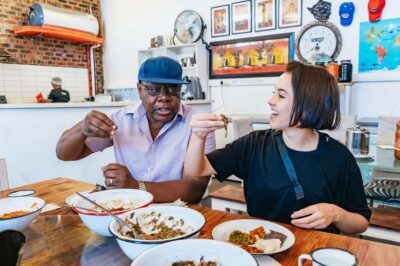

GQ: City Walking Tour & African Cuisine Cooking Class
Read our review →Browse the lists this tour appears in